Quick Answer
Clean the Ameda GLO diaphragm after every use with warm, soapy water, rinse thoroughly, and air-dry completely before reassembling. Replace it when it shows signs of wear or loses suction.
Why the Diaphragm Matters
The diaphragm in your Ameda GLO Wearable Breast Pump is a small but essential component. It maintains the closed system design, preventing milk from entering the tubing or motor. This protects both your pump's performance and your milk's safety.
A well-maintained diaphragm ensures strong, consistent suction. Over time, residue or damage can reduce suction, making pumping less effective. Regular cleaning and timely replacement keep your pump working at its best.
Cleaning vs. Replacing: Know the Difference
Cleaning removes milk residue and bacteria, but it cannot restore a diaphragm that has stretched, torn, or lost its shape. If you notice cracks, holes, or a permanent crease, cleaning alone won't fix the problem.
Most manufacturers recommend replacing silicone parts like diaphragms every 2–3 months, even with proper care. If you use your pump multiple times daily, inspect the diaphragm weekly for signs of wear.
Diagnosis & Care Steps
- Symptom: Weak suction or milk in tubing: Check the diaphragm for tears, holes, or deformation. If damaged, replace it immediately. If intact, ensure it is seated correctly and the pump is assembled properly. Inspect the diaphragm before each use for visible damage.
- Likely Cause: Milk residue or bacterial buildup: Clean the diaphragm after every use. Wash with warm, soapy water, rinse thoroughly, and air-dry completely. Avoid harsh detergents or scrubbing that could damage the silicone. Use a dedicated basin for pump parts to avoid cross-contamination.
- Corrective Action: Regular maintenance schedule: Deep-clean the diaphragm weekly by boiling for 5 minutes or using a steam sterilizer. Replace the diaphragm every 2–3 months, or sooner if you notice any signs of wear. Mark your calendar to remind yourself to replace the diaphragm regularly.
- Stop or Choose Another Option: When to replace: If the diaphragm is torn, stretched, or no longer forms a tight seal, stop using it and replace it with a new Ameda GLO Diaphragm. Using a damaged diaphragm can compromise hygiene and pump performance. Order a replacement diaphragm when you notice any damage.
Product Spotlight
-
Ameda GLO Diaphragm: The Ameda GLO Diaphragm is a replacement part that maintains the closed system design, preventing milk from entering the tubing or motor. A properly sealed diaphragm keeps your pump hygienic and ensures consistent suction, so replacing it when worn is essential.
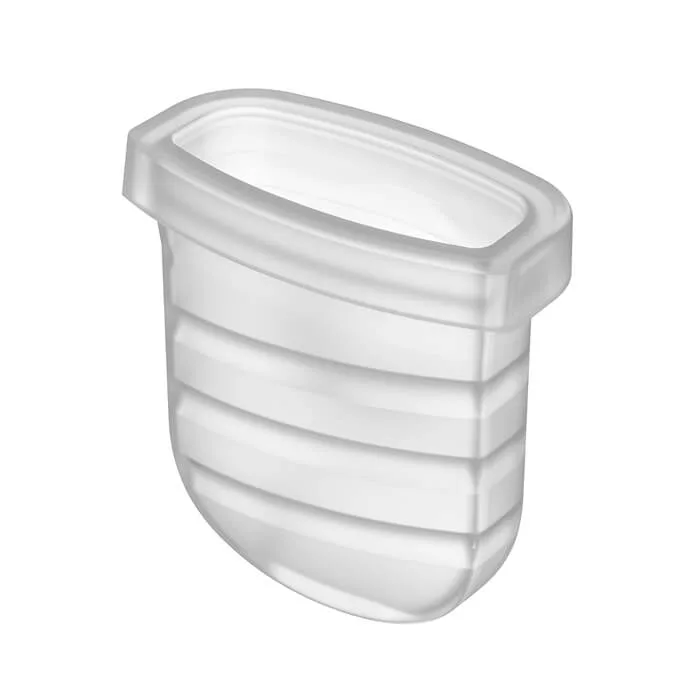
Ameda GLO Diaphragm