Quick answer
To keep your baby safe and your bottles in top shape, wash every part in hot soapy water after each use, sterilize regularly, and store them completely dry.
Why proper cleaning matters
Baby bottles can harbor bacteria and milk residue that may upset your baby's tummy. A thorough cleaning routine not only protects your baby's health but also extends the life of the bottles and nipples. Different materials—like the BPA-free plastic of Fraupow bottles or the latex nipple of BIBS bottles—require slightly different care, but the basics are the same.
When to sterilize vs. when to just wash
For newborns and babies under 3 months, or those with weakened immune systems, sterilizing after every wash is recommended. Once your baby is older and more mobile, a hot soapy wash and thorough drying is usually sufficient. Always check the manufacturer's instructions: for example, BIBS latex nipples can be boiled but should not be left in boiling water for too long.
Step-by-step bottle cleaning routine
- 1. Rinse immediately after use: As soon as your baby finishes feeding, rinse the bottle, nipple, and any attachments (like a handle) with cool water to remove milk residue. This prevents stubborn buildup. Don't let milk dry inside the bottle—it makes cleaning much harder.
- 2. Wash with hot soapy water: Use a dedicated bottle brush and mild dish soap. Scrub the inside of the bottle, the nipple, and the rim thoroughly. Pay special attention to the anti-colic valve on BIBS bottles—milk can hide there. Avoid using abrasive sponges that can scratch plastic or damage latex nipples.
- 3. Sterilize as needed: For babies under 3 months, sterilize bottles by boiling for 5 minutes, using a steam sterilizer, or a cold water sterilizing solution. For older babies, a hot wash is usually enough unless your pediatrician advises otherwise. Check the manufacturer's heat tolerance—some plastic bottles and latex nipples may warp if boiled too long.
- 4. Air-dry completely: Place all parts on a clean drying rack with the openings facing down. Do not use a dish towel to dry them, as it can transfer bacteria. Let them air-dry fully before assembling or storing. Moisture is a breeding ground for germs—never store wet bottles.
- 5. Inspect and replace regularly: Check nipples for cracks, stickiness, or discoloration—replace them every 2-3 months or sooner if damaged. Inspect bottles for scratches or cloudiness, especially plastic ones like the Fraupow Combi-Feed bottles. Replace any part that shows wear. A damaged nipple can tear and become a choking hazard; a scratched bottle can harbor bacteria.
Products that make bottle care easier
-
BIBS Baby Bottle Handle - Sage: The BIBS Baby Bottle Handle is designed for tiny hands, making independent drinking easy and comfortable from 6+ months. When cleaning, remember to remove the handle and wash it separately—milk can get trapped in the crevices.
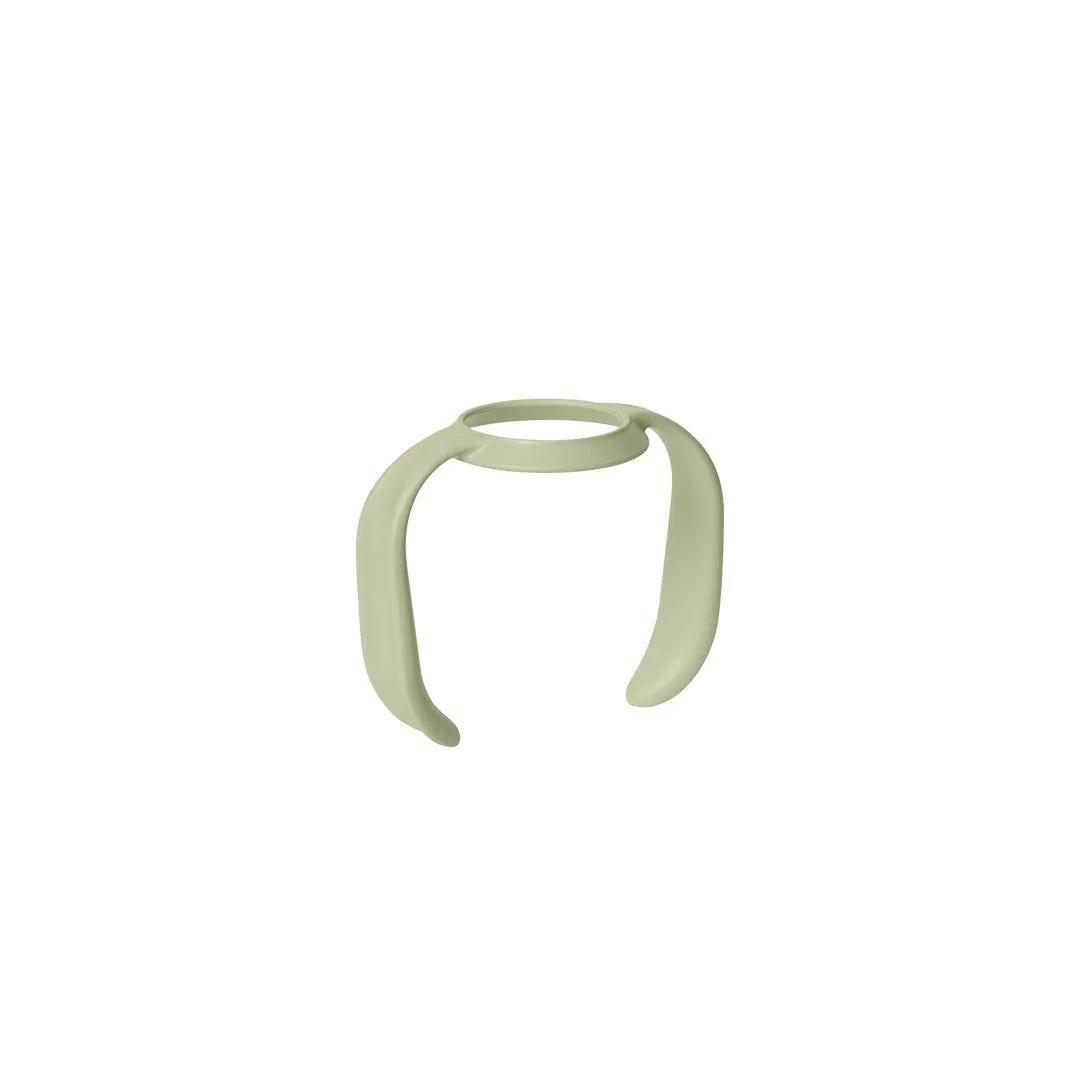
BIBS Baby Bottle Handle - Sage
-
BIBS Medium Flow Baby Bottle Latex - Sage: The BIBS Baby Bottle Latex 1 Pack features an anti-colic valve and a soft, breast-like natural rubber latex nipple. Latex nipples are more delicate than silicone; avoid harsh scrubbing and replace them at the first sign of stickiness or damage.
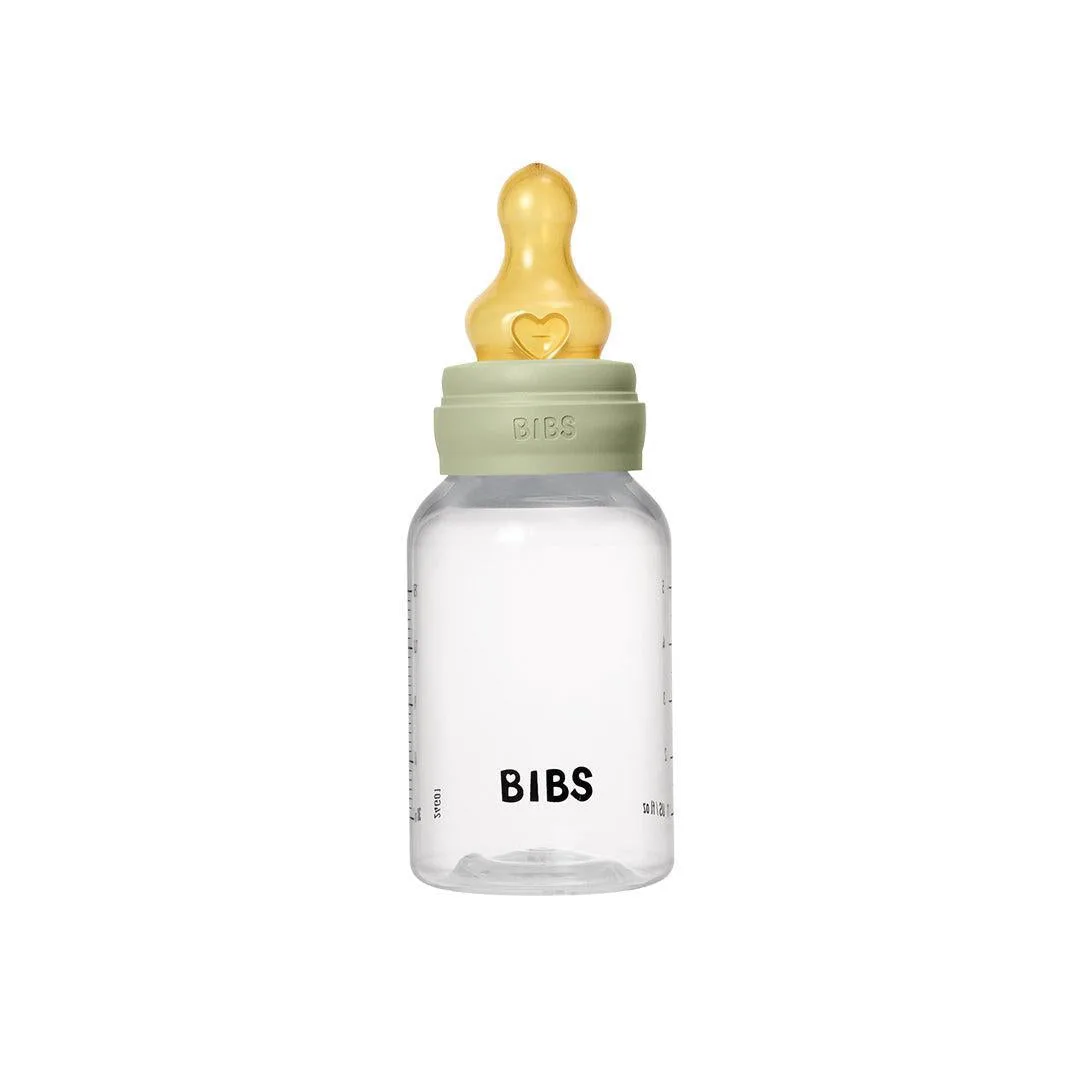
BIBS Medium Flow Baby Bottle Latex - Sage
-
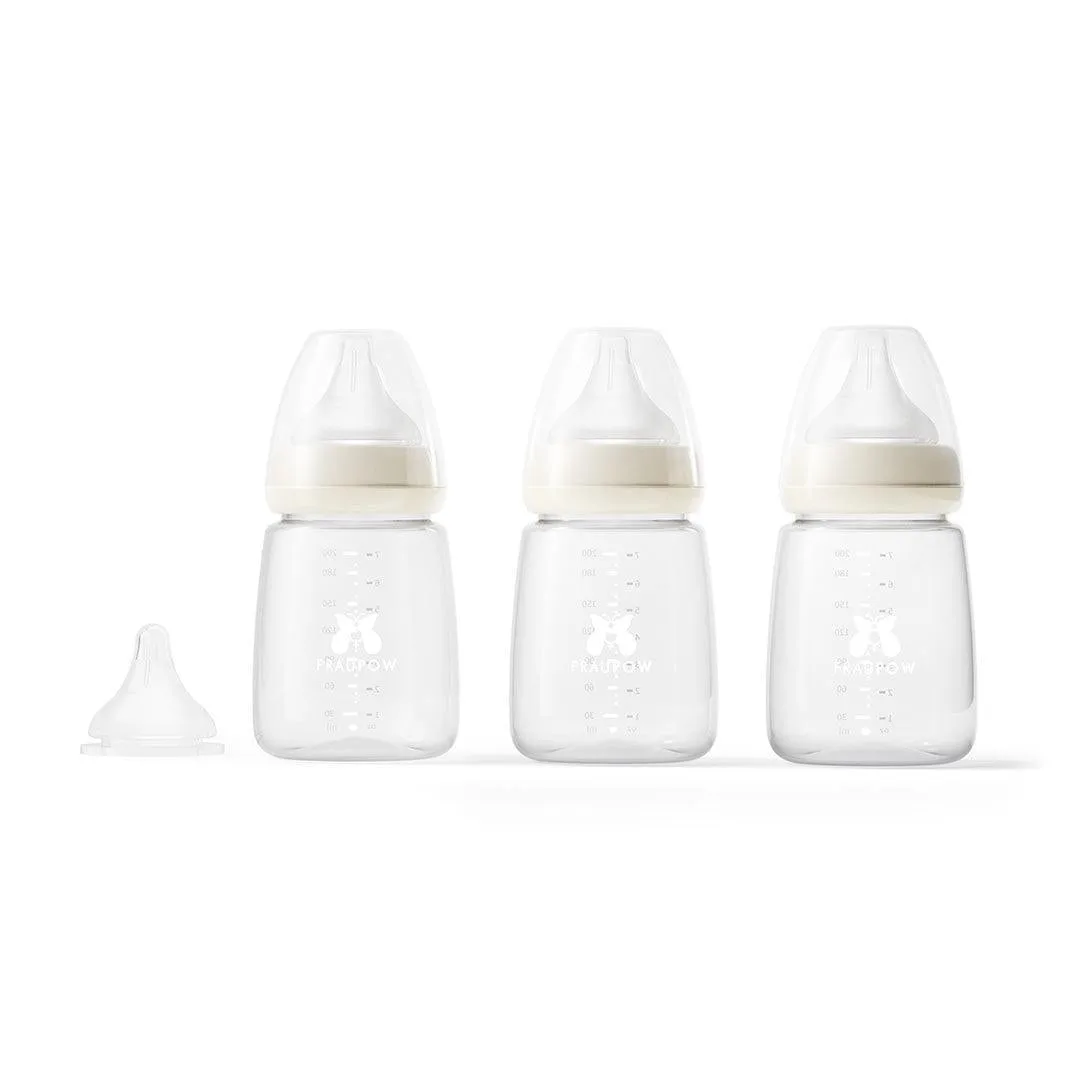
Fraupow Combi-Feed Baby Bottles | Pack of 3: Fraupow Combi-Feed Baby Bottles are crafted from high-quality, BPA-free food grade PP plastic and feature a gradual slope teat. Plastic bottles are lightweight and durable, but they can scratch over time—use a soft brush and replace them if scratches appear.