A good corkscrew is more than a tool—it’s a ritual companion for every bottle you open. Whether you prefer a classic waiter’s corkscrew or a sleek lever model, proper maintenance ensures it performs flawlessly for years. Without regular care, wine residue, dust, and moisture can build up, leading to sticky mechanisms, dull blades, and even rust.
In this guide, we’ll walk you through a simple corkscrew cleaning routine, share tips for rust prevention, and explain how to care for different types of openers. By following these steps, you’ll keep your favorite wine tool in pristine condition—ready for every celebration.
Why Regular Cleaning Matters
Your corkscrew comes into direct contact with wine, cork particles, and sometimes even foil. Over time, these residues can accumulate in the worm (the spiral), the hinge, and the handle. This buildup not only looks unappealing but can also affect performance. A sticky worm makes it harder to extract corks, and a dull blade may tear the foil or cork.
Moisture is the biggest enemy of any metal tool. If you leave your corkscrew damp or store it in a humid environment, you risk rust formation. Rust can pit the metal, weaken the worm, and ruin the tool’s smooth action. Regular cleaning and drying are your best defense.
- Clean after every use to prevent residue buildup.
- Dry thoroughly before storing to avoid rust.
- Inspect moving parts periodically for wear or debris.
Step-by-Step Cleaning for a Waiter’s Corkscrew
The waiter’s corkscrew is a favorite among sommeliers for its compact design and built-in foil cutter. To clean it, start by wiping the entire tool with a soft, dry cloth to remove surface dust. If there is visible wine or cork residue, dampen a cloth with warm water and a drop of mild dish soap. Gently wipe the worm, the lever, and the handle. Avoid submerging the tool in water, as this can push moisture into the hinge and cause rust.
Pay special attention to the worm. Use a toothpick or a small brush to dislodge any cork particles stuck between the spirals. For stubborn residue, you can soak the worm in a small cup of warm soapy water for a few minutes, but be sure to dry it completely afterward. Once clean, apply a tiny drop of food-safe mineral oil to the hinge and the worm to keep the action smooth.
- Use a toothpick to clean between the worm spirals.
- Never put your corkscrew in the dishwasher.
- Lubricate the hinge with food-safe oil every few months.
Caring for Lever and Electric Corkscrews
Lever corkscrews, like the Bell lever corkscrew set Oeno Motion Groom, feature a more complex mechanism that requires slightly different care. After each use, wipe the exterior with a damp cloth and dry it immediately. Check the worm for cork residue and clean it as described above. For the lever mechanism, avoid getting water inside the housing—use a dry cloth to wipe down the moving parts and apply a small amount of silicone-based lubricant to the pivot points if they become stiff.
Electric corkscrews are convenient but need careful maintenance. Remove the worm assembly if possible and rinse it under warm water, then dry it thoroughly. Wipe the main body with a damp cloth, but never immerse it. For battery-operated models, remove batteries if you won’t use them for an extended period to prevent corrosion. Always store electric corkscrews in a dry place.
- Check the manufacturer’s instructions for removable parts.
- Use only food-safe lubricants on metal parts.
- Store electric models with batteries removed if idle for months.
Rust Prevention and Long-Term Storage
Rust is the most common issue with corkscrews, especially in humid climates. To prevent it, always dry your corkscrew thoroughly after cleaning. Store it in a dry place, ideally in a protective case or drawer. If you live in a humid area, consider adding a silica gel packet to your storage area.
If you notice any rust spots, remove them immediately with a fine steel wool or a rust eraser. After removing the rust, clean the area, dry it, and apply a light coat of mineral oil. For high-quality tools like the Pocket Collector – Black: a Vintage Pocket Corkscrew, regular care will keep the vintage finish looking beautiful and the mechanism working smoothly.
- Use silica gel in your wine tool drawer to absorb moisture.
- Handle rust spots as soon as you see them.
- Consider a leather case for extra protection, like the Oeno Collection Nomad | Leather Wine Tool Kit.
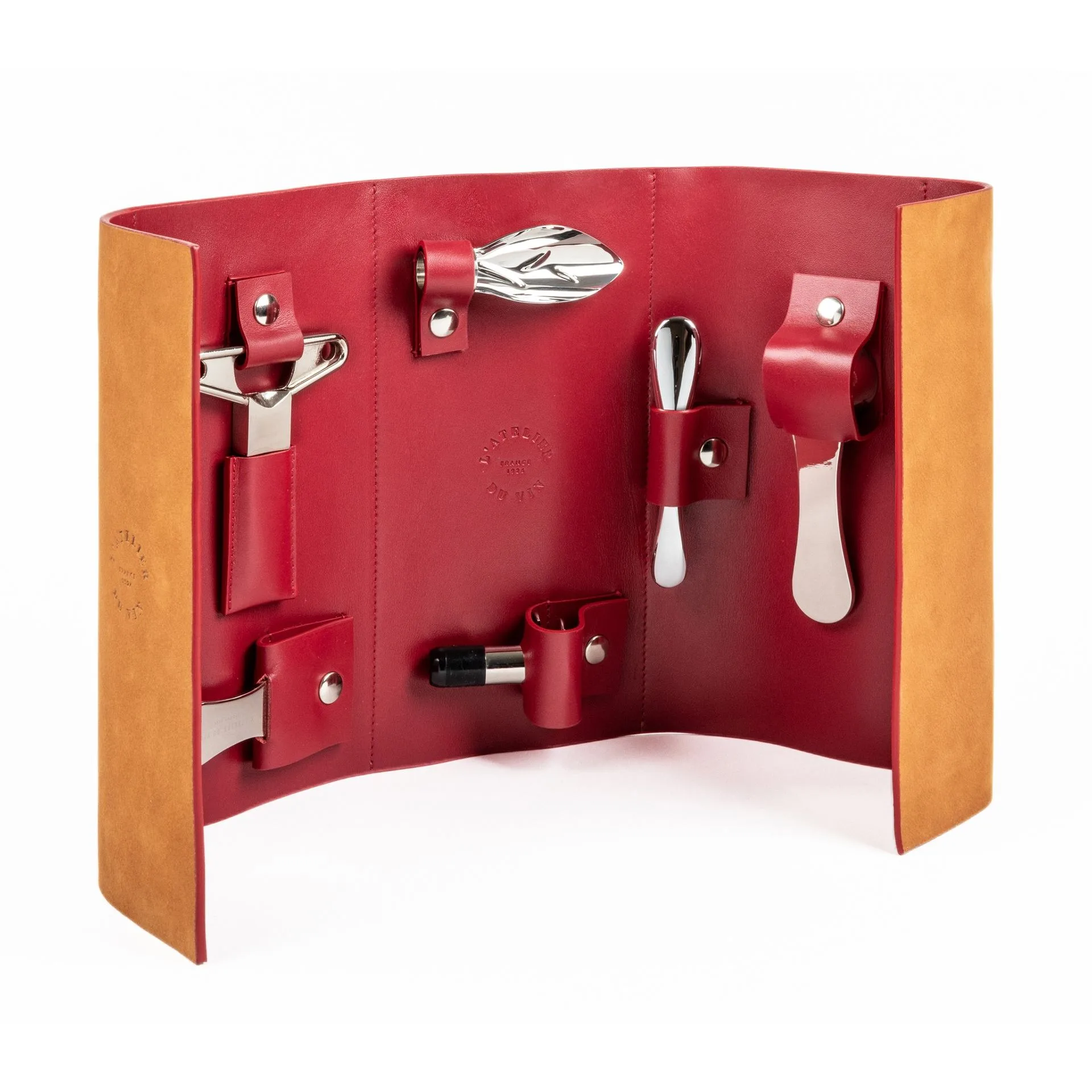
Oeno Collection Nomad | Leather Wine Tool Kit
Special Care for Vintage and Decorative Corkscrews
Vintage and decorative corkscrews often feature delicate materials like wood, brass, or intricate engravings. These require gentler handling. Avoid harsh chemicals and abrasive cleaners that can damage the finish. Instead, use a soft, dry cloth for dusting and a slightly damp cloth for stubborn dirt. For wooden handles, apply a small amount of beeswax or furniture polish to keep the wood from drying out.
If your vintage corkscrew has a patina that you want to preserve, do not attempt to polish it aggressively. A gentle wipe with a soft cloth is usually sufficient. Always store these pieces away from direct sunlight and extreme temperature changes to prevent warping or fading.
- Use beeswax on wooden handles to maintain their luster.
- Avoid abrasive cleaners on engraved or plated surfaces.
- Display vintage corkscrews in a dry, shaded spot.
With just a few minutes of care after each use, your corkscrew can last a lifetime. Whether you own a classic waiter’s model or a modern lever design, regular cleaning and proper storage will keep it performing at its best. Treat your wine tools with the same respect you give your finest bottles, and they’ll reward you with flawless service for years to come.