Your favorite glass, mug, or tumbler sees a lot of use—from morning coffee to evening wine. But over time, mineral deposits, cloudy film, and lingering odors can dull their shine and affect taste. Proper drinkware care not only keeps your glasses looking crystal clear but also ensures hygiene and longevity. In this guide, we'll share practical tips on how to clean drinkware effectively, remove stubborn water spots, and maintain your glassware with ease.
Whether you're a home entertainer or a daily coffee drinker, understanding the right cleaning methods for different materials—glass, ceramic, stainless steel, and plastic—can make a world of difference. Let's dive into the best practices for drinkware maintenance and keep your collection sparkling.
Why Drinkware Care Matters
Clean drinkware is more than just aesthetics. Residue from coffee, tea, or juice can harbor bacteria and affect the taste of your next beverage. Additionally, hard water minerals can leave unsightly spots on glassware, making it look dull and uninviting. Regular cleaning and proper care not only enhance your drinking experience but also extend the life of your favorite pieces.
Many people overlook the importance of drying techniques. Air-drying glassware can lead to water spots, while using a lint-free cloth can prevent streaks. Understanding the right approach for each material is key to maintaining spotless drinkware.
- Always rinse immediately after use to prevent residue buildup.
- Use a soft sponge or cloth to avoid scratching glass surfaces.
- Dry with a microfiber cloth to prevent water spots.
Step-by-Step Guide to Cleaning Glasses
To clean glasses effectively, start by rinsing them with warm water to remove loose particles. Then, use a mild dish soap and a soft sponge to gently scrub the interior and exterior. Pay special attention to the rim and base, where lip balm and fingerprints tend to accumulate. For stubborn stains like coffee or tea, a paste of baking soda and water can work wonders without scratching.
For crystal or delicate glassware, hand washing is always recommended. Avoid the dishwasher, as high heat and harsh detergents can cause cloudiness or etching. If you must use a dishwasher, place glasses securely on the top rack and use a gentle cycle with a rinse aid to minimize spotting.
- Use a bottle brush for narrow-necked glasses and tumblers.
- Soak stubborn stains in a solution of white vinegar and water for 15 minutes before washing.
- Never use abrasive scrubbers on glass; they can leave micro-scratches that trap dirt.
Removing Water Spots and Cloudy Film
Water spots are caused by minerals in hard water that remain after evaporation. To remove them, create a solution of equal parts white vinegar and water, and wipe the glass with a soft cloth. For more stubborn spots, apply the solution and let it sit for a few minutes before rinsing and drying. This method is safe for most glassware and also helps eliminate cloudy film.
If your glasses have become permanently cloudy due to etching (caused by dishwasher detergents), they may be beyond repair. However, for temporary cloudiness, a paste of baking soda and water can gently polish the surface. Always test on a small area first to ensure no damage.
- For hard water stains, soak glasses in a vinegar solution overnight.
- Use a coffee filter or lint-free cloth to dry glasses for a streak-free shine.
- Consider using a water softener or rinse aid to prevent future spots.
Special Care for Different Materials
Drinkware comes in various materials, each requiring specific care. For stainless steel tumblers and travel mugs, avoid abrasive cleaners that can scratch the finish. Instead, use warm soapy water and a soft cloth. To remove odors, fill with a mixture of baking soda and water and let it sit before rinsing thoroughly.
Ceramic mugs and glassware are generally dishwasher-safe, but hand washing is gentler and preserves their appearance. For plastic drinkware, avoid high heat to prevent warping and check if it's BPA-free. Always follow the manufacturer's instructions when available.
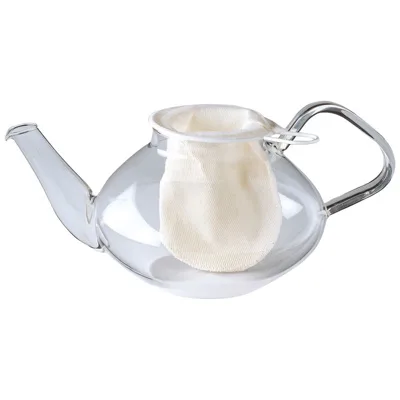
When it comes to accessories that complement your drinkware, consider items like the Tea net »Tea for 2«, 2 cups, ø 7 cm for brewing loose leaf tea directly in your cup, making cleanup easier. Similarly, a Strainer/puree sieve »Standard«, ø 20 cm can be handy for preparing fresh juices or infusions, reducing residue in your drinkware.
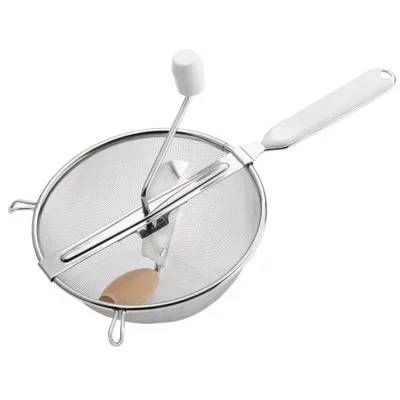
Strainer/puree sieve »Standard«, ø 20 cm
- Check the manufacturer's label for specific cleaning instructions.
- Use a dedicated brush for reusable straws and lids.
- Store glasses upright to prevent dust and odors.
Daily Habits for Sparkling Drinkware
Incorporate these simple habits into your routine to keep your drinkware looking new. Rinse glasses immediately after use, especially if you've had milk, juice, or wine. This prevents stains and makes washing easier. When drying, use a clean, lint-free towel to avoid water spots and fibers.
Periodically, deep-clean your entire drinkware collection. Soak items in a mixture of warm water and baking soda to remove any lingering odors or stains. For extra shine, polish with a microfiber cloth. By following these drinkware maintenance tips, you'll enjoy crystal-clear glasses every time.
- Keep a small dish brush near the sink for quick rinses.
- Avoid stacking glasses to prevent chips and scratches.
- Use a dedicated drying rack with a non-slip mat.
Caring for your drinkware doesn't have to be complicated. With the right techniques and a little routine, you can keep your glasses, mugs, and tumblers sparkling clean and hygienic. Remember to use gentle cleaners, dry with lint-free cloths, and address water spots promptly. For an enhanced tea experience, consider the Tea net »Tea for 2«, 2 cups, ø 7 cm—a convenient accessory that simplifies brewing and cleanup. Explore our full range of drinkware and accessories to elevate your daily hydration.