Quick Answer
Rinse your natural loofah thoroughly after each use, squeeze out excess water, and hang it in a dry, well-ventilated area. Once a week, deep-clean it with a diluted vinegar or baking soda soak, and replace it every 3-4 weeks or when it starts to smell or feel slimy.
Natural loofahs are a popular eco-friendly alternative to plastic shower poufs, but they require a bit of care to stay hygienic and last longer. Because they're made from dried plant fibers, they can harbor bacteria and mold if not properly maintained. Fortunately, with a few simple habits, you can keep your loofah fresh and extend its lifespan.
In this guide, we'll walk you through the essential steps for cleaning and caring for your natural loofah. You'll learn how to rinse, dry, deep-clean, and know when to replace it, so you can enjoy a sustainable shower routine without compromising on hygiene.
Why Natural Loofahs Need Special Care
Natural loofahs are made from the fibrous interior of the loofah gourd, which is dried and often cut into rounds or strips. This porous structure is great for exfoliating and creating a rich lather, but it also traps dead skin cells, soap residue, and moisture—creating a perfect environment for bacteria and mold to grow.
Unlike synthetic sponges that can be tossed in the washing machine, natural loofahs are more delicate and can fall apart if not handled gently. However, with consistent care, you can significantly extend their usable life while keeping them hygienic. The key is to remove moisture and organic matter promptly after each use.
- Always hang your loofah to dry, never leave it in a damp shower caddy.
- Avoid leaving soap or shampoo residue on the loofah; rinse thoroughly.
Daily Rinsing and Drying: The Foundation of Loofah Care
After each shower, take a few seconds to rinse your loofah under hot water. This helps wash away soap, dead skin, and other debris that have been lifted from your skin. Gently squeeze the loofah repeatedly while rinsing to ensure water flows through the fibers and flushes out trapped particles.
Once rinsed, squeeze out as much water as possible. A wet loofah left to sit is a breeding ground for microbes. Hang it in a place with good air circulation, such as a shower rod or a hook outside the shower. Ensure it's not touching other items so air can reach all sides. Avoid leaving it in a closed container or on a damp surface.
- Use a clip or hook to hang your loofah upside down so water can drip out easily.
- If you have a second loofah, alternate them to allow each to dry fully between uses.
Weekly Deep Cleaning: Keeping Bacteria at Bay
Even with daily rinsing, a weekly deep clean is essential to remove buildup and kill germs. One effective method is to soak your loofah in a solution of equal parts water and white vinegar for 15-20 minutes. Vinegar is a natural disinfectant and helps dissolve soap scum and mineral deposits. After soaking, rinse thoroughly with hot water and squeeze dry.
Another option is to use a diluted solution of baking soda and water. Mix about a tablespoon of baking soda in a cup of water and soak the loofah for 15 minutes. This helps neutralize odors and gently cleans the fibers. After either method, be sure to rinse well and dry completely before the next use.
- Never use bleach or harsh chemicals on natural loofahs—they can damage the fibers and irritate your skin.
- If your loofah has a strong musty odor, it's a sign that it's time to replace it, even after deep cleaning.
When to Replace Your Loofah: Signs and Timing
Natural loofahs are biodegradable and don't last forever. On average, a well-cared-for loofah can be used for about 3 to 4 weeks. However, this can vary depending on how often you use it and how well you maintain it. Some people extend the life to 6 weeks with rigorous drying and weekly deep cleans, but it's important to monitor its condition.
Replace your loofah immediately if you notice any of these signs: a persistent bad smell, a slimy or mushy texture, visible mold (black or green spots), or if the fibers start to break apart. Using a compromised loofah can irritate your skin and spread bacteria. When it's time to let it go, you can compost it or dispose of it responsibly.
- Mark your calendar or set a reminder to replace your loofah monthly.
- If you have sensitive skin or a weakened immune system, consider replacing it every two weeks.
Step-by-Step Loofah Care Routine
- Rinse thoroughly after every use: Hold your loofah under hot running water and squeeze it repeatedly to remove soap, dead skin, and debris. Make sure the water runs through the entire surface. Checkpoint: The water should run clear, with no soapy residue visible.
- Squeeze out excess water and hang to dry: Press the loofah firmly to remove as much water as possible. Hang it in a dry, well-ventilated spot away from direct moisture, such as outside the shower or on a hook. Checkpoint: The loofah should feel damp, not dripping wet. If it stays soggy for hours, move it to a drier location.
- Deep-clean weekly with vinegar or baking soda: Once a week, soak your loofah in a 50/50 water and white vinegar solution for 15-20 minutes, or in a baking soda solution (1 tbsp per cup of water). Rinse thoroughly afterward. Checkpoint: After soaking, the loofah should smell fresh, not musty. If it still smells, consider replacing it.
- Replace every 3-4 weeks or when signs of wear appear: Monitor your loofah for any unpleasant odor, sliminess, mold, or fiber breakdown. If any of these appear, it's time to compost it and start fresh. Verdict: A clean loofah is a happy loofah. When in doubt, throw it out.
Eco-Friendly Alternatives and Accessories
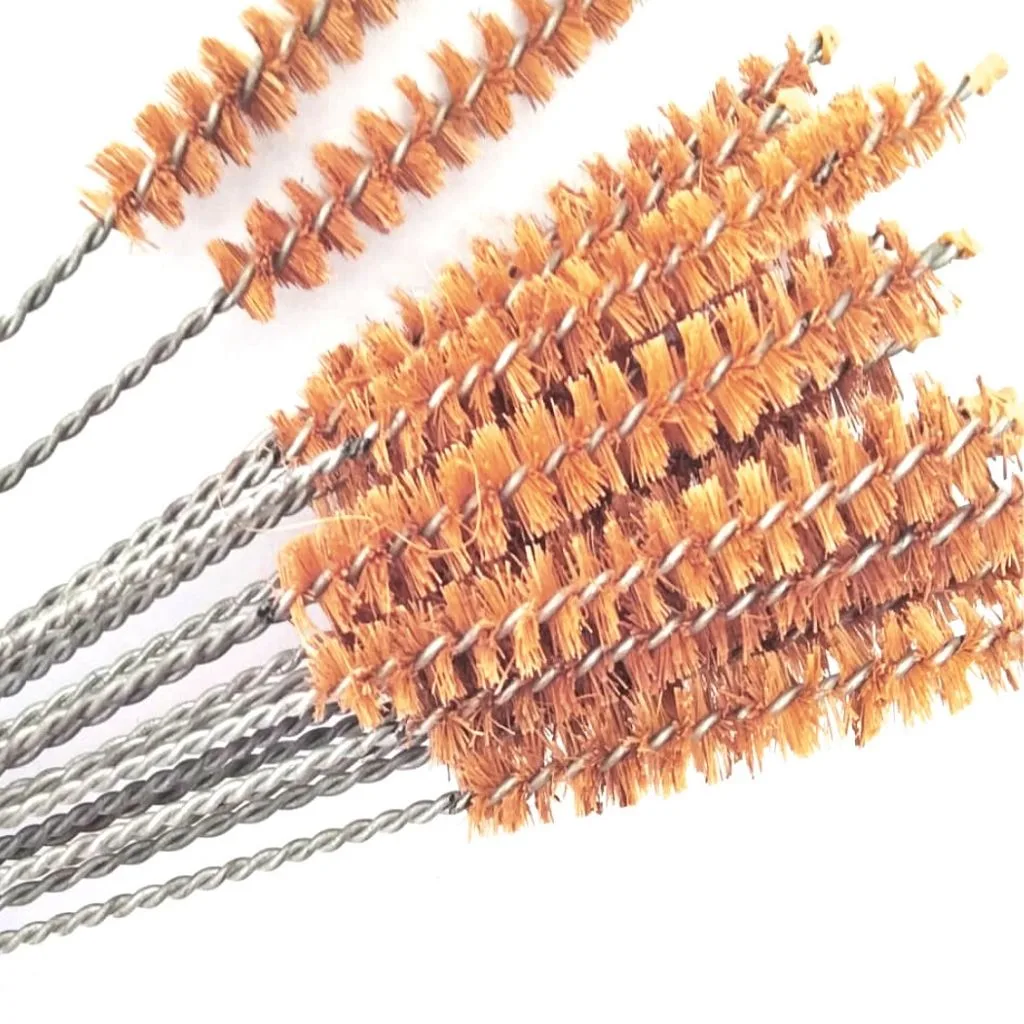
- Reusable Straws Cleaning Brushes for Bamboo or Stainless Steel Straws: Our straw sets all include a cleaning brush. However, if you need an extra one then you can buy them right here. We have three cleaning brushes to choose from. Nylon bristles: Standard metal cleaning brush with nylon bristles. Coconut fibre bristles: Eco friendly cleaning brush made from coconut fibres. Grass fibre bristles: Natural pipe cleaner made from a... While this product is designed for straws, the coconut fibre brush is a great example of a natural, plastic-free cleaning tool. You could use a similar brush to gently scrub your loofah during deep cleaning, avoiding harsh synthetic scrubbers.
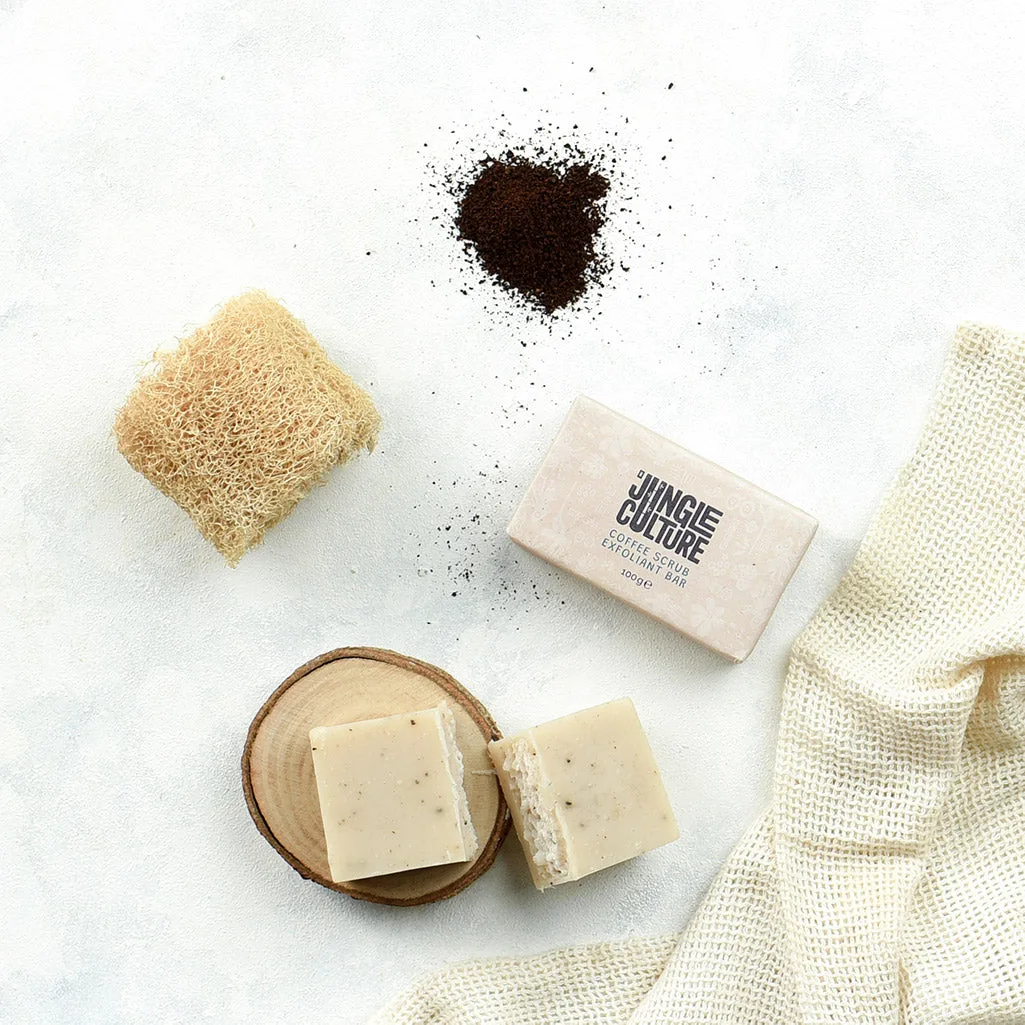
- Coffee Scrub Natural Exfoliant Soap Bar: Jungle Culture’s natural coffee scrub body bars are filled with deeply aromatic grounded organic coffee beans. Coffee is an important and bountiful source of antioxidants, which is why it’s so effective at brightening, toning and improving the overall health and appearance of your skin. Formulated to gently smooth away dehydrated and dead skin cells, our... Pairing your loofah with a natural exfoliating soap bar can enhance your shower routine and reduce the need for plastic bottles. The coffee grounds in the bar provide exfoliation, so you can use a lighter touch with your loofah, potentially extending its life.
Caring for your natural loofah doesn't have to be complicated. By rinsing, drying, and deep-cleaning regularly, you can keep it hygienic and extend its lifespan. Remember to replace it when it shows signs of wear, and consider pairing it with other eco-friendly bath products to reduce your plastic footprint. With these simple steps, you can enjoy a sustainable shower routine that's kind to your skin and the planet.