Quick Answer
Clean your strap-on harness after every use with mild soap and warm water. Air dry it completely before storing to prevent bacteria growth and material breakdown. The exact method depends on the harness material — nylon webbing can handle more thorough washing than leather or synthetic blends.
Why Proper Harness Care Matters
A strap-on harness touches sensitive skin and can trap sweat, lubricant, and bacteria. Without regular cleaning, the material can degrade faster and cause irritation. Different fabrics — nylon, leather, or synthetic blends — need slightly different care, but the basic routine stays the same: gentle cleaning, thorough drying, and smart storage.
Step-by-Step Harness Cleaning Routine
- Rinse Immediately After Use: Remove the toy from the harness and rinse the harness under cool running water to remove lubricant, sweat, and body fluids. Do not use hot water, which can set stains or damage elastic fibers. Checkpoint: If the harness has a built-in O-ring or pocket, make sure water flows through those areas too.
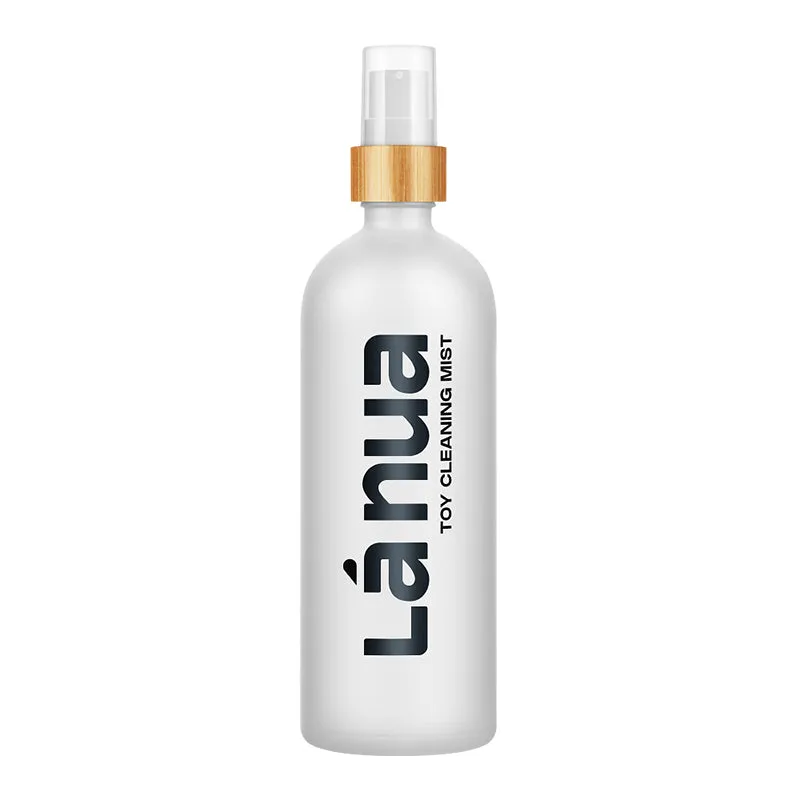
- Wash With Mild Soap: Apply a small amount of mild, unscented soap to your hands or a soft cloth. Gently scrub the entire harness, paying attention to seams and areas that contact skin. Avoid harsh detergents, bleach, or fabric softeners — they can break down nylon and irritate sensitive skin. Common mistake: Using antibacterial soap can be too harsh for some materials. Stick with a gentle toy cleaner or mild hand soap.
- Rinse Thoroughly: Rinse the harness under cool running water until all soap residue is gone. Leftover soap can cause skin irritation and attract dirt. Checkpoint: Run your fingers along the fabric to feel for any slippery spots that indicate remaining soap.
- Air Dry Completely: Lay the harness flat on a clean towel or hang it in a well-ventilated area away from direct sunlight. Do not wring it out or toss it in the dryer — heat can warp nylon and damage elastic. Drying typically takes 4–8 hours depending on humidity. Common mistake: Storing a damp harness encourages mildew growth. Make sure every part feels dry to the touch before putting it away.
- Store Flat or Hung Loose: Fold the harness loosely and place it in a breathable fabric bag or drawer. Avoid sealing it in plastic, which traps moisture. If your harness has O-rings or snaps, store it without the toy attached to prevent stretching. Checkpoint: Check the manufacturer's instructions — some harnesses like the SpareParts Tomboii are designed to be stored with the pockets empty to maintain their shape.
Product Spotlight: A Harness Built for Easy Care
- SpareParts Tomboii Black/Red Nylon - 3X: The SpareParts Tomboii Black/Red Nylon - 3X is made from nylon and rayon, slides on and off smoothly without chafing buckles or dangling straps, and includes 3 pockets. Nylon harnesses like this one are easier to clean than leather because they resist water and dry quickly. The lack of metal buckles or straps means fewer crevices where bacteria can hide, making your cleaning routine simpler and more effective.