Tea lovers know that the quality of your brew depends not only on the leaves but also on the cleanliness of your tools. Over time, tea oils, tannins, and mineral deposits can build up on your infusers, teapots, and mugs, affecting the taste of your favorite loose leaf tea. Proper cleaning and care not only extend the life of your accessories but also ensure every cup tastes as fresh as the first.
In this guide, we'll walk you through the best practices for cleaning and maintaining your tea accessories, from stainless steel infusers to delicate porcelain teapots. Whether you're a seasoned tea enthusiast or just starting your loose leaf journey, these tips will keep your gear in top condition.
Why Regular Cleaning Matters
Tea contains natural tannins and oils that can cling to surfaces, creating a film that not only looks unappealing but also alters the flavor of subsequent brews. If you switch between different tea types, residue can cause cross-contamination, muddying the delicate notes of a white tea or the robust character of a black tea.
Moreover, neglected tea accessories can harbor bacteria and mold, especially if they remain damp. This is particularly true for infusers and tumblers that are used daily. By establishing a simple cleaning routine, you protect your health and your tea's integrity.
- Prevents flavor transfer between teas
- Avoids buildup of tannins and mineral deposits
- Ensures hygiene and safety
Cleaning Your Tea Infuser: Step-by-Step
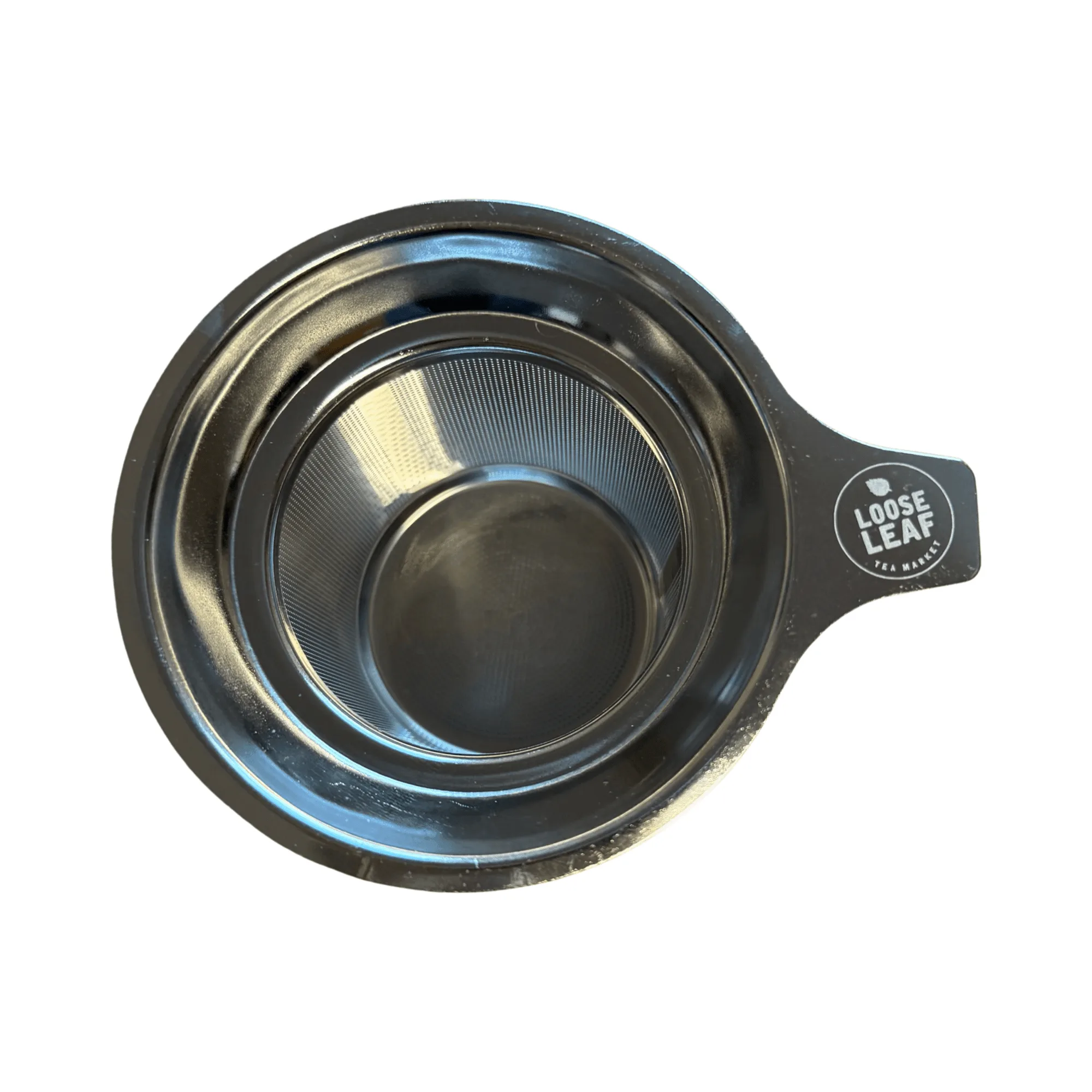
The tea infuser is the workhorse of your loose leaf setup. Whether you use a ball infuser, a basket, or a fine mesh strainer, it's essential to clean it thoroughly after each use. Start by removing the spent leaves and rinsing the infuser under warm running water to remove loose particles.
For a deeper clean, soak the infuser in a solution of warm water and a few drops of mild dish soap for 10-15 minutes. Use a soft brush or a toothbrush to gently scrub the mesh, paying attention to corners where tea particles can hide. Rinse well and let it air dry completely before storing.
If you notice stubborn stains or odors, a paste of baking soda and water can work wonders. Apply it with a soft cloth, rinse, and dry. Avoid abrasive cleaners that can scratch the surface and damage the fine mesh.
- Rinse immediately after use to prevent residue from drying
- Use a dedicated brush for hard-to-reach spots
- Baking soda paste for deep cleaning
Caring for Your Teapot: Glass, Porcelain, and More
Teapots are not just functional; they are often beautiful pieces that add to the tea ritual. Different materials require different care. For glass teapots, like the Casaware Glass Teapot, avoid sudden temperature changes to prevent cracking. Hand wash with warm, soapy water and a soft sponge, and dry with a lint-free cloth to avoid streaks.
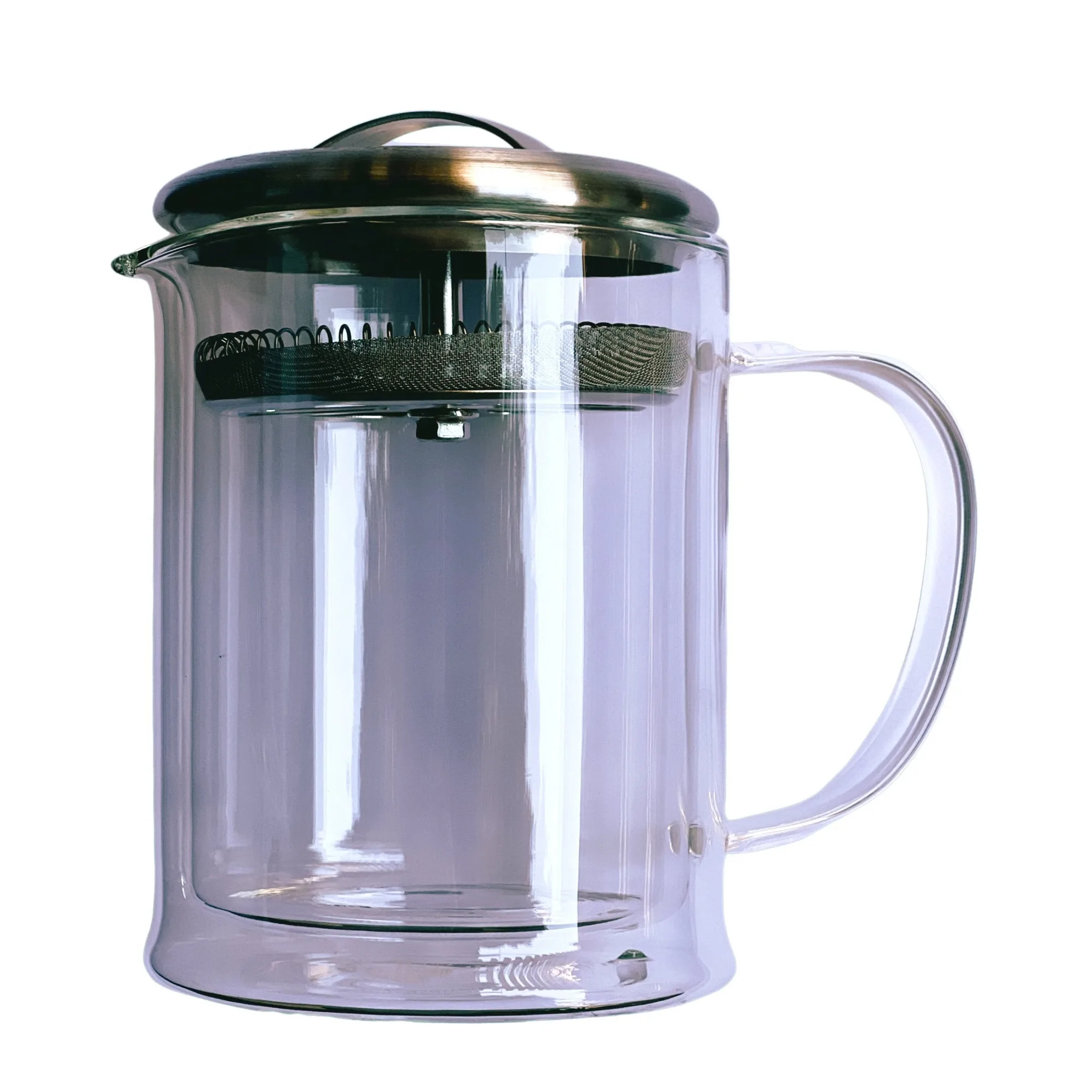
Casaware Glass Teapot
Porcelain teapots, such as the Tealyra Pluto Porcelain Teapot, are generally dishwasher safe, but hand washing is gentler and preserves the glaze. Use a non-abrasive cleaner and avoid metal utensils that could scratch the surface. For stubborn tea stains, fill the pot with warm water and a teaspoon of baking soda, let it sit, then rinse.
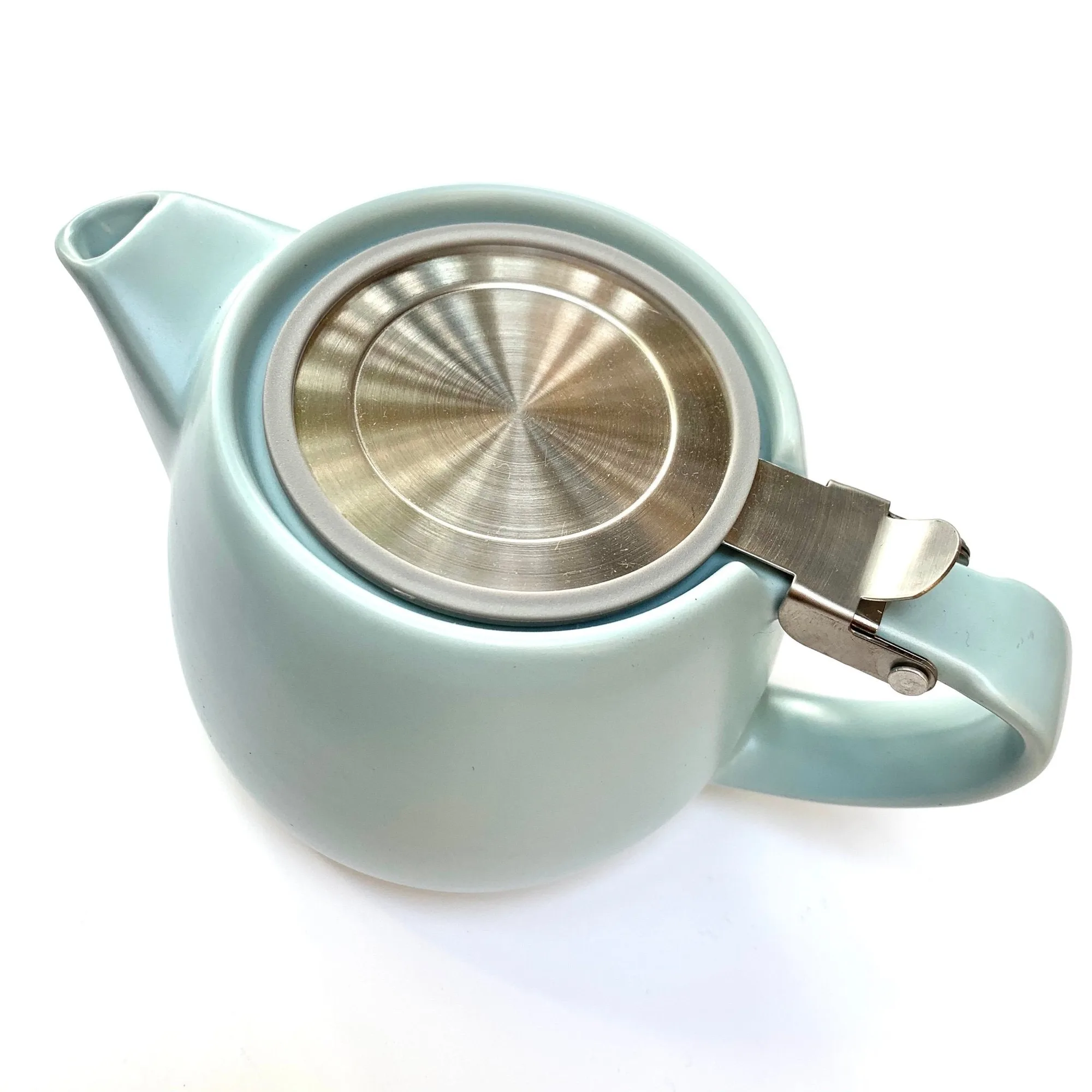
Tealyra Pluto Porcelain Teapot
Stainless steel teapots are more durable but still benefit from regular cleaning. Always dry them thoroughly to prevent water spots. For any teapot, never use harsh chemical cleaners that could leave residues.
- Hand wash glass and porcelain to preserve finish
- Use baking soda for stain removal
- Dry immediately to avoid water spots
Maintaining Your Tea Mugs and Tumblers
Your favorite tea mug or tumbler gets a lot of use, so it's important to keep it clean. Ceramic mugs, like the Tealyra Peak Ceramic Tea Mug, can be washed in the dishwasher, but hand washing with warm soapy water is often gentler on the glaze. For stubborn tea stains, a paste of baking soda and water applied with a soft cloth can help lift them.
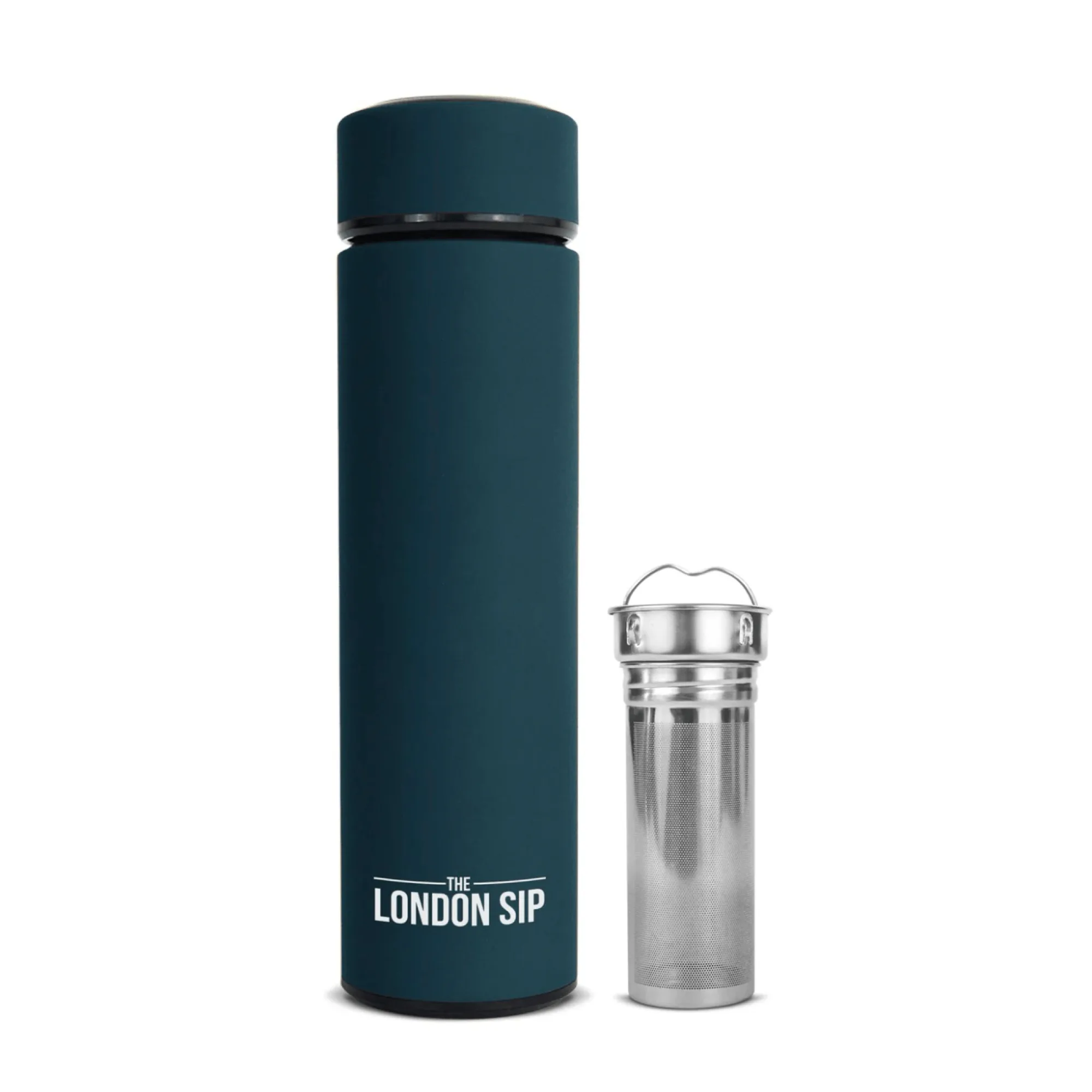
Insulated tumblers, such as the Stainless Steel Insulated Tea Tumbler with Infuser, require special attention. The narrow opening makes it difficult to clean thoroughly. Use a bottle brush to scrub the inside, and if the lid and infuser are removable, wash them separately. Avoid submerging the tumbler in water if it has a vacuum seal; instead, wipe the exterior with a damp cloth.
For tumblers with a coating, never use abrasive scrubbers that can scratch the surface. Always check the manufacturer's instructions for specific care guidelines.
- Use a bottle brush for insulated tumblers
- Hand wash coated surfaces to prevent scratches
- Clean lids and infusers separately
Deep Cleaning and Descaling Your Tea Gear
Over time, mineral deposits from hard water can build up on your tea equipment, leaving a white film. Descaling is essential to maintain performance and appearance. For glass and stainless steel items, a solution of equal parts water and white vinegar can be used. Fill the item, let it sit for 30 minutes, then rinse thoroughly.
For teapots and infusers with stubborn limescale, you can also use a commercial descaling product, but always ensure it's safe for the material. After descaling, run a cycle with fresh water to remove any residual vinegar taste.
If you use a tea infuser with ultra-fine mesh, like the Stainless Steel Tea Infuser Ultra-Fine, descaling is especially important because mineral deposits can clog the tiny holes, reducing water flow and affecting extraction. Regular descaling every few months will keep your accessories functioning optimally.
- Use a vinegar-water solution for descaling
- Rinse thoroughly after descaling
- Descale every 2-3 months for best results
Storing Your Tea Accessories Properly
Proper storage is the final step in tea accessory care. Always ensure your infusers, teapots, and mugs are completely dry before storing to prevent mold and mildew. Store them in a dry, ventilated area away from direct sunlight, which can fade colors and degrade materials.
For delicate items, consider using protective padding or storing them in their original boxes. Stack mugs carefully to avoid chipping. For infusers, keep them in a container that allows air circulation, and avoid storing them in airtight bags where moisture can accumulate.
If you have multiple tea accessories, organize them so that frequently used items are easily accessible. This not only extends their life but also makes your tea ritual more enjoyable.
- Ensure items are completely dry before storage
- Avoid direct sunlight to prevent fading
- Store delicate items with protective padding
Caring for your tea accessories doesn't have to be a chore. By incorporating these simple cleaning and maintenance tips into your routine, you'll enjoy better-tasting tea and extend the life of your favorite gear. Remember, a clean teapot or infuser is the key to a perfect brew. So, take a few minutes after each use to rinse and dry your tools, and your tea will thank you.