Quick Answer
To clean your tea infuser effectively, rinse it immediately after use, then soak it in a solution of baking soda or white vinegar to break down tannin stains. For mesh strainers, use a soft brush to gently dislodge leaves without damaging the fine mesh. Regular care prevents clogs and keeps your tea tasting fresh.
Your tea infuser works hard, steeping countless cups of your favorite loose-leaf teas. Over time, tannins and essential oils can build up, leaving unsightly stains and even affecting the flavor of your brews. Proper cleaning not only keeps your infuser looking pristine but also ensures every cup tastes as intended.
Whether you use a simple mesh ball, a basket infuser, or a teapot with a built-in strainer, this guide provides practical steps to clean and maintain your infuser. We'll cover everything from daily rinses to deep-cleaning methods, plus tips to avoid common pitfalls that shorten your infuser's lifespan.
Why Regular Cleaning Matters
Tea leaves contain tannins, which are natural compounds that can cling to metal and silicone surfaces. When left to dry, these tannins oxidize and form stubborn stains that are harder to remove over time. Additionally, residual moisture can encourage mold growth, especially in infusers with fine mesh or crevices.
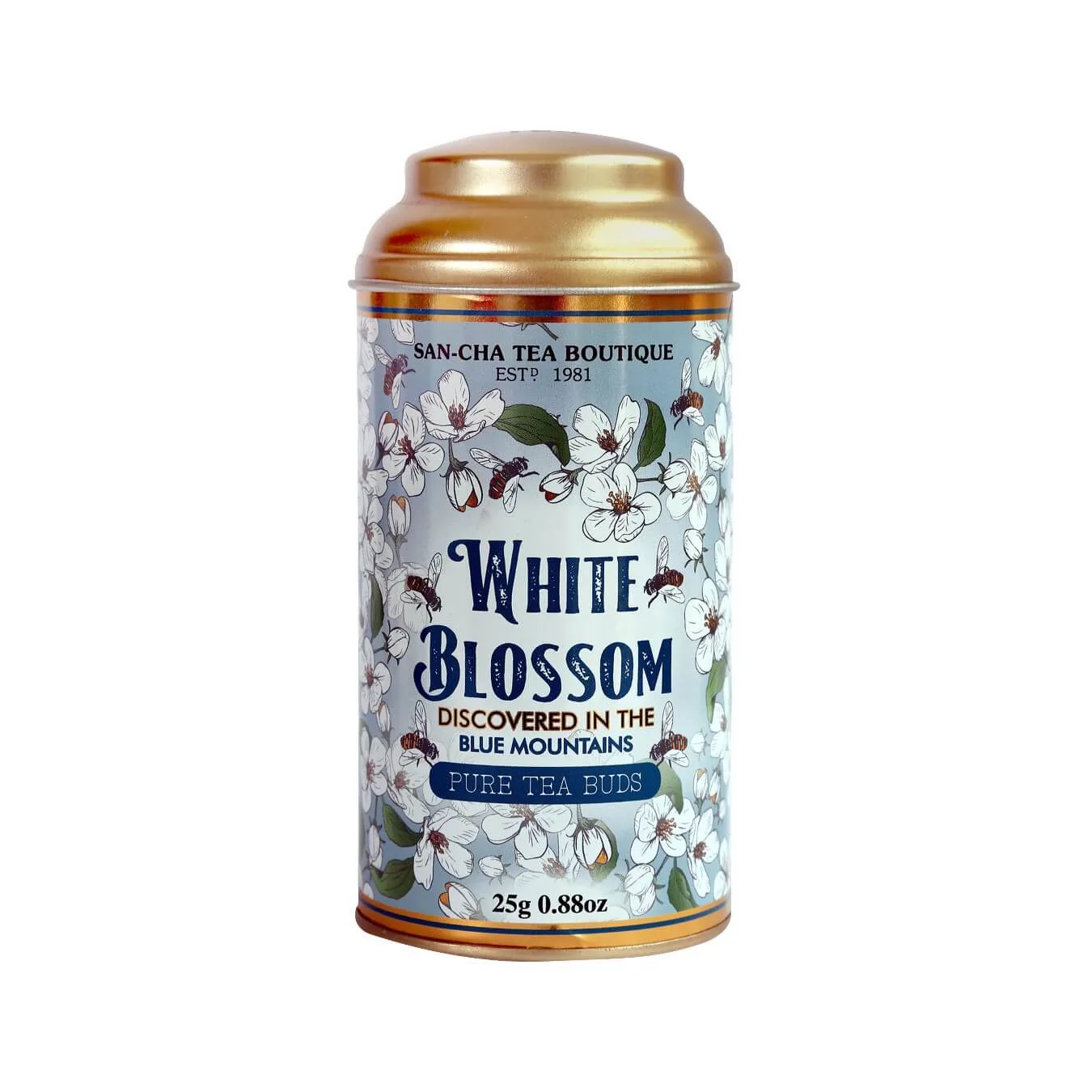
A clean infuser also protects the flavor of your tea. Old residue can impart bitter or stale notes to your next brew, masking the delicate nuances of high-quality leaves. For enthusiasts of premium teas, like the White Blossom Silver Needle from the Blue Mountains, a clean infuser is essential to appreciate its floral aroma fully.
- Rinse your infuser immediately after use to prevent tannin buildup.
- Dry your infuser completely before storing to avoid mold and mildew.
Step-by-Step Cleaning Methods
Start with the simplest method: after each use, remove the spent leaves and rinse the infuser under warm running water. Use your fingers or a soft sponge to wipe away any loose particles. For mesh strainers, a gentle back-and-forth motion under the tap helps dislodge leaves stuck in the weave.
For a deeper clean, fill a bowl with warm water and add a tablespoon of baking soda or a splash of white vinegar. Submerge the infuser and let it soak for 15-20 minutes. This solution breaks down tannin stains without scratching surfaces. After soaking, use a soft-bristled brush (like a baby bottle brush) to scrub gently, then rinse thoroughly with clean water.
- Avoid abrasive cleaners or steel wool, which can scratch metal and damage mesh.
- If your infuser has silicone parts, ensure they are heat-safe before using boiling water.
Dealing with Stubborn Stains and Clogs
Sometimes, even with regular care, you may encounter stubborn tea stains that resist basic cleaning. For these, create a paste of baking soda and water, apply it to the stained areas, and let it sit for a few minutes before scrubbing gently. This mild abrasive is effective yet safe for most materials.
Clogged mesh is a common issue, especially with fine-leaf teas like Silver Needle or herbal blends with small particles. To unclog, soak the infuser in a solution of one part white vinegar to three parts warm water for 30 minutes. Then, use a soft toothbrush to gently brush the mesh in a circular motion. Rinse thoroughly to remove any vinegar residue.
- For deep-set stains, repeat the soaking process if needed, but avoid leaving metal infusers in vinegar for extended periods as it can corrode some metals.
- If your infuser has a detachable chain or handle, clean these separately to ensure all parts are thoroughly cleaned.
Step-by-Step Infuser Care Routine
- Rinse After Every Use: Immediately after brewing, discard the leaves and rinse the infuser under warm running water. This prevents tannins from drying and setting. Checkpoint: No visible leaf particles remain.
- Weekly Deep Soak: Once a week, soak your infuser in warm water with a tablespoon of baking soda or white vinegar for 15-20 minutes to dissolve hidden residue. Checkpoint: Water remains clear after soaking; no lingering odor.
- Gentle Brushing for Mesh: Use a soft-bristled brush to gently scrub the mesh, focusing on areas where leaves tend to get trapped. Avoid harsh scrubbing to prevent damage. Checkpoint: Mesh is free of clogs and water flows through easily.
- Dry Completely Before Storage: After cleaning, shake off excess water and let the infuser air-dry on a towel. Ensure it is completely dry before storing to prevent mold. Checkpoint: No moisture remains, especially in crevices.
Products That Complement Your Tea Ritual
- White Blossom | Silver Needle White Tea from the Blue Mountains: This rare Silver Needle white tea is crafted from the prized Sundaram tea bush, offering a delicately floral cup. To fully appreciate its delicate floral notes, a spotless infuser is key—residue from previous brews can mask the tea's subtle aroma.
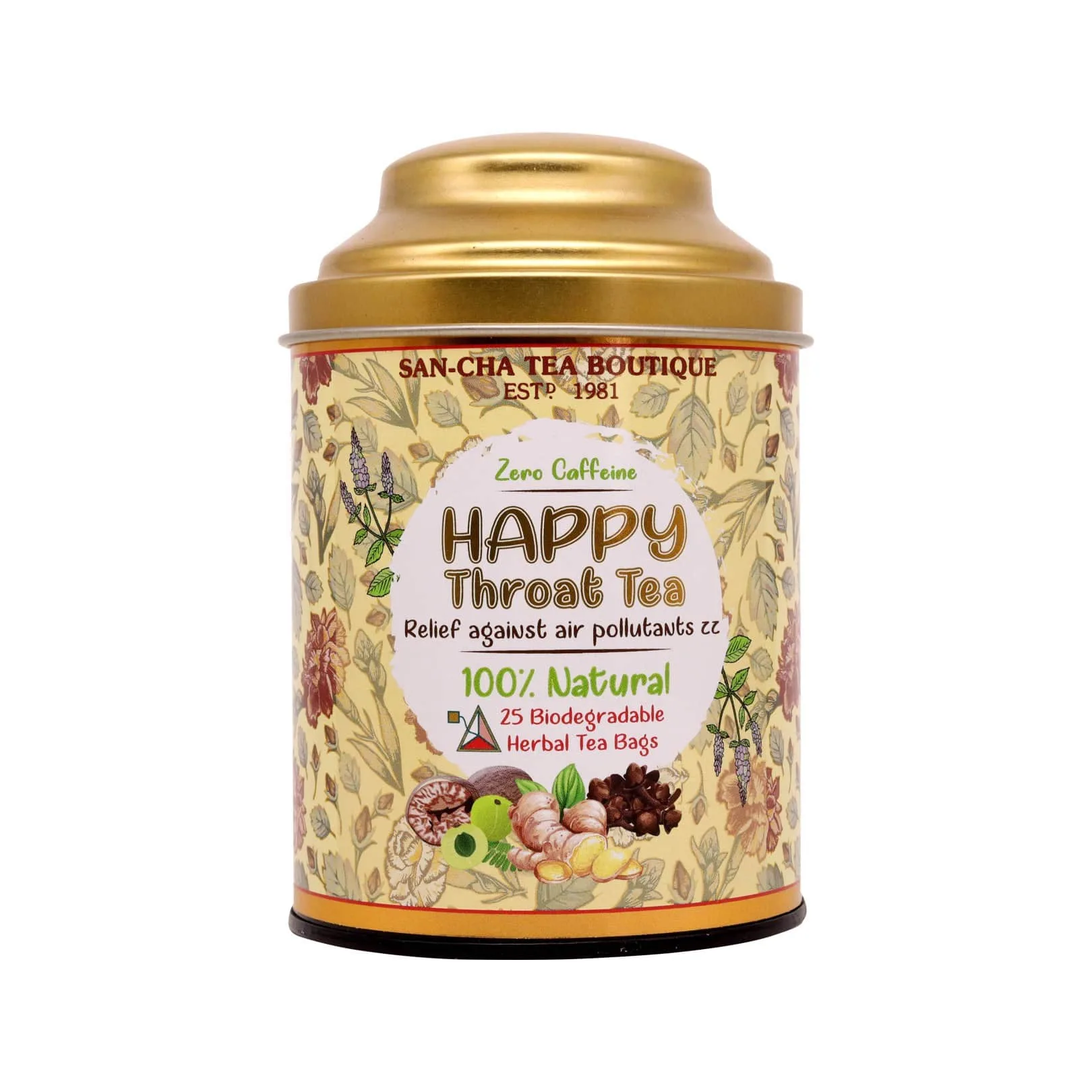
- Happy Throat Herbal Infusion | Natural Throat Comfort Blend: Happy Throat is a 100% caffeine-free infusion with eucalyptus and botanicals traditionally valued for throat comfort. Herbal blends with fine particles can clog mesh infusers; proper cleaning ensures smooth steeping and even extraction.
By incorporating these simple habits into your tea routine, you'll keep your infuser in top condition for years. A well-maintained infuser not only enhances the taste of your favorite teas but also makes each brewing session a pleasure. Remember, a little care goes a long way in preserving the quality of your tea experience.