A tea strainer is an essential tool for any tea lover, ensuring a smooth, leaf-free cup every time. But after repeated use, it can become clogged with fine tea leaves and stained with tannins, affecting both its performance and appearance. Proper cleaning and maintenance not only keep your strainer looking like new but also ensure hygienic brewing. In this guide, we'll walk you through effective methods to clean tea strainers, remove stubborn tea stains, and maintain your infuser for years of perfect cups.
Whether you use a fine mesh strainer, a basket infuser, or a classic spoon-style strainer, the care principles are similar. We'll cover daily rinsing, deep cleaning techniques, and preventive tips to minimize staining. By the end, you'll know exactly how to keep your tea strainer in top condition, so you can enjoy every sip without worry.
Why Regular Cleaning Matters
Tea leaves contain tannins and natural oils that can build up on the mesh of your strainer over time. This residue not only looks unappealing but can also impart a bitter taste to your next brew. Moreover, a clogged strainer slows down pouring and may allow fine particles to escape into your cup. Regular cleaning prevents these issues and extends the life of your tool.
Hygiene is another critical factor. Damp, leftover tea leaves can harbor bacteria and mold, especially if the strainer is stored without drying. A quick rinse after each use and a more thorough cleaning weekly will keep your strainer safe and ready for action.
- Rinse your strainer immediately after use to prevent tea residue from drying and hardening.
- Allow it to air dry completely before storing to avoid moisture buildup.
Step-by-Step Cleaning Methods
For everyday cleaning, simply hold the strainer under warm running water and use your fingers or a soft brush to gently dislodge tea leaves. For a deeper clean, fill a bowl with warm water and a few drops of mild dish soap, then soak the strainer for 10-15 minutes. After soaking, use a soft-bristled brush (like a baby bottle brush) to scrub the mesh gently, paying attention to corners and crevices.
If your strainer has stubborn stains, create a paste of baking soda and water, apply it to the mesh, and let it sit for a few minutes before scrubbing. For stainless steel strainers, you can also use a solution of equal parts white vinegar and water to dissolve mineral deposits and tannin stains. Rinse thoroughly after any cleaning method to ensure no soap or cleaning agent remains.
- Use a soft toothbrush to reach fine mesh without damaging it.
- Avoid abrasive cleaners or steel wool, as they can scratch the surface and create tiny crevices for bacteria.
Dealing with Stubborn Tea Stains
Tea stains are notoriously stubborn, but they aren't permanent. One effective method is to soak the strainer in a solution of one part white vinegar to three parts warm water for 30 minutes. The acidity helps break down tannin deposits. After soaking, scrub gently with a soft brush and rinse well.
Another powerful stain remover is lemon juice. Sprinkle coarse salt on the strainer, then rub with a lemon half. The combination of citric acid and abrasive salt lifts stains without scratching. For plastic or silicone parts, avoid prolonged soaking in vinegar, as it may degrade the material; instead, use a baking soda paste.
- For a quick fix, use a denture tablet dissolved in water to soak the strainer and remove stains.
- Always rinse thoroughly after using any acidic solution to prevent a lingering taste.
Caring for Different Types of Tea Strainers
Tea strainers come in various materials, each requiring specific care. Stainless steel strainers are durable and dishwasher-safe, but hand washing is gentler. Mesh strainers with fine holes need careful brushing to avoid bending the wires. Silicone or plastic parts should be kept away from high heat and harsh chemicals.
If you use a basket infuser or a spoon-style strainer like the Pointed spoon with hole »Woody«, pay extra attention to the handle and any hinges. These areas can trap tea particles. Use a cotton swab dipped in soapy water to clean tight spots. For wooden handles, avoid soaking in water; wipe with a damp cloth and dry immediately.
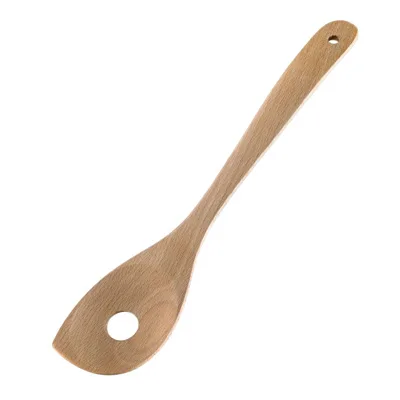
Pointed spoon with hole »Woody«
- Check the mesh regularly for any tears or widening holes that could let tea leaves through.
- For infusers with springs or clips, ensure they are fully dry before storing to prevent rust.
Preventive Maintenance Tips
Prevention is always better than cure. To minimize staining, avoid letting tea sit in the strainer for extended periods. After brewing, remove the strainer and rinse it immediately. If you brew tea daily, consider having two strainers so you can alternate and allow each to dry completely.
Store your strainer in a dry, well-ventilated place. Hanging it on a hook or placing it in a utensil holder with good airflow prevents moisture buildup. For extra protection, you can apply a thin layer of food-grade mineral oil to wooden handles to keep them from cracking.
- Use a dedicated brush for cleaning your strainer to avoid cross-contamination with other kitchen tools.
- Periodically deep-clean your strainer with a vinegar soak, even if it looks clean, to remove invisible buildup.
With these simple yet effective cleaning and maintenance techniques, your tea strainer will stay pristine and functional for many cups of tea. Remember, a clean strainer not only enhances the flavor of your brew but also ensures a hygienic tea experience. For a reliable and easy-to-clean option, consider the Pointed spoon with hole »Woody«, which is designed with convenience in mind. Explore our collection to find the perfect tea accessory for your daily ritual.