Quick Answer
To clean a weighted lap pad, check the label for washing instructions—most can be spot-cleaned or machine-washed on a gentle cycle. For fidget toys, use warm soapy water or a mild disinfectant wipe, avoiding harsh chemicals that may damage materials. Always air-dry thoroughly to prevent mold and maintain the toy's integrity.
Weighted lap pads and fidget toys are essential tools for many children with autism, providing calming sensory input and focus support. But with daily use, they can collect dust, germs, and grime, which is why proper cleaning is crucial—not just for hygiene, but to keep them working effectively.
In this guide, we'll walk you through the best practices for cleaning and caring for these sensory items. You'll learn how to handle different materials, avoid common mistakes, and extend the life of your favorite tools, so they stay fresh and functional for your child.
Understanding Your Sensory Tools: Materials and Care Basics
Before you start cleaning, it's important to know what your weighted lap pad and fidget toys are made of. Weighted lap pads often contain plastic beads or glass beads, and the outer cover may be cotton, polyester, or a blend. Fidget toys come in silicone, plastic, rubber, or fabric—each requiring different care.
Always check the manufacturer's instructions first. Some covers are removable and machine-washable, while others need spot-cleaning only. For fidget toys, silicone and plastic can usually handle warm water and mild soap, but fabric ones may need gentler treatment. Knowing these basics prevents accidental damage and ensures your tools last longer.
- Look for care labels or tags on weighted lap pads—they often provide specific washing guidelines.
- For fidget toys, test a small, inconspicuous area with your cleaning solution before applying it broadly.
Step-by-Step Cleaning for Weighted Lap Pads
Start by removing any removable cover and washing it separately according to the label. If the pad is not removable, spot-clean with a damp cloth and a mild detergent. Avoid soaking the inner weighted pouch, as moisture can cause beads to clump or fabric to weaken.
For machine-washable pads, use a gentle cycle with cold water and a small amount of detergent. Skip fabric softeners and bleach, which can break down fibers and affect the pad's weight distribution. After washing, air-dry the pad completely—do not put it in the dryer, as heat can damage the filling or cause shrinkage.
One common mistake is washing too frequently, which can wear out the fabric. Instead, spot-clean regularly and do a deeper wash only when visibly dirty or after illness. This keeps the pad fresh without unnecessary wear.
- Air-dry weighted lap pads flat to maintain even weight distribution.
- Use a lint roller or vacuum with a brush attachment to remove pet hair and dust between washes.
Sanitizing Fidget Toys: Safe and Effective Methods
Fidget toys are handled constantly, so they need regular sanitizing to prevent germ buildup. For hard plastic or silicone toys, wash with warm water and mild dish soap, then rinse thoroughly. You can also use a disinfectant wipe or a cloth dampened with a 70% isopropyl alcohol solution, but avoid soaking toys in alcohol, which can degrade rubber or silicone over time.
For toys with batteries or electronic components, like light-up fidgets, never submerge them in water. Instead, wipe the surface with a slightly damp cloth and a gentle cleaner, being careful around openings. Always dry immediately to prevent moisture damage.
A common mistake is using harsh chemicals like bleach or ammonia, which can leave residues that are harmful if your child puts the toy in their mouth. Stick to mild, food-safe cleaners whenever possible, and rinse toys thoroughly after cleaning.
- For porous or fabric fidget toys, consider using a UV sanitizer or placing them in a sealed bag with baking soda to absorb odors.
- Check for any cracks or damage during cleaning—replace toys that are broken to avoid safety hazards.
Caring for Specific Sensory Items: From Ladybugs to Coasters
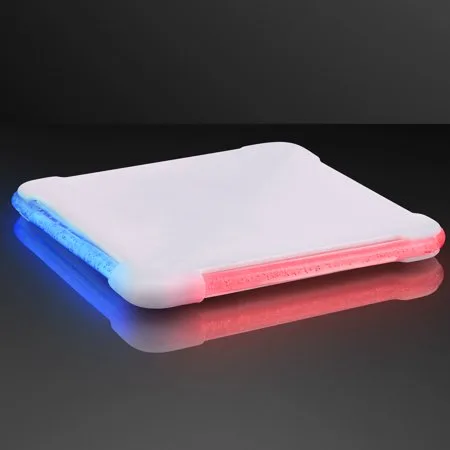
Different sensory tools have unique care needs. For example, wind-up toys like the Wind-Up Flip & Spin Ladybug have small mechanical parts that can be damaged by water. Instead, wipe them with a dry or slightly damp cloth and avoid submerging them. Similarly, light-up coasters should only be wiped with a damp cloth, never washed under running water.
For textured stacking toys like Tobbles Neo, a simple rinse with warm water and mild soap works well, but be sure to dry them thoroughly to prevent mold in the grippable texture. Always follow any specific instructions provided by the manufacturer to ensure you don't void warranties or damage the toy.
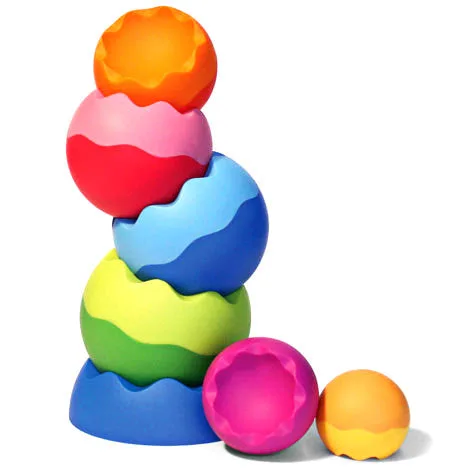
Tobbles Neo
- Keep a small cleaning kit (soft cloth, mild soap, and a brush) handy to make regular cleaning easier.
- When in doubt, opt for the gentlest cleaning method—it's better to clean less aggressively than to risk damage.
Establishing a Cleaning Routine That Works
Consistency is key to maintaining hygiene and durability. Create a simple schedule: wipe down fidget toys after each use, spot-clean weighted lap pads weekly, and do a deep clean monthly. Involve your child in the routine—it can become a calming, predictable activity that reinforces responsibility.
Store sensory tools in a clean, dry place away from direct sunlight, which can fade colors and weaken materials. Use a dedicated bin or bag to keep them organized and prevent dust accumulation. Regular care not only extends the life of your items but also ensures they remain safe and pleasant to use.
- Set a reminder on your phone or use a visual schedule to keep cleaning on track.
- Replace any items that show signs of wear, such as frayed fabric or cracked plastic, to maintain safety.
5-Step Cleaning and Care Checklist
- Check Care Labels and Instructions: Read the manufacturer's guidelines for each item to determine if it's machine-washable, spot-clean only, or requires special handling. This prevents accidental damage from improper cleaning methods.
- Spot-Clean Regularly: Use a damp cloth with mild soap to wipe down surfaces, especially after heavy use or when visible dirt appears. Frequent spot-cleaning reduces the need for deep washes, preserving materials.
- Sanitize Fidget Toys Properly: For hard plastic or silicone toys, wash with warm soapy water or use a mild disinfectant wipe. Avoid harsh chemicals and submersion for electronic toys. This keeps germs at bay without damaging the toy's functionality.
- Air-Dry Thoroughly: After washing, let weighted lap pads and toys air-dry completely in a well-ventilated area. Avoid direct heat and dryers. Proper drying prevents mold and maintains the integrity of the filling and materials.
- Store in a Clean, Dry Place: Keep sensory tools in a dedicated container or bag, away from sunlight and moisture. Good storage extends the life of your items and keeps them ready for use.
Products to Support Your Sensory Care Routine
- Wind-Up Flip & Spin Ladybug: These wind-up flipping ladybugs provide a great source of fun for children. They practice their fine motor skills as they wind-up the toy and then watch as the ladybug spins and flips over - providing sensory stimulation. Because this toy has mechanical parts, it's best to clean it with a dry or slightly damp cloth rather than submerging it in water, keeping it functional and safe for play.
- Square Light-Up Coaster: This coaster lights up and changes color when you place a drink on it! It's a nice, simple addition to sensory spaces. The coaster is made of plastic, so hot drinks are not recommended. For items like this coaster, avoid water immersion and instead wipe with a damp cloth to protect the electronic components and ensure it continues to provide visual sensory input.
With these simple steps, you can keep your weighted lap pads and fidget toys clean, hygienic, and long-lasting. Regular care not only protects your investment but also ensures your child continues to benefit from these valuable sensory tools. Remember, a little maintenance goes a long way in creating a safe and enjoyable sensory experience.