Quick answer
To keep your wooden soap dish clean and mold-free, rinse it after each use, let it dry fully between soaps, and give it a gentle scrub with a mild cleaner every week. Avoid soaking the wood or leaving it in standing water.
Why wood needs special care
Wood is naturally porous, which means it absorbs moisture from your wet soap bar. Without proper care, that trapped moisture can lead to cracking, warping, or mold growth. The good news is that with a few simple habits, your wooden soap dish can stay beautiful and functional for years.
What you’ll need
A soft cloth or sponge, mild dish soap, white vinegar (optional for deep cleaning), and food-safe mineral oil or beeswax for conditioning. Avoid harsh chemicals or abrasive scrubbers that can damage the wood finish.
Step-by-step care routine
- Rinse after every use: After you place your soap bar back on the dish, give the dish a quick rinse under warm water to wash away soapy residue. Pat dry with a cloth. Common mistake: leaving soapy water on the dish overnight encourages mildew.
- Weekly deep clean: Once a week, scrub the dish with a soft brush and a few drops of mild dish soap mixed with water. For stubborn spots, use a 1:1 water and white vinegar solution. Rinse thoroughly. Checkpoint: if you see dark spots, they may be early mold — treat immediately with vinegar.
- Dry completely between uses: After cleaning, set the dish on its edge or a drying rack so air circulates around all surfaces. Never store it flat on a counter while still damp. A fully dry dish is the single best defense against mold and cracking.
- Condition the wood monthly: Apply a thin layer of food-safe mineral oil or beeswax with a soft cloth. Let it soak in for a few hours, then buff off any excess. This seals the wood and prevents moisture absorption. Skipping this step can cause the wood to dry out and crack over time.
Product that helps
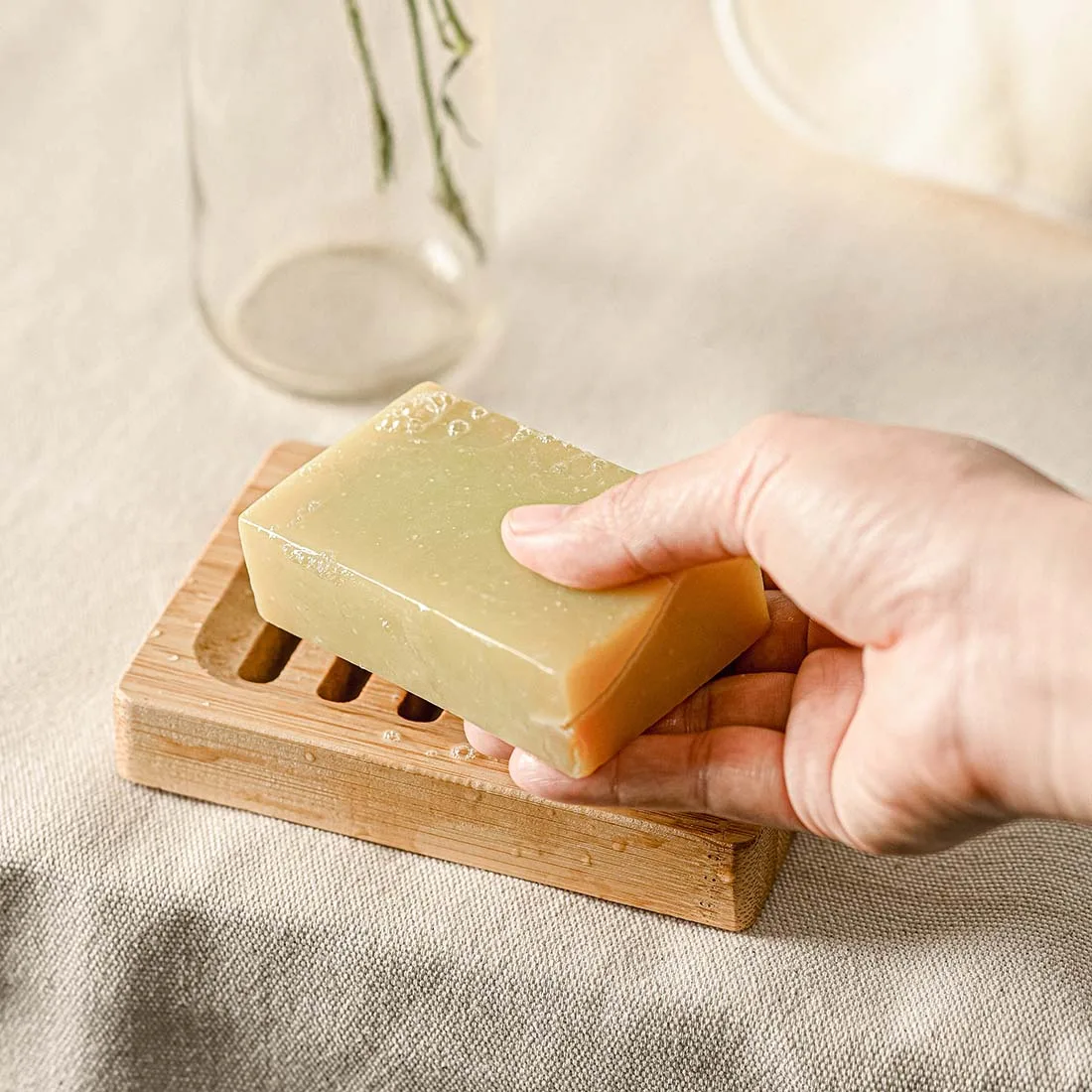
- Wooden Soap Dish | Eco Bathroom Soap Dishes: Jungle Culture’s wooden soap dishes are made from 100% sustainable and eco-friendly wood, carved with horizontal drainage holes to help soap dry quickly and prolong its lifespan. The drainage holes reduce moisture contact with the wood, making the dish easier to keep clean and less prone to mold compared to solid-bottom dishes.