Quick Answer
To clean and disinfect toys safely, start by sorting them by material, then use gentle soap and water for most toys, and a diluted bleach solution for hard, non-porous items. Always rinse thoroughly and air dry. For wooden toys like HABA's, avoid soaking and use a damp cloth instead.
Keeping toys clean is essential for your child's health, but not all toys can be cleaned the same way. Wooden blocks, plush animals, and plastic playsets each require different care to avoid damage while still removing germs. This guide walks you through safe toy cleaning methods that protect both your child and their beloved playthings.
Whether you're dealing with everyday dirt or need to disinfect after an illness, these steps will help you maintain a hygienic play environment without compromising toy quality. We'll cover everything from quick daily wipes to deep cleaning routines.
Understanding Toy Materials
Before you start cleaning, identify what your toys are made of. Wooden toys, like those from HABA, are porous and can warp or crack if soaked in water. Plastic toys are generally more durable and can withstand more rigorous cleaning, but some may have electronic components that need special care. Fabric toys, such as plush animals and puppets, often require gentle washing or spot cleaning.
Check the manufacturer's labels or instructions when available. For wooden toys without labels, a good rule of thumb is to use a slightly damp cloth with mild soap, then dry immediately. For plastic toys, you can use a disinfectant wipe or a solution of water and mild dish soap. Always test a small area first to ensure the cleaner doesn't damage the finish.
- Sort toys by material before cleaning to avoid damage.
- For mixed-material toys, focus on the most delicate part.
Safe Cleaning Solutions
You don't need harsh chemicals to disinfect toys effectively. A simple solution of warm water and mild dish soap works for everyday cleaning. For deeper disinfection, a mixture of one tablespoon of bleach per gallon of water is effective against most germs, but it should only be used on non-porous surfaces and rinsed thoroughly.
Vinegar and water is a natural alternative that is safe for many toys, but it may not kill all viruses. For baby toys that end up in mouths, consider using a food-safe sanitizer or boiling water for items that can withstand heat. Always rinse toys well after any cleaning to remove soap residue.
- Avoid using alcohol-based cleaners on wooden toys as they can strip the finish.
- For electronic toys, use a cloth slightly dampened with soapy water, avoiding openings.
Daily vs. Deep Cleaning
Daily cleaning is simple: wipe down frequently touched toys with a damp cloth or disinfectant wipe. Focus on toys that are shared or used during illness. Deep cleaning should happen weekly or after a child has been sick. This involves washing all toys thoroughly, paying extra attention to crevices where germs can hide.
For toys that can't be submerged, like wooden blocks, use a cloth dampened with soapy water and wipe each piece individually. Allow them to air dry completely before returning them to the toy bin. For plush toys, check if they are machine washable; if not, spot clean with a gentle cleaner.
- Set a routine: quick daily wipes and a deeper clean on weekends.
- Rotate toys to make cleaning easier and keep playtime fresh.
Step-by-Step Safe Toy Cleaning
- Sort and Prepare: Gather all toys and sort them by material: wood, plastic, fabric, and electronic. Remove batteries from electronic toys. Have your cleaning supplies ready: mild soap, water, cloths, and a disinfectant solution if needed. Checkpoint: Ensure you have separate cloths for different material types to avoid cross-contamination.
- Clean Wooden Toys: Dip a cloth in a solution of mild soap and water, wring it out well so it's just damp. Wipe each wooden toy, paying attention to crevices. Avoid soaking or submerging wooden toys. Dry immediately with a clean towel. Mistake to avoid: Never let wooden toys air dry slowly; they can absorb moisture and warp.
- Disinfect Plastic Toys: For hard plastic toys, wash in warm soapy water, then rinse. To disinfect, use a solution of one tablespoon of bleach per gallon of water. Apply with a cloth, let sit for two minutes, then rinse thoroughly and air dry. Checkpoint: Ensure all bleach is rinsed off to avoid residue that could be harmful if ingested.
- Clean Fabric and Plush Toys: Check if the toy is machine washable. If yes, place it in a pillowcase and wash on a gentle cycle with mild detergent. If not, spot clean with a cloth dipped in soapy water. For puppets, pay extra attention to the inside of the mouth area. Mistake to avoid: Do not put plush toys in the dryer unless the label says it's safe; high heat can damage fibers.
- Final Rinse and Dry: After cleaning, ensure all soap or disinfectant is rinsed off. For wooden toys, wipe with a dry cloth. For plastic, rinse under running water if possible. Allow all toys to air dry completely before returning them to storage. Checkpoint: Make sure toys are completely dry to prevent mold and mildew growth.
HABA Toys and Cleaning Considerations
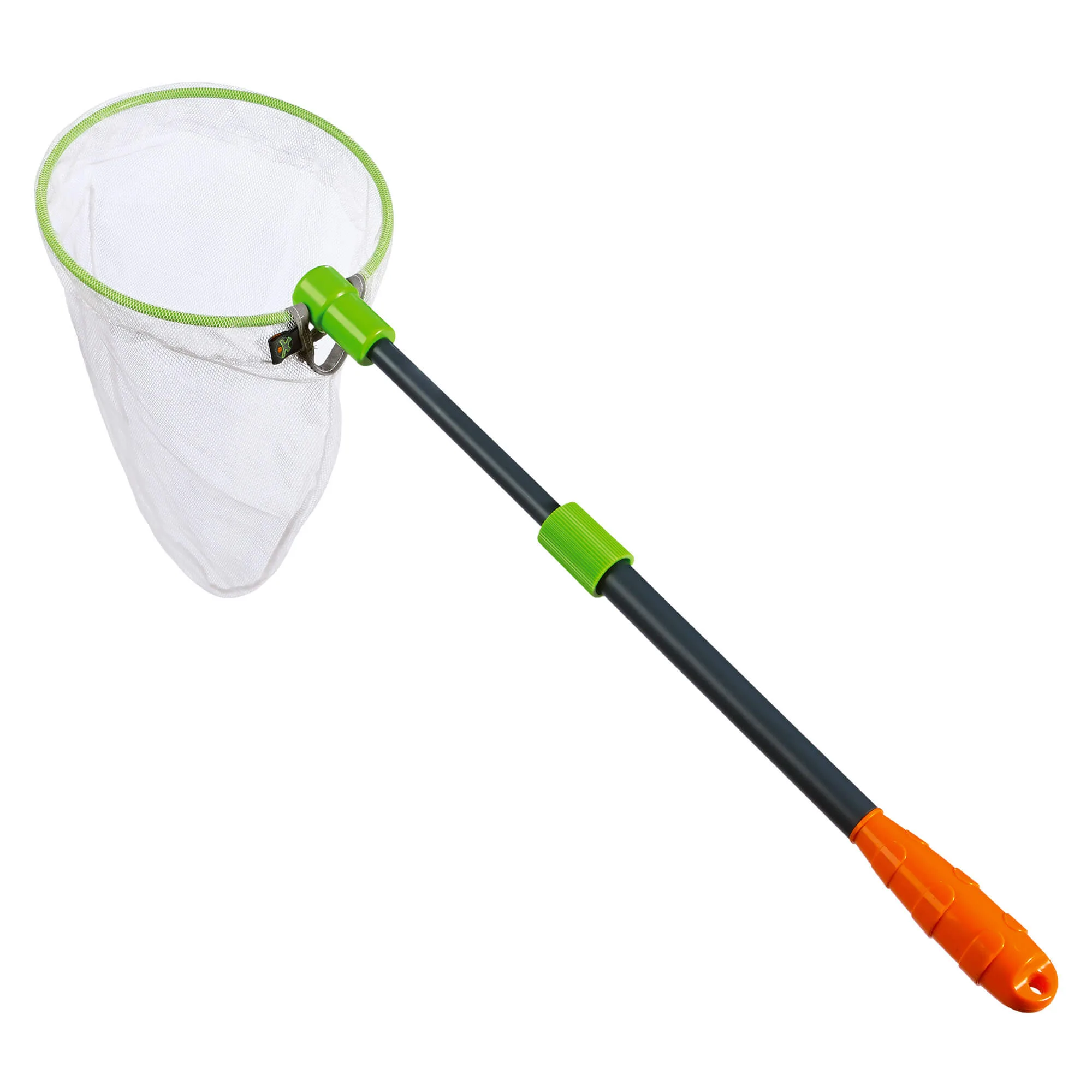
- Terra Kids - Scoop Net with Adjustable Handle: Encourage outdoor discovery and hands-on exploration with the Terra Kids Scoop Net! Whether investigating insects, scooping up small pond creatures, or collecting floating treasures, this net is the perfect companion for young nature lovers. With its telescopic handle and sturdy mesh design, kids can engage in screen-free, open-ended play while developing curiosity about the world around them. After outdoor adventures, the net may need cleaning. Rinse the mesh with water and mild soap, then air dry. Avoid harsh chemicals that could damage the netting.
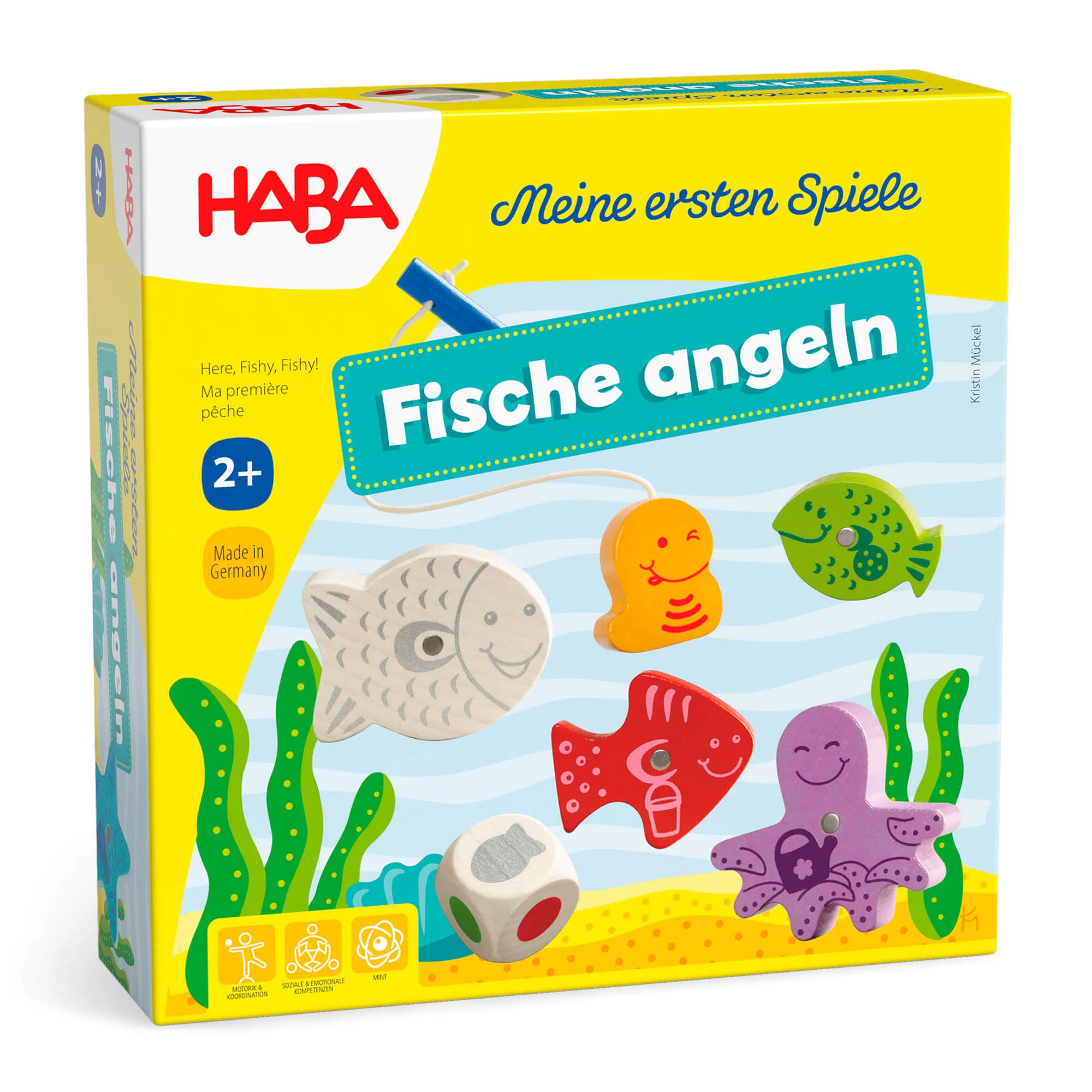
- My Very First Games - Here, Fishy, Fishy! - German Version: Time for the catch of the day- fun! HABA’s Very First Games: Here, Fishy, Fishy - German Version provides children with an off the hook introduction to fishing, while at the same time helping them to develop color recognition, dexterity, and patience. My Very First Games are also the perfect way to introduce young children to first game rules and how to apply them. As a game with small pieces, regular cleaning of the wooden pieces is important. Wipe them with a damp cloth and dry immediately to prevent warping.
Regular cleaning keeps toys safe and extends their life. By following these steps, you can maintain a hygienic play environment without compromising the quality of your child's favorite toys. Remember, when in doubt, a gentle approach is always best.