Keeping your baby's cups and straw training systems spotless is essential for their health and safety. With so many parts—lids, valves, straws, and handles—it's easy to miss a spot. But proper cleaning prevents mold, bacteria, and residue buildup, ensuring every sip is fresh and safe.
In this guide, we'll walk you through the best practices for cleaning and maintaining baby cups, from daily rinsing to deep cleaning and knowing when to replace parts. Whether you're a new parent or a seasoned pro, these tips will help you keep your little one's drinking gear in top condition.
Why Proper Cleaning Matters
Baby cups and straw training systems are used multiple times a day, making them a prime spot for bacteria and mold. Milk, juice, and even water can leave residues that harbor germs. If not cleaned properly, these can cause digestive issues or infections in your baby.
Moreover, straws and valves have tiny crevices where liquid can get trapped. Over time, this can lead to mold growth that's not always visible to the naked eye. Regular and thorough cleaning is not just about hygiene—it also extends the life of the products, saving you money in the long run.
- Always rinse cups immediately after use to prevent residue from drying.
- Disassemble all parts before cleaning to ensure no hidden spots are missed.
- Use dedicated bottle brushes and straw cleaners to reach every nook.
Daily Cleaning Routine for Baby Cups
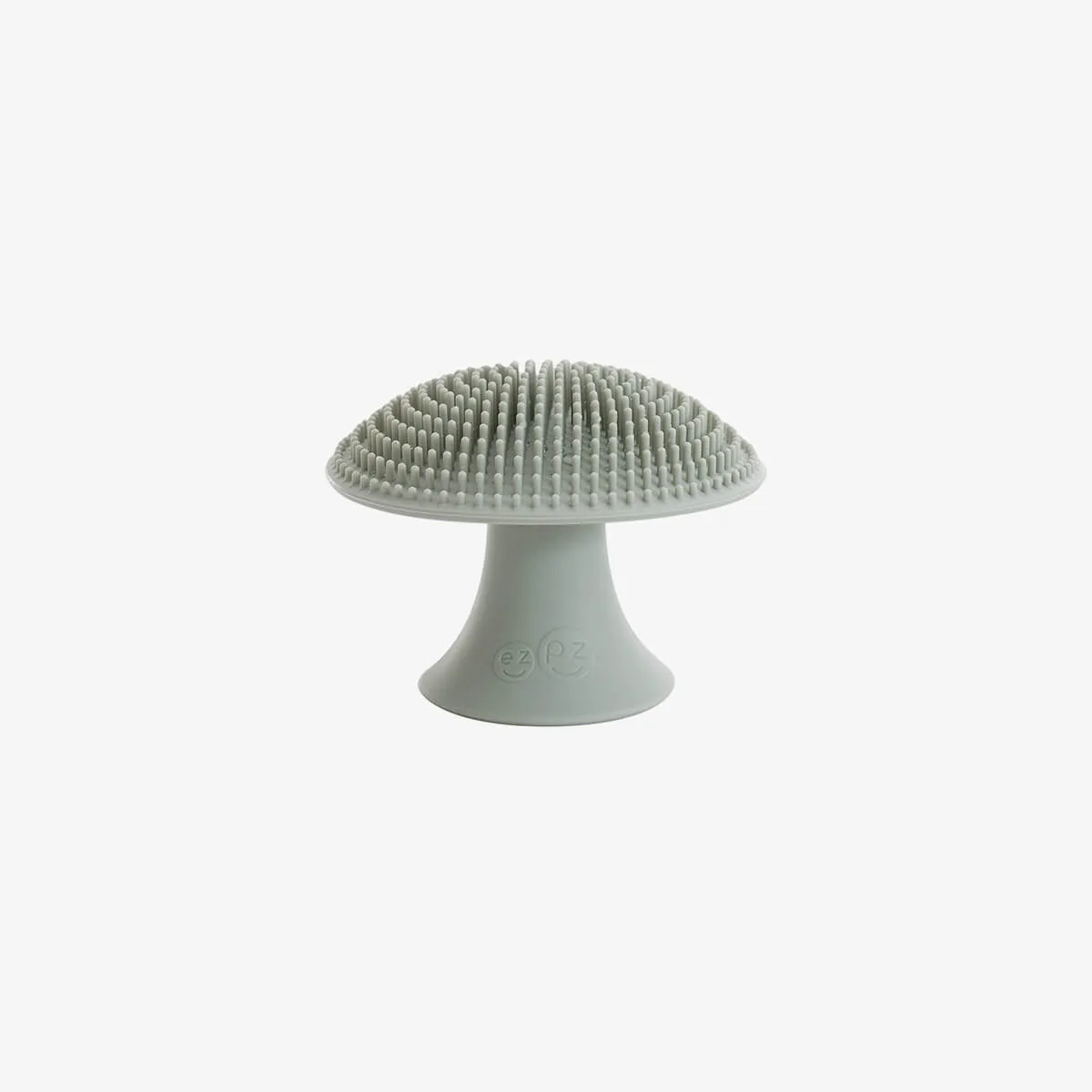
For everyday cleaning, start by disassembling the cup completely. Remove the lid, straw, valve, and any silicone rings. Rinse each part under warm running water to remove loose debris. Then, wash with a mild dish soap and a bottle brush, paying extra attention to the straw and valve.
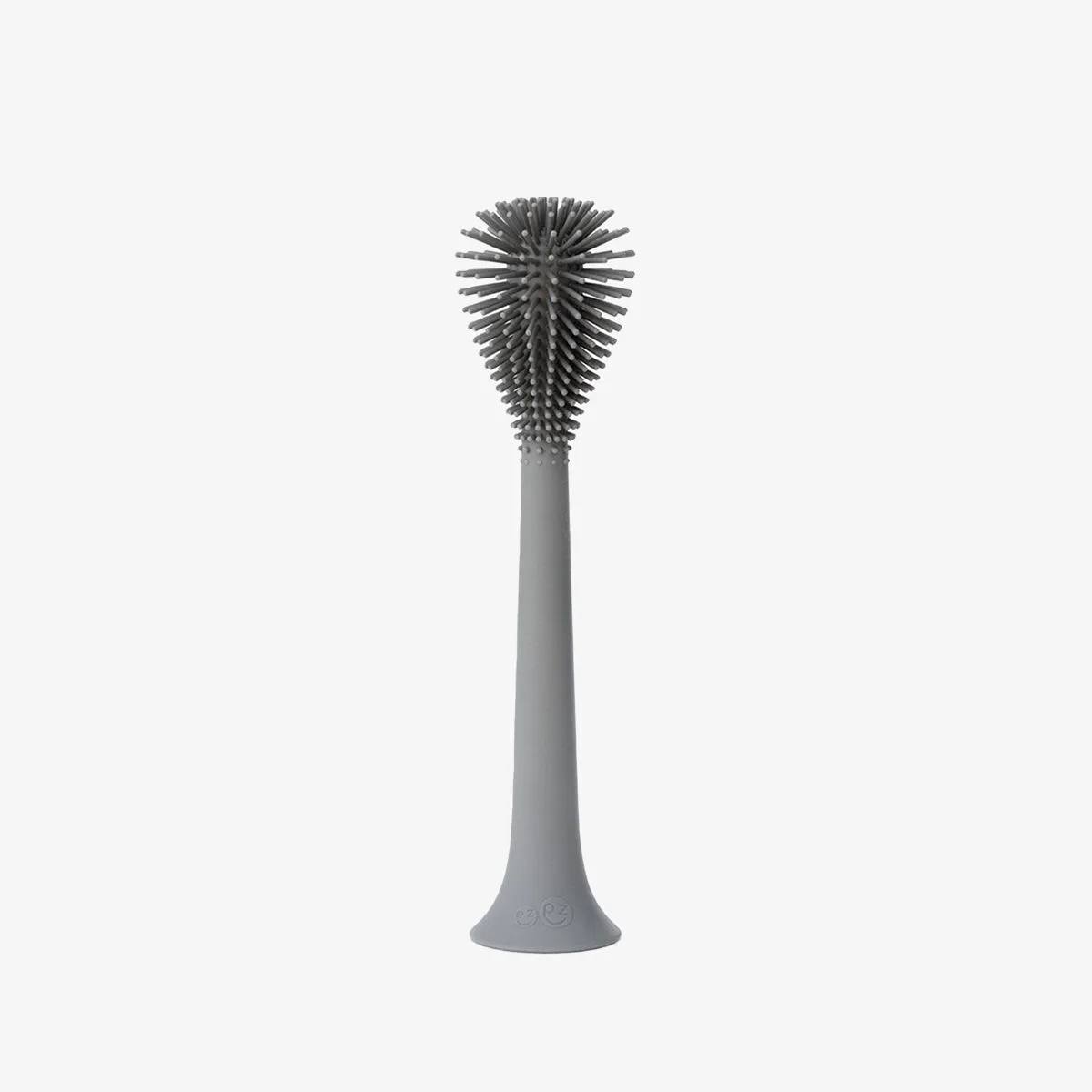
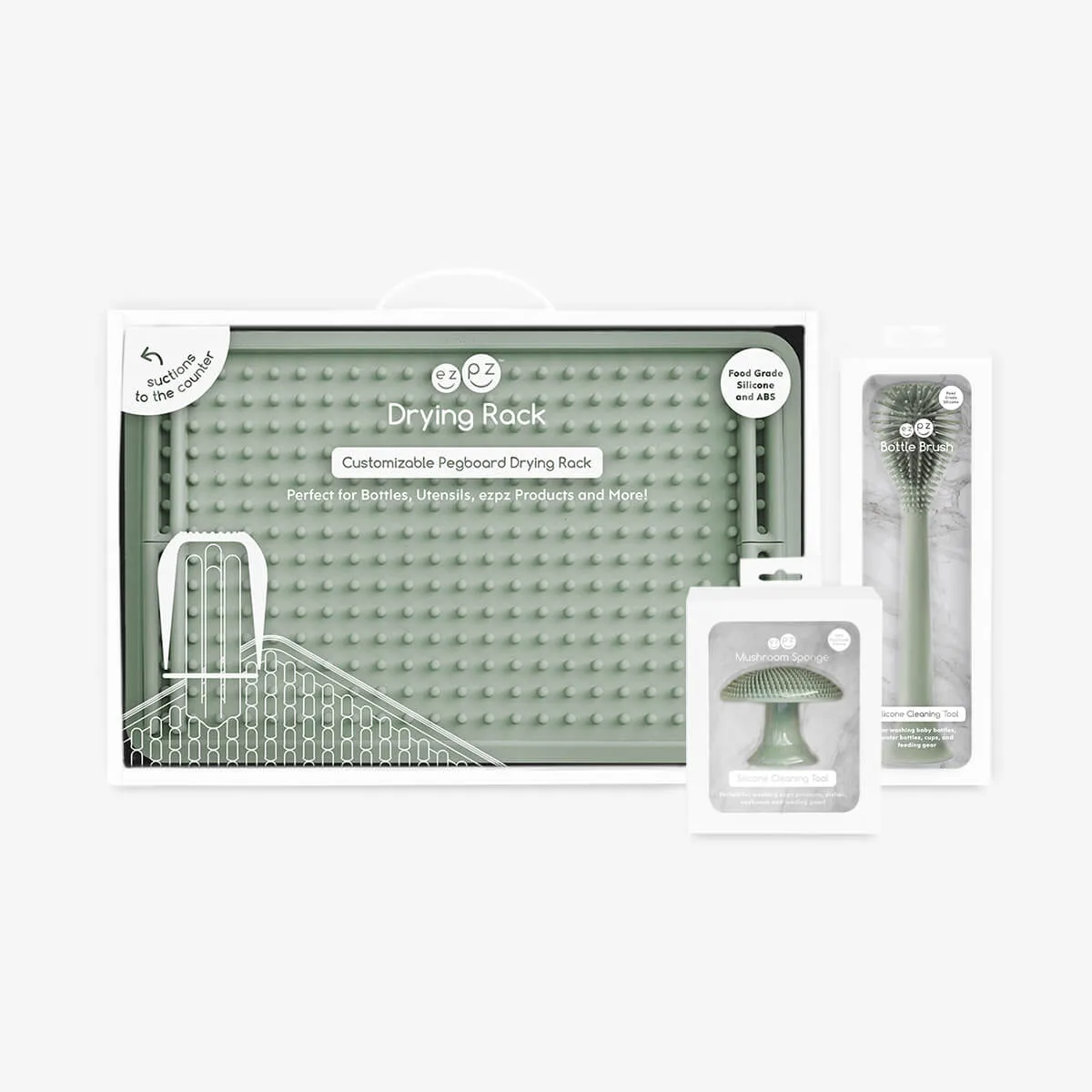
bottle brush
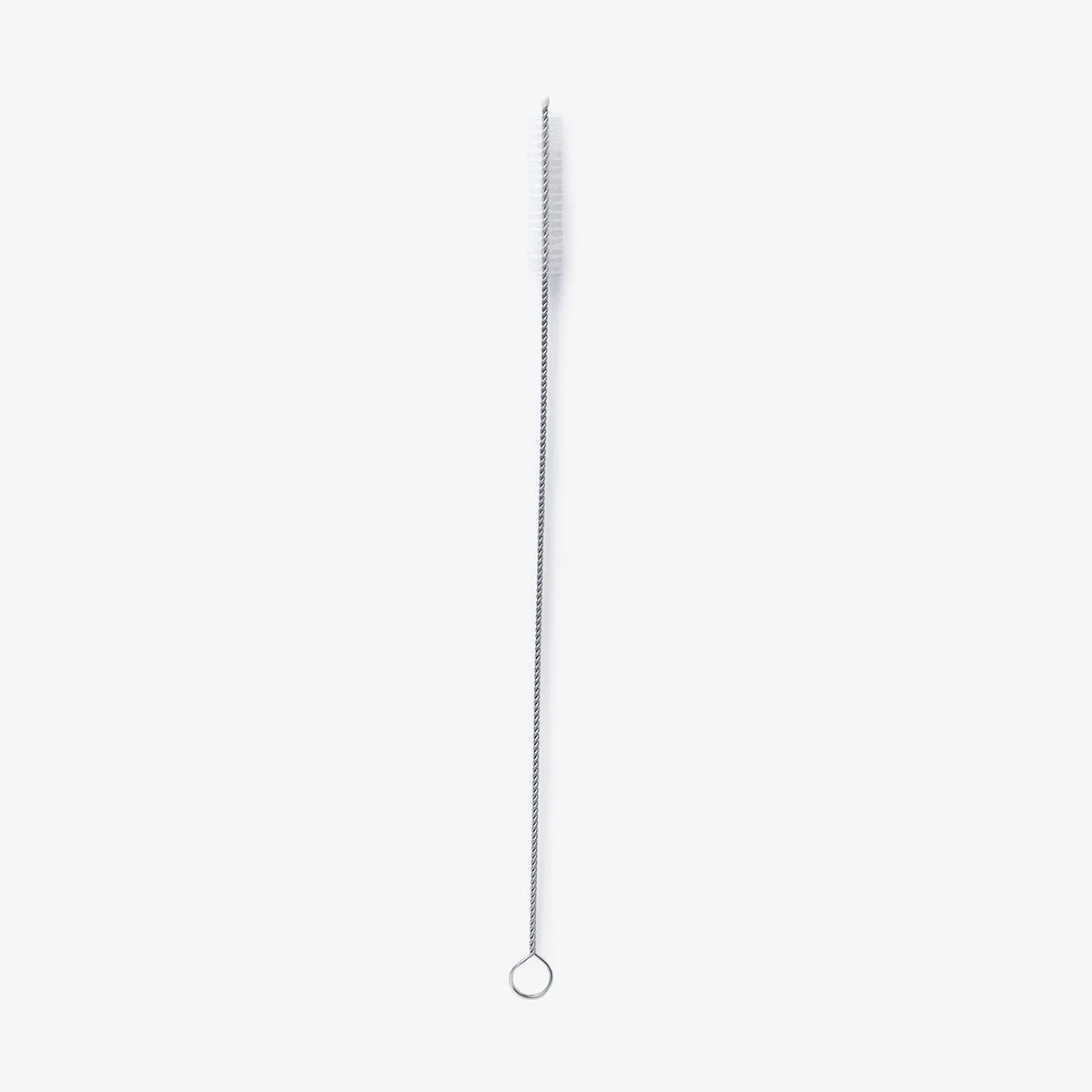
You can use a straw cleaning brush to scrub the inside of the straw thoroughly. For the lid and valve, a small brush or a cotton swab can help remove any buildup. After washing, rinse all parts again with clean water to ensure no soap residue remains.
Finally, air-dry all components on a drying rack. Avoid using dish towels that might carry bacteria. Make sure everything is completely dry before reassembling to prevent mold growth.
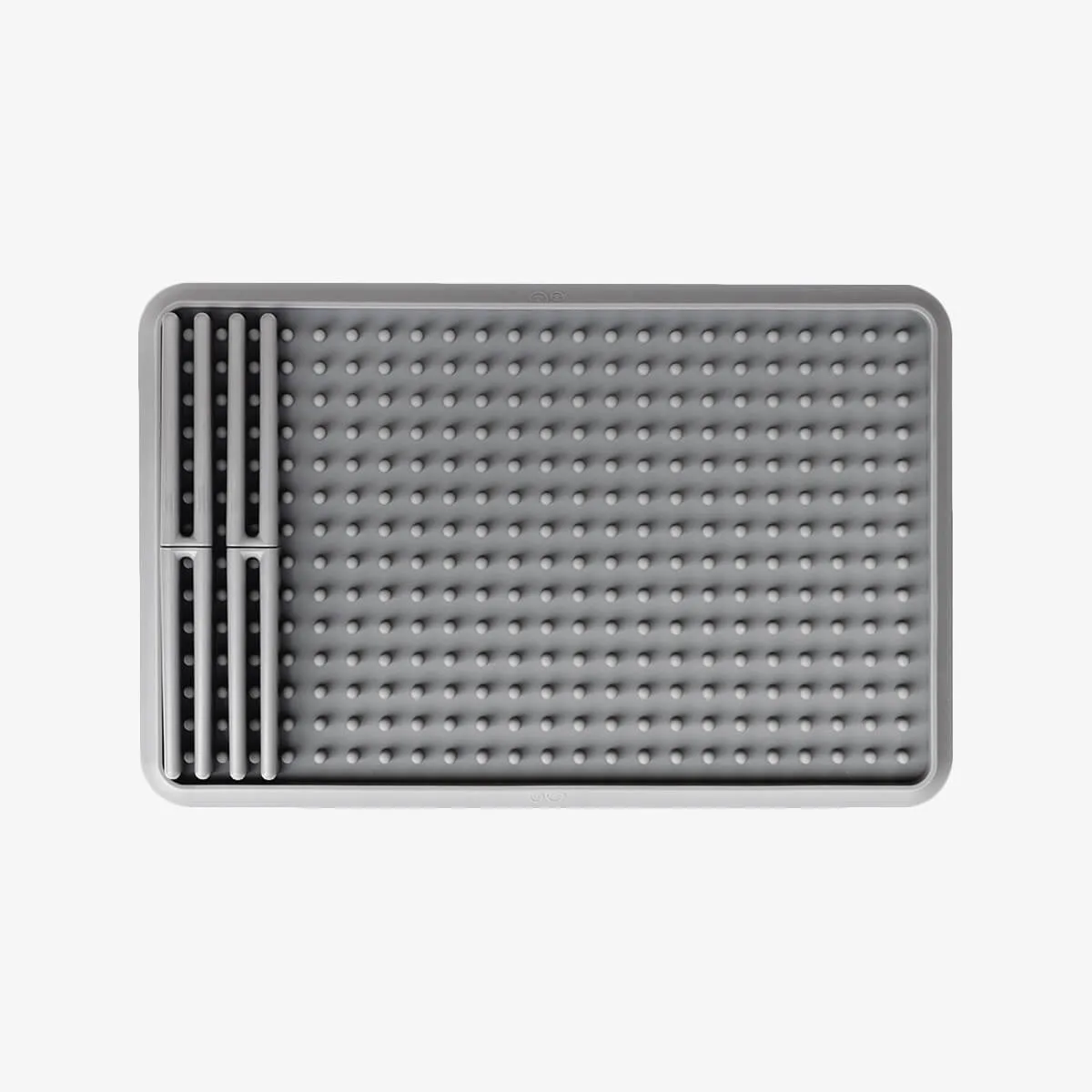
drying rack
- Wash cups in the top rack of the dishwasher if they are dishwasher-safe, but check the manufacturer's instructions.
- For quick cleanups, use a sterilizing solution or boiling water (if the product is heat-safe).
- Never leave milk or juice in the cup for more than an hour; rinse immediately.
Deep Cleaning and Sanitizing
Even with daily washing, you should deep clean your baby's cups and straw training systems at least once a week. This helps remove any stubborn residue and ensures thorough sanitization.
You can soak all parts in a mixture of warm water and a baby-safe sterilizing tablet or solution. Alternatively, boil the parts in water for 5 minutes (if they are heat-safe). For silicone parts, you can also use a steam sterilizer.
After deep cleaning, inspect each part for any signs of wear or mold. If you notice any discoloration or a musty smell, it's time to replace the part. Regular deep cleaning not only keeps your baby safe but also maintains the functionality of the cup.
- Use a vinegar and water solution (1:3) to remove mineral deposits from hard water.
- Avoid using abrasive scrubbers that can damage the surface and create hiding spots for bacteria.
- Check the manufacturer's guidelines for the recommended cleaning method.
Maintaining Straw Training Systems
Straw training systems often come with additional parts like weighted straws, which can be tricky to clean. The key is to ensure that the straw is completely dry before storing, as moisture is the primary cause of mold.
Use a thin, flexible brush to clean the inside of the straw. For weighted straws, you may need to remove the weight and clean it separately. Some straws are designed to be self-cleaning with a special valve, but they still need regular attention.
If your straw cup has a valve, make sure to clean it thoroughly. Valves can accumulate milk residue, affecting the flow. Soak them in warm soapy water and use a cotton swab to clean the small opening. Rinse well and let them dry completely.
- Replace straws every 2-3 months or at the first sign of wear.
- Always pull the straw out of the lid for cleaning—don't just rinse the outside.
- Consider having a spare straw on hand to rotate, ensuring one is always dry and ready.
When to Replace Parts
Regular use and cleaning can wear out components over time. It's important to know when to replace parts to maintain safety and performance. Look for cracks, tears, or discoloration in silicone parts, and check that valves still create a proper seal.
Straws should be replaced if they become cloudy, develop a bad smell, or show signs of mold that won't come off. Similarly, if the cup itself has scratches or dents, it's time to get a new one.
Many brands offer replacement parts, so you don't have to buy a whole new cup. This is both economical and environmentally friendly. Always refer to the product's instructions for the expected lifespan of each component.
- Check the valve's suction regularly; if it's too loose or too tight, replace it.
- Silicone parts may become sticky or lose their shape—replace if they do.
- Keep track of when you bought the cup and set a reminder to inspect it every few months.
Choosing High-Quality Cups for Easy Maintenance
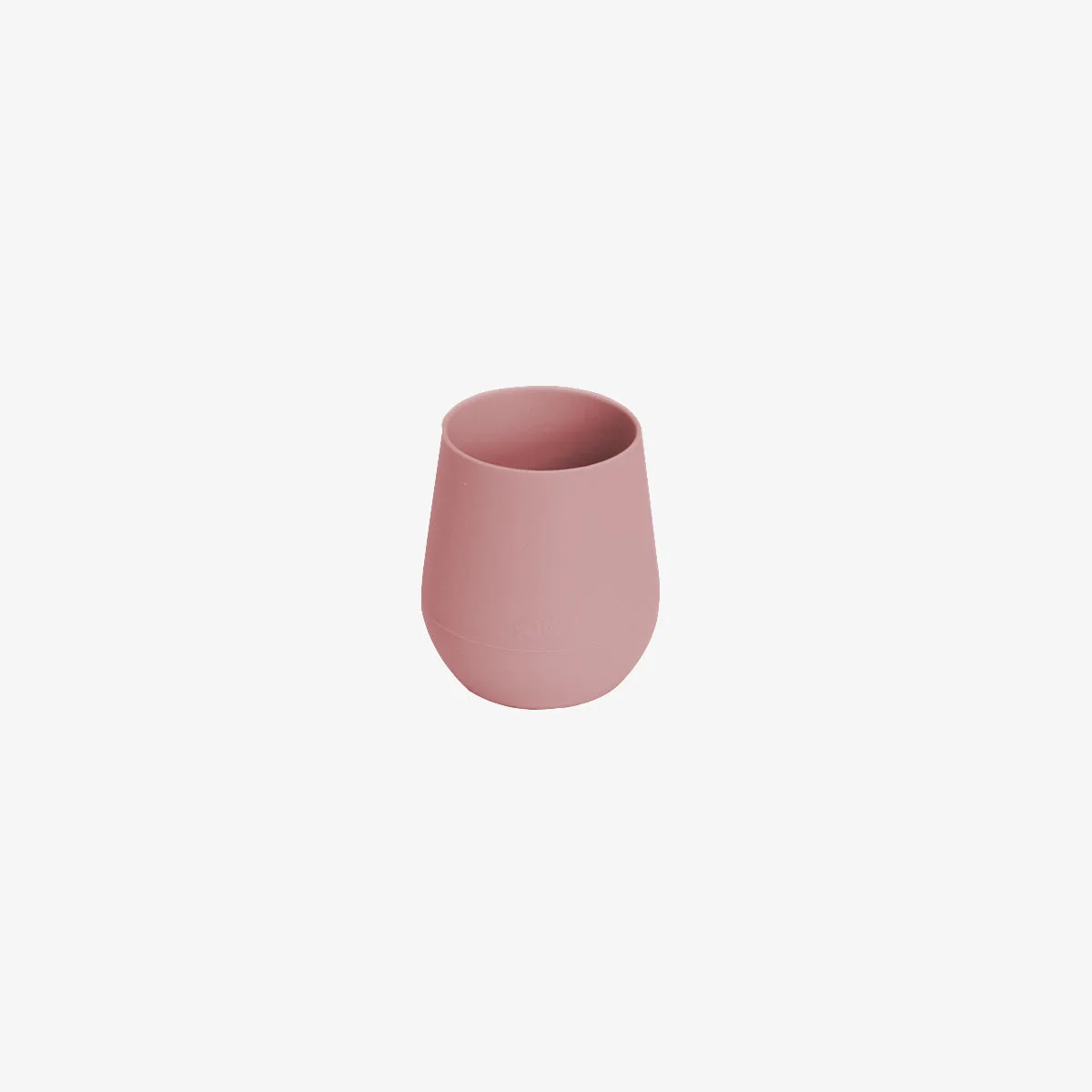
Investing in well-designed cups can make cleaning much easier. Look for cups with fewer parts, wide openings, and dishwasher-safe materials. Silicone cups are often flexible, making it easier to clean and remove residue.
Some cups come with self-cleaning features or are designed to be fully disassembled for thorough cleaning. The Mini Bowl is a great example of a product that's easy to clean, though it's for food. For cups, consider options that are BPA-free and have smooth surfaces.
When choosing a straw training system, look for one with a weighted straw that can be fully removed and cleaned. The https://ezpzfunez.com/products/kit-2-learn-to-eat-and-drink-5-pack-be7201a2dab4066c1c67062f-576973Kit 2 - Learn to Eat and Drink (5-Pack) includes cups that are designed with easy cleaning in mind, making your life simpler.
- Opt for cups with wide mouths to allow easy access for cleaning brushes.
- Check if the cup is top-rack dishwasher safe to save time.
- Avoid cups with intricate designs that can trap residue.
Proper cleaning and maintenance of your baby's cups and straw training systems are crucial for their health and the longevity of the products. By following these tips, you can ensure a safe and enjoyable drinking experience for your little one. For high-quality, easy-to-clean feeding products, explore our range, such as the Kit 2 - Learn to Eat and Drink (5-Pack), designed with both your baby's development and your convenience in mind.