Quick Answer
To clean board game cards and components, start with dry methods like a soft brush or microfiber cloth to remove dust and debris. For sticky spots, use a slightly damp cloth with mild soap, but avoid soaking. Always dry pieces completely and store them in a cool, dry place away from sunlight to prevent warping and fading.
Board games are an investment in fun, but over time, cards and components can show wear from handling, spills, and dust. Proper maintenance not only keeps your games looking great but also ensures they shuffle smoothly and function correctly. Whether you own a small card game or a hefty box full of tokens, a little routine care goes a long way.
In this guide, we'll walk you through safe, effective methods to clean and maintain your board game components. From quick dusting to tackling sticky residue, you'll learn how to keep your games in top condition without causing damage.
Why Regular Maintenance Matters
Regular cleaning prevents dirt and oils from building up on cards and components, which can lead to sticky decks, faded artwork, and even warping. Dust and grime can also accelerate wear on card edges, making them easier to identify from the back—a problem in games where hidden information is key.
By incorporating simple maintenance into your game night routine, you protect your investment and ensure that every play session feels as fresh as the first. Plus, well-cared-for games are easier to trade or sell if you ever decide to part with them.
- Set a habit: quickly wipe down components after each session.
- Store games in a dry, temperature-stable environment.
- Use sleeves for frequently played card games to minimize direct handling.
Essential Tools for Cleaning
You don't need specialized equipment to clean board games. A few household items will do: a soft-bristled brush (like a clean makeup brush), a microfiber cloth, cotton swabs, isopropyl alcohol (70% or less), mild dish soap, and distilled water. Avoid paper towels, which can leave lint or scratch surfaces.
For components with intricate details, such as miniatures or tokens, a soft brush helps dislodge dust from crevices. A microfiber cloth is ideal for wiping down card surfaces and game boards without leaving residue.
- Keep a dedicated cleaning kit near your game shelf for convenience.
- Never use harsh chemicals like bleach or acetone on game components.
Cleaning Card Sleeves
If you use card sleeves, they are your first line of defense. Over time, sleeves can become cloudy or sticky from hand oils. To clean them, remove the cards and wipe the sleeves inside and out with a slightly damp microfiber cloth. For stubborn marks, use a drop of mild soap on the cloth, then wipe with a clean damp cloth and air dry completely.
Sleeves are easier to replace than cards, so don't be afraid to discard heavily worn sleeves. Keeping sleeves clean ensures your cards stay pristine underneath.
- Check sleeves for tears or creases regularly and replace as needed.
- Dry sleeves completely before reinserting cards to prevent moisture damage.
Dealing with Spills and Stains
Accidents happen. If a card gets wet, blot the excess liquid immediately with a dry cloth, then place it between two paper towels and press gently. Avoid rubbing, which can damage the card's surface. For sticky spills, use a cotton swab dipped in isopropyl alcohol to gently dab the spot, then blot with a dry cloth.
If a game board or token gets stained, a damp cloth with a tiny amount of dish soap usually works. Always test on an inconspicuous area first, and never soak the component.
- Act quickly to prevent liquids from soaking into the cardboard core.
- For greasy marks, a bit of baby powder can absorb oil—brush it off after a few minutes.
Step-by-Step Cleaning Routine
- Dry Brush Components: Use a soft-bristled brush to gently sweep away dust and debris from cards, tokens, and boards. Work from the center outward to avoid pushing dirt into edges. Checkpoint: After brushing, inspect for any remaining sticky spots or stains that need wet cleaning.
- Wipe Down with Microfiber Cloth: Dampen a microfiber cloth with distilled water or a mild soap solution (a drop of dish soap in a cup of water). Wring it out well so it's only slightly damp. Gently wipe each card or component, then dry immediately with a clean, dry microfiber cloth. Checkpoint: Ensure no moisture remains—water is the enemy of cardboard.
- Spot Clean Stubborn Marks: For sticky residue or stubborn stains, dip a cotton swab in isopropyl alcohol (70% or less) and gently dab the affected area. Blot with a dry cloth. Avoid rubbing, which can damage the surface. Checkpoint: If the stain persists, consider replacing the component if possible, rather than risking further damage.
- Dry and Air Out: After any wet cleaning, lay components flat on a dry towel and allow them to air dry completely. This may take a few hours. Do not use heat or direct sunlight, as they can warp or fade the pieces. Checkpoint: Once dry, reassemble the game and store it properly.
- Store Properly: Keep games in a cool, dry place away from direct sunlight and humidity. Use original inserts or zip-top bags to keep components organized. For cards, consider using sleeves to reduce wear. Checkpoint: Proper storage prevents future damage and keeps your game ready for the next session.
Products That Benefit from Good Care
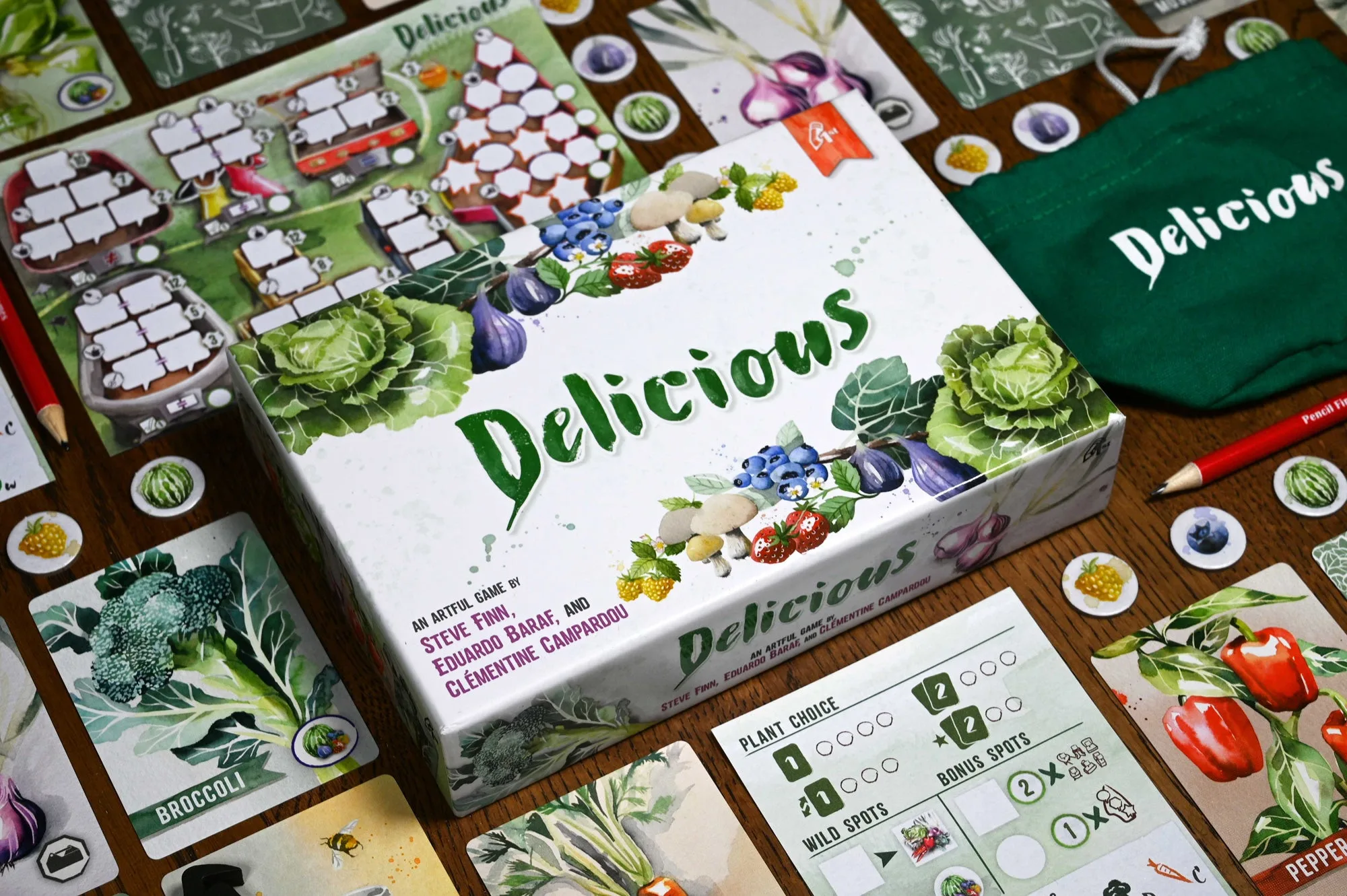
- Delicious: Delicious is a game for 1-100 players, playing time 20 minutes, ages 14+, where you fill your garden with fruits and vegetables. With up to 100 players, the cards and tokens in Delicious see heavy handling. Regular cleaning keeps the artwork vibrant and the components functional for large game nights.
- The Whatnot Cabinet: The Whatnot Cabinet is a game for 1-4 players, playing time 20-30 minutes, ages 8+, where you create a curio cabinet with trinkets collected during your travels. This game likely includes many small tokens and cards that can accumulate dust. Proper maintenance ensures the trinkets remain easy to handle and the game stays enjoyable for younger players.
With these simple steps, you can keep your board game cards and components in great condition for years. Regular cleaning not only preserves the look and feel of your games but also enhances your playing experience. So, next time you pack up a game, take a few extra minutes to show it some care—it will pay off in the long run.