Quick Answer
To keep your board games in top shape, establish a routine: wash your hands before play, use sleeves for cards, and clean components with a soft, slightly damp cloth. For deeper cleaning, use isopropyl alcohol for plastic pieces and gentle soap for wooden tokens. Always dry components thoroughly and store them in a cool, dry place.
Board games are an investment in fun, and with proper care, they can last for decades. Whether you own classic titles from Czech Games Edition or other publishers, knowing how to clean and maintain your components ensures every game night feels fresh. This guide walks you through practical steps to protect cards, tokens, and boards from everyday wear.
From spilled drinks to dusty shelves, components face many hazards. But with a few simple habits and the right techniques, you can prevent damage and keep your games looking near-new. Follow these steps to master board game maintenance and enjoy your collection for years.
Why Component Care Matters
Your game components are the heart of the experience. A bent card or a scratched token can disrupt gameplay and diminish enjoyment. Proper maintenance not only preserves the aesthetic appeal but also ensures that game mechanics function smoothly. For example, in worker-placement games like Tzolk'in: The Mayan Calendar, the gears and workers must move precisely; any grime or damage could hinder play.
Regular care also saves money in the long run. Replacing a lost or damaged component can be costly, especially for out-of-print expansions. By investing a little time in maintenance, you protect your collection's value and ensure that future game nights remain as engaging as the first.
- Always store games upright to prevent warping.
- Keep games away from direct sunlight to avoid fading.
Essential Supplies for Board Game Cleaning
You don't need specialized products to clean most components. A basic kit includes a soft microfiber cloth, cotton swabs, a small brush (like a makeup brush or paintbrush), isopropyl alcohol (70% or higher), mild dish soap, and distilled water. For cards, card sleeves are a worthwhile investment to prevent wear from shuffling and handling.
Avoid harsh chemicals like bleach or ammonia, as they can strip printing and damage finishes. Also, steer clear of abrasive scrubbers that can scratch plastic and wood. Having the right tools on hand makes maintenance quick and easy, so you're more likely to keep up with it.
- Microfiber cloths are gentle and lint-free.
- A soft toothbrush works well for textured surfaces.
Cleaning Different Types of Components
Cards are often the most fragile component. To clean them, lightly dampen a cloth with isopropyl alcohol and wipe each card gently. Avoid soaking, as moisture can warp the cardboard. For stubborn stains, use a cotton swab dipped in alcohol. After cleaning, let cards dry completely before storing. Sleeving cards is the best preventive measure, as it protects against dirt and wear.
Wooden tokens and pieces can be cleaned with a cloth dampened with a mixture of mild soap and water. Wipe each piece, then dry immediately with a clean cloth. For intricate carvings, use a soft brush to dislodge dirt. Plastic miniatures and figurines can be cleaned similarly, but avoid alcohol on painted surfaces as it may strip paint. Instead, use a gentle soap solution and a soft cloth.
- Test any cleaning solution on a hidden area first.
- Always dry components thoroughly to prevent warping.
Storing Your Games to Prevent Damage
Proper storage is a key part of maintenance. Store game boxes vertically, like books, to prevent components from shifting and warping. Keep them in a cool, dry place away from heat sources and direct sunlight. Humidity can cause cardboard to swell and paper to stick, so consider using silica gel packets in your game closet if you live in a humid area.
Inside the box, use plastic bags or organizers to separate components. This not only speeds up setup but also prevents pieces from rubbing against each other and causing scratches. For games with many tokens, like The Prodigals Club, consider using tackle boxes or bead organizers to keep everything tidy.
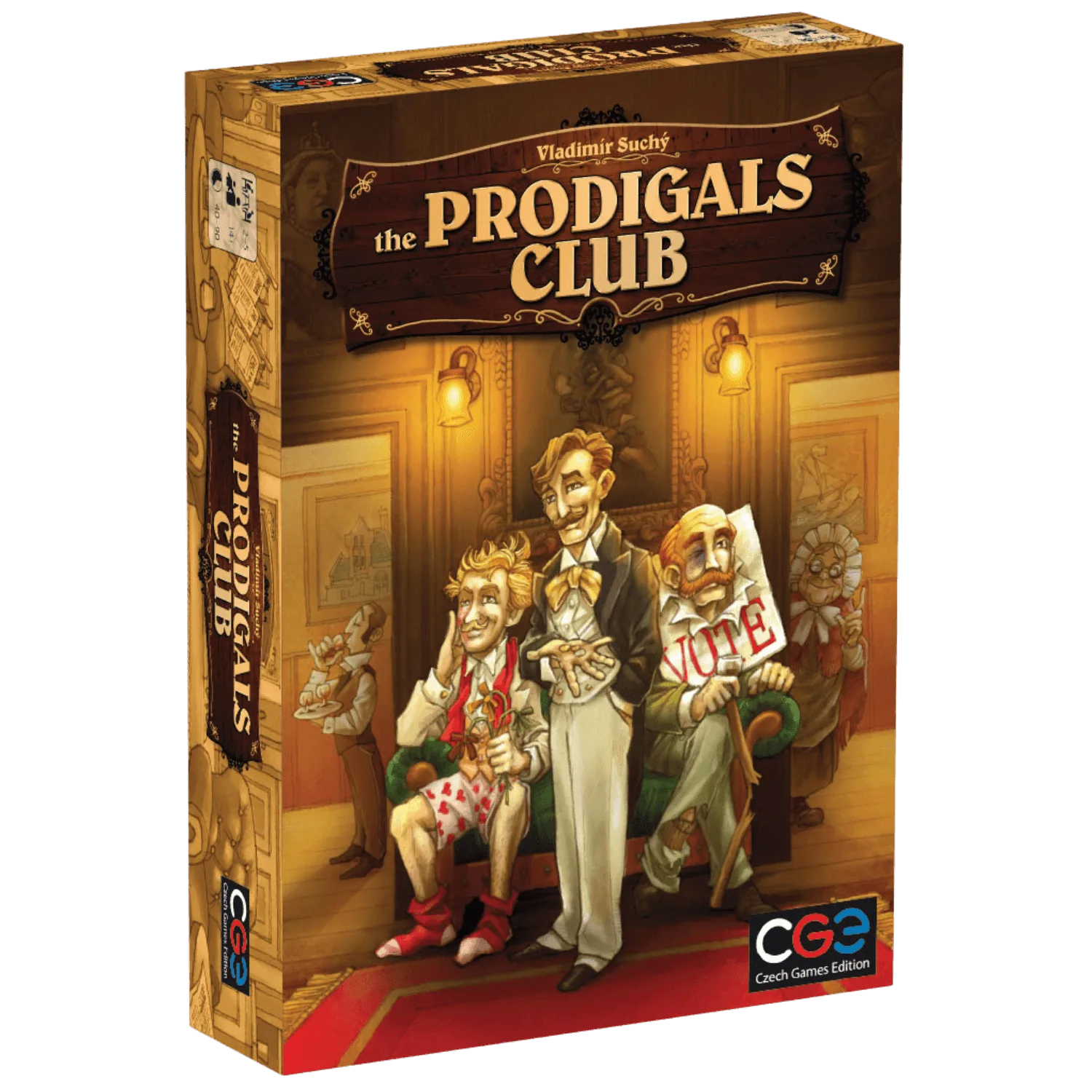
The Prodigals Club
- Use original inserts when possible, but don't be afraid to upgrade.
- Label bags to make setup and cleanup faster.
Dealing with Spills and Accidents
Accidents happen. If a liquid spills on a board or cards, act quickly. Blot the area with a dry cloth to absorb as much liquid as possible. Do not rub, as this can push the liquid deeper or damage the print. For cards, pat them dry and place them between heavy books to flatten as they dry. For boards, wipe gently and let air dry, but avoid direct heat.
If a component becomes sticky or greasy, use a cotton swab dipped in isopropyl alcohol to gently clean the affected area. For wooden pieces, a small amount of mineral oil can restore luster after cleaning. Remember, prevention is better than cure: use a spill-proof table cover and keep drinks away from the playing area.
- Keep a towel nearby during game nights.
- Consider using a playmat to protect boards.
Step-by-Step Maintenance Routine
- Prepare Your Workspace: Lay out a soft cloth on a clean, flat surface. Gather your cleaning supplies: microfiber cloths, cotton swabs, isopropyl alcohol, mild soap, and a brush. Ensure good lighting and ventilation. A tidy workspace prevents accidental drops and makes the process efficient.
- Sort Components by Material: Separate cards, wooden pieces, plastic components, and boards. Different materials require different cleaning methods. Grouping them allows you to handle each type properly. This prevents using the wrong cleaner on a sensitive surface.
- Clean Cards and Cardboard Tiles: Lightly dampen a microfiber cloth with isopropyl alcohol and wipe each card or tile. For stubborn spots, use a cotton swab. Avoid soaking. Dry each piece with a separate dry cloth. Check that cards are completely dry before storing to prevent warping.
- Clean Wooden and Plastic Pieces: For wooden tokens, use a cloth dampened with a mild soap and water solution, then dry immediately. For plastic, use a soft brush to remove dust, and wipe with a damp cloth if needed. Never submerge wooden pieces; they can swell and lose shape.
- Clean the Game Board: Gently wipe the board with a dry or slightly damp cloth to remove dust and fingerprints. For stains, use a cotton swab with alcohol, testing on an edge first. Avoid creasing the board by handling it with care during cleaning.
- Store Everything Properly: Once all components are dry, place them back in the box using bags or organizers. Store the box vertically in a cool, dry place away from sunlight. Proper storage prevents future damage and keeps your game ready to play.
Products to Care For
- Tzolk'in: The Mayan Calendar: During a turn, players must either place one or more workers onto available spots on the gears, or instead, pick up one or more workers. Placing workers costs corn, which is used as a currency in the game and is also needed for feeding. The intricate gears and wooden workers require smooth movement; regular cleaning of these components ensures the game's unique mechanism operates flawlessly.
- The Prodigals Club: You compete in three distinct endeavors: trying to lose an election, trying to get rid of all your possessions, or trying to offend the most influential people in high society. Each competition has its own module. With many different tokens and cards across three modules, organized storage and gentle cleaning help you quickly set up and switch between modules without losing pieces.
With these steps, you can keep your board games in excellent condition for years of enjoyment. Regular maintenance not only preserves the look and feel of your components but also enhances your overall gaming experience. So, take a little time to care for your collection, and your games will reward you with countless memorable sessions.