Quick Answer
Clean your small animal's habitat weekly by removing soiled bedding, wiping down surfaces with a pet-safe cleaner, and replacing with fresh bedding. Daily spot-cleaning of wet spots and leftover food keeps the cage fresher between deep cleans. A consistent routine prevents odors and supports your pet's respiratory health.
Why Regular Cleaning Matters for Your Small Pet
Rabbits, guinea pigs, and other small pets spend most of their time in their habitat, so a clean environment is essential for their health. Ammonia from urine can irritate sensitive respiratory systems, and damp bedding encourages bacteria and mold. A regular cleaning schedule reduces these risks and keeps your pet comfortable.
Beyond health, a clean cage makes it easier to spot changes in your pet's eating or bathroom habits. When you handle the bedding and wipe surfaces weekly, you're more likely to notice early signs of illness, such as reduced appetite or unusual droppings.
Choosing the Right Cleaning Supplies
Use a pet-safe disinfectant or a simple vinegar-and-water solution (1 part white vinegar to 3 parts water) to clean cage surfaces. Avoid bleach, ammonia-based cleaners, or strong scents that can linger and irritate your pet's lungs. Have a dedicated scrub brush, a bucket, and absorbent cloths or paper towels on hand.
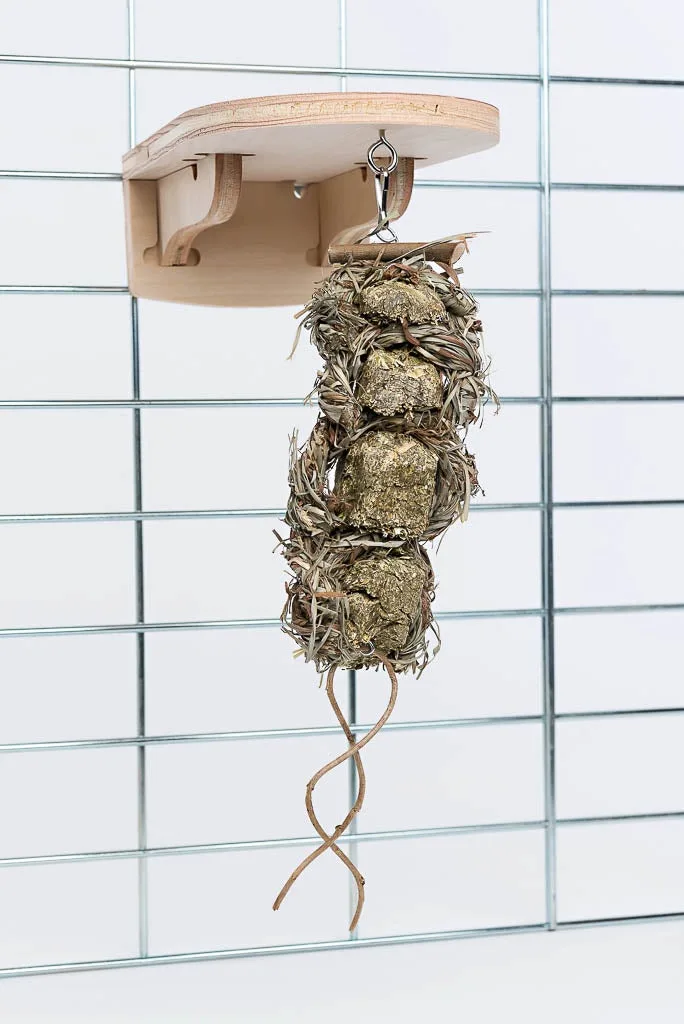
For habitats with wooden platforms or shelves, like the Hanging Mobile Habitat Platform Bundle from Small Pet Select UK, avoid soaking the wood. Instead, wipe with a damp cloth and dry thoroughly to prevent warping or mold growth.
Step-by-Step Habitat Cleaning Routine
- Step 1: Remove Your Pet and All Accessories: Place your rabbit or guinea pig in a secure temporary area (like a playpen or carrier). Take out all food bowls, water bottles, toys, hideouts, and any platforms like the Hanging Mobile Habitat Platform Bundle. Checkpoint: Never leave your pet unsupervised in an unfamiliar enclosure. Make sure the temporary space has fresh hay and water.
- Step 2: Dispose of Soiled Bedding and Spot-Clean: Scoop out all used bedding and hay. Use a dustpan and brush to remove debris from corners. For fleece liners, shake them out outside or over a bin. Common mistake: Forgetting to check under hiddeouts and platforms where waste often accumulates. Lift each item to clean fully.
- Step 3: Wipe Down Surfaces with Pet-Safe Cleaner: Spray your vinegar-water solution on the cage tray, bars, and any solid platforms. Let it sit for 5–10 minutes to break down grime, then scrub with a brush and rinse with clean water. Dry thoroughly with a cloth. Checkpoint: Avoid using paper towels on wooden platforms—they can leave lint. Use a microfiber cloth instead and dry immediately to prevent moisture damage.
- Step 4: Clean and Refile Water and Food Containers: Wash water bottles and bowls with hot soapy water, rinse well, and refill with fresh water. Wipe out food bowls and add a fresh portion of pellets or vegetables. Common mistake: Forgetting to clean the sipper tube of water bottles—algea and bacteria can build up inside. Use a small bottle brush weekly.
- Step5: Add Fresh Bedding and Reassemble the Habitat: Lay down a layer of fresh paper-based bedding or hay (about 2–3 inches deep). Return all accessories, platforms, and toys. Scatter a few foraging herbs like Linden or Dried Red Clover to encourage exploration. Checkpoint: Don't overfill the cage with bedding—too much can limit movement and hide wet spots. Keep it deep enough to absorb but not so deep that your pet can't move comfortably.
- Step6: Return Your Pet and Observe: Place your pet back in the clean habitat. Watch for a few minutes to make sure they settle in, explore, and start eating or drinking normally. Common mistake: Assuming your pet will immediately love the fresh cage. Some animals are cautious after a deep clean because their scent is gone. Leave a small piece of unsoiled old bedding to help them feel secure.
Products That Make Habitat Maintenance Easier
- Hanging Mobile Habitat Platform Bundle: Hardwood Plywood, Chemical-free, Made in our own workshops! Professional Grade Wood, Soy-based Adhesive (Food Grade). 100% Satisfaction, 100% Guaranteed. This Hanging Mobile Habitat Platform Bundle is made from chemical-free hardwood and food-grade adhesive, so it's safe for your pet to chew and rest on. During cleaning, simply wipe the platform with a damp cloth and dry it quickly—no harsh chemicals needed.
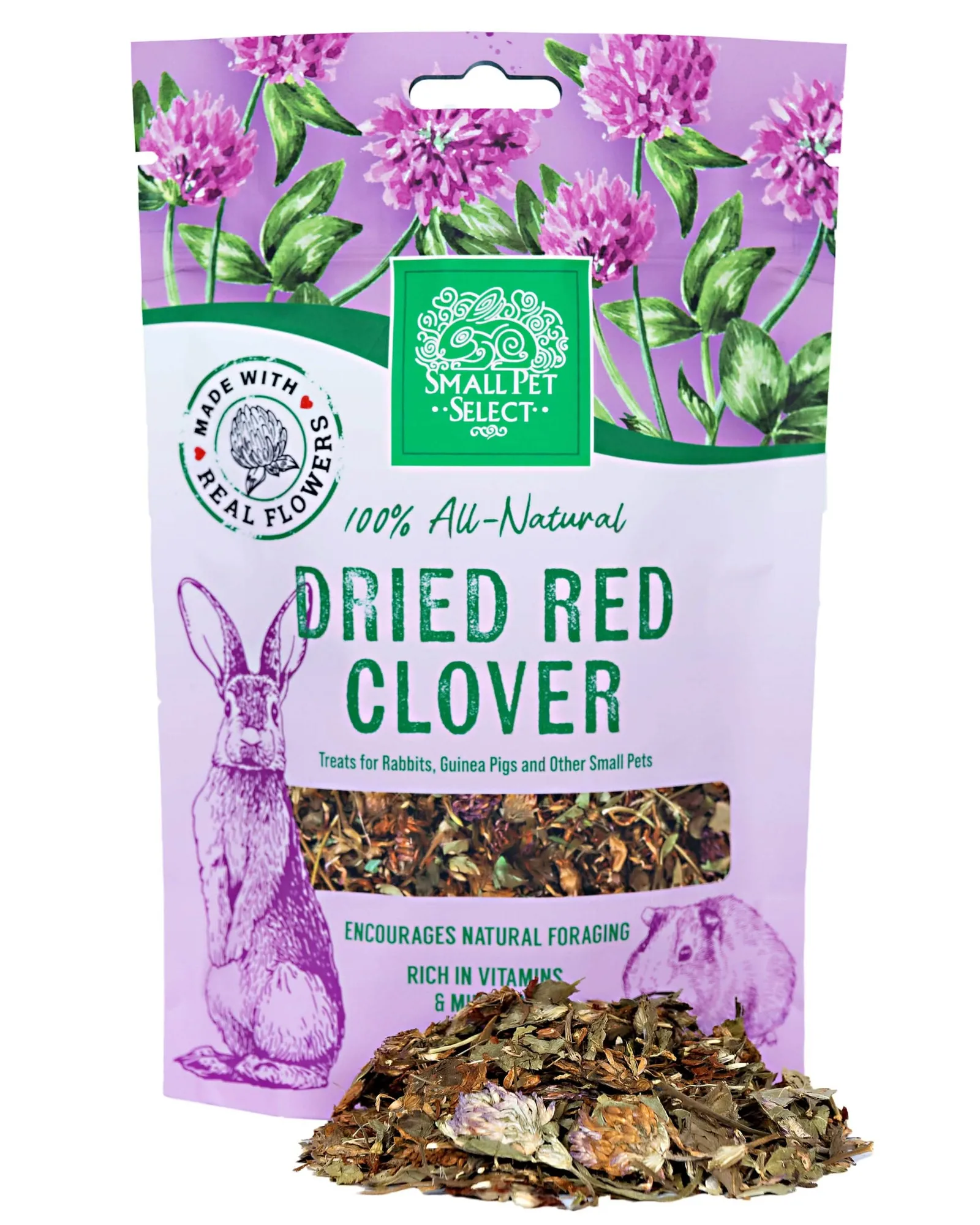
- Dried Red Clover Foraging Herbs: Dried Red Clover is a delicious, nutrient-rich treat for small pets including rabbits, guinea pigs, chinchillas, hamsters, gerbils, mice, and rats. Naturally packed with essential vitamins and minerals. After cleaning the cage, offer a small handful of Dried Red Clover as a foraging reward. It encourages natural foraging behavior and gives your pet something positive to associate with the cleaning routine.
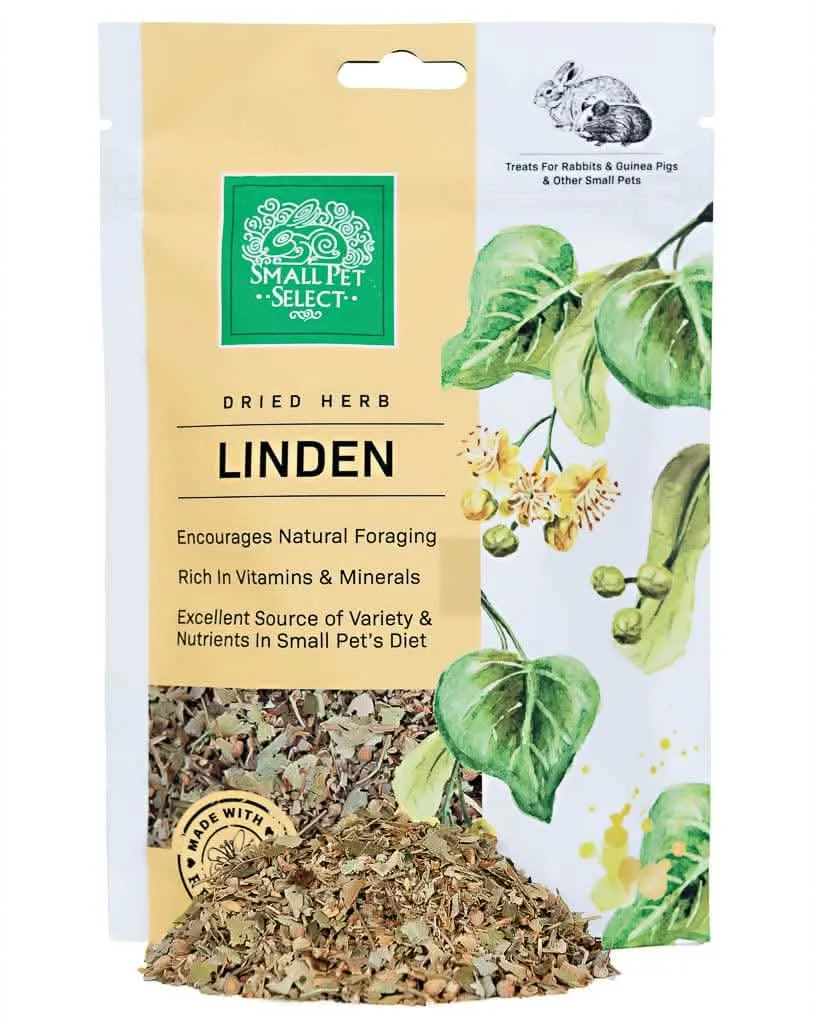
- Linden Foraging Herbs: Natural Linden Foraging Herbs for Small Pets. Hand-selected and pesticide-free, these aromatic linden leaves and flowers provide enrichment, mental stimulation, and a tasty treat. Scatter Linden Foraging Herbs around the freshly cleaned habitat to encourage exploration and reduce stress. The mild, sweet scent is appealing to most small pets and adds variety to their diet.