Quick Answer
Rinse your water flosser tip under warm water after every use, and do a deeper clean once a week by soaking it in a mild disinfectant or white vinegar solution. Replace your tip every three to six months or sooner if you notice wear. Keeping your tip clean prevents bacteria buildup and helps your flosser work effectively.
Your water flosser tip does the hard work of directing water into the tight spaces between your teeth and along your gumline. But if you don't clean it regularly, it can harbor bacteria, mineral deposits, and residue from toothpaste or mouthwash. That can make your flossing routine less effective and even introduce unwanted germs into your mouth.
Fortunately, cleaning and maintaining your water flosser tips is quick and easy. With a few simple habits, you can keep your tips hygienic, extend their lifespan, and get the most out of your water flosser. This guide walks you through the essential steps, common mistakes to avoid, and when to replace your tips.
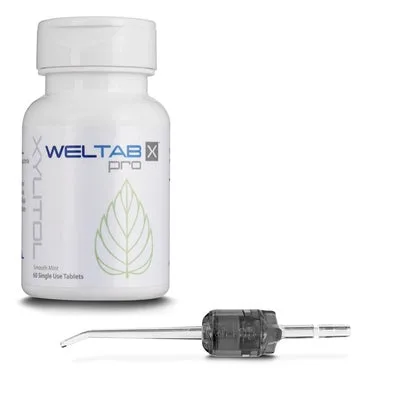
water flosser tips
Why Cleaning Your Water Flosser Tips Matters
Water flosser tips come into direct contact with your mouth and the water that flows through them. Over time, they can collect plaque, food particles, and bacteria. If you use additives like mouthwash or water flosser tablets, residue can also build up inside the tip, affecting water flow and performance.
Regular cleaning helps prevent this buildup and keeps your flosser working as intended. It also reduces the risk of transferring bacteria back into your mouth. For people with sensitive gums or periodontal concerns, keeping your equipment clean is especially important.
- Rinse your tip after every use to remove loose debris.
- Inspect the tip regularly for cracks, wear, or blockages.
Daily Cleaning Routine for Water Flosser Tips
The simplest and most effective habit is to rinse your water flosser tip after each use. After you finish flossing, remove the tip from the handle and hold it under warm running water for a few seconds. This flushes away any remaining debris and prevents residue from drying inside the tip.
If you use water flosser tablets or other additives, you may want to run the flosser with plain water for a few seconds after your routine. This helps clear the internal line and the tip. Then, let the tip air-dry completely before storing it. Moisture can encourage bacterial growth, so a dry tip is a cleaner tip.
- Always store your tip in a dry, ventilated area.
- Avoid storing a wet tip in a closed container.
Weekly Deep Cleaning: Disinfecting Your Water Flosser Tips
Once a week, give your water flosser tips a deeper clean to remove stubborn buildup and disinfect them. One effective method is to soak the tips in a solution of equal parts white vinegar and warm water for 10 to 15 minutes. Vinegar helps dissolve mineral deposits and has mild antibacterial properties.
After soaking, rinse the tips thoroughly under warm water and let them air-dry. Avoid using harsh chemicals or boiling water, as these can damage the plastic or rubber components of the tip. If your flosser has a UV sanitizing feature, like the UV light that sterilizes the Weltip between uses, you can use that as an additional step after cleaning.
- Do not use bleach or abrasive cleaners on your tips.
- If you have a UV sanitizer, use it after the vinegar soak for extra peace of mind.
When to Replace Your Water Flosser Tips
Water flosser tips are not meant to last forever. Over time, the tip can wear down, crack, or become less effective at directing water. Most manufacturers recommend replacing tips every three to six months, but you should also replace them sooner if you notice any signs of damage or wear.
If the tip becomes discolored, develops cracks, or if the water spray pattern changes, it's time for a new one. Using a worn tip can reduce cleaning effectiveness and may harbor bacteria in rough surfaces. Keeping a supply of replacement tips on hand ensures you're always ready.
- Mark your calendar to replace tips every 3-6 months.
- Check your tip for wear after each deep cleaning.
Step-by-Step: Clean and Maintain Your Water Flosser Tips
- Rinse after every use: After flossing, remove the tip and hold it under warm running water for a few seconds to flush away debris and residue. Checkpoint: Make this a habit—it takes less than 10 seconds and prevents buildup.
- Air-dry completely: Shake off excess water and place the tip on a clean, dry surface or in a ventilated holder. Avoid storing it while still wet. Checkpoint: If the tip is still damp after a few hours, your storage area may be too humid.
- Deep clean weekly: Soak the tip in a 1:1 white vinegar and warm water solution for 10-15 minutes, then rinse thoroughly. Use a soft brush if needed to remove stubborn residue. Checkpoint: Never use boiling water or harsh chemicals—they can damage the tip.
- Use UV sanitizing if available: If your water flosser has a UV sterilizer, place the clean, dry tip in the UV container and run the sanitizing cycle according to the manufacturer's instructions. Checkpoint: UV sanitizing is an extra step, not a replacement for rinsing and drying.
- Inspect and replace regularly: Check your tip for cracks, discoloration, or changes in water spray. Replace it every 3-6 months or sooner if you notice any damage. Checkpoint: If the water stream seems weaker or uneven, it's likely time for a new tip.
Products That Help Maintain Your Water Flosser
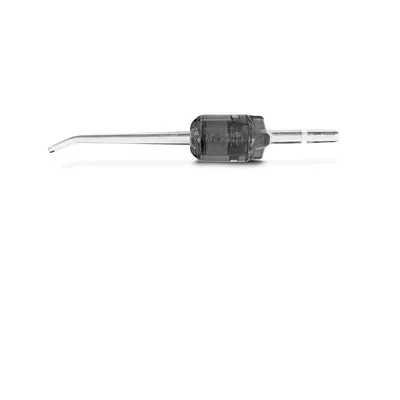
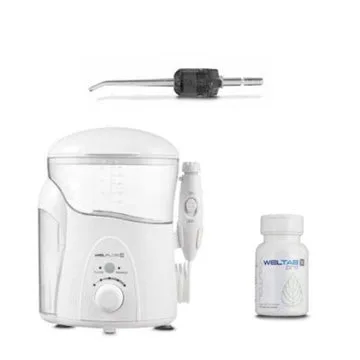
- Weltip Compatible Waterpik Replacement Tips: Includes multiple replacement tips for continued use. Easy to swap out for regular hygiene. Having spare tips on hand means you can replace worn or damaged tips promptly, maintaining consistent cleaning performance and hygiene.
- Welflos M Water Flosser with Infuser Tip: UV light sterilizes Weltip between uses. It is recommended to drain your flosser after each use. The built-in UV sanitizer adds an extra layer of cleanliness, and draining the flosser after each use helps keep the handle and tip free of standing water and bacteria.
Cleaning and maintaining your water flosser tips doesn't have to be complicated. By following a simple daily rinse, weekly deep clean, and regular replacement schedule, you can keep your oral care routine hygienic and effective. Pay attention to the condition of your tips and replace them as needed to ensure your water flosser continues to work well for you.