A dog harness is more than just a walking accessory—it's a key piece of safety gear that keeps your canine companion secure and comfortable on every adventure. Whether you're navigating busy city streets or exploring rugged trails, a well-maintained harness can make all the difference. However, regular use means dirt, sweat, and grime accumulate, which can lead to odors, skin irritation, and even weakened materials. In this guide, we'll walk you through the best practices for cleaning and maintaining your dog's harness, ensuring it stays in top condition for years to come.
From understanding the materials to step-by-step washing instructions, we've got you covered. We'll also share tips on when to replace your harness and how to extend its lifespan. With proper care, not only will your dog stay comfortable, but you'll also get the most value from your investment. Let's dive in!
Why Regular Harness Maintenance Matters
Your dog's harness works hard every day. It endures pulling, rubbing, and exposure to the elements. Over time, dirt and oils from your dog's skin can build up, causing the fabric to become stiff and less comfortable. More importantly, a dirty harness can harbor bacteria and fungi, leading to skin infections or irritation. Regular cleaning not only keeps your dog comfortable but also prevents these health issues.
Additionally, a well-maintained harness is safer. Dirt and debris can cause buckles to stick or straps to weaken, compromising the harness's integrity. By inspecting and cleaning your harness regularly, you can catch early signs of wear and tear before they become safety hazards. This proactive approach ensures that every walk is a safe and enjoyable experience for both you and your dog.
- Prevents skin irritation and infections
- Maintains material strength and integrity
- Ensures buckles and clips function properly
- Extends the life of your harness
Step-by-Step Guide to Washing Your Dog's Harness
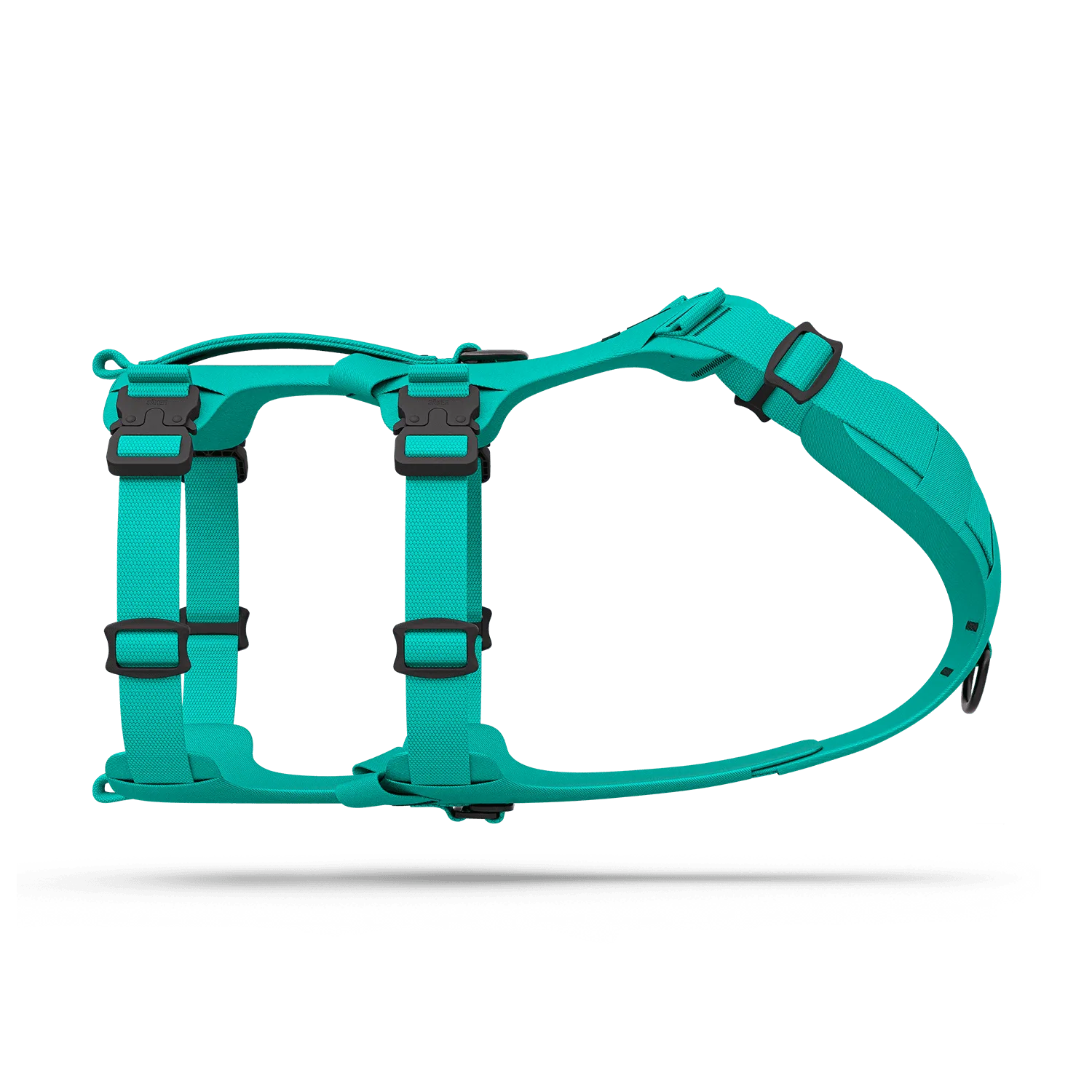
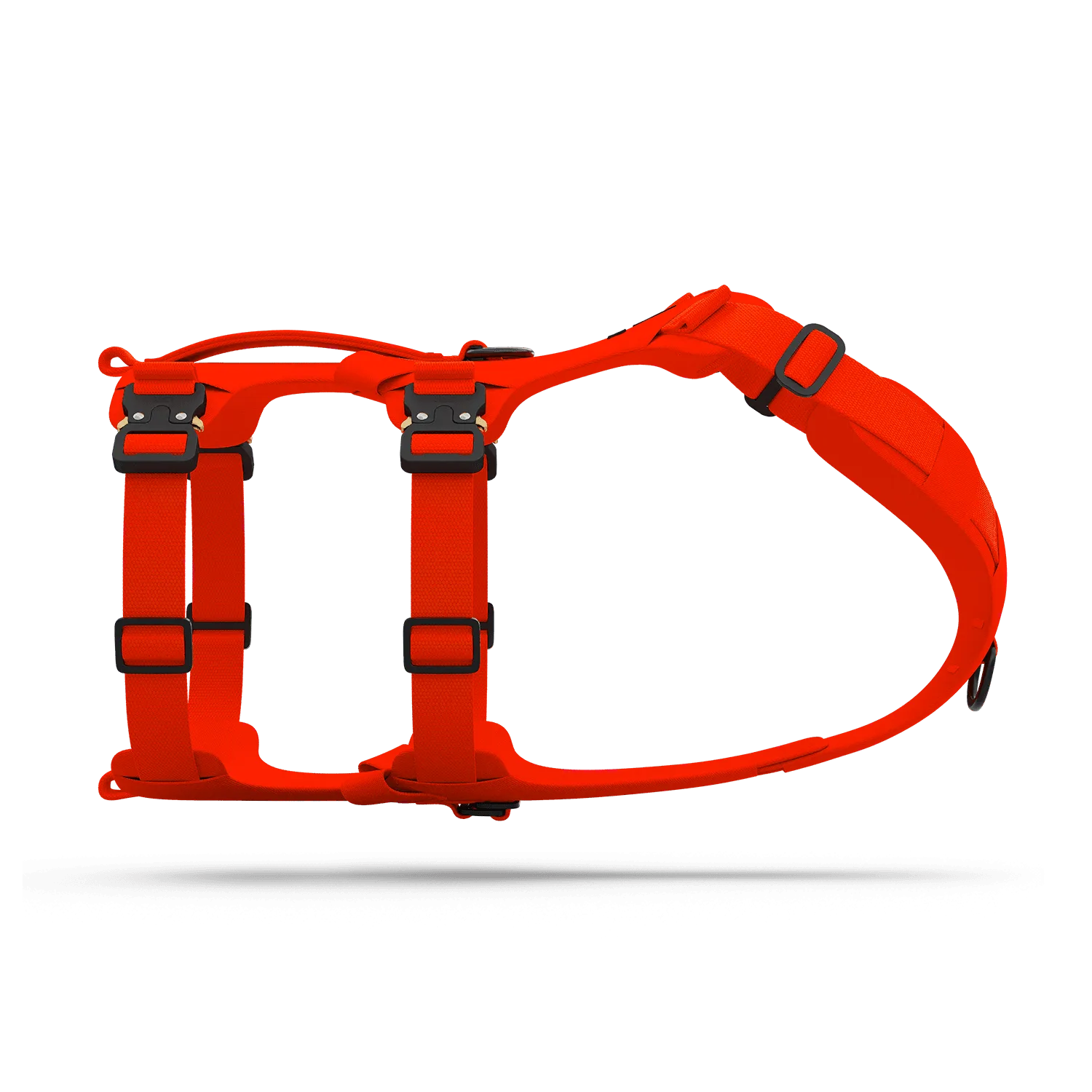
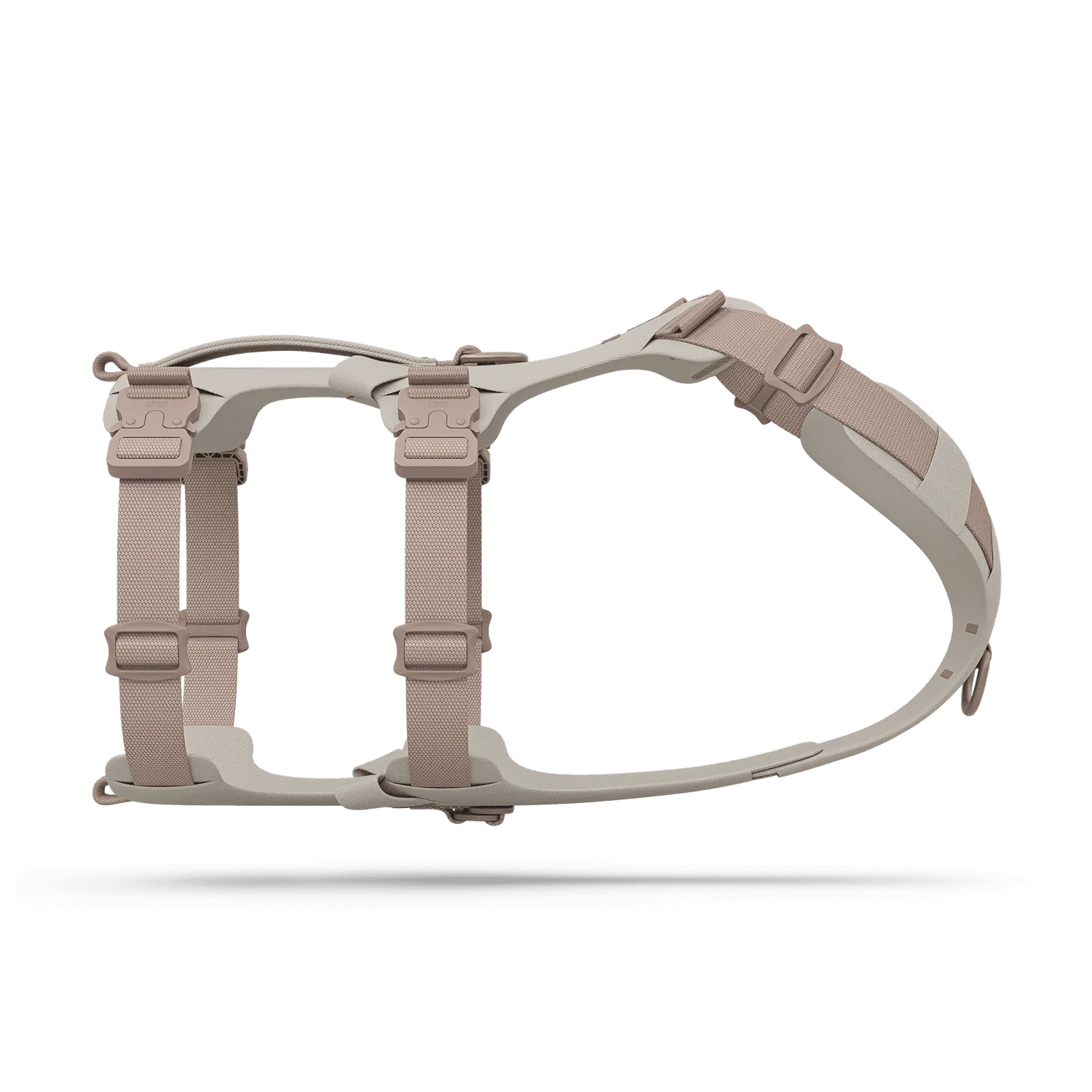
Before you start, always check the manufacturer's care label. Most harnesses, including popular models like the BomberTM harness and LanderTM harness, are machine washable, but some may require hand washing. Here's a general guide that works for most harnesses:
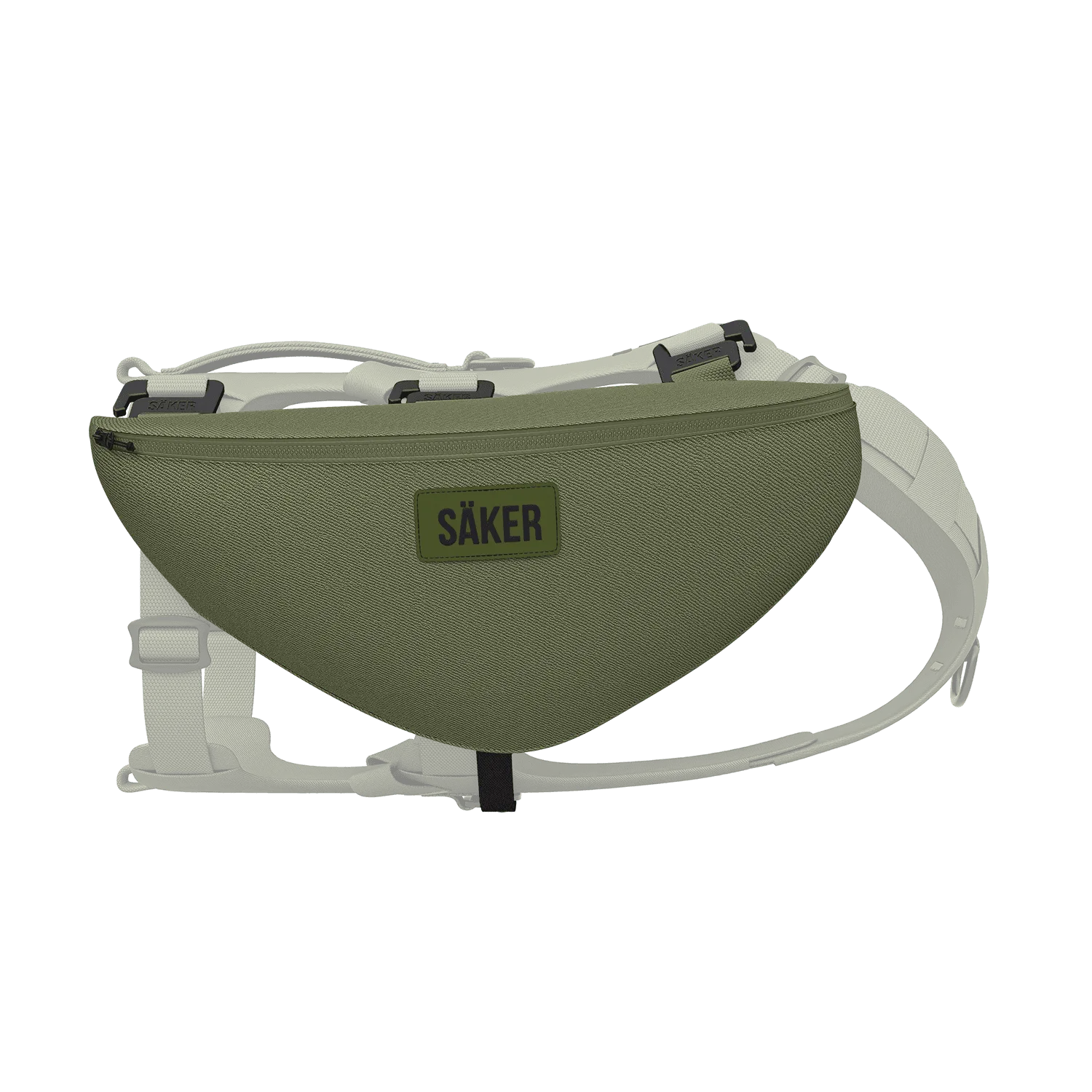
First, remove any attachments such as patches, pouches, or tags. For example, if you use a pouch like the https://sakercaninefpz.com/products/or-2005-72ba202dd26a9cb5fab76105-515037https://sakercaninefpz.com/products/tt-2005-c97bcac74a1ef362a35eafb5-515039https://sakercaninefpz.com/products/pl-2005-c81ec1706d9cd789ea05e744-515040https://sakercaninefpz.com/products/es-2005-2d28f3ec5abe25db6cda2832-515043Pouches 001, detach it before washing. Then, rinse the harness under lukewarm water to remove loose dirt. For stubborn stains, apply a small amount of mild detergent and gently scrub with a soft brush. Avoid using bleach or fabric softeners, as they can damage the materials. After washing, rinse thoroughly to ensure no soap residue remains.
- Machine wash on a gentle cycle with cold water
- Place the harness in a laundry bag to protect buckles
- Air dry only—never put it in the dryer
- Hand wash with mild soap for delicate materials
Drying and Storing Your Harness
Proper drying is crucial to prevent mold and mildew. After washing, gently squeeze out excess water and lay the harness flat on a towel. Reshape it if necessary and allow it to air dry completely in a well-ventilated area, away from direct sunlight. Sunlight can fade colors and weaken materials over time.
Once dry, store your harness in a cool, dry place. Avoid folding it in a way that creases the fabric, as this can cause weak points. Hanging it on a hook or keeping it flat in a drawer works well. If you have multiple harnesses, consider rotating them to reduce wear on a single one.
- Air dry away from direct heat and sunlight
- Store in a dry, cool place
- Avoid folding to prevent creases
- Rotate between harnesses to extend longevity
Routine Inspection and Maintenance Tips
In addition to regular washing, it's essential to inspect your harness frequently. Check for frayed edges, loose stitching, or rusted buckles. Pay special attention to areas that come into contact with your dog's skin, as these are prone to wear. If you notice any signs of damage, it may be time to replace the harness. A damaged harness can fail unexpectedly, putting your dog at risk.
For harnesses with metal hardware, like the KelpTM Collar or KelpTM Collar Pro, you can wipe down the hardware with a damp cloth and dry it thoroughly to prevent rust. For fabric parts, use a fabric brush to remove embedded dirt. Keeping your harness clean not only improves its appearance but also its performance.
- Inspect for fraying, loose stitching, and rust
- Clean hardware with a damp cloth
- Replace any worn or damaged parts immediately
- Use a fabric brush for deep cleaning
When to Replace Your Dog's Harness
Even with the best care, every harness has a lifespan. If you notice that the material has become brittle, the stitching is coming undone, or the buckles no longer hold securely, it's time for a new one. Also, if your dog has outgrown their harness or if it no longer fits properly, replace it to ensure comfort and safety.
High-quality harnesses like the LanderTM harness are built to last, but they still require eventual replacement. Regularly assessing the condition of your harness will help you know when to invest in a new one. Remember, a well-fitted and well-maintained harness is essential for your dog's safety and your peace of mind.
- Replace if material is brittle or frayed
- Replace if buckles or clips are damaged
- Replace if the harness no longer fits correctly
- Consider a new harness after several years of heavy use
Maintaining your dog's harness is a simple yet crucial part of responsible pet ownership. By following these cleaning and maintenance tips, you'll ensure that your dog stays comfortable and safe on every adventure. Regular care not only extends the life of your harness but also strengthens the bond you share with your furry friend. So, take the time to give your harness the attention it deserves—your dog will thank you!