A fly mask is one of the most important pieces of summer equipment for your horse. It shields sensitive eyes from flies, dust, and UV rays, preventing irritation and infections. But a dirty mask can do more harm than good—it can rub, trap moisture, and even reduce visibility. Regular cleaning is essential to keep the mask effective and comfortable.
In this guide, we'll walk you through the best practices for washing, drying, and storing your horse's fly mask. Whether you use a basic fly mask or one with advanced features, these tips will help you extend its lifespan and ensure your horse stays happy and protected.
Why Cleaning Your Fly Mask Matters
Over time, fly masks accumulate sweat, dirt, dust, and even manure. This buildup can irritate your horse's skin, especially around the eyes and ears. A dirty mask also becomes less breathable, trapping heat and moisture that can lead to bacterial or fungal infections. Moreover, a grimy mask may obstruct your horse's vision, making them anxious or spooky.
Regular cleaning not only maintains hygiene but also preserves the mask's protective qualities. For example, UV-resistant coatings and mesh materials can degrade when clogged with debris. By keeping the mask clean, you ensure it continues to filter out flies and harmful rays effectively, giving your horse the protection they deserve.
- Check the mask daily for dirt, debris, or signs of wear.
- Clean the mask at least once a week during heavy fly season.
Step-by-Step: How to Wash a Fly Mask
Before washing, remove any detachable parts like the nose piece or ear covers if possible. Shake off loose dirt and rinse the mask under cool water to remove surface debris. This pre-rinse prevents abrasive particles from scratching the mesh during washing.
Use a mild soap or a specialized tack cleaner. Avoid harsh detergents or bleach, which can damage the fabric and irritate your horse's skin. Hand wash the mask in a bucket of lukewarm water, gently scrubbing with a soft brush or cloth. Pay extra attention to the areas around the eyes and nose, where dirt accumulates most. Rinse thoroughly until no soap residue remains, as leftover soap can cause itching.
- Never use hot water, as it can shrink or warp the mask.
- For stubborn stains, soak the mask in a gentle solution for 10-15 minutes before washing.
Drying and Storing Your Fly Mask
After washing, gently squeeze out excess water—do not wring or twist, as this can distort the shape. Lay the mask flat on a clean towel and roll it up to absorb moisture, then reshape it and allow it to air dry in a shaded, well-ventilated area. Avoid direct sunlight, which can fade colors and weaken the fabric over time.
Once completely dry, store the mask in a cool, dry place away from pests. Folding it neatly or hanging it on a hook can help maintain its shape. If your mask has a rigid structure, like some models with molded cups, store it in a way that prevents crushing. Proper storage not only keeps the mask ready for use but also extends its lifespan.
- Ensure the mask is 100% dry before storing to prevent mold and mildew.
- Check for any damage while cleaning, such as loose stitching or broken straps.
When to Replace Your Fly Mask
Even with meticulous care, fly masks eventually wear out. Look for signs like stretched elastic, torn mesh, or broken buckles. A mask that no longer fits snugly can allow flies to enter or cause chafing. If the mask is scratched or cloudy, it may impair your horse's vision, which is a safety hazard.
Most fly masks last one to three seasons, depending on usage and care. If you notice any of these issues, it's time to invest in a new one. While replacing a mask is an extra expense, it's a small price for your horse's comfort and eye health. Remember, a well-maintained mask is more effective, so regular cleaning can actually save you money in the long run by extending the mask's life.
- Replace the mask if it no longer repels flies effectively or shows significant wear.
- Consider having a spare mask on hand so you can rotate them while one is drying.
Additional Tips for Fly Mask Longevity
To get the most out of your fly mask, handle it with care. When removing the mask, avoid pulling on the mesh—instead, unfasten the straps gently. If your horse wears the mask during turnout, check it daily for tears or loose threads that could catch on branches or fencing.
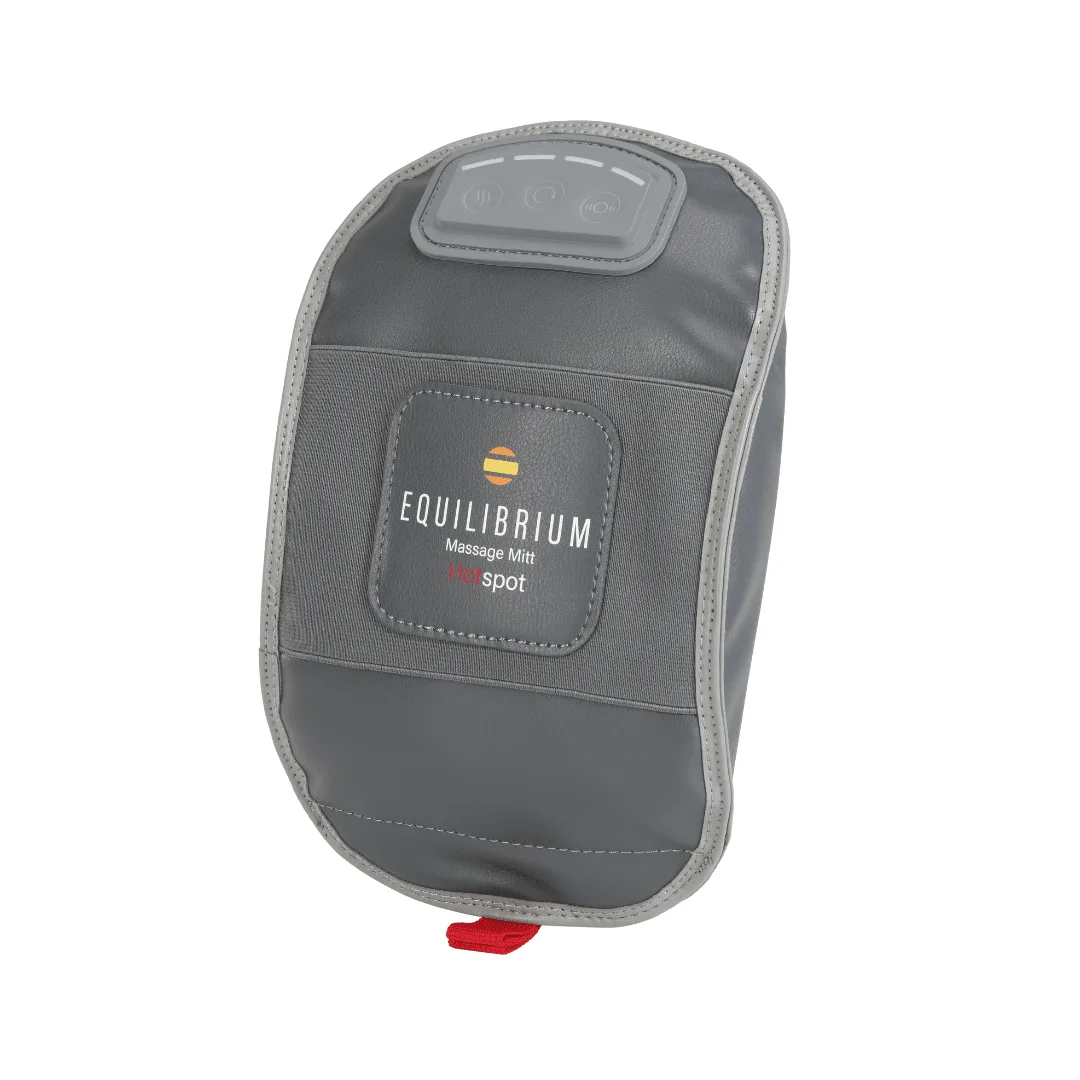
If you use a fly mask with magnetic therapy features, like the Tri-Zone All Sports Boots or https://equilibriumproductstzo.com/products/equilibrium-massage-pad-heatsense-d9af1182f0edd2d41e406398-555689Massage Pad Heatsense, always follow the manufacturer's cleaning instructions for those components. Magnetic inserts and electronic parts may need special care, such as removing them before washing. Always refer to the product manual to avoid damaging these features.
- Use a fly mask with a comfortable fit to reduce rubbing and the need for frequent adjustments.
- Keep a spare fly mask handy so you can alternate between washes.
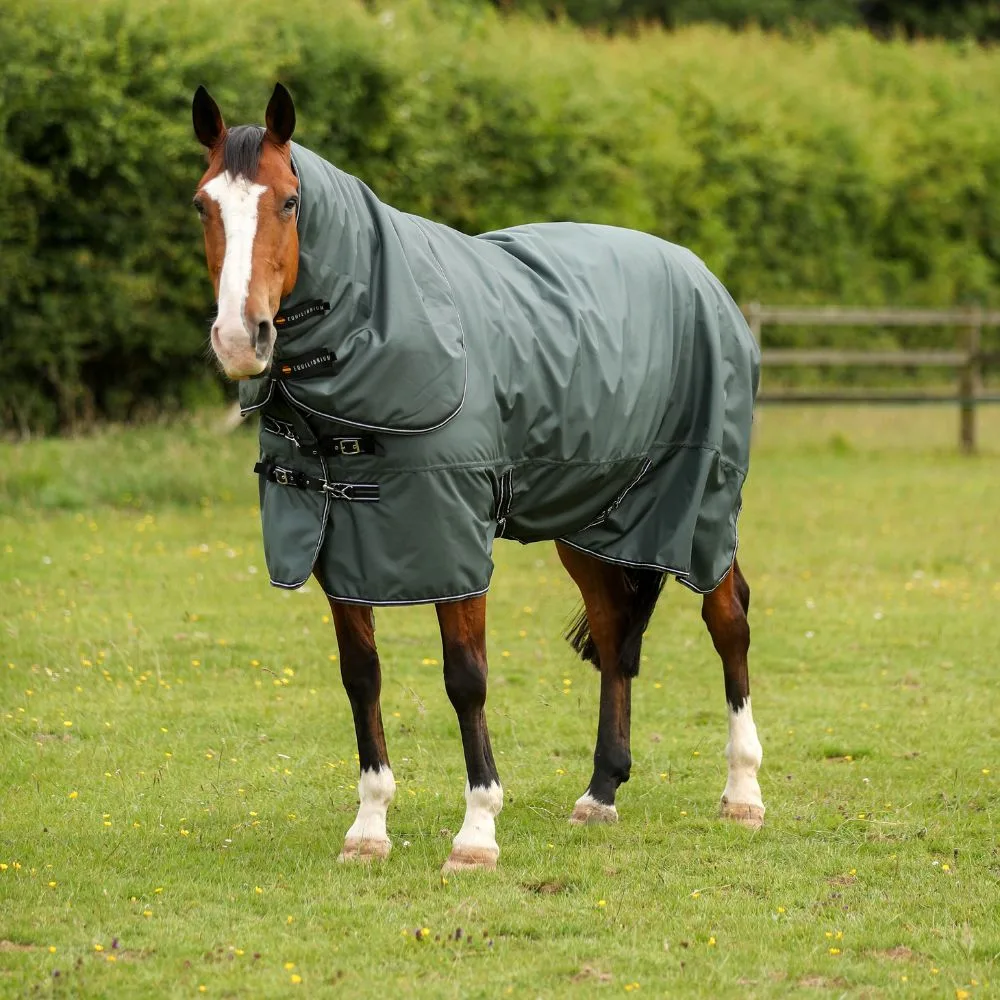
Caring for your horse's fly mask is a simple yet crucial part of summer horse care. By following these cleaning and storage tips, you'll keep the mask effective, comfortable, and durable, ensuring your horse stays protected all season. For a high-quality fly mask that's built to last, check out the Endure Turnout Rug for durable turnout protection, or explore our range of fly masks and accessories to find the perfect fit for your horse.