Quick answer
To clean an insulated jacket-male-05a2e3cd05f2c3d9dca274e5-781567">jacket, start by reading the care label, then spot-clean stains and machine wash on a gentle cycle with a mild detergent. Dry it thoroughly using low heat and clean tennis balls to restore fluffiness, and store it uncompressed to maintain loft.
Insulated jackets are built to keep you warm in cold weather, but they need proper care to keep performing. Whether you own a lightweight piece like the https://usrains.com/products/lohja-jacket-female-af83d40c378735e2eb244de2-781564Lohja Insulated Jacket or a down alternative puffer, knowing how to clean and maintain it makes a big difference in its lifespan.
Many people worry about washing their insulated jacket, afraid it will lose its shape or warmth. The truth is, regular gentle cleaning actually helps maintain insulation efficiency by removing dirt and oils that can break down fibers. With the right steps, you can keep your jacket fluffy and functional for years.
Preparing Your Jacket for Washing
Before you wash your insulated jacket, empty all pockets and close every zipper and snap. This prevents snags and keeps small items from damaging the drum of your machine. If your jacket has a removable hood or fur trim, take it off and clean it separately according to its own care instructions.
Check the care label for specific guidance on water temperature and drying methods. Some insulated jackets are water-resistant, like the Rains Lohja Insulated Jacket, which features a water-resistant exterior. While this doesn't change the washing process, it's a reminder to avoid fabric softeners and harsh detergents that can break down water-repellent coatings.
- Use a front-loading washing machine if possible—top-loaders with a center agitator can be rough on insulation.
- If your jacket has stubborn stains, spot-treat them with a mild detergent and a soft brush before the main wash.
Choosing the Right Detergent and Cycle
The best detergent for insulated jackets is a gentle, liquid formula that is free of bleach and fabric softeners. These additives can clog the pores of the insulation and reduce its ability to trap air, which is what keeps you warm. For down alternative jackets, a sport or technical wash is also a good option.
Set your machine to a gentle or delicate cycle with cold or lukewarm water. Hot water can damage synthetic insulation and cause the outer fabric to shrink or lose its shape. A second rinse cycle helps ensure all soap is removed, which is especially important for maintaining water repellency.
- Wash your jacket alone or with a couple of towels to balance the load without overcrowding.
- If your jacket has a waterproof membrane, avoid spin speeds above 600 rpm to reduce stress on the seams.
Drying: The Key to Fluffiness
Drying is the most critical step in insulated jacket care. Air drying is gentle, but it can take a long time and may leave the insulation clumped. For most down alternative jackets, machine drying on low heat is safe and helps restore loft. Add two or three clean tennis balls or dryer balls to the dryer to break up clumps and fluff the insulation as it dries.
Check the jacket every 20-30 minutes and shake it out to redistribute the insulation. Drying can take one to two hours depending on the thickness of the jacket. Make sure the jacket is completely dry before storing, as any remaining moisture can lead to mildew or odors.
- If you prefer air drying, lay the jacket flat on a towel and reshape it periodically, but be aware it may take up to 48 hours.
- Never use high heat, as it can melt synthetic fibers and damage the outer shell.
Storing Your Insulated Jacket Between Wears
How you store your insulated jacket matters as much as how you wash it. Hanging it on a thin wire hanger can stretch the shoulders and create permanent creases. Instead, fold it and store it in a breathable cotton storage bag or on a wide, padded hanger. Avoid vacuum-sealed bags, which compress the insulation and reduce its ability to trap air.
Keep your jacket in a cool, dry place away from direct sunlight, which can fade the color and degrade the fabric. If you're storing it for the season, consider adding a moisture absorber to prevent dampness. This simple habit extends the life of your jacket and keeps it ready for the next cold snap.
- If your jacket gets wet from rain or snow, dry it thoroughly before storing to prevent mildew.
- For jackets with a water-resistant finish, you can reapply a DWR (durable water repellent) treatment after several washes to maintain beading.
Step-by-Step Insulated Jacket Care
- Check the care label: Read the manufacturer's instructions for washing temperature, drying method, and any specific warnings. This is the most important step to avoid damaging your jacket. If the label says 'do not machine wash,' follow it—hand washing is a safer alternative.
- Spot-clean stains: Use a mild detergent and a soft cloth or brush to gently treat any dirty areas before the main wash. This prevents stains from setting and reduces the need for harsh scrubbing. Common mistake: using bleach or strong chemicals that can discolor the fabric and damage insulation.
- Machine wash on gentle: Close all zippers and snaps, then wash on a delicate cycle with cold or lukewarm water and a gentle liquid detergent. Run an extra rinse cycle to remove all soap residue. Avoid fabric softeners—they coat the insulation and reduce its ability to trap heat.
- Dry with tennis balls: Tumble dry on low heat with two or three clean tennis balls or dryer balls. Check every 20-30 minutes and shake the jacket to redistribute the insulation. Make sure the jacket is completely dry before storage to prevent mildew and clumping.
- Store uncompressed: Fold the jacket or hang it on a wide, padded hanger in a cool, dry place. Avoid vacuum-sealed bags that compress the insulation. Proper storage keeps your jacket fluffy and extends its lifespan.
Caring for Your Rains Insulated Jacket
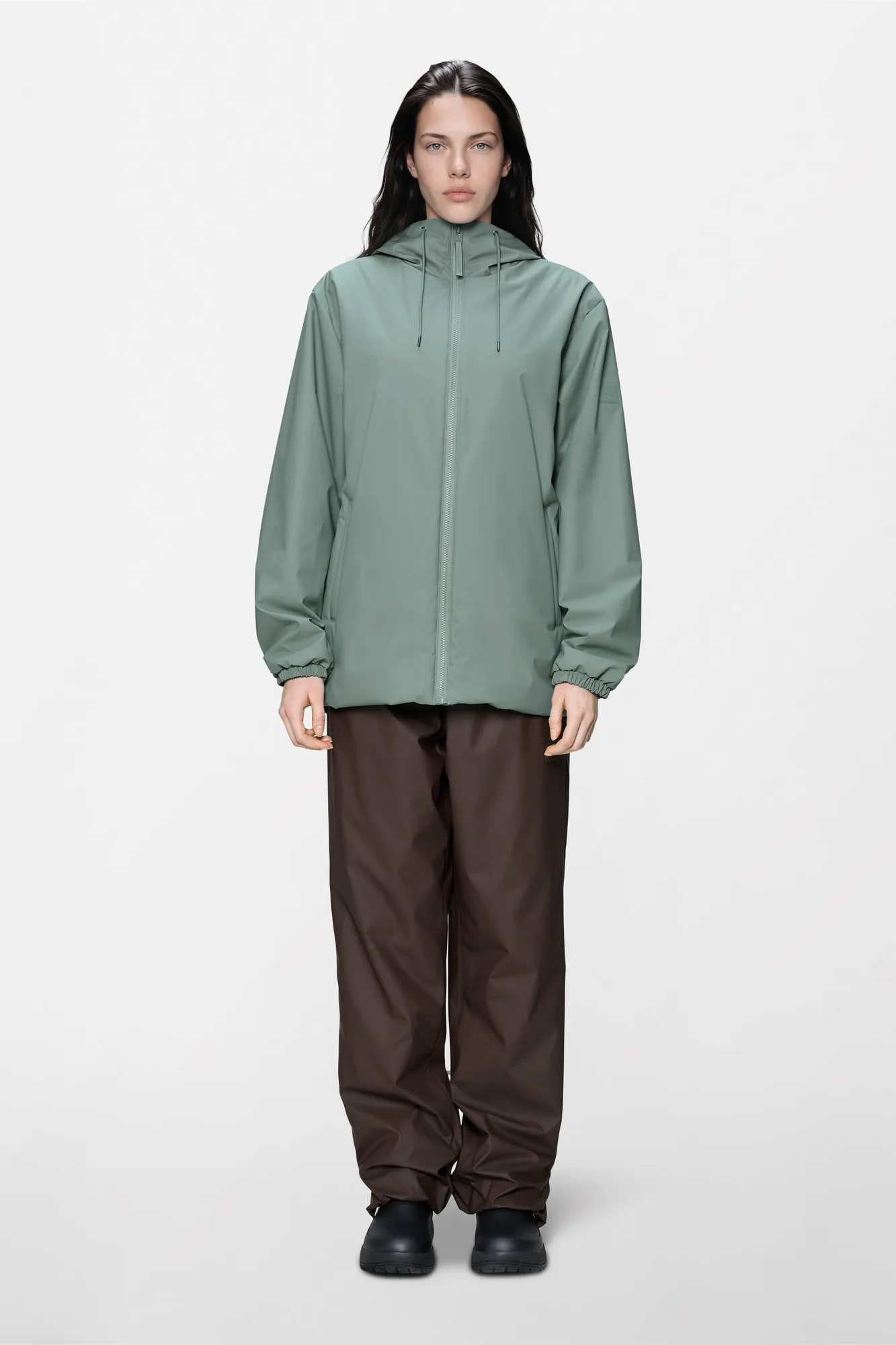
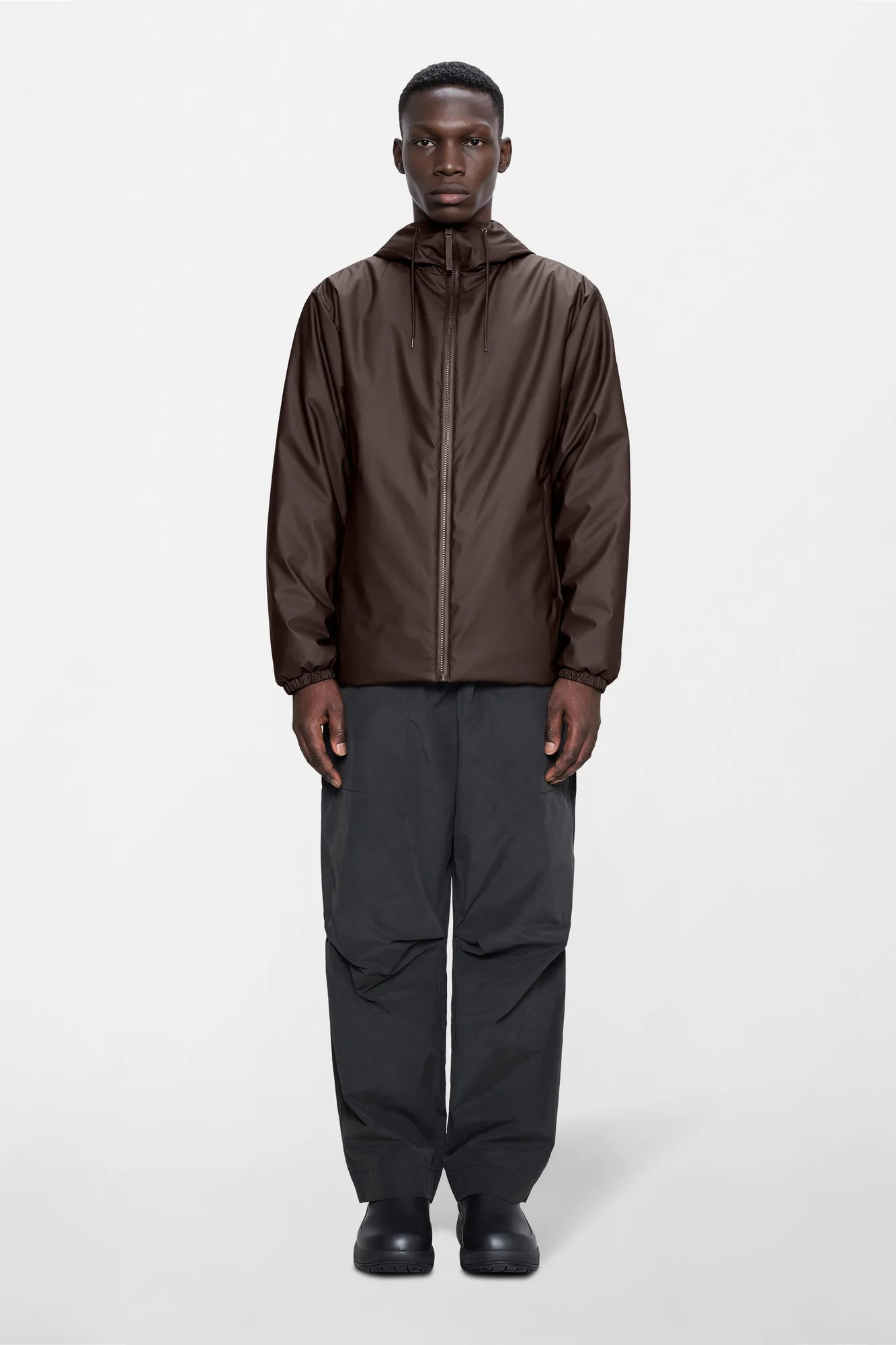
- Lohja Insulated Jacket: Lohja Insulated Jacket is a lightweight transeasonal piece. Design is understated and with high practicality. Lohja Insulated Jacket features concealed fleece-lined side pockets with elasticated cuffs. Topped by an insulated hood with drawstring adjustment. The Lohja collection fills the gap between rainwear and winter jackets. The design is a relaxed silhouette insulated with light padding making it your go-to jacket. Because it's a lightweight insulated piece, proper washing and drying are essential to keep the padding evenly distributed and maintain its transeasonal versatility.
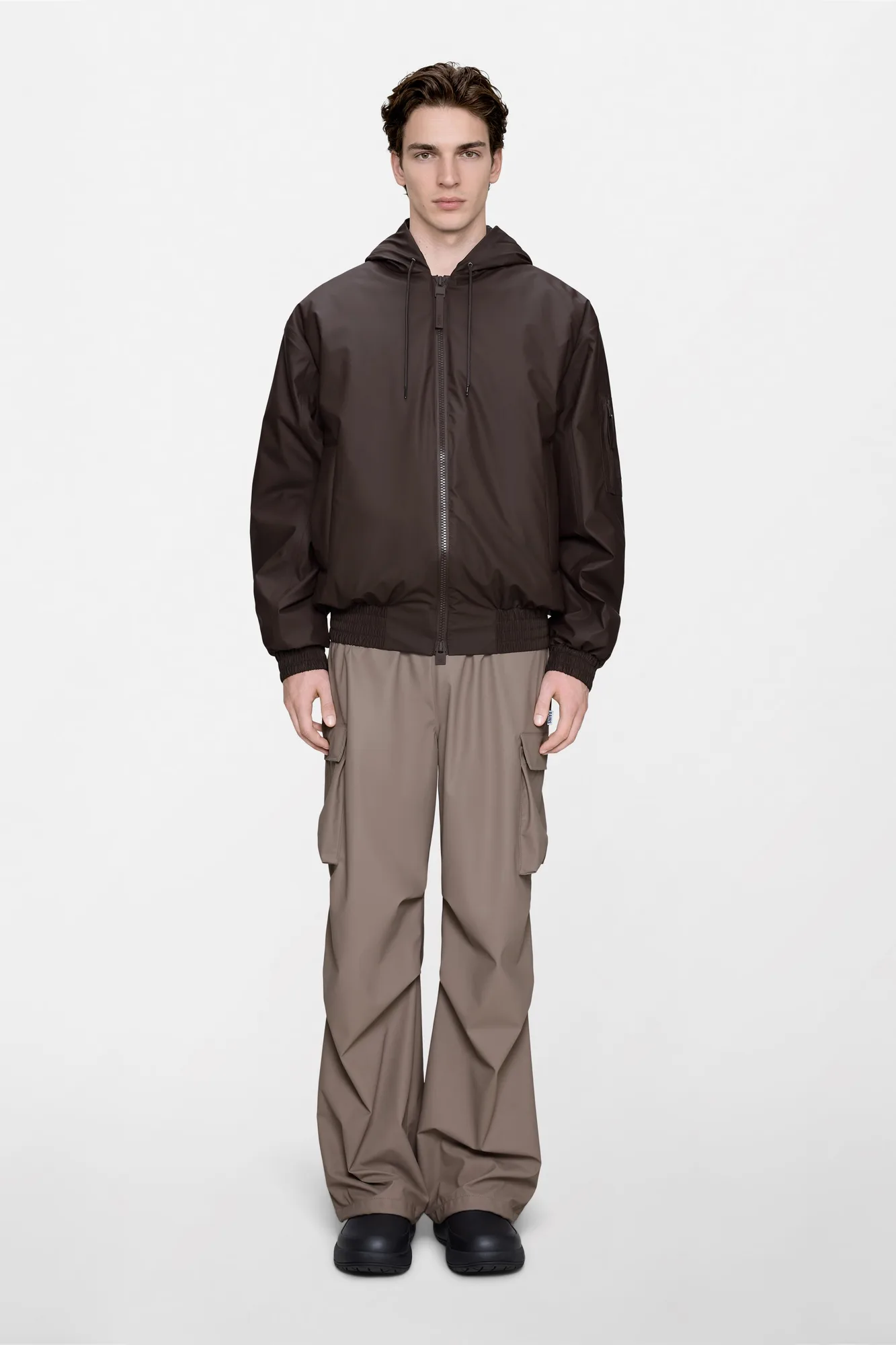
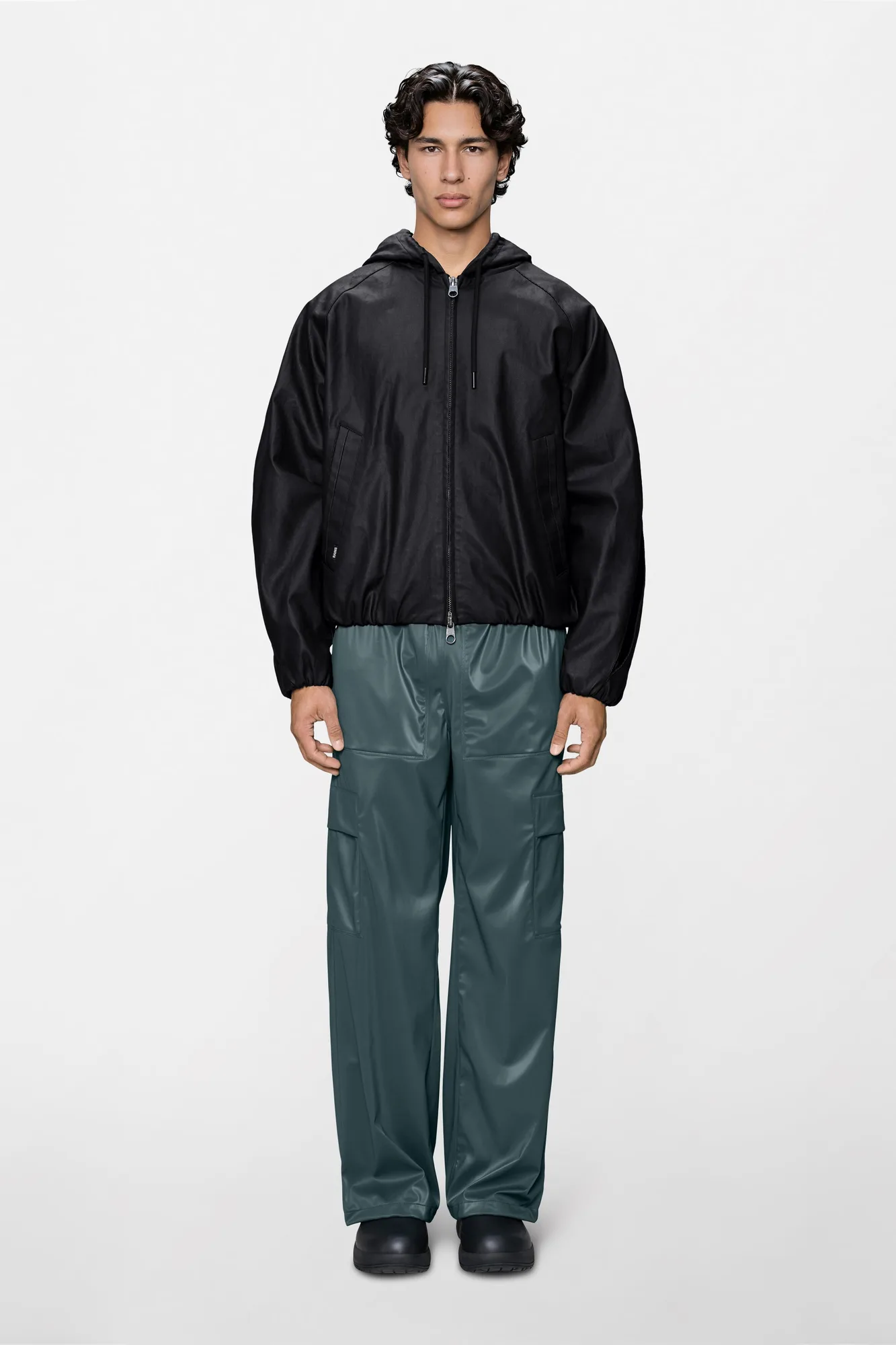
- Lohja Insulated Bomber Jacket: Weatherproof comfort with a bold expression. This bomber mixes winter utility and an oversized silhouette. Designed for in-between seasons and mild winter days, this bomber jacket features light insulation and a relaxed fit with exaggerated sleeve detailing. The insulated hood with drawstrings and high two-way zip closure offer reliable protection, while elasticated cuffs and waistband add comfort. The elasticated cuffs and waistband can lose their stretch if washed in hot water or dried on high heat, so gentle care helps preserve the fit and comfort.
Caring for your insulated jacket doesn't have to be complicated. With the right washing, drying, and storage habits, you can keep your Rains insulated jacket looking and performing its best. Regular maintenance not only preserves warmth but also ensures your jacket is ready whenever the weather turns cold.