Quick answer
Clean your mini RC car with camper after every outdoor run using a soft brush and a slightly damp cloth, check the wheels for hair and grit, and store it with the battery removed. Most performance problems come from dirty wheels or a partially charged battery, not from broken electronics.
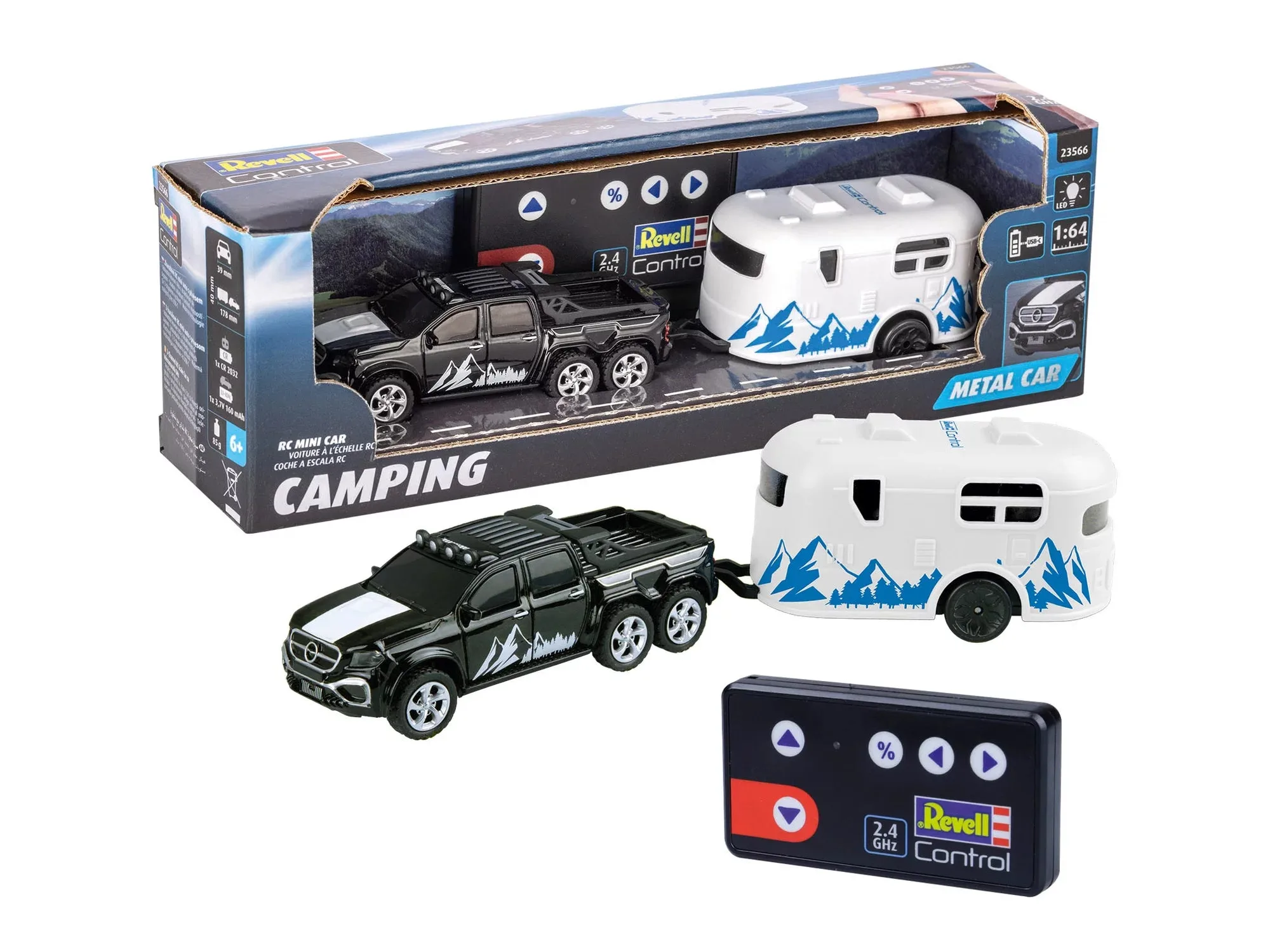
mini RC car with camper
Your mini RC car with camper is small, but it still picks up dust, hair, and grit every time you drive it. A five-minute routine after each run prevents most of the issues that make these cars feel slow, twitchy, or unresponsive.
This guide walks through a practical cleaning and maintenance process you can do at home with basic items. It also covers wheel care, battery habits, and simple troubleshooting so you can tell the difference between a dirty car and a real fault.
Why a regular routine matters for small RC cars
Small-scale RC cars have tight tolerances. Hair and carpet fibers wrap around axles quickly, and fine dust works into the drivetrain where it acts like sandpaper. Because the parts are tiny, even a small amount of debris creates noticeable drag.
A consistent routine also helps you spot real problems early. When you clean the car yourself, you notice a cracked body mount or a loose wheel before it becomes a bigger repair. That is far easier than diagnosing a fault after the car stops moving altogether.
- Clean after every outdoor session, not just when the car looks dirty.
- Keep a dedicated soft brush and microfiber cloth with your RC gear.
What you need before you start
You do not need a workshop. A soft paintbrush or clean toothbrush, a microfiber cloth, cotton swabs, and a can of compressed air cover almost everything. For the body, use plain water or a mild dish soap diluted in water.
Avoid harsh solvents, acetone, and household spray cleaners. They can cloud clear parts, soften decals, and damage the plastic. If you use compressed air, hold the can upright and keep the nozzle a few centimeters away so you do not blast debris deeper into the chassis.
- Never spray water directly onto the electronics or into the chassis.
- Let the car dry completely before storing it or running it again.
Step-by-step cleaning and maintenance
Start with the body and camper shell. Brush off loose dust, then wipe with a slightly damp cloth. If the body is very dirty, use a drop of mild soap on the cloth, then wipe again with clean water and dry immediately. Pay attention to the wheel arches and the underside of the camper, where dirt collects.
Next, turn the car upside down and brush the chassis and suspension arms. Use cotton swabs for crevices around the motor and axle mounts. Check each wheel for wrapped hair: remove it by hand or with tweezers, then spin the wheel to confirm it turns freely. Finish by checking screws and body clips for tightness, and recharge the battery before the next run.
- Do not use a wet cloth on the electronics or battery compartment.
- After cleaning, roll the car a short distance by hand to feel for binding.
Battery and storage habits
Most mini RC cars use a rechargeable battery pack. After a run, let the battery cool before charging, and do not leave it plugged in for days. If you are storing the car for more than a week, remove the battery and store it at room temperature, away from direct sunlight.
Store the car on a shelf or in a box rather than on the floor. Floor storage exposes it to dust, pet hair, and accidental kicks. If you keep the original box, use it; otherwise a simple plastic tub with a lid works well.
- Never store the car with a fully discharged battery for long periods.
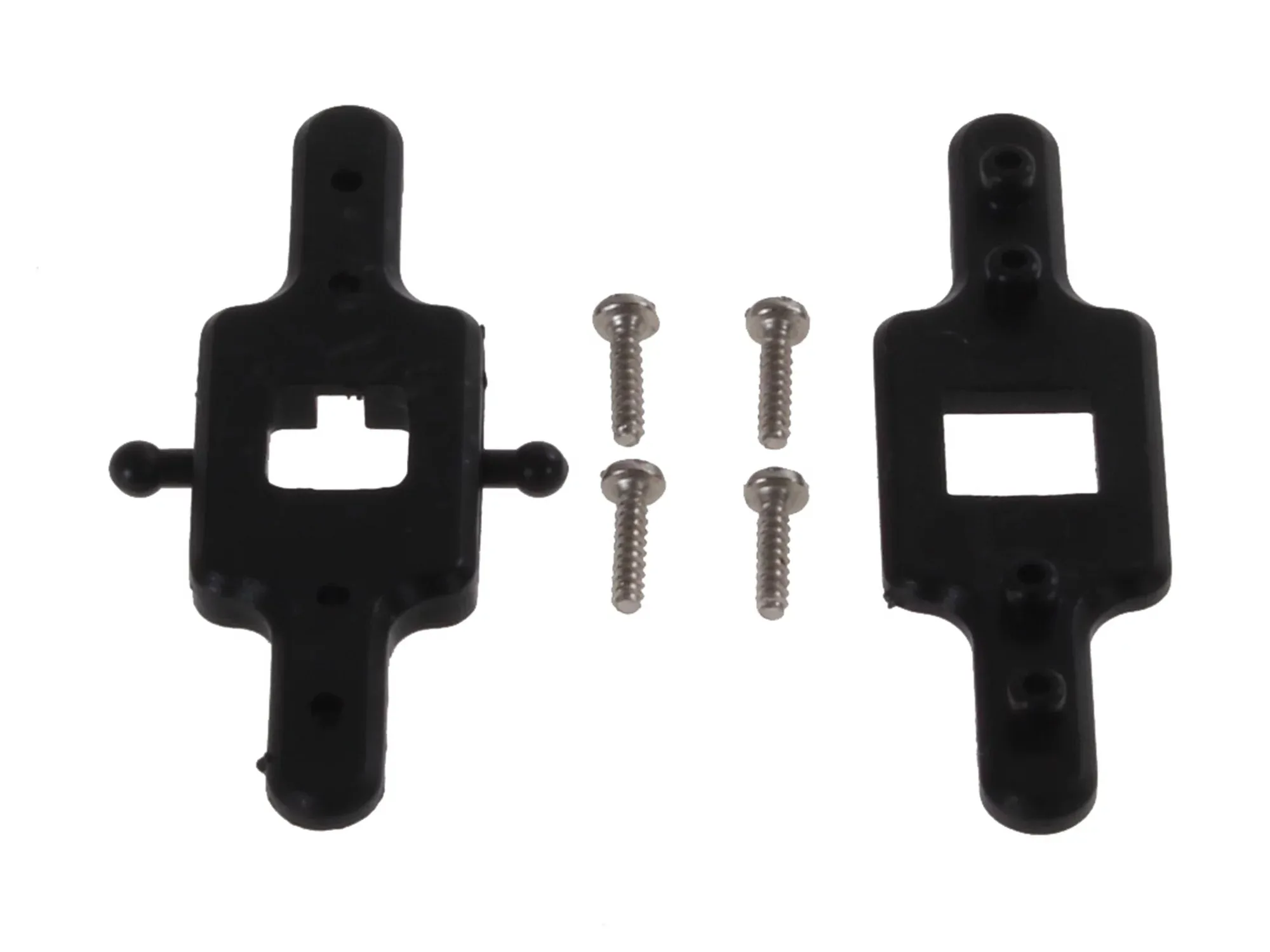
- Keep spare parts like the Upper Rotor Head for the Heli Magic Glow in a labeled bag if you also own Revell helicopters.
Quick troubleshooting checks
If the car feels slow or stops unexpectedly, first check the wheels for debris and confirm the battery is charged. A partially charged battery is the most common cause of weak performance. Also check that the transmitter batteries are fresh and that the car is within range.
If steering pulls to one side, remove any hair from the front axles and check for a bent steering link. If the car does not respond at all, confirm the power switch is on, the battery is connected, and the transmitter is bound. Most issues are simple, but if a part is genuinely broken, replace it rather than forcing it.
- Test the car on a clean, smooth surface before assuming a fault.
- If a wheel wobbles after cleaning, check that the wheel nut or clip is seated correctly.
Your five-step maintenance routine
- Brush off loose dirt: Use a soft brush to remove dust, grass, and hair from the body, camper shell, and chassis before wiping anything. Checkpoint: no visible debris left in the wheel arches.
- Wipe the body and camper: Wipe with a slightly damp microfiber cloth. Use a drop of mild soap for stubborn dirt, then wipe with clean water and dry immediately. Common mistake: soaking the body and letting water sit around decals or electronics.
- Clean the wheels and axles: Remove wrapped hair with tweezers, then spin each wheel by hand to confirm it turns freely and does not wobble. Checkpoint: all four wheels spin without binding or rubbing.
- Check fasteners and connections: Look for loose screws, body clips, and battery connectors. Tighten or reseat anything that moves when it should not. Common mistake: overtightening small screws and stripping the plastic threads.
- Charge, store, and log: Charge the battery, then remove it for storage. Store the car on a shelf or in a lidded box, not on the floor. Next step: keep a small note of any issue you noticed so you can address it before the next run.
Revell products that support your maintenance routine
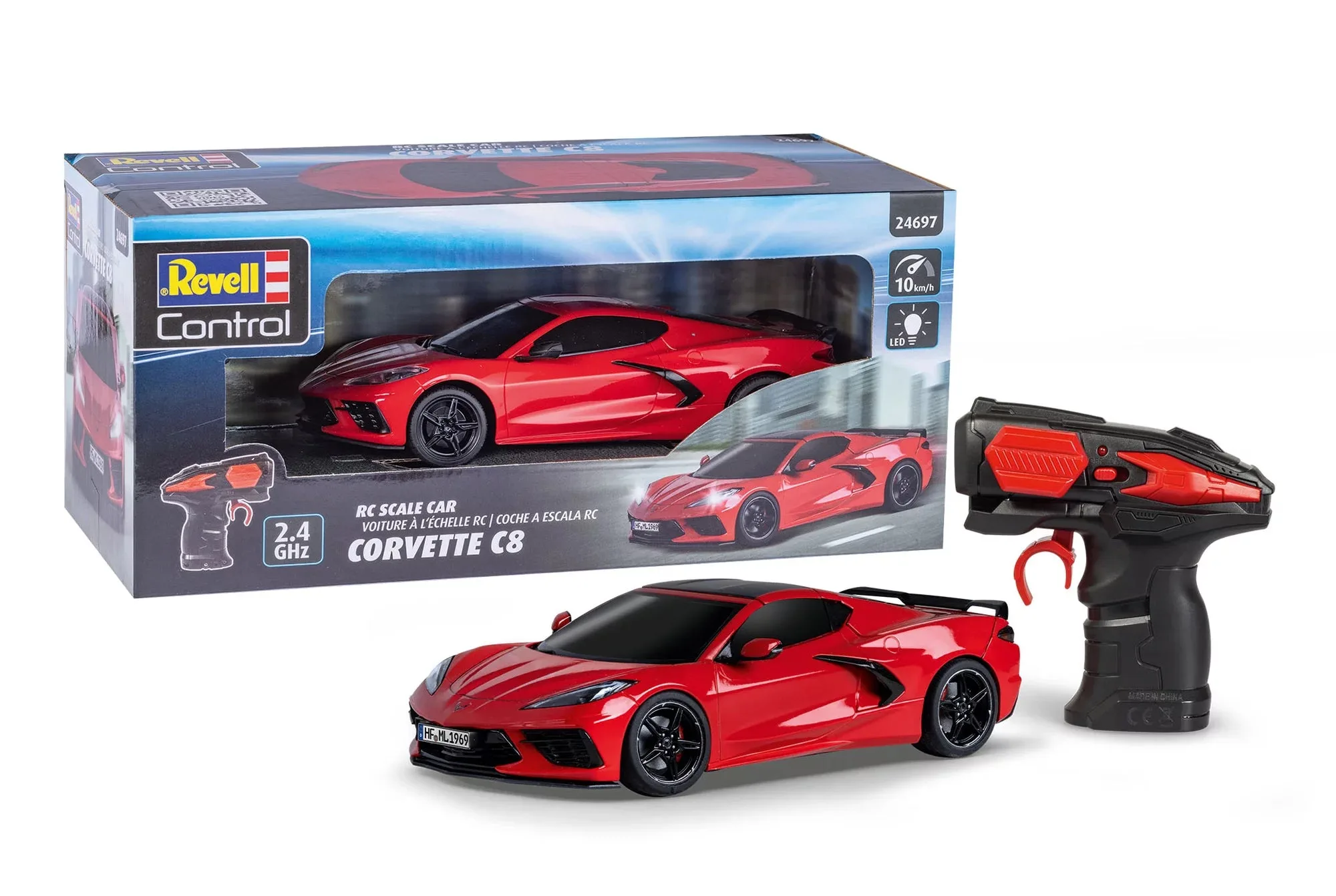
- RC Scale Car Corvette C8: The 1:24 scale Revell Control Corvette C8 is designed as an easy-to-use model that still offers real driving fun and realistic features. The same care principles apply to this car: keep the wheels clean and the battery charged, and it stays fun to drive.
- Upper Rotor Head - Heli Magic Glow (23934): This is a replacement upper rotor head for the Revell Heli Magic Glow (23934), listed under the Revell brand. If you also fly Revell helicopters, keeping a spare part like this on hand means a crash does not end your session.
- Matt "Carmine Red" (RAL 3002) Email Color - 14ml: Revell Color is a synthetic resin enamel paint that does not attack the plastic surface of plastic models and can be mixed with other colors except signal color. If a body shell gets scratched, this enamel is a safe touch-up option for plastic parts, though it is not intended for flexible RC bodies.
A consistent cleaning and maintenance routine keeps your mini RC car with camper ready to drive and helps you catch small problems before they become expensive ones. Clean it after every run, care for the wheels, and store it properly, and you will get far more enjoyment from it.