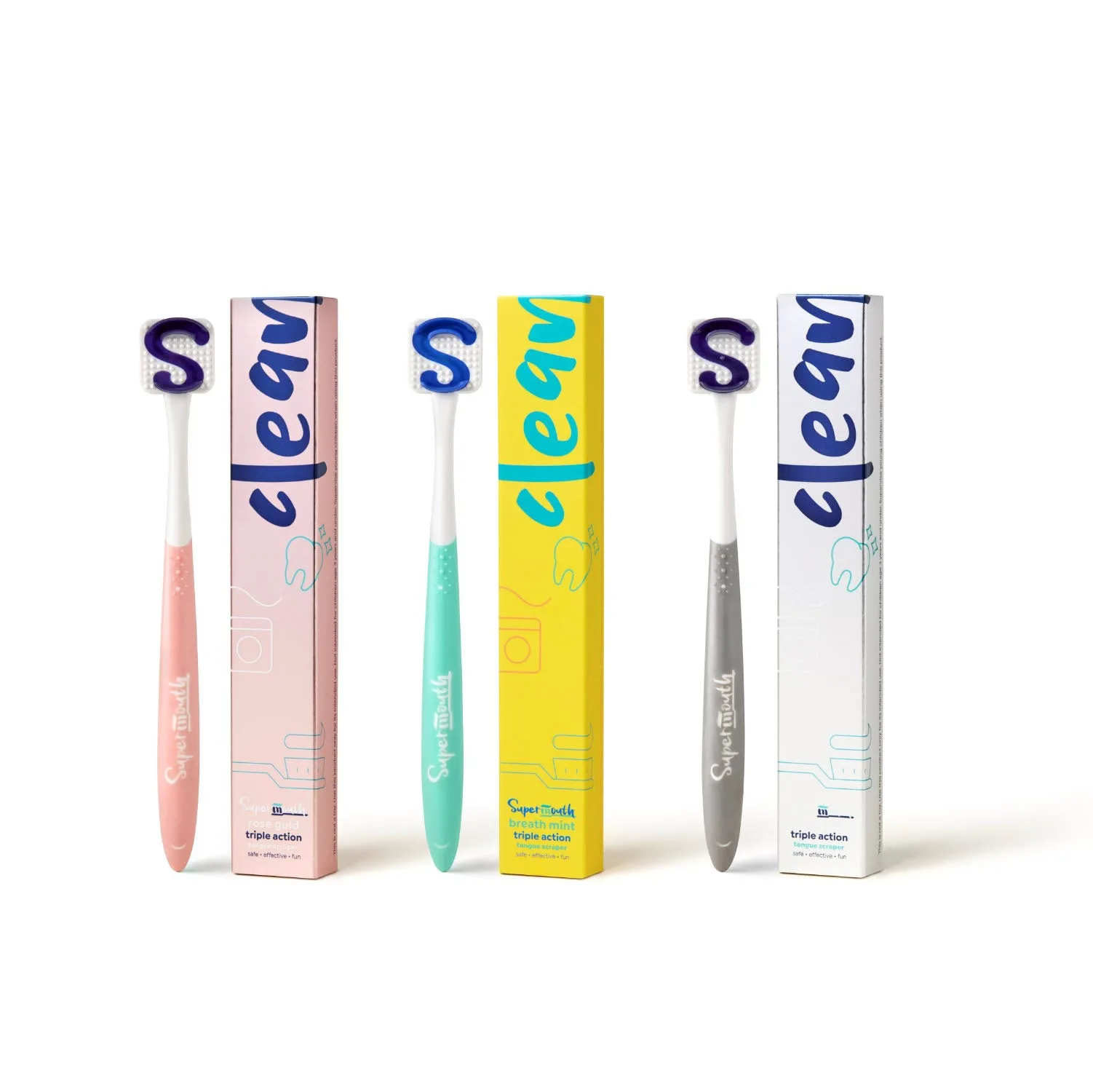
A tongue scraper is a powerful tool for banishing bad breath and improving your oral hygiene routine. But like any tool, it needs regular cleaning to stay effective and hygienic. If you neglect to clean your tongue scraper, bacteria and debris can accumulate, reducing its efficiency and potentially introducing more germs into your mouth. In this guide, we'll show you exactly how to clean and maintain your tongue scraper, whether it's made of stainless steel, plastic, or copper.
Proper tongue scraper maintenance doesn't take much time, but it does require consistency. By incorporating a quick rinse and occasional deep clean into your routine, you can ensure your scraper remains in top condition for months or even years. We'll also cover how to store your tongue scraper to prevent contamination and extend its lifespan. Let's dive in!
Why Cleaning Your Tongue Scraper Matters
Your tongue scraper comes into direct contact with bacteria, dead cells, and food debris every time you use it. If you don't clean it properly after each use, these microorganisms can multiply on the surface, turning your scraper into a breeding ground for germs. The next time you use it, you could be reintroducing those bacteria into your mouth, which defeats the purpose of scraping in the first place.
Moreover, a dirty tongue scraper can develop an unpleasant odor and even affect its performance. For example, food particles can get trapped in the tiny ridges of a stainless steel scraper, making it less effective at removing buildup. Regular cleaning not only keeps your scraper hygienic but also ensures it works optimally every time.
- Prevents bacterial buildup and bad breath
- Maintains the scraper's effectiveness
- Extends the lifespan of your tool
Step-by-Step Cleaning After Each Use
The simplest and most effective way to keep your tongue scraper clean is to rinse it immediately after each use. Hold the scraper under warm running water and use your fingers or a soft cloth to wipe away any residue. This quick rinse removes the bulk of the debris and prevents it from drying onto the surface.
For a more thorough clean, you can use a small amount of mild dish soap. Apply a drop to the scraper, work it into a lather with your fingers, and then rinse thoroughly. Avoid using abrasive cleaners or scrub brushes, as they can scratch the surface and create tiny crevices where bacteria can hide. After rinsing, shake off excess water and pat dry with a clean towel or let it air dry.
- Rinse under warm water immediately after use
- Use mild dish soap for a deeper clean once a day
- Dry thoroughly to prevent water spots and bacterial growth
Deep Cleaning and Disinfecting
In addition to daily cleaning, it's a good idea to deep clean your tongue scraper once a week to kill any lingering bacteria. One effective method is to soak the scraper in a solution of equal parts water and hydrogen peroxide for 10-15 minutes. Hydrogen peroxide is a gentle disinfectant that won't damage most materials. After soaking, rinse thoroughly with water and dry.
For stainless steel and copper scrapers, you can also boil them in water for a few minutes to sterilize them. However, this method is not suitable for plastic scrapers, as high heat can warp or melt them. Always check the manufacturer's instructions for your specific scraper material to avoid damage.
- Soak in hydrogen peroxide solution weekly
- Boil stainless steel and copper scrapers for sterilization (not plastic)
- Never use harsh chemicals or abrasive pads
How to Store Your Tongue Scraper
Proper storage is just as important as cleaning. After cleaning and drying your tongue scraper, store it in a dry, well-ventilated area. Avoid leaving it in a damp bathroom cabinet or on the sink where it can stay wet and become a breeding ground for bacteria. Many people find it convenient to keep their scraper in a holder or case, especially if they travel.
If you don't have a case, you can simply place the scraper upright in a cup or holder that allows air circulation. Ensure it doesn't come into contact with other toothbrushes or oral care tools to prevent cross-contamination. For those who prefer a dedicated solution, products like the Flossosaurus Floss Dispenser and Nightlight can help keep your oral care tools organized, though it's designed for floss, it can also serve as a handy storage spot for your scraper.
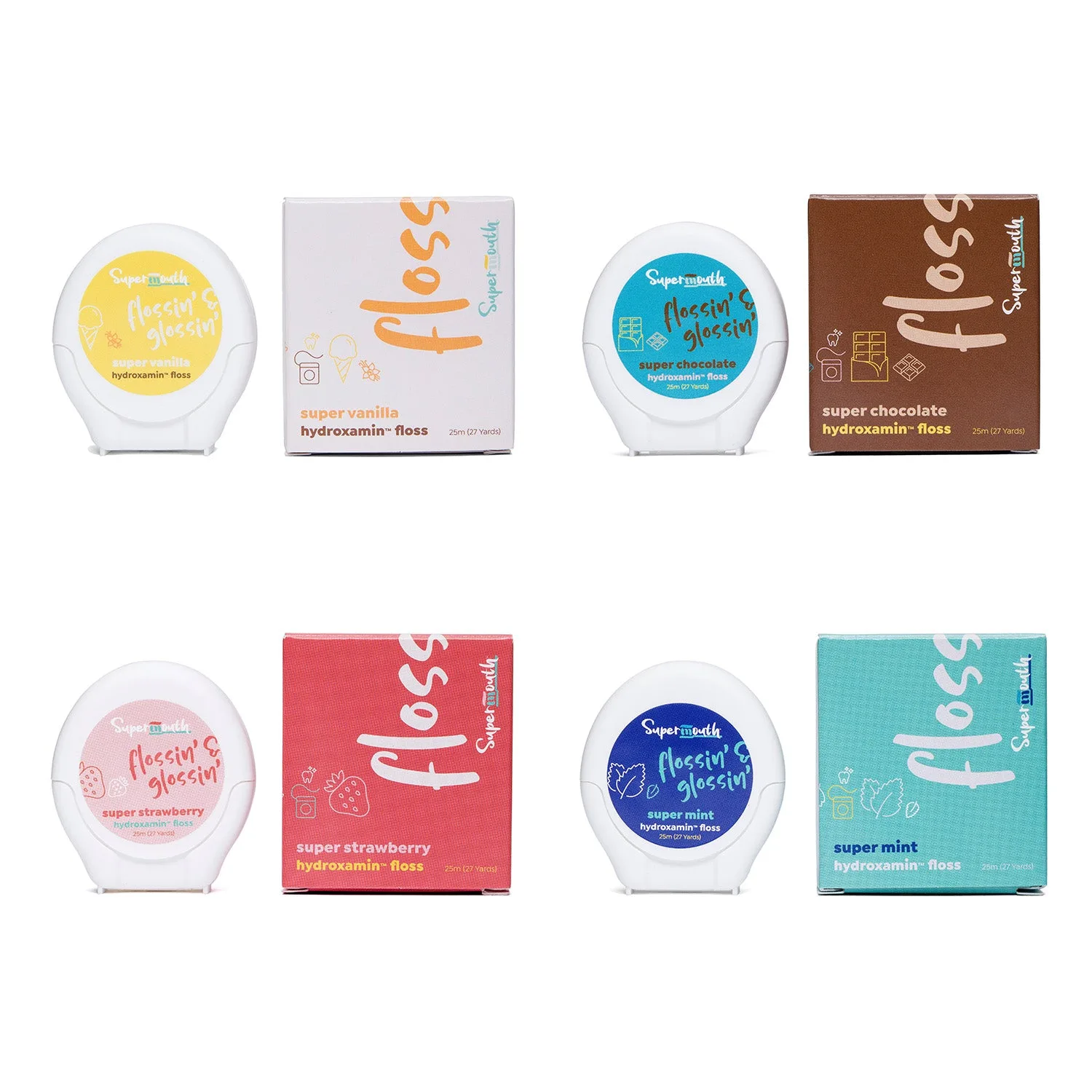
Flossosaurus Floss Dispenser and Nightlight
- Store in a dry, ventilated area
- Use a holder or case to protect from dust and germs
- Keep separate from toothbrushes to avoid cross-contamination
When to Replace Your Tongue Scraper
Even with excellent care, tongue scrapers don't last forever. Over time, the material can degrade, and tiny scratches can harbor bacteria. As a general rule, replace your tongue scraper every 3-6 months, or sooner if you notice signs of wear such as bending, cracking, or a persistent odor that doesn't go away with cleaning.
If you use a plastic scraper, you may need to replace it more frequently, as plastic is more prone to harboring bacteria and staining. Stainless steel scrapers tend to last longer, but they still require regular maintenance. When in doubt, it's better to err on the side of caution and replace your scraper to maintain optimal oral hygiene.
- Replace every 3-6 months or when signs of wear appear
- Plastic scrapers may need more frequent replacement
- Watch for bending, cracking, or persistent odors
Tips for Maintaining Different Materials
Different materials require slightly different care. Stainless steel tongue scrapers are durable and can withstand boiling, but they can show water spots if not dried properly. Copper scrapers are naturally antimicrobial but can tarnish over time; you can polish them with a mixture of lemon juice and baking soda. Plastic scrapers are lightweight and affordable but are more prone to scratching and bacterial buildup, so they need extra attention to cleaning.
Regardless of the material, avoid using toothpaste to clean your scraper, as it can be too abrasive. Stick to mild soap and water, and always dry your scraper thoroughly after cleaning. By following these material-specific tips, you can ensure your tongue scraper remains in excellent condition for as long as possible.
- Stainless steel: dry immediately to prevent water spots
- Copper: polish with lemon and baking soda to remove tarnish
- Plastic: clean thoroughly and replace more often
Cleaning and maintaining your tongue scraper is a simple yet crucial part of your oral care routine. By following the steps outlined above, you can ensure your scraper stays hygienic, effective, and long-lasting. Remember to rinse after each use, deep clean weekly, and store it properly. If you're looking for a high-quality tongue scraper that's easy to maintain, consider the supermouth-293690">supermouth-293688">SuperMouth Tongue Scraper, which is designed for durability and easy cleaning. With proper care, you'll enjoy fresh breath and a cleaner mouth every day.