Quick answer
Clean Glasslock containers with warm water, dish soap, and a soft sponge; for stains, make a paste of baking soda and water, apply for 10–15 minutes, then scrub gently. Wash lids by hand to protect the gasket, and avoid abrasive pads or sudden temperature changes that can weaken glass.
Daily washing that keeps glass clear
After each use, wash glass containers promptly with warm water and a small amount of dish soap. Use a soft sponge or bottle brush to remove food residue; a nylon brush works well for corners. Rinse thoroughly and air-dry upside down on a rack. If you use a dishwasher, place containers on the top rack and skip the heated dry cycle to reduce clouding over time. Lids should go on the top rack only if the manufacturer allows it, but hand washing is safer for the gasket.
Removing stains from glass food containers
Tomato, curry, and oil-based sauces can leave a tint even after washing. For light stains, sprinkle baking soda on a damp sponge and rub in a circular motion. For tougher stains, mix baking soda with enough water to form a paste, coat the stained area, and let it sit for 10–15 minutes. Scrub gently with a non-abrasive pad, then wash and rinse. For mineral film or hard-water spots, soak the container in a 1:1 solution of white vinegar and water for 30 minutes, then wash as usual. Avoid steel wool and abrasive cleansers that can scratch glass and make future staining more likely.
Eliminating lingering odors
If a container still smells after washing, soak it in a solution of 1 tablespoon baking soda per quart of warm water for several hours or overnight. For stubborn odors, add a splash of white vinegar to the soak. Rinse well and let the container air out completely before storing. Storing with the lid off helps prevent trapped odors. Never use bleach on glass containers unless the manufacturer explicitly approves it, as residue can linger.
Glasslock lid care and maintenance
Lids and silicone gaskets need gentler handling than glass. Wash lids by hand with warm soapy water, then rinse and air-dry completely before reusing. Avoid soaking lids in very hot water or putting them in the dishwasher if you want to extend gasket life. Over time, gaskets may discolor or lose flexibility. When a lid no longer seals well, replace the entire lid; gaskets are not available as a separate replacement part at this time. Lid sizes correspond to the model number on the bottom of your glass container (letters followed by the first three digits), so check that number before ordering a replacement. The color of the lid and/or silicone gasket may vary.
What to avoid for long-lasting glass
Sudden temperature changes can crack glass, so let containers cool before washing or filling. Do not use abrasive scouring pads, steel wool, or harsh chemical cleaners. Avoid stacking heavy items directly on lids, which can warp them. If you notice chips or deep scratches in the glass, retire the container to prevent breakage. For oven use, follow the manufacturer's temperature limits; not all Glasslock containers are oven safe.
Step-by-step cleaning routine
- Scrape and rinse: Remove large food particles with a silicone spatula, then rinse with warm water. Avoid using metal utensils that can scratch the glass. Checkpoint: no visible food debris remains.
- Wash with soap and soft sponge: Fill the container with warm water and a few drops of dish soap. Scrub the inside and outside with a soft sponge or nylon brush. Pay attention to corners and edges. Mistake to avoid: using abrasive pads that dull the glass surface.
- Treat stains with baking soda paste: For colored stains, mix baking soda and water into a paste. Apply to the stain and let sit for 10–15 minutes. Scrub gently, then rinse. Checkpoint: stain is gone or significantly faded. Repeat if needed.
- Deodorize with baking soda soak: If odors linger, soak the container in a solution of 1 tablespoon baking soda per quart of warm water for several hours or overnight. Rinse well. Mistake to avoid: sealing a damp container with the lid on, which traps odors.
- Hand wash lids and gaskets: Wash lids by hand with warm soapy water. Rinse and air-dry completely before storing. Do not soak in hot water or put in the dishwasher if you want to prolong gasket life. Checkpoint: gasket is flexible and lid seals properly. If not, replace the lid.
- Air-dry and store smart: Let glass containers air-dry upside down on a rack. Store with lids off or loosely attached to allow airflow. Keep containers away from sudden temperature changes. Next step: if you need replacement lids, check the model number on the bottom of your container before ordering.
Replacement lids and sets
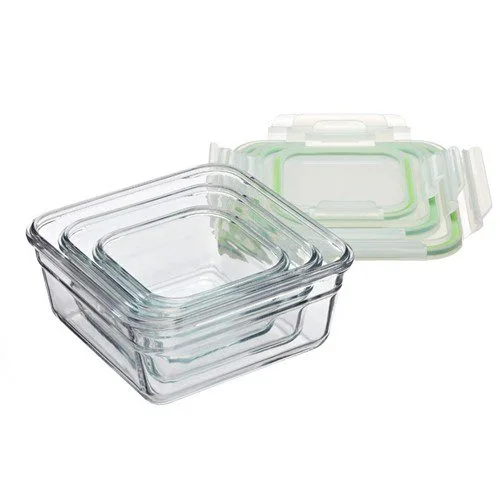
- Square Lids: Square Lids are available as replacement parts, with sizes corresponding to the model number on the bottom of your glass container (letters followed by the first three digits). The color of the lid and/or silicone gasket may vary. If your square container lid warps or loses its seal, you can replace just the lid instead of buying a whole new set. Check the model number first to order the right size.
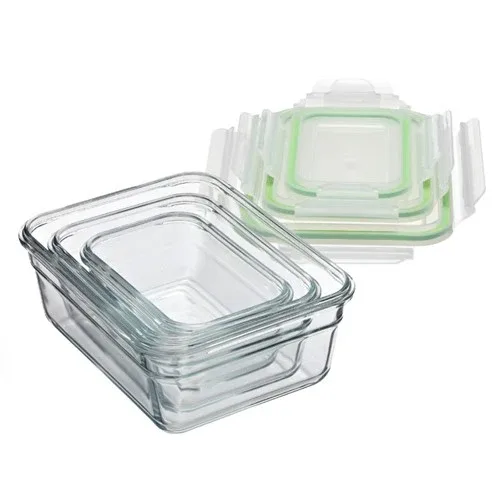
- Rectangle Lids: Rectangle Lids are available as replacement parts, sized by the model number on the bottom of your container. Gaskets are not sold separately; only the complete lid can be replaced. When a rectangular lid no longer seals, replacing the lid is the practical fix. Knowing this helps you avoid searching for a gasket-only solution.
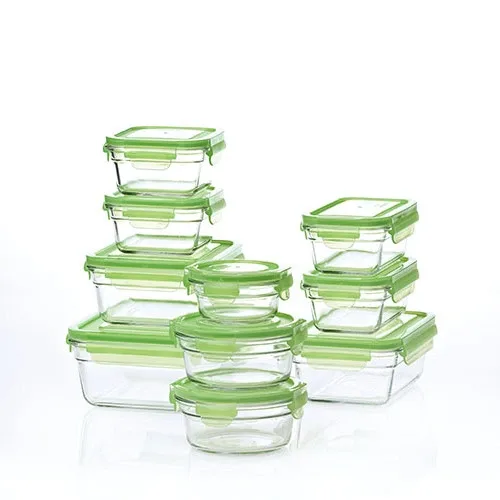
- 11293 – 20pc Glasslock Oven Safe Box Set: The 11293 – 20pc Glasslock Oven Safe Box Set includes rectangular, square, and round containers with matching lids. Packaging labels may vary from what is featured on www.glasslockusa.com. If you need multiple sizes for stain-prone foods like tomato sauce or curry, this set gives you options to rotate containers and clean thoroughly between uses.