Quick Answer
Clean your cooling shemagh scarf by hand or machine on a gentle cycle with mild detergent, then air dry away from direct heat. Store it flat or loosely rolled in a cool, dry place to preserve the evaporative fabric and prevent mildew.
Why Proper Care Matters for Cooling Fabrics
Cooling shemagh scarves rely on evaporative technology: the fabric holds water and releases it slowly, creating a cooling effect as air passes over it. Harsh detergents, fabric softeners, or high heat can clog the fibers or break down the material, reducing the scarf's ability to cool. Regular gentle cleaning also prevents salt buildup from sweat and dust, which can stiffen the fabric and cause odors.
What You'll Need
Gather a mild detergent (free of bleach and fabric softener), a basin or sink for hand washing, a clean towel for pressing out excess water, and a drying rack or line. If machine washing, use a mesh laundry bag to protect the scarf from snags.
Step-by-Step Cleaning & Storage Guide
- 1. Pre-treat stains and rinse: Check the scarf for mud, grass, or other debris. Rinse it under cool running water to remove loose dirt. For stubborn spots, apply a drop of mild detergent directly and gently rub with your fingers. Avoid scrubbing aggressively, as this can damage the cooling fibers. Common mistake: using hot water or bleach. Hot water can set stains and degrade the fabric; bleach destroys the evaporative properties.
- 2. Wash gently: Hand wash: Submerge the scarf in cool water with a small amount of mild detergent. Swish it around for a minute, then let it soak for 10-15 minutes. Rinse thoroughly until no soap remains. Machine wash: Place the scarf in a mesh laundry bag, select a gentle cycle with cold water, and use half the normal detergent amount. Never use fabric softener or dryer sheets—they coat the fibers and block evaporation. Checkpoint: After rinsing, the water should run clear with no suds. Residual detergent can cause irritation on your pet's skin.
- 3. Remove excess water without wringing: Lay the wet scarf flat on a clean towel. Roll the towel up with the scarf inside and press gently to absorb moisture. Do not twist or wring the scarf—this can stretch the fabric and damage the cooling fibers. The scarf should be damp, not dripping. Common mistake: wringing the scarf out. This distorts the weave and can create weak spots that lead to tearing.
- 4. Air dry completely: Hang the scarf on a drying rack or clothesline in a well-ventilated area away from direct sunlight, radiators, or dryers. High heat can shrink or melt synthetic cooling fibers. Allow it to dry fully before storing—this usually takes a few hours. Do not iron. Checkpoint: The scarf should feel dry to the touch with no damp spots. Storing it even slightly damp invites mildew and odors.
- 5. Store in a cool, dry place: Fold the dry scarf loosely or roll it gently—avoid tight creases that can weaken the fabric over time. Place it in a drawer, bin, or on a shelf away from moisture and direct sunlight. If you use it daily, keep it accessible but protected from dust and pet hair. Common mistake: storing the scarf in a sealed plastic bag while still damp. This traps moisture and leads to mold. Always ensure the scarf is bone-dry before sealing it away.
Product Spotlight
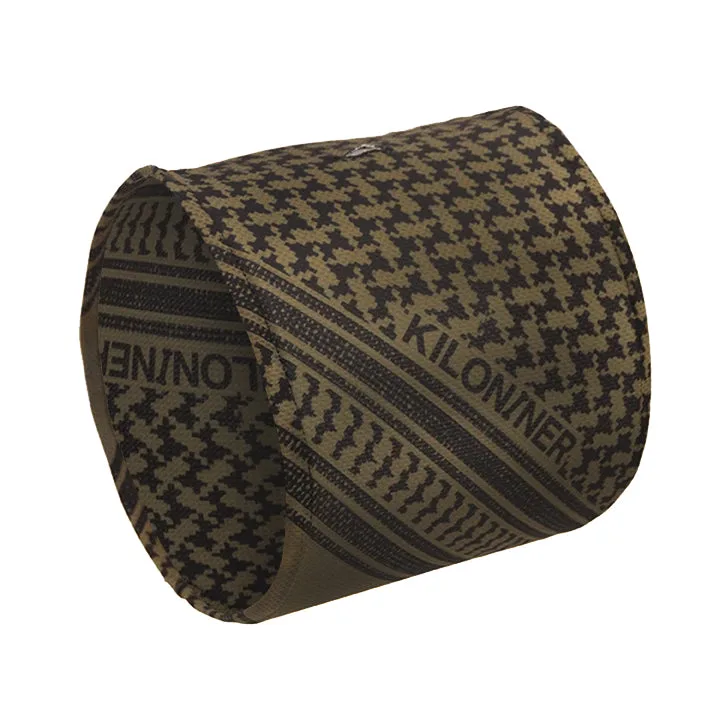
- Cooling Shemagh Scarf: Kiloniner Cooling Shemagh Scarf uses evaporative cooling technology to provide cooling relief during warm to extreme weather conditions and may help reduce the risk of heat stress. Because the cooling effect depends on the fabric's ability to absorb and evaporate water, using the right cleaning method keeps the fibers open and functional. Harsh chemicals or heat can permanently reduce this performance.