Quick answer
To clean baby bottles properly, rinse immediately after use, wash with a dedicated bottle brush and hot soapy water, then sterilise using your preferred method. Store dry bottles in a clean, covered container. Always check teats and valves for residue.
Why proper bottle cleaning matters
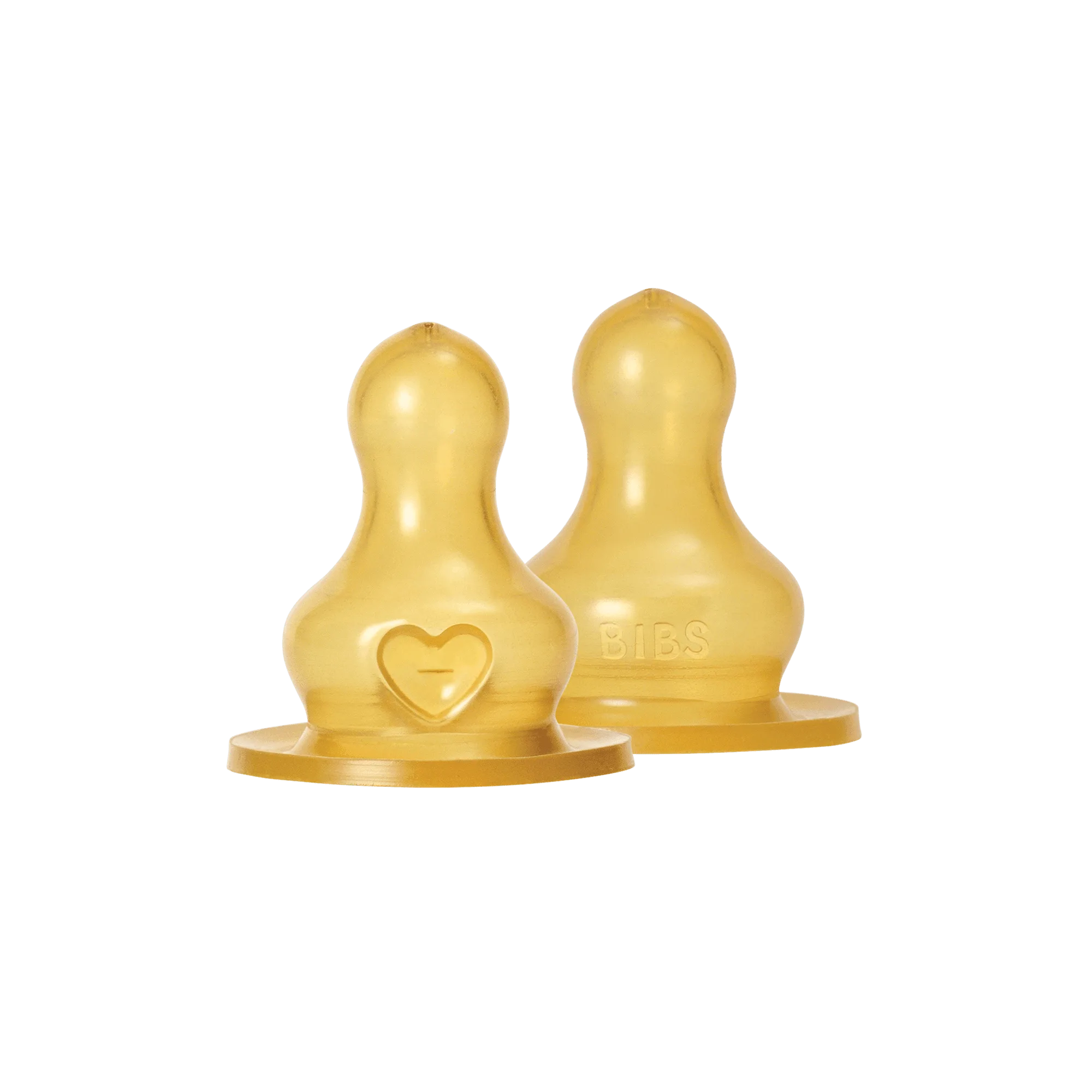
Baby bottles can harbour bacteria from milk residue, which can cause digestive upset or infections. Thorough cleaning and sterilisation are essential until your baby is at least 12 months old, especially for premature or immunocompromised infants. Using a dedicated bottle brush and drying rack helps prevent cross-contamination from kitchen sponges or dishcloths.
Step-by-step guide to cleaning and storing baby bottles
- Rinse immediately after use: As soon as your baby finishes a bottle, rinse it with cool or lukewarm water to remove milk residue. This prevents milk from drying and sticking to the sides, which makes later cleaning harder. Common mistake: leaving bottles to sit with leftover milk. Rinse within 30 minutes for best results.
- Disassemble all parts: Take the bottle apart completely: separate the collar, teat, valve (if present), and cap. Each part needs individual attention because milk can hide in threads and under the teat rim. Checkpoint: if your teat has a slit or valve, ensure no milk is trapped inside.
- Wash with hot soapy water and a dedicated brush: Use a clean bottle brush and hot, soapy water to scrub every part. Pay special attention to the bottom of the bottle and the inside of the teat. A small teat brush reaches tight spots. Rinse thoroughly under running water. Common mistake: using a kitchen sponge that may carry bacteria from other dishes. Always use a dedicated bottle brush.
- Sterilise using your preferred method: Sterilise bottles and teats by boiling for 5 minutes, using a steam steriliser, or following the manufacturer's instructions for microwave steriliser bags. Sterilisation kills any remaining germs and is recommended until your baby is at least 12 months old. Checkpoint: after sterilising, let parts air-dry on a clean drying rack – do not wipe them with a towel, which can reintroduce bacteria.
- Store dry in a clean, covered container: Once bottles and teats are completely dry, store them in a clean, lidded container or a dedicated bottle storage box. Keep the container in a cool, dry place away from direct sunlight and kitchen fumes. Common mistake: storing wet bottles, which encourages mould growth. Ensure everything is bone-dry before sealing.
Product recommendations for bottle care
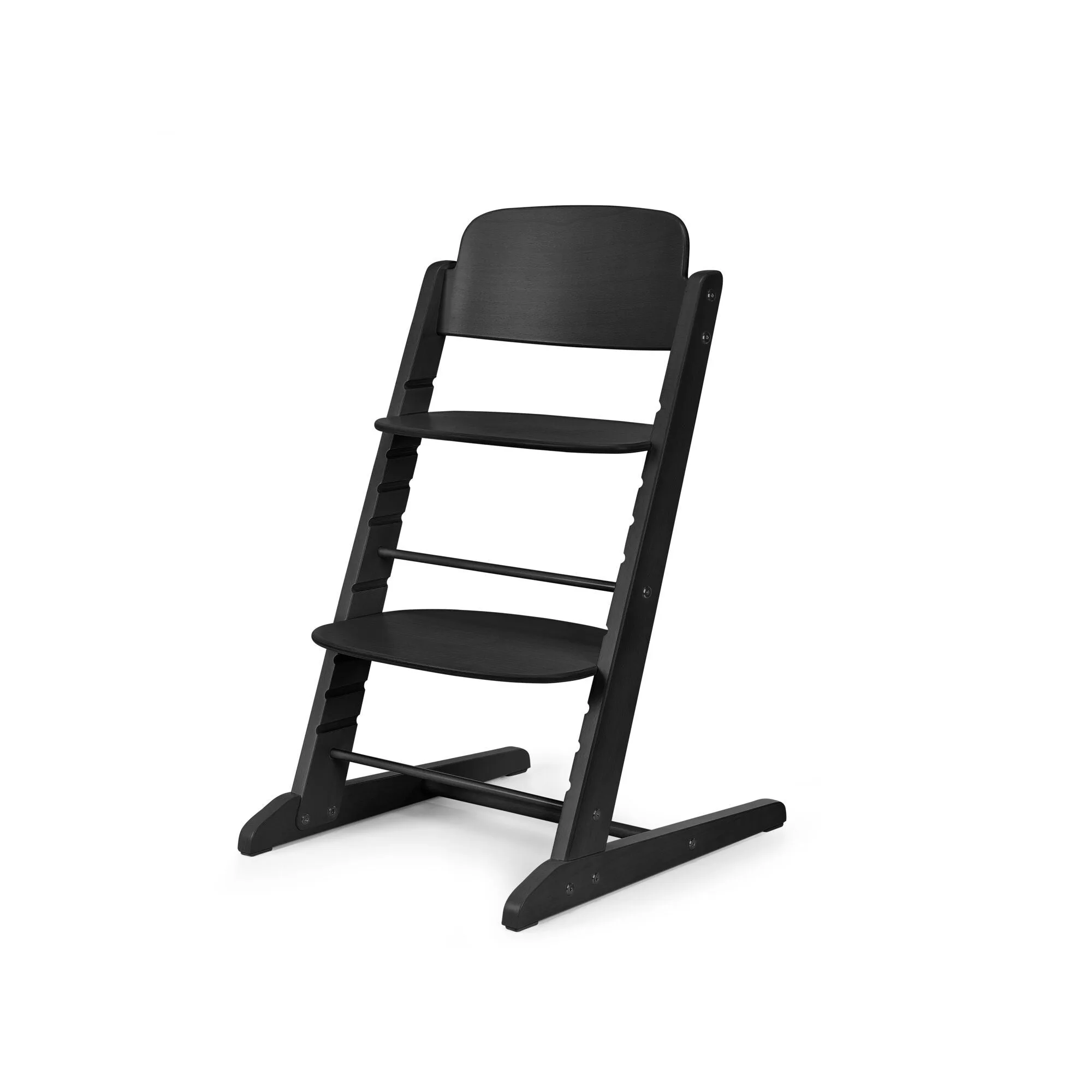
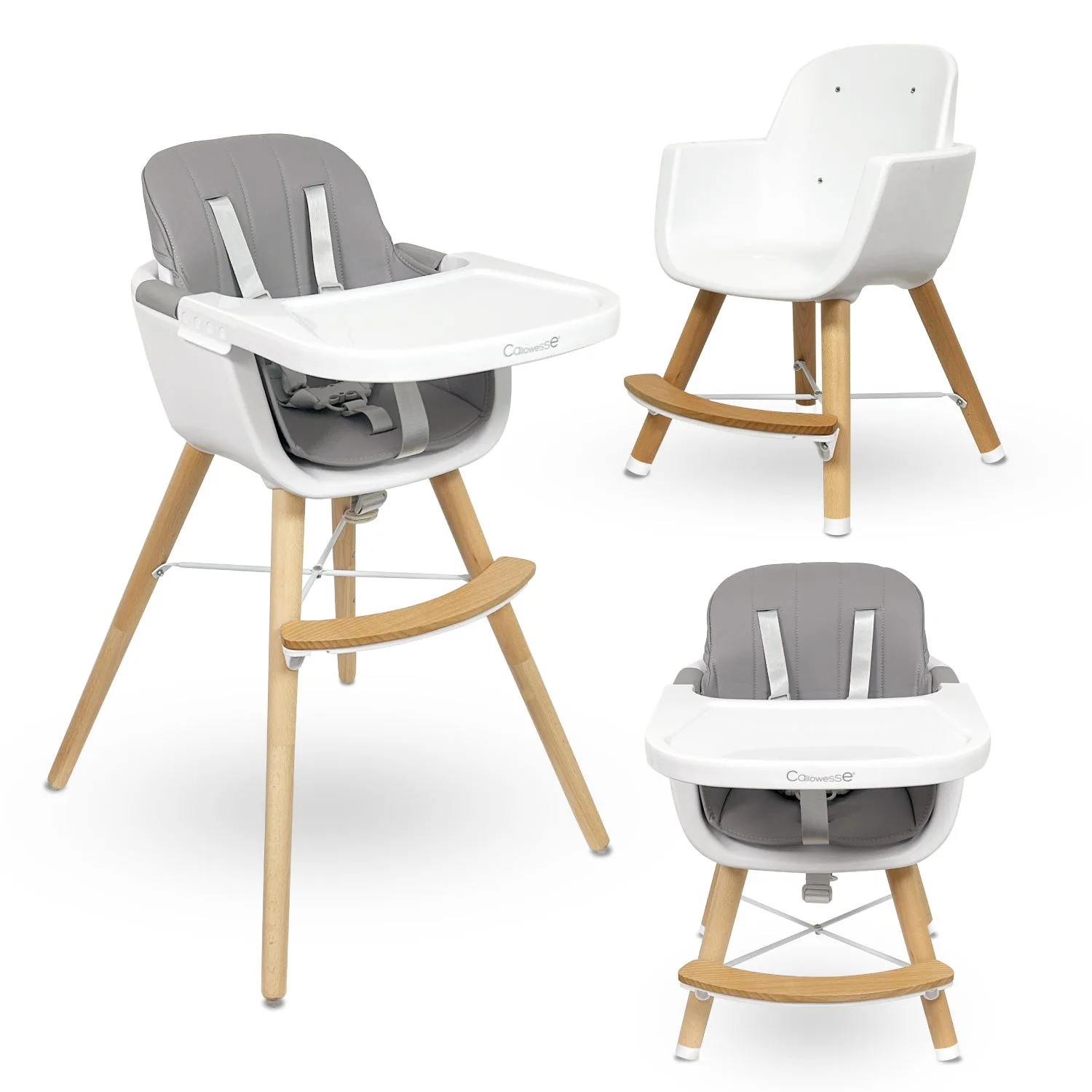
- Hauck Alpha+ Highchair Baby Seat Pad - Dark Grey: The Hauck Alpha+ Highchair Baby Seat Pad, Dark Grey is a versatile 2-in-1 accessory that fits the Highchair Baby Seat insert or the Hauck Alpha+, Beta+ and Arketa wooden highchairs. It is OEKO-TEX® STANDARD 100-certified for child-safe materials and made from soft cotton fabric. A clean, comfortable seat pad makes feeding time more pleasant and supports good posture, which is especially helpful when your baby is learning to sit upright during bottle feeds.
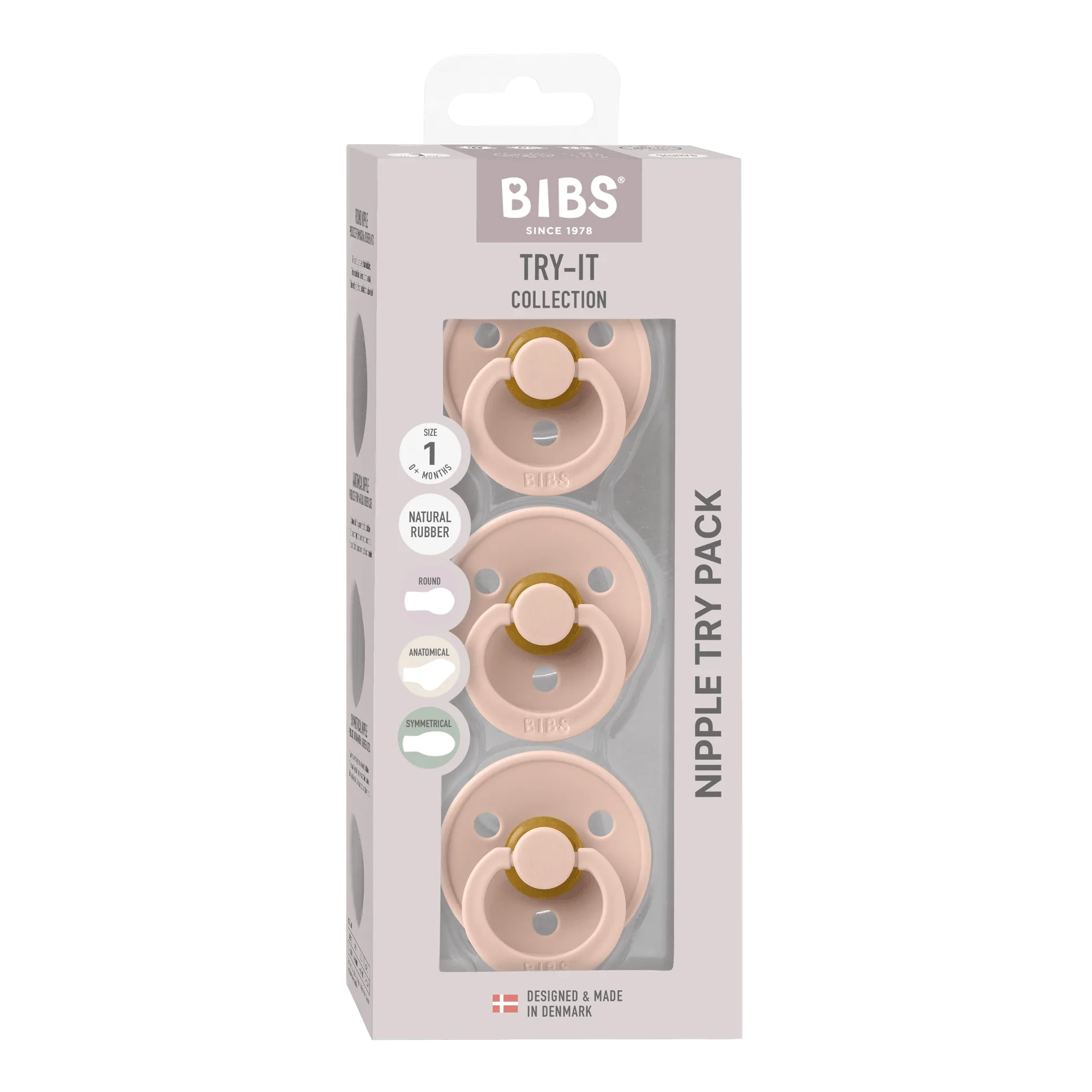
- BIBS Colour Try It 3 Piece Pacifier Set - Baby Blue: The BIBS Colour Pacifier Try-It Set, Baby Blue includes three pacifiers with distinct teat shapes – Round, Cherry, and Symmetrical – to help you find the shape your baby prefers. Each pacifier is made from safe, tested materials. After a clean bottle, a pacifier that your baby accepts can soothe them during or between feeds. Having multiple shapes on hand lets you match your baby's sucking needs without buying full packs of each type.
- ergobaby Upsie Toddler Sling Carrier - Natural Beige: The Ergobaby Upsie Sling Carrier, Natural Beige is a compact, lightweight carrier suitable for babies and toddlers from 6 to 48 months (7.7–20.4 kg). It features an ergonomic seat for healthy hip and spine support and a cushioned shoulder strap for parent comfort. Once bottles are cleaned and stored, a comfortable carrier lets you move around freely while keeping your baby close – ideal for multitasking parents who need to prep the next feed on the go.