Quick Answer
Clean kitchen shears by hand with warm soapy water and a brush, then dry immediately. Store them in a dry place, preferably in a sheath or on a magnetic strip, to protect the blades and prevent rust.
Why Proper Care Matters
Kitchen shears are a versatile tool used for everything from snipping herbs to cutting through poultry bones. Without regular cleaning and proper storage, food residue can build up, dulling the blades and creating a breeding ground for bacteria. Moisture trapped in the pivot or on the blades can also lead to rust, especially on high-carbon steel edges. A few minutes of care after each use will extend the life of your shears and keep them performing reliably.
What You'll Need
Gather warm water, mild dish soap, a soft sponge or brush, a clean towel, and food-safe mineral oil if your shears have a center screw or pivot. Avoid abrasive scrubbers or harsh chemicals that can damage the blade coating or finish.
Step-by-Step Cleaning and Storage Routine
- Rinse Immediately After Use: Hold the shears under warm running water to remove loose food particles. Open the blades to flush the pivot area. Do not let food dry on the blades. Checkpoint: If food is stuck, soak for a minute rather than scrubbing hard.
- Wash with Warm Soapy Water: Apply a drop of mild dish soap to a soft sponge or brush and wash both blades thoroughly, including the inner surfaces and the screw area. Avoid the dishwasher — high heat and harsh detergents can dull the blades and damage handles. Common mistake: Putting shears in the dishwasher can cause rust and loosen the pivot.
- Dry Completely: Use a clean towel to dry every surface, paying special attention to the pivot joint and between the blades. Even a small amount of moisture can lead to rust over time. Checkpoint: Let them air-dry for a few minutes after toweling to ensure the pivot is fully dry.
- Oil the Pivot (Optional but Recommended): If your shears have a center screw or pivot, apply a drop of food-safe mineral oil to the joint. Open and close the blades a few times to distribute the oil. This keeps the action smooth and prevents corrosion. Verdict: Oiling every few months is enough for most home cooks.
- Store in a Dry, Protected Place: Keep shears in a knife block, on a magnetic strip, or in a dedicated sheath. Avoid tossing them into a drawer where blades can knock against other utensils and become dull or chipped. Checkpoint: A magnetic strip or wall-mounted rack keeps shears accessible and safe.
Product Spotlight
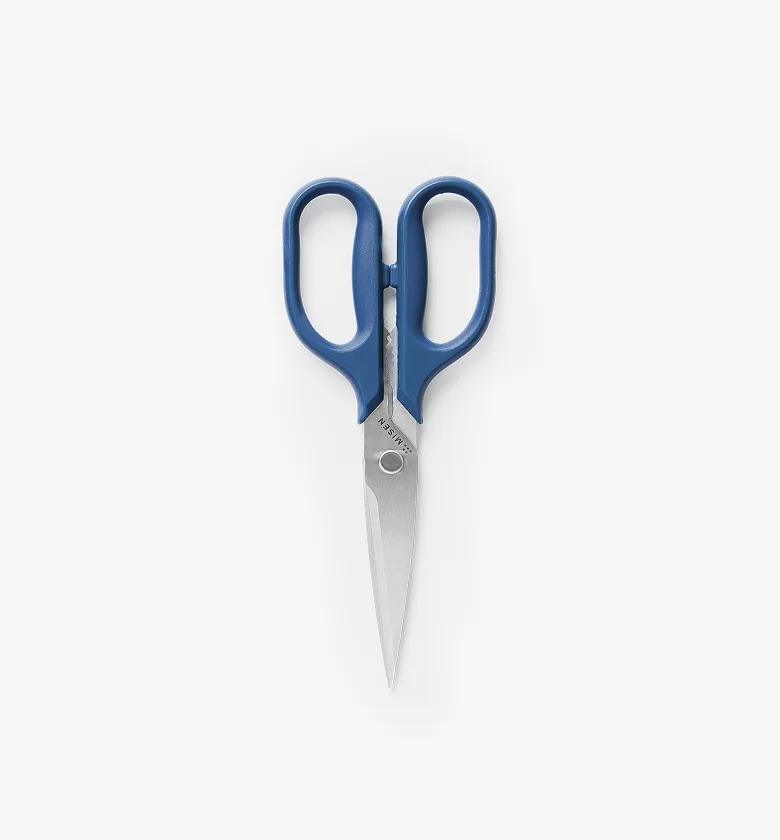
- Kitchen Shears - Standard: The Misen Kitchen Shears are designed to handle a wide range of kitchen tasks, from trimming herbs to cutting chicken. Because these shears tackle both delicate and heavy-duty jobs, keeping them clean and dry after each use is especially important to maintain their versatility and prevent cross-contamination.