Quick answer
Clean puzzle pieces by gently wiping them with a dry or slightly damp microfiber cloth. Store completed puzzles flat in a sealed bag or box, and keep loose pieces in labeled containers away from humidity and direct sunlight.
Why puzzle pieces need special care
Puzzle pieces are typically made from paperboard with a printed image layer and a thin coating. This construction makes them vulnerable to moisture, pressure, and abrasion. A single bent tab or faded print can ruin the entire picture, so handling and storage methods matter more than most people realize.
How to clean puzzle pieces without damage
For loose pieces, start by removing visible dust with a soft, dry paintbrush or a clean makeup brush. If a piece has a sticky spot, use a barely damp microfiber cloth—never soak the piece or submerge it in water. Blot the spot gently, then let the piece air dry completely on a flat surface before returning it to the box. For completed puzzles, you can use a lint roller over the surface to lift dust and pet hair without touching the pieces directly.
Best practices for long-term puzzle storage
Store completed puzzles flat inside the original box or a dedicated puzzle storage bag. If you plan to keep a finished puzzle for display, use puzzle glue or adhesive sheets to hold the pieces together, then store the puzzle in a flat portfolio or under a bed. For loose pieces, keep them in resealable plastic bags or small containers labeled by puzzle name. Avoid attics, basements, or garages where temperature and humidity fluctuate—these conditions can cause pieces to warp or the image layer to peel.
Common mistakes that damage puzzle pieces
Using wet wipes or liquid cleaners directly on pieces is the fastest way to ruin the print. Stacking multiple completed puzzles on top of each other can cause permanent bending. Leaving puzzles in direct sunlight will fade the colors unevenly. And storing pieces loose in a cardboard box without separation invites lost pieces and edge damage.
Diagnosis: Is your puzzle piece damaged or just dirty?
- Symptom: Piece won't fit snugly: The piece may have swollen from moisture or the tab may be bent. Check for visible warping or a raised edge. If swollen, let the piece dry flat for 24 hours. If bent, try gently flattening it under a heavy book.
- Symptom: Print is smudged or faded: Likely caused by liquid cleaner or prolonged sunlight exposure. The image layer may be partially dissolved or bleached. If the print is smudged, stop cleaning immediately. If faded, the damage is permanent—consider replacing the puzzle.
- Symptom: Piece has sticky residue: Food, drink, or adhesive from tape or glue. The coating may react to solvents. Gently blot with a barely damp cloth. If residue remains, use a tiny dab of isopropyl alcohol on a cotton swab—test on an edge first.
Helpful extras for puzzle care
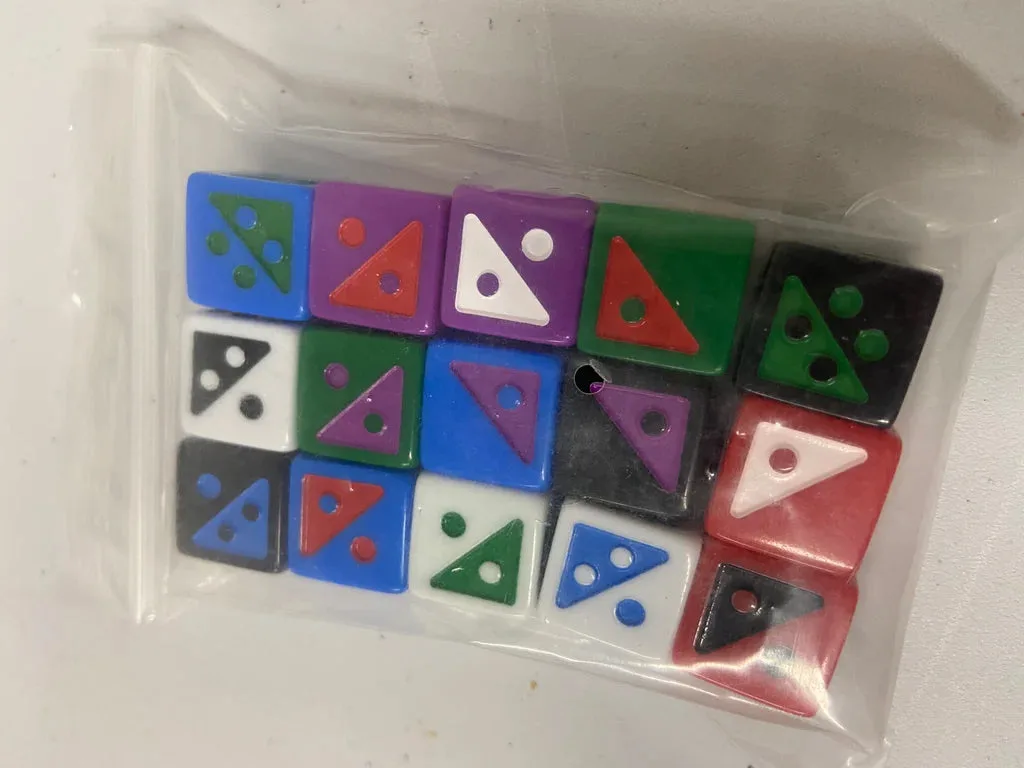
- Roll Player - Split Dice (Fiends & Familiars): Includes 15 Split Dice. Use together with the print and play files to create your own copy of Roll Player: Fiends & Familiars. Or use for any other gaming needs. If you play Roll Player and need replacement dice, these split dice let you customize your game without buying a whole new set. They also work as generic game pieces for other projects.
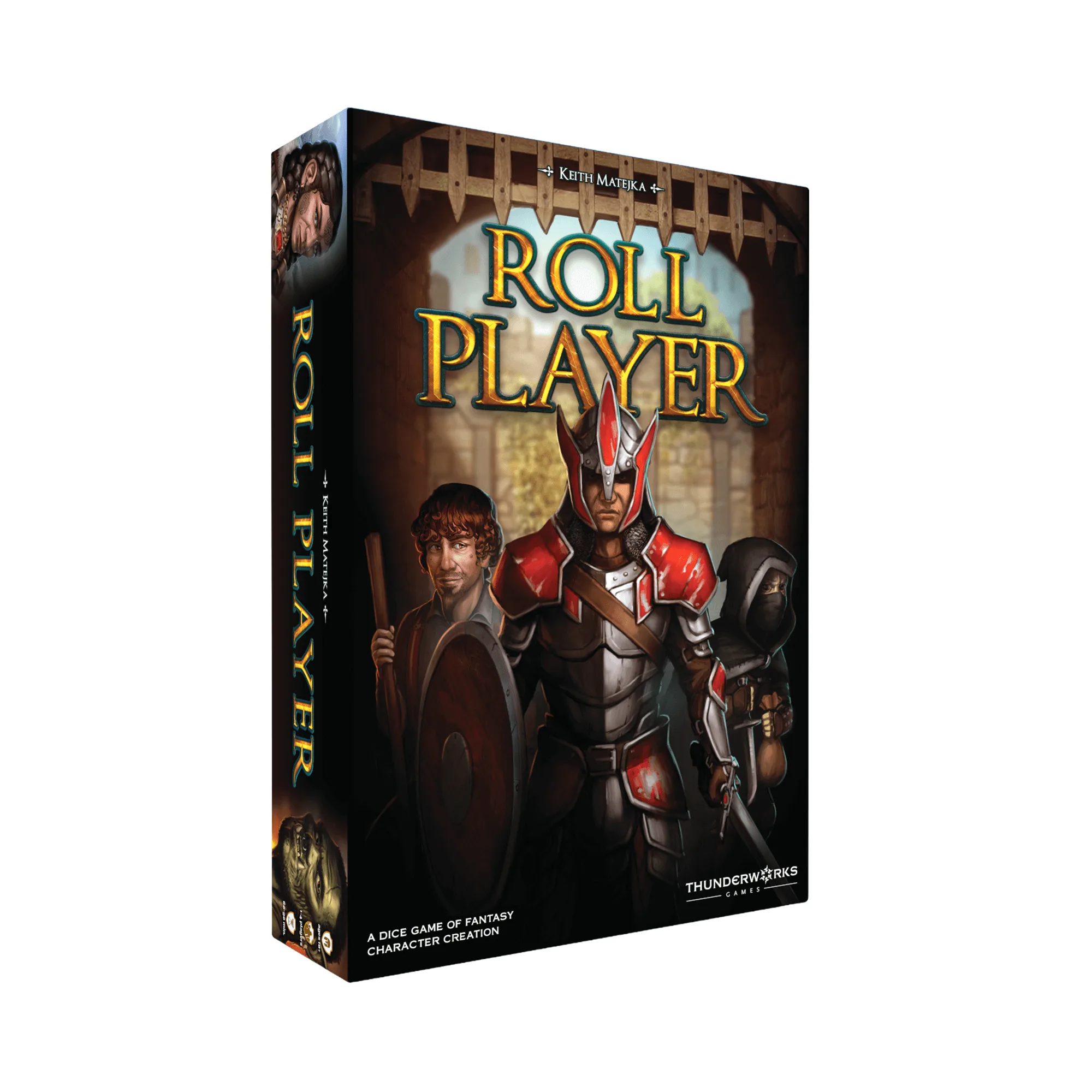
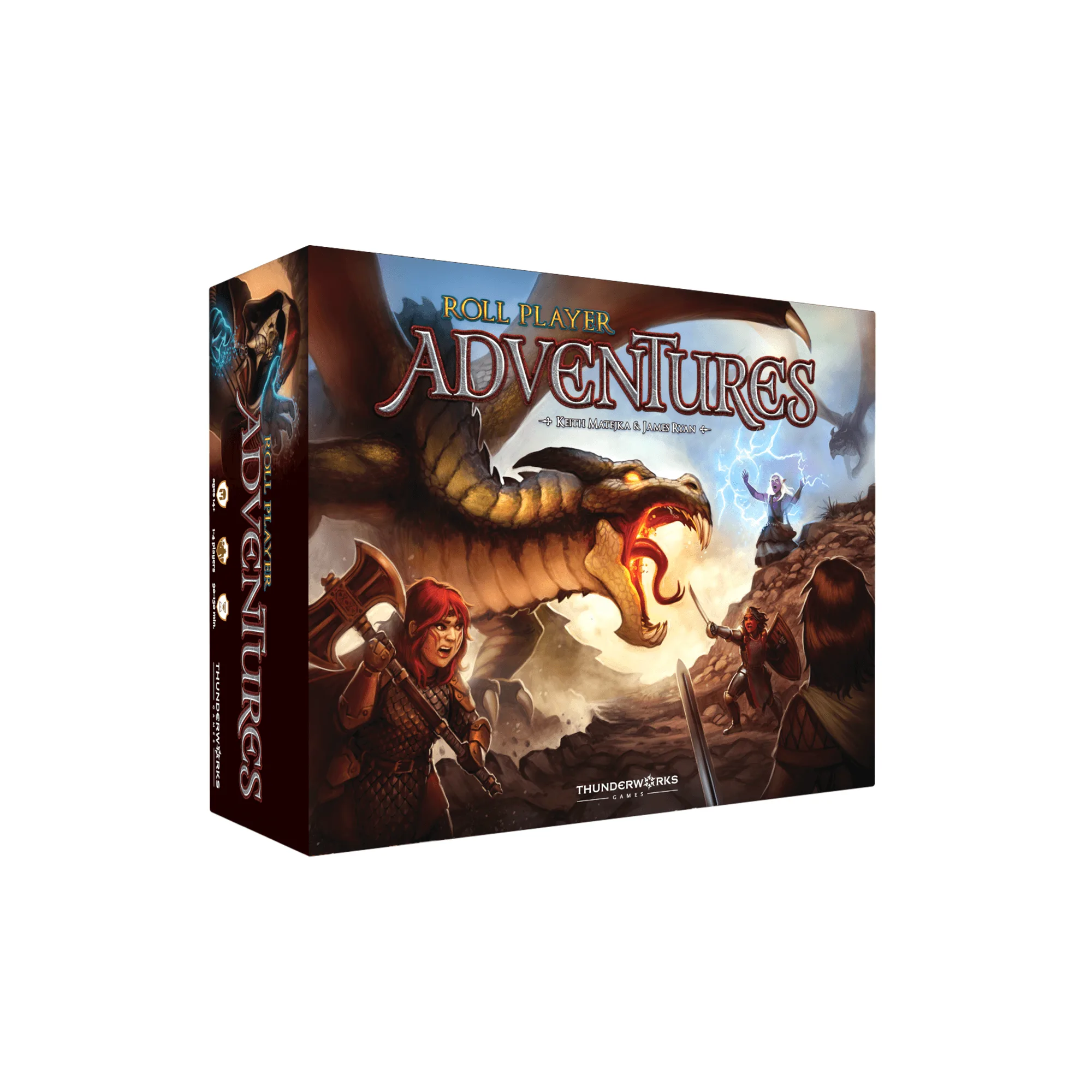
Roll Player
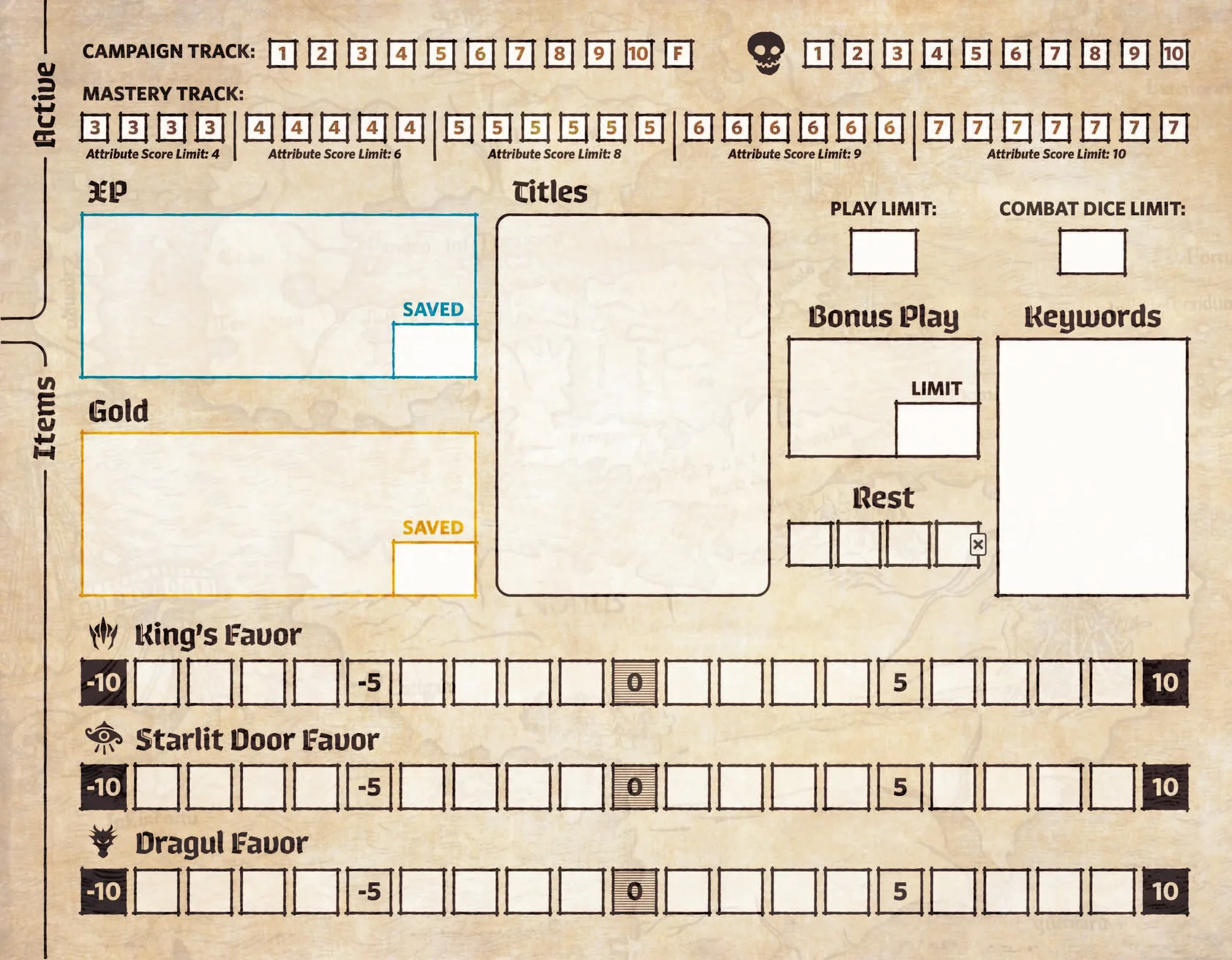
- Roll Player Adventures - Extra Party Journals: Run out of Party Journals for Roll Player Adventures? Grab some extras! Includes pad of 10 sheets from the 2nd printing of the base game. Having extra party journals means you can track multiple playthroughs or replace a worn-out sheet without losing progress. It's a simple way to extend the life of your game.