Quick answer
Wash silicone toys with warm water and a mild, fragrance-free soap before first use and after every use, then dry them completely. Store each toy separately in a breathable pouch or its own box, away from direct sunlight, extreme heat, and other toy materials. That two-part habit—clean and separate—does most of the work of silicone vibrator care.
Why silicone needs its own cleaning routine
Silicone is non-porous, which is why it is considered one of the easier toy materials to keep hygienic: the surface does not absorb moisture or hold onto bacteria the way porous materials can. That smoothness is also its vulnerability. Silicone can attract lint, dust, and pet hair, and it can pick up a tacky feel if it is stored against certain other soft plastics or left in a warm, sunny spot.
The practical takeaway is that you are not just cleaning a toy; you are protecting a surface. Harsh cleaners, abrasive cloths, and shared storage can all shorten the life of a silicone toy even when the material itself is durable.
What to use and what to skip
Use warm water and a mild, fragrance-free liquid soap. Antibacterial hand soap, dish soap, or a dedicated toy cleaner all work; what matters is that you rinse thoroughly, because residue left on the surface can irritate sensitive skin. Skip anything with alcohol, bleach, essential oils, or heavy perfume, and avoid abrasive sponges or scrubbers that can dull the finish.
For toys with motors, buttons, or charging ports, check the manufacturer's notes before you rinse. If a toy is not fully waterproof, wipe it with a damp soapy cloth and then a clean damp cloth instead of submerging it. When a specification is not supplied, treat the toy as splash-resistant rather than waterproof until you confirm otherwise.
Drying and lint control
Dry silicone with a clean, lint-free cloth or let it air dry on a clean towel before it goes anywhere near storage. Trapped moisture is the most common reason a toy develops a musty smell or a sticky surface, and it is also why toys stored damp can grow mildew in a closed container. If you use a towel, use one that has not been through a fabric-softener cycle, since softener leaves a waxy residue that transfers to silicone.
To keep silicone toys lint free, avoid leaving them out on bedding, carpet, or clothing for long periods. A quick rinse and dry before each use removes the dust that settles on the surface, and a dedicated pouch keeps the toy from picking up fibers between sessions.
Storing toys so they stay smooth
Store each silicone toy on its own. Silicone can react with some soft plastics, jelly rubber, and TPE toys, causing them to become tacky or to melt into each other over time. Separate pouches, a divided case, or individual boxes solve this without much effort. Keep storage cool, dark, and dry; a drawer or a closed bin away from a sunny window is better than a windowsill or a hot car.
If you have a growing collection, group toys by material rather than by size. Silicone can share space with silicone, glass, and stainless steel. Anything soft and porous should live in its own pouch. For a bullet-style toy, a small drawstring bag or a hard-shell case keeps the tip protected and the button from being pressed accidentally.
A two-minute routine that actually sticks
The routine only works if it is easy. Keep a small bottle of mild soap and a lint-free cloth near where you store your toys, and wash before and after each use rather than waiting for a deep-clean day. If you use lube, choose a water-based formula with silicone toys unless the manufacturer states otherwise, and rinse sooner rather than later; dried lube is harder to remove than fresh lube.
Once a month, do a quick inventory: check for sticky spots, cracks near seams, or a motor that sounds different. Those are signs to replace a toy rather than keep cleaning it. A toy that no longer cleans up well is not a hygiene problem you can scrub away.
Your step-by-step silicone care routine
- Rinse before the first use: Wash new silicone toys with warm water and mild, fragrance-free soap, then dry completely. Manufacturing residue and packing dust are common on new items. Checkpoint: if the toy has a motor, confirm it is waterproof before submerging it.
- Wash after every use: Use warm water and mild soap, working it over the whole surface with your fingers or a soft cloth. Rinse until the water runs clear and no slippery film remains. Common mistake: using scented or antibacterial-heavy soap and not rinsing enough, which leaves residue behind.
- Dry thoroughly with a lint-free cloth: Pat dry or air dry on a clean towel. Pay attention to seams, ridges, and the base of the toy, where water pools. Checkpoint: if the surface still feels tacky, it is not fully dry or still has soap residue.
- Store separately in a breathable pouch: Keep each silicone toy in its own pouch, box, or divided compartment. Do not let it rest against jelly, TPE, or soft plastic toys. Common mistake: tossing everything into one bin, which is the fastest way to end up with a melted or tacky surface.
- Keep storage cool, dark, and dry: Choose a drawer or closed bin away from direct sun, radiators, and hot cars. Heat and UV can degrade silicone over time. Next step: do a monthly check for sticky spots, cracks, or motor changes and replace anything that no longer cleans up well.
Products that fit this routine
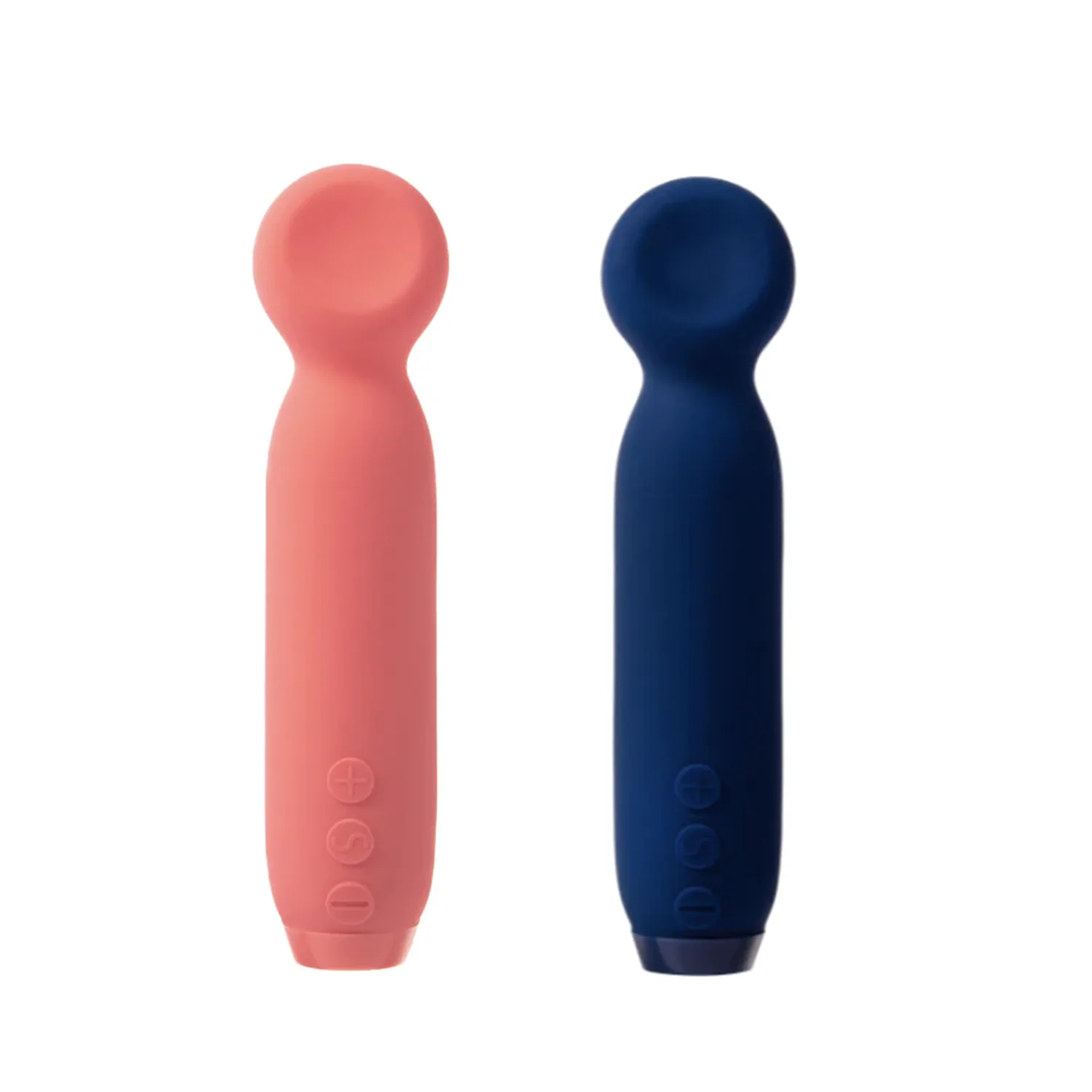
- Vita Bulb-Tipped Bullet: Vita Bulb-Tipped Bullet has a seamless design that the catalog describes as easy to clean and care for, with a round bulb tip and flexible neck for external stimulation. A seamless surface means fewer seams and crevices where residue and lint collect, so the wash-and-dry steps above take less time. Its bullet shape also fits a small pouch, which makes separate storage simple.
- Sex Without Roles: Transcending Gender Zine: Sex Without Roles: Transcending Gender Zine is a short, nonjudgmental guide to exploring sexuality with boundaries and consent. A quick read like this pairs well with a cleaning routine because it reinforces the same habit of checking in with yourself and your partner before and after use.