Quick answer
Wash silicone toys with warm water and a mild, fragrance-free soap, then rinse and air-dry completely before storing. Keep them apart from other materials in a breathable pouch or box, because silicone can react with soft plastics and pick up lint or dye. If the surface stays sticky after washing or has tears, stop using it and replace it.
Match the cleaning method to the surface
Silicone is non-porous, so it does not absorb soap or bacteria the way some softer materials do. That means you do not need harsh cleaners. Warm water plus a mild, fragrance-free soap is enough for routine cleaning. Avoid antibacterial soaps with heavy perfumes, alcohol-based sprays, and bleach, because they can leave residue or dull the surface over time.
For a deeper clean, boil silicone for three to five minutes if the toy has no motor, no battery compartment, and no attached cords. If it has any electronic part, skip boiling and use soap and water only. A dedicated toy cleaner is fine too, but check that it is labeled safe for silicone. Rinse thoroughly, since leftover soap film can attract dust and irritate sensitive skin.
- Use warm water and mild, fragrance-free soap for routine cleaning.
- Boil only fully non-electronic silicone pieces.
- Rinse until the water runs clear, then air-dry on a clean towel.
Dry fully before you store anything
Trapped moisture is the most common reason a clean toy still smells off or develops a cloudy film. After rinsing, shake off excess water and let the toy air-dry on a clean, lint-free cloth. Do not put it away damp. If you are in a hurry, pat it dry with a clean towel, but avoid sharing that towel with bath products that leave oils behind.
Pay attention to textured areas, suction-cup bases, and harness slots. Water sits in those spots longer than on smooth surfaces. A quick check with a dry finger before storage saves you from opening a pouch weeks later to a musty smell.
Store silicone separately from other materials
Silicone can degrade when it touches certain soft plastics, including some jelly, PVC, and TPR toys. The reaction often shows up as a sticky, melted-looking patch that will not wash off. Store silicone toys in their own pouch, box, or drawer section. If you keep them together, wrap each one in a clean cotton cloth or use individual pouches.
Heat and direct sunlight also shorten silicone's life. A cool, dark drawer is better than a windowsill or a hot car. If you use a lockable case, make sure it has a little ventilation or that toys are fully dry before the lid goes on.
- Keep silicone away from PVC, jelly, and TPR toys.
- Choose a cool, dark spot instead of direct sunlight.
- Use a breathable pouch or a ventilated case.
When to stop cleaning and replace instead
Cleaning fixes surface residue, not structural damage. If a silicone toy has a tear, a deep gouge, or a sticky patch that survives washing, the material is breaking down. Those spots can trap bacteria and are not worth risking. Retire the toy and replace it with a new silicone piece.
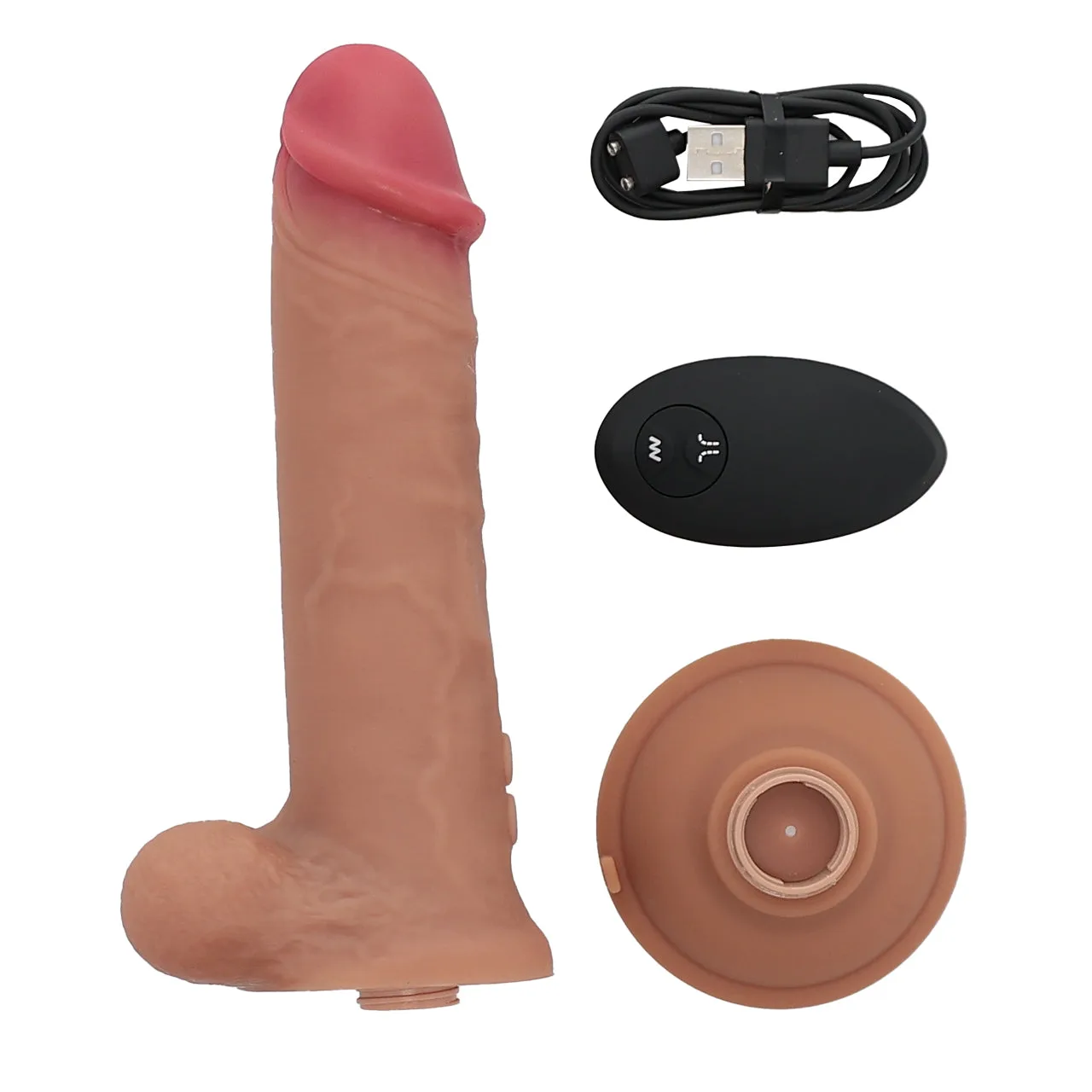
If the toy has a motor and the silicone skin is intact but the toy no longer charges or runs, the issue is electrical, not cleanliness. Do not submerge it further. Follow the maker's care instructions or replace it. For a non-electronic silicone dildo, the care routine is simple enough that replacement is usually only needed after visible damage.
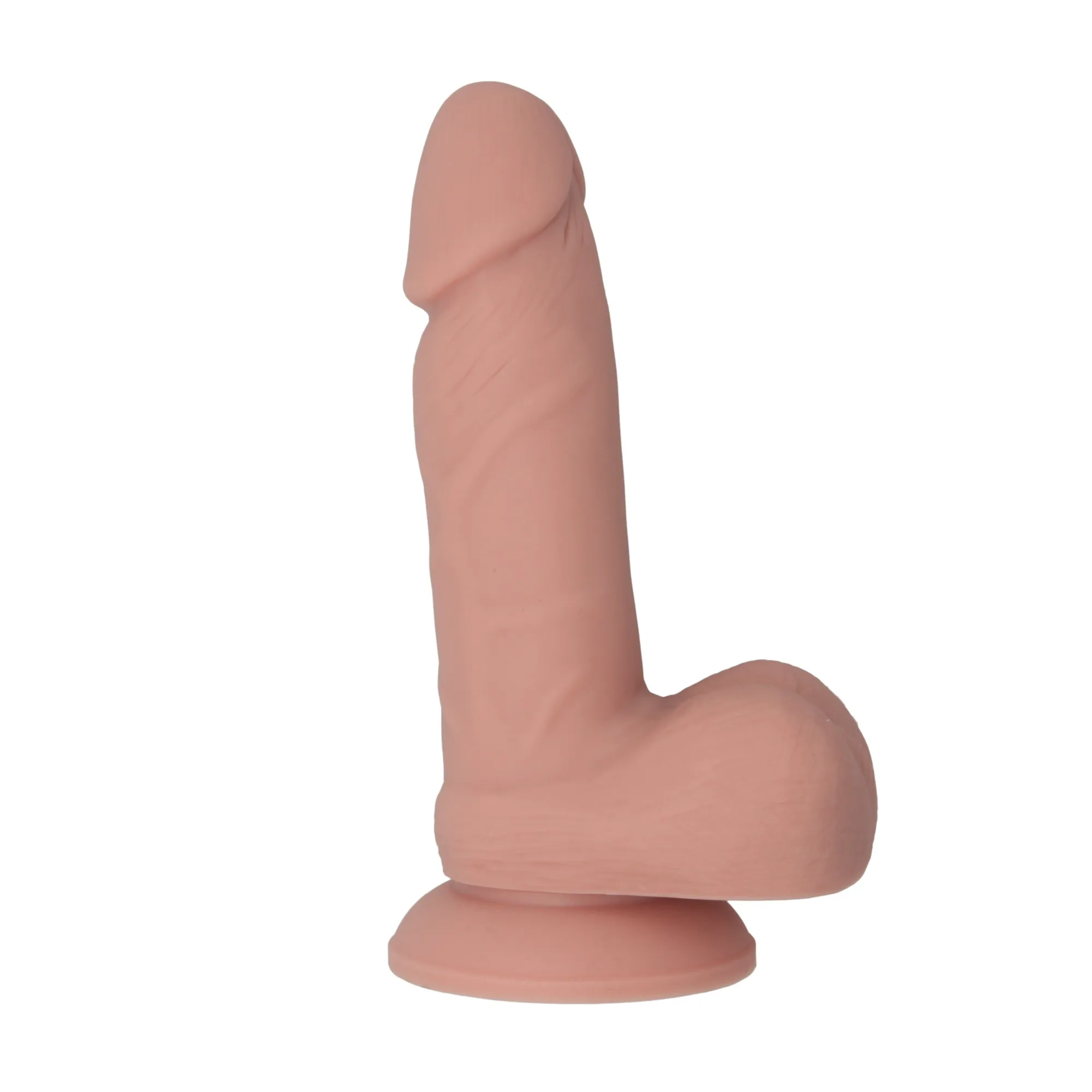
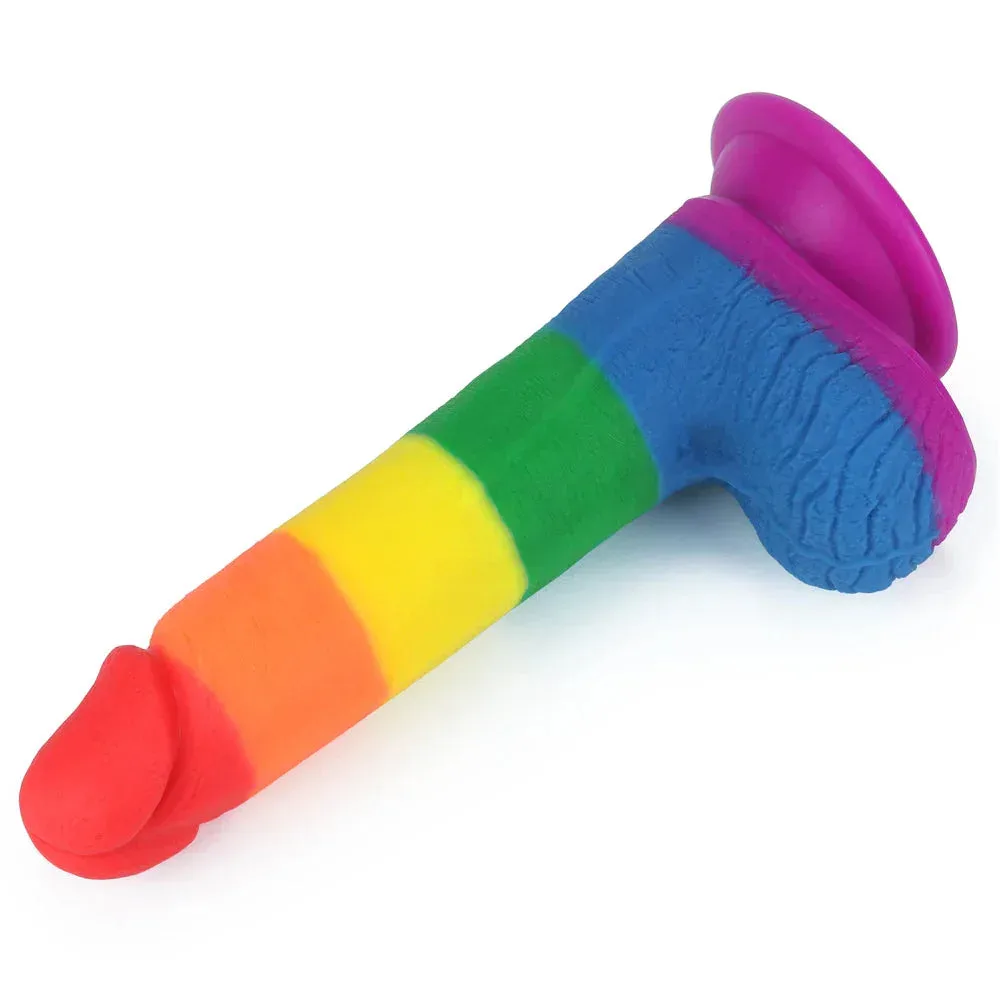
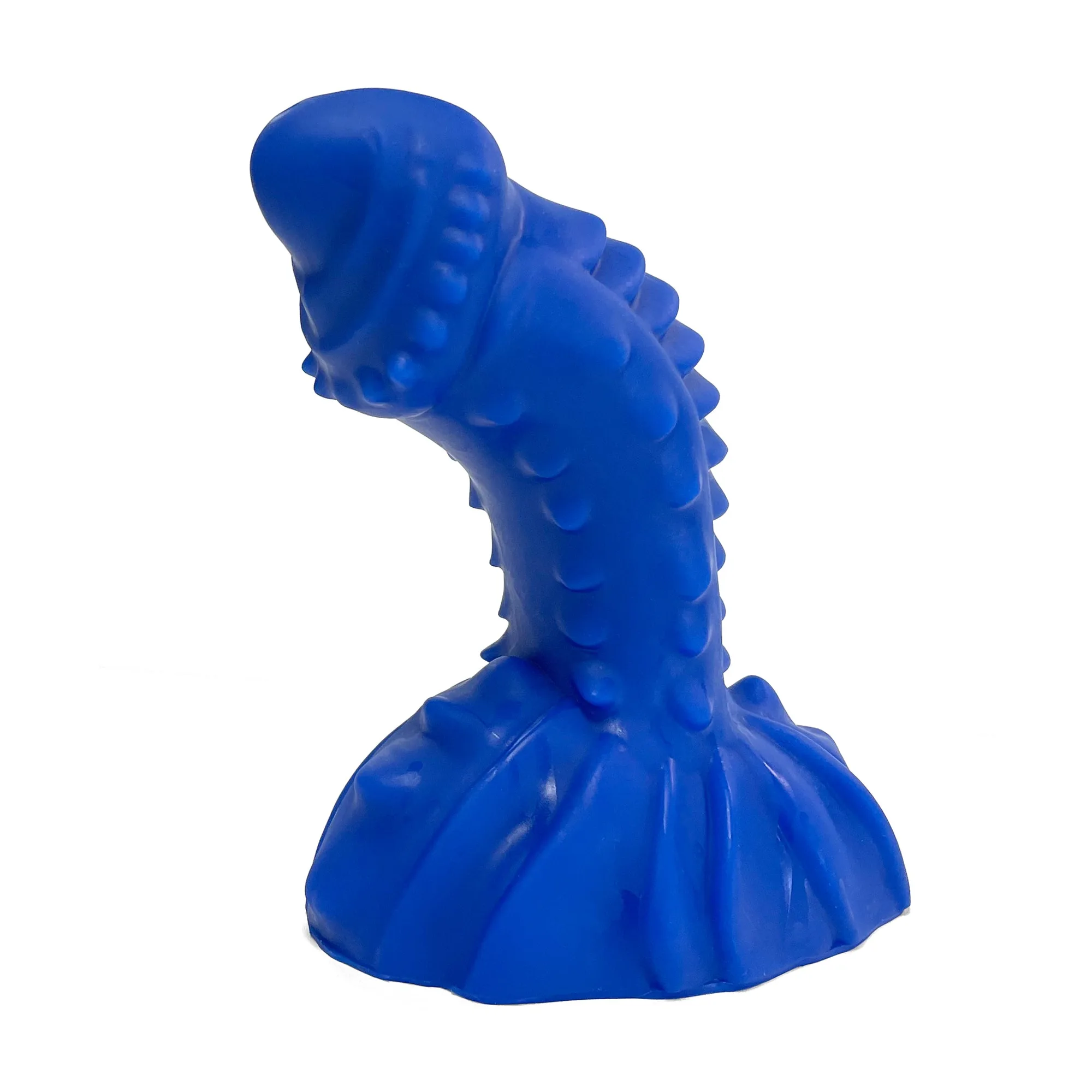
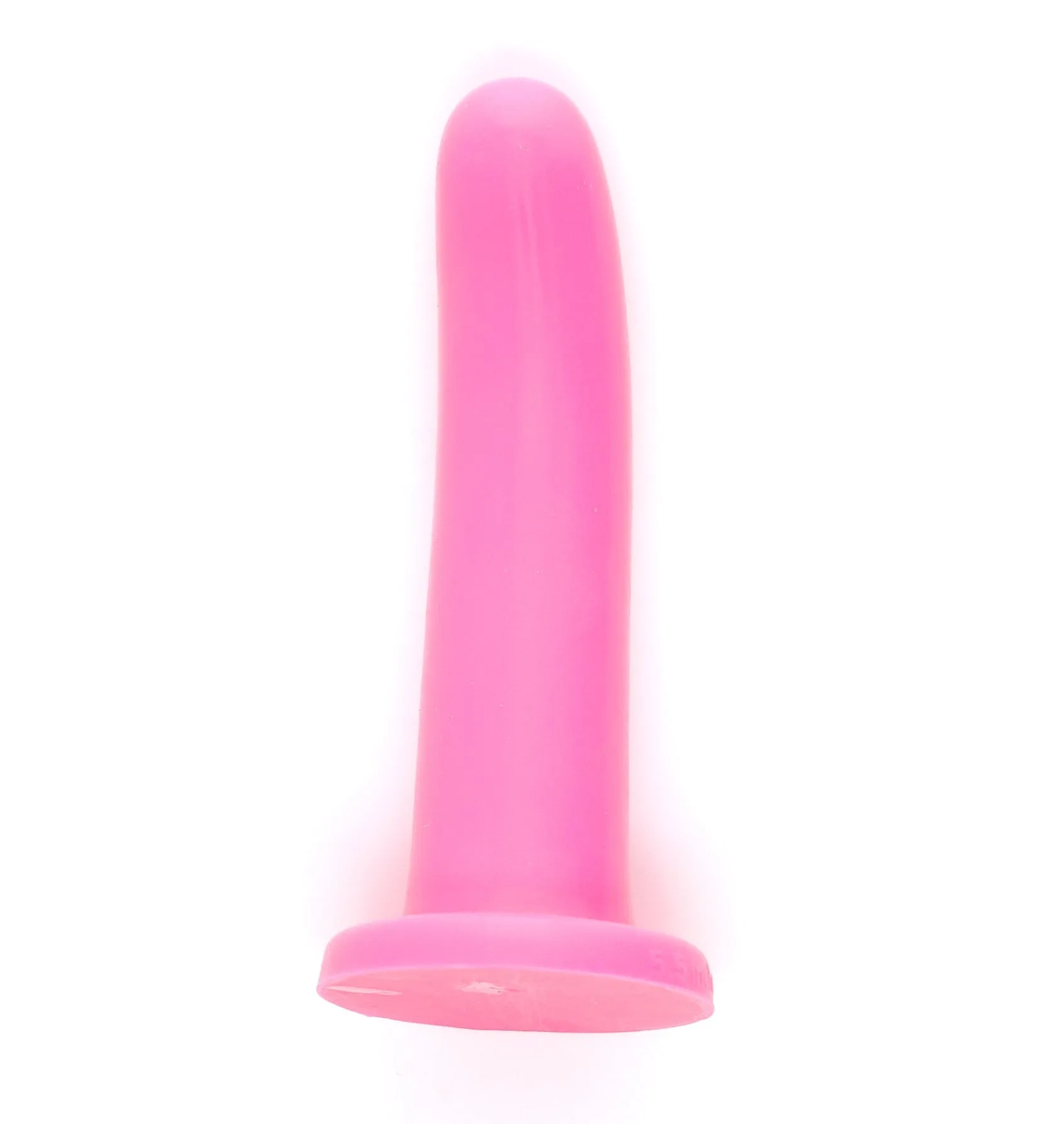
silicone dildo
Diagnose common silicone toy problems
- Sticky or tacky surface after washing: Silicone that stays sticky usually means the material is breaking down, often from contact with incompatible plastics or from heat exposure. Washing again will not fix it. Stop using the toy and replace it.
- Persistent smell or cloudy film: This is usually leftover soap residue or moisture trapped in a textured area or base. Rinse more thoroughly, dry fully, and check that your storage spot is not humid. If the smell returns after a full dry, the toy may be retaining residue in a damaged spot.
- Tear, gouge, or peeling edge: Physical damage creates places where bacteria can sit even after cleaning. Do not try to seal or glue a silicone toy for reuse. Replace the toy rather than continuing to clean it.
- Motor not working but silicone skin is intact: This is an electrical issue, not a cleaning problem. Do not submerge the toy further or try to open the motor compartment. Follow the maker's care instructions or replace the toy.
Silicone care in practice
- SILICONE HOLY DONG: The Silicone Holy Dong is made from high-quality silicone, is harness-compatible, and is described as durable and easy to clean. Because it is non-electronic silicone, you can use the full soap-and-water routine and boil it if you want a deeper clean, then store it in a pouch without worrying about a motor compartment.
- EROGENOUS ZONE TWEEZER NIPPLE CLAMPS: The Erogenous Zone Tweezer Nipple Clamps have rubber-tipped ends that are removable for more pinch. The removable rubber tips are small parts that can pick up lint and residue, so wipe them separately and store the clamps where the tips will not get lost or crushed.