Quick answer
Store supplements in a cool, dry, dark place—like a closed cabinet away from the stove, sink, and windows. Keep them in their original container with the lid sealed, and never transfer them to a clear pill organizer for long-term storage. Heat, moisture, and light are the three main enemies of capsules, gummies, and powders.
Why the original container matters more than you think
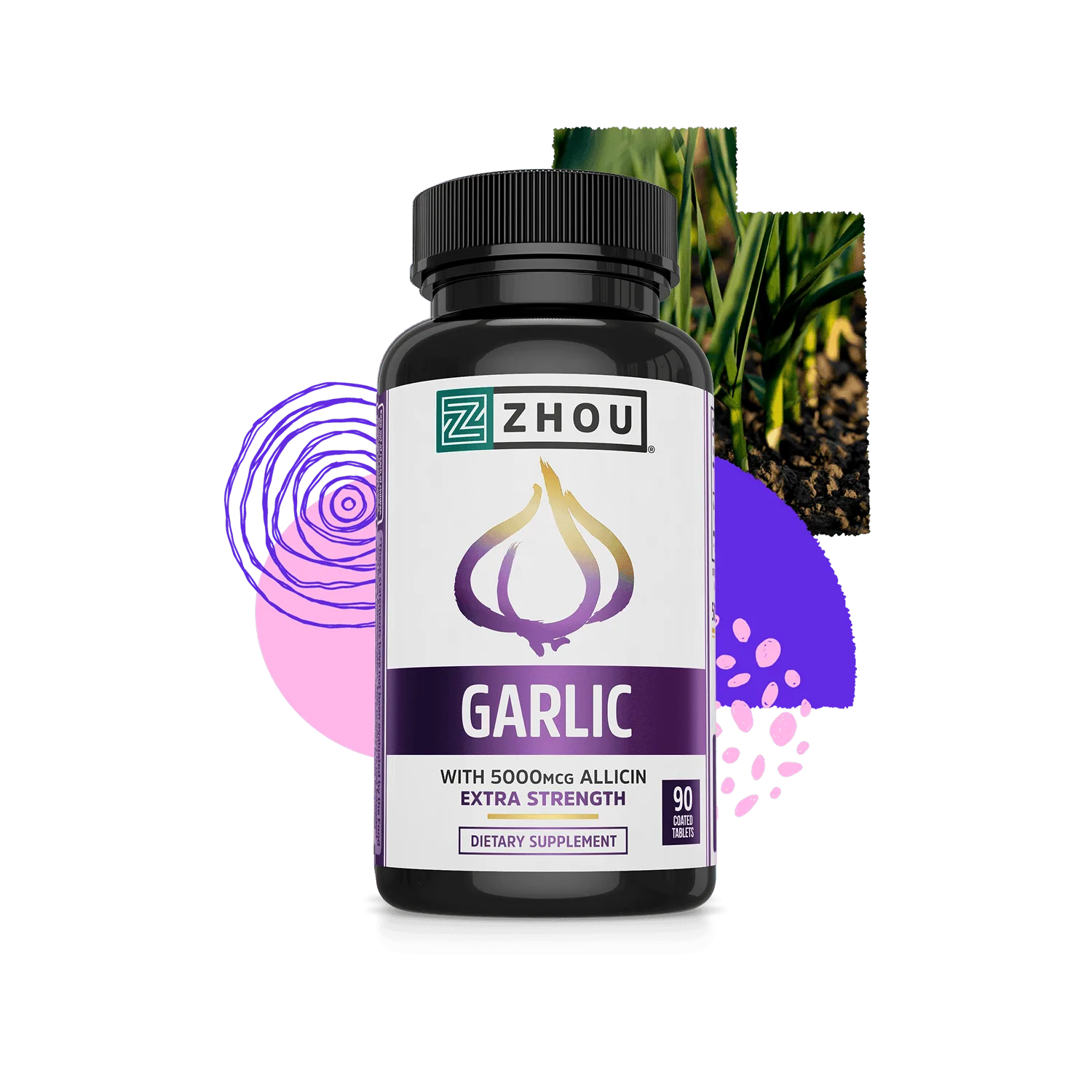
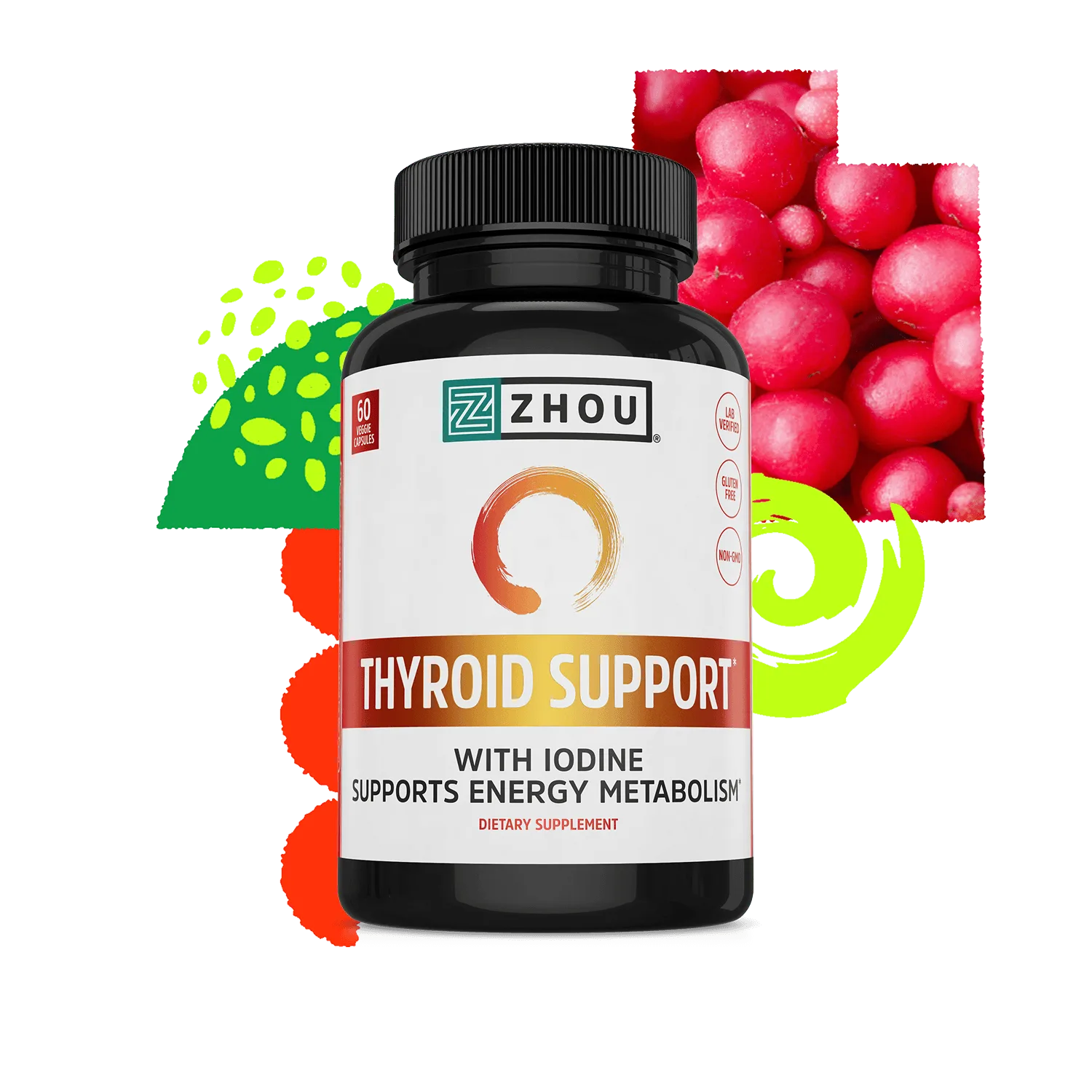
That amber or opaque bottle is not just packaging. It blocks light, which can degrade sensitive ingredients like vitamin C and certain B vitamins. The included desiccant packet absorbs moisture that sneaks in each time you open the lid. The label also carries the lot number and expiration date you need if you ever have a question about the product. Transferring supplements to a clear glass jar or a weekly pill organizer exposes them to light and humidity every day. A pill organizer is fine for a few days of doses, but for anything longer, keep the bulk supply in the original container.
How temperature and humidity affect each form
Capsules and tablets are the most forgiving, but they still suffer in a hot, steamy bathroom. Heat can make capsules soft and sticky, and moisture can cause tablets to crumble or stick together. Gummies are the most sensitive to heat and humidity—they can melt into a single blob or grow mold if stored in a damp place. Powders are vulnerable to clumping and caking when moisture gets in, and some ingredients like probiotics or certain plant extracts lose potency faster in warm conditions. A cool, dark cabinet in a living area or bedroom is usually better than the kitchen or bathroom.
Do gummies expire? Yes, and here's what to watch for
Gummies do expire, and their shelf life is often shorter than capsules or powders because of their gelatin or pectin base and added sugars. Check the expiration date on the bottle, but also use your senses. If gummies are stuck together, have a grainy texture, smell off, or show any mold, toss them. Once opened, gummies may stay fresh for a few months if kept cool and dry, but always follow the manufacturer's guidance. For daily use, consider keeping only a small amount in a pill organizer and the rest in the original sealed bottle.
Storing powder supplements without clumps
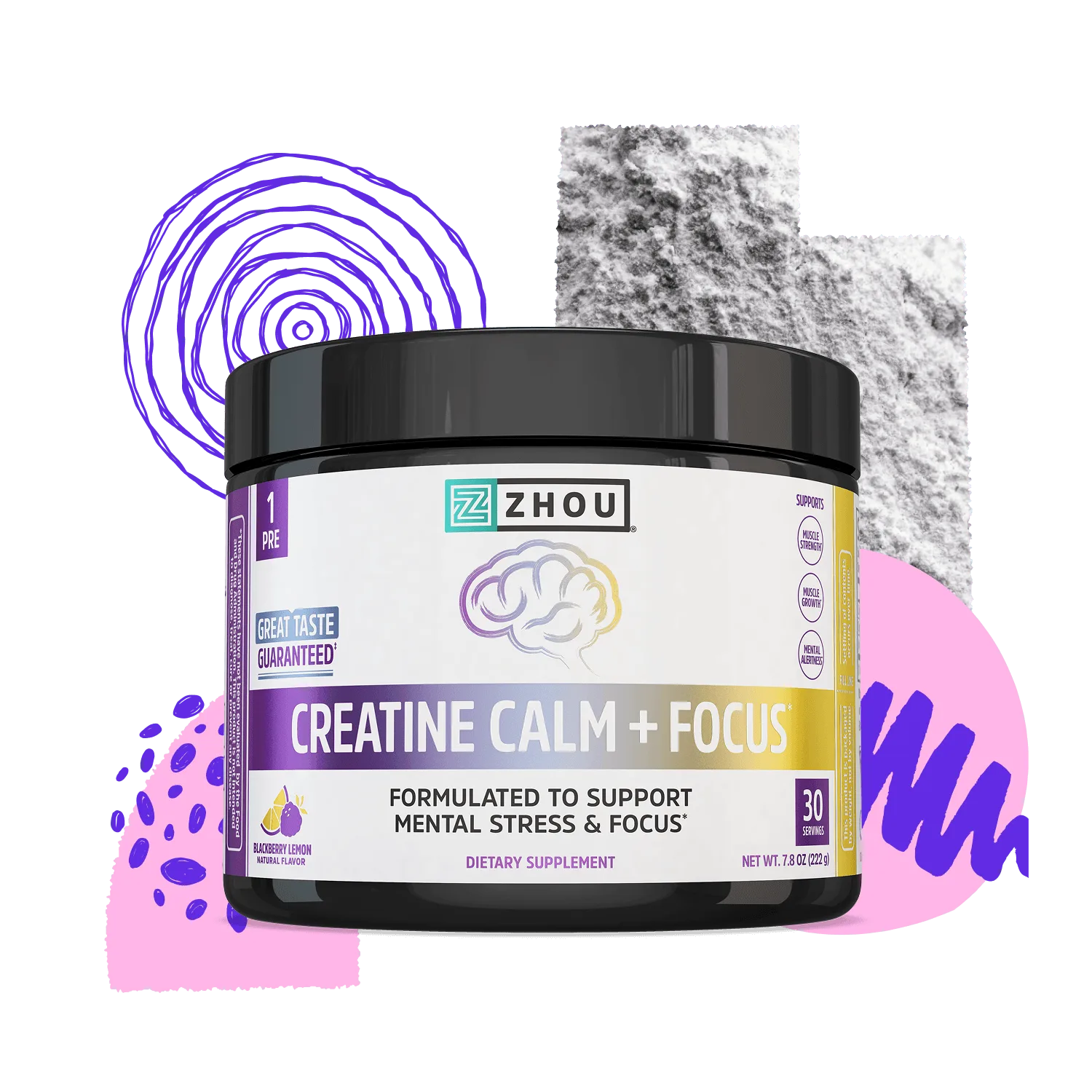
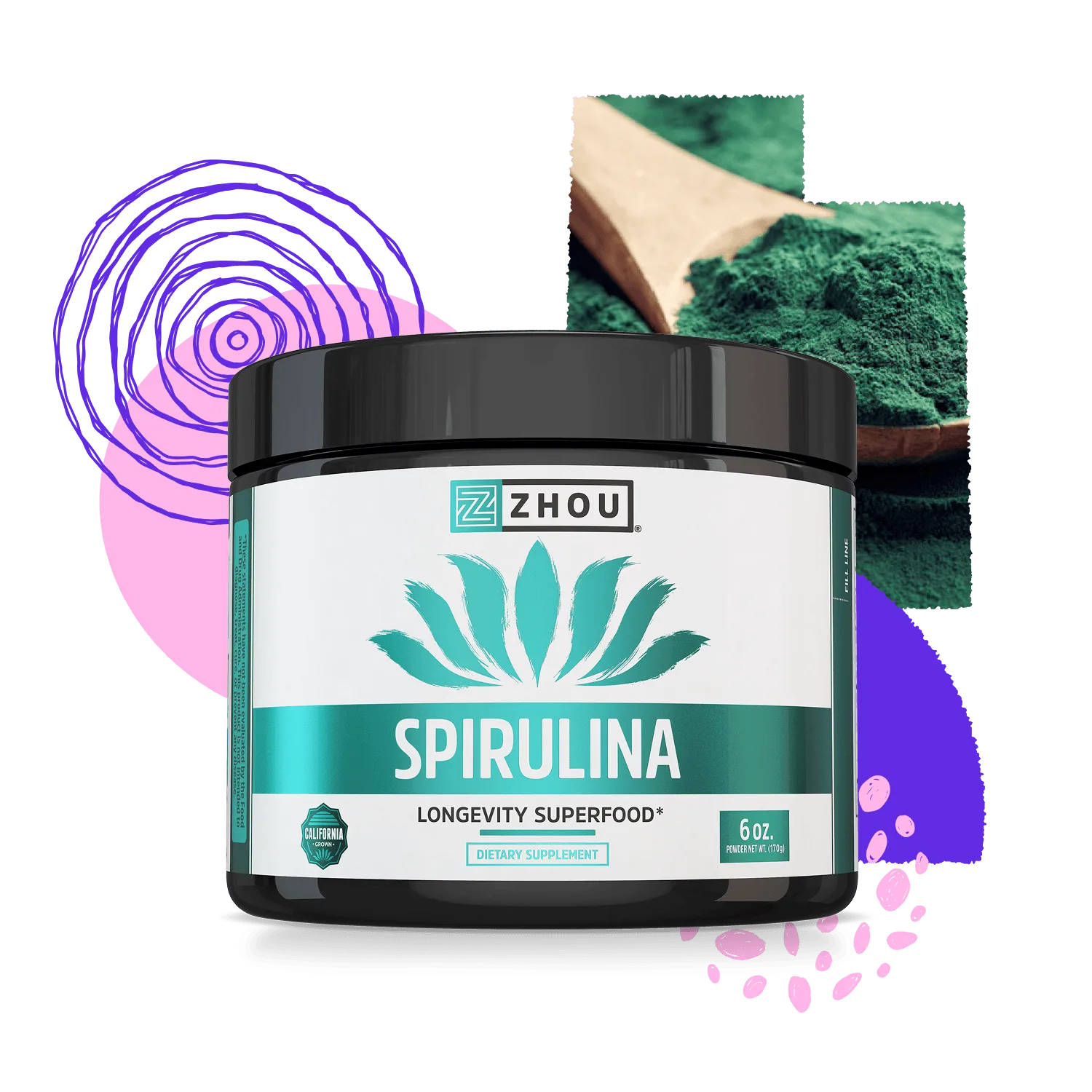
Powders need an airtight container and a dry scoop. Never leave the scoop inside the powder if it's wet or damp—that introduces moisture. After scooping, close the lid tightly and store the container in a cool, dark place. If your powder comes with a desiccant pack, keep it in the container. Some powders are hygroscopic, meaning they pull moisture from the air, so avoid storing them above the dishwasher, coffee maker, or any place with frequent steam. If you see hard clumps that don't break up with a shake, the powder may have absorbed too much moisture and should be replaced.
The freezer and fridge: when they help and when they hurt
The refrigerator or freezer can extend shelf life for some supplements, but only if you can keep them perfectly sealed. Every time you take the bottle out, condensation can form inside, adding moisture. For daily-use products, the temperature swings from opening and closing the door do more harm than good. A better rule: keep daily supplements in a cool, dark cabinet, and only use the fridge for long-term storage of unopened bottles if the label specifically recommends it. Never freeze gummies unless the manufacturer says it's okay—freezing can change their texture permanently.
Your 5-step supplement storage routine
- Pick a cool, dark, dry spot: Choose a closed cabinet away from the stove, sink, dishwasher, and windows. A bedroom closet or a pantry shelf works well. Checkpoint: the spot should feel cool and dry—not warm or steamy.
- Keep the original container and desiccant: Leave supplements in their original bottle with the lid tightly closed. Keep any desiccant packet inside; it absorbs moisture. Mistake to avoid: transferring everything to a clear glass jar or a weekly pill organizer for long-term storage.
- Use a clean, dry scoop for powders: Always use a dry scoop, and never leave a wet scoop inside the powder. Wipe the rim of the container before sealing. Checkpoint: if you see clumps that don't break up, the powder may have absorbed moisture.
- Check gummies often for freshness: Look for sticking, melting, grainy texture, or off smells. If any of these appear, discard the gummies. Mistake to avoid: assuming gummies last as long as capsules—they often have a shorter shelf life.
- Respect the expiration date and label instructions: Write the open date on the bottle if it helps. Follow any specific storage directions on the label, especially for probiotics or refrigerated items. Next step: set a reminder to review your supplement shelf every few months and replace anything past its date.
Product facts that affect storage
- Elder-Mune Elderberry Gummies: Elder-Mune Elderberry Gummies deliver 125 mg of European elderberry extract, 11 mg of zinc, and 90 mg of vitamin C in a 2-gummy serving. Because gummies are sensitive to heat and moisture, keep this bottle tightly closed in a cool, dry cabinet to protect the vitamin C and maintain the intended texture.
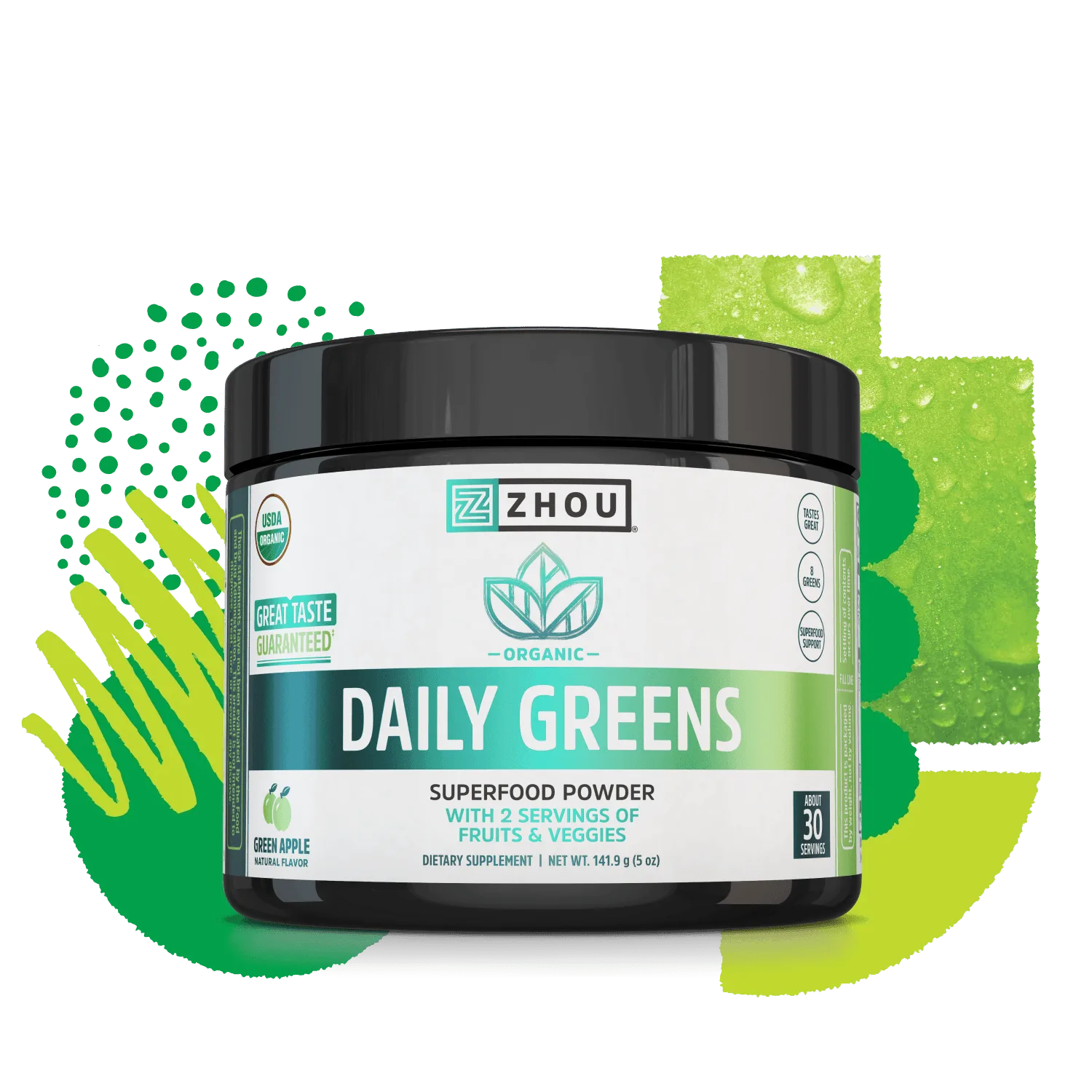
- Daily Greens: Daily Greens Powder provides the equivalent of two full servings of fruits and vegetables per serving, including barley and spirulina. Powders like this can clump if moisture gets in, so always use a dry scoop and reseal the container immediately after each use.
- Lite Up: Lite Up is a non-stimulant pre-workout powder with citrulline malate, Nitrosigine, malic acid, and tart cherry. Store this powder away from heat and humidity to prevent caking and to help preserve the ingredients that support energy, strength, and stamina.