Quick Answer
Clean your tent with mild soap and water, avoid harsh detergents, and dry it completely before storing. Use a ground sheet to protect the floor and store the tent loosely in a cool, dry place away from direct sunlight.
Why Proper Tent Care Matters
A tent is a significant investment, and how you clean and store it directly affects its lifespan. Dirt, moisture, and UV exposure can degrade the fabric, seam seals, and zippers over time. Regular maintenance helps prevent mold, mildew, and material breakdown, ensuring your tent stays reliable trip after trip.
What You’ll Need
Gather a soft sponge or cloth, a bucket of lukewarm water, mild soap (like a specialized tent cleaner or a gentle dish soap), a garden hose or shower for rinsing, and a large, flat area to dry the tent. Avoid using washing machines, dryers, or harsh chemicals like bleach or fabric softeners, as they can damage the waterproof coating.
Step-by-Step Tent Cleaning and Storage Guide
- Step 1: Shake Out Loose Dirt and Debris: Before washing, take your tent outside and shake it vigorously to remove loose dirt, leaves, and pebbles. Pay special attention to the corners and seams where debris tends to collect. Common mistake: Skipping this step can grind dirt into the fabric during washing, causing abrasion.
- Step 2: Spot Clean Stains: Dampen a soft cloth with a mixture of mild soap and water, then gently rub any visible stains or muddy areas. Avoid scrubbing too hard, as this can damage the waterproof coating. Checkpoint: If stains persist, let the soap sit for 5 minutes before rinsing.
- Step 3: Rinse Thoroughly: Use a garden hose or shower with low pressure to rinse off all soap residue. Make sure no suds remain, as leftover soap can attract dirt and degrade the fabric over time. Common mistake: Using high pressure can force water into sealed seams.
- Step 4: Dry Completely Before Storing: Set up the tent in a shaded, well-ventilated area or hang it on a line. Allow all parts—including the rainfly and ground sheet—to dry fully. This may take several hours or even a full day. Critical checkpoint: Storing a damp tent leads to mold and mildew, which can ruin the fabric permanently.
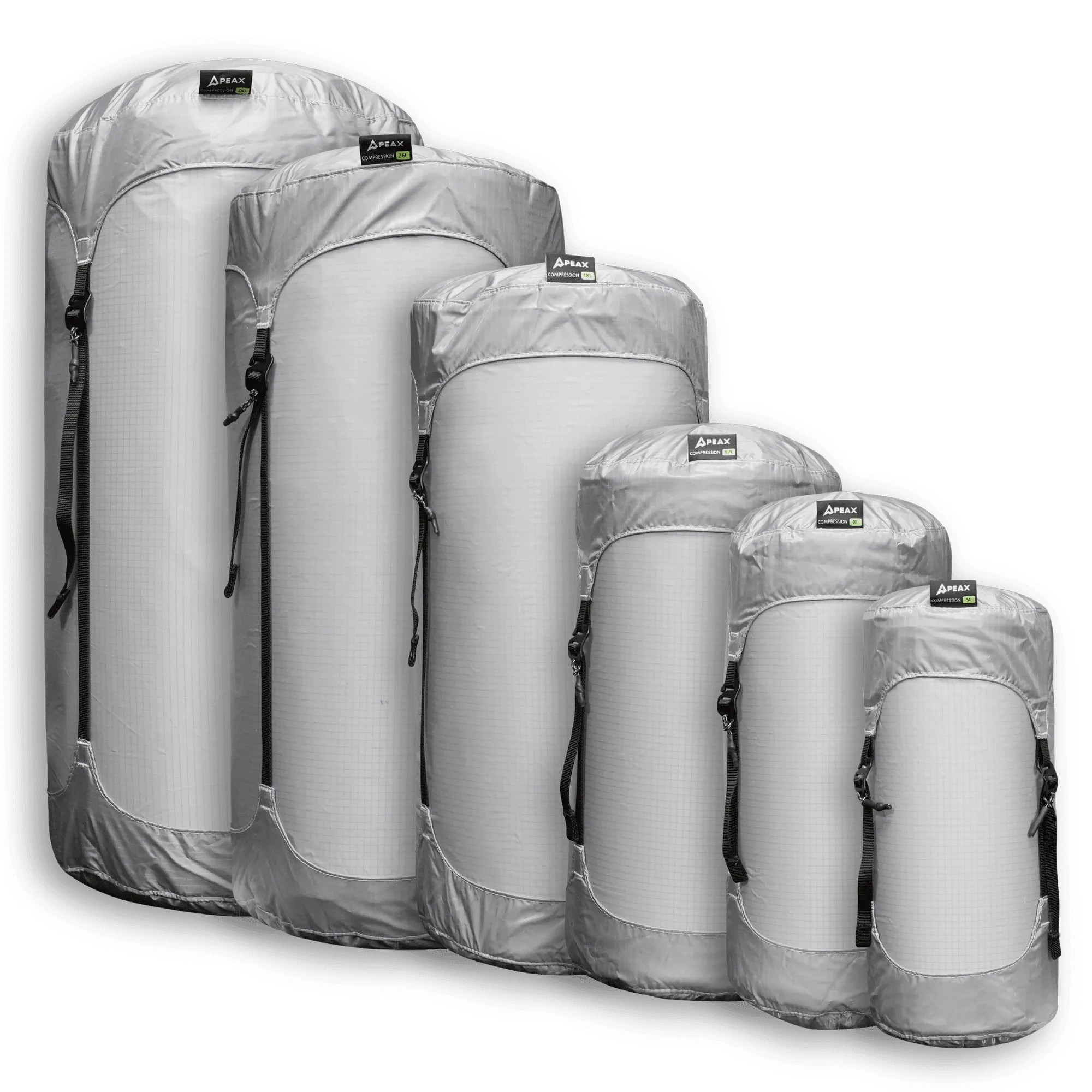
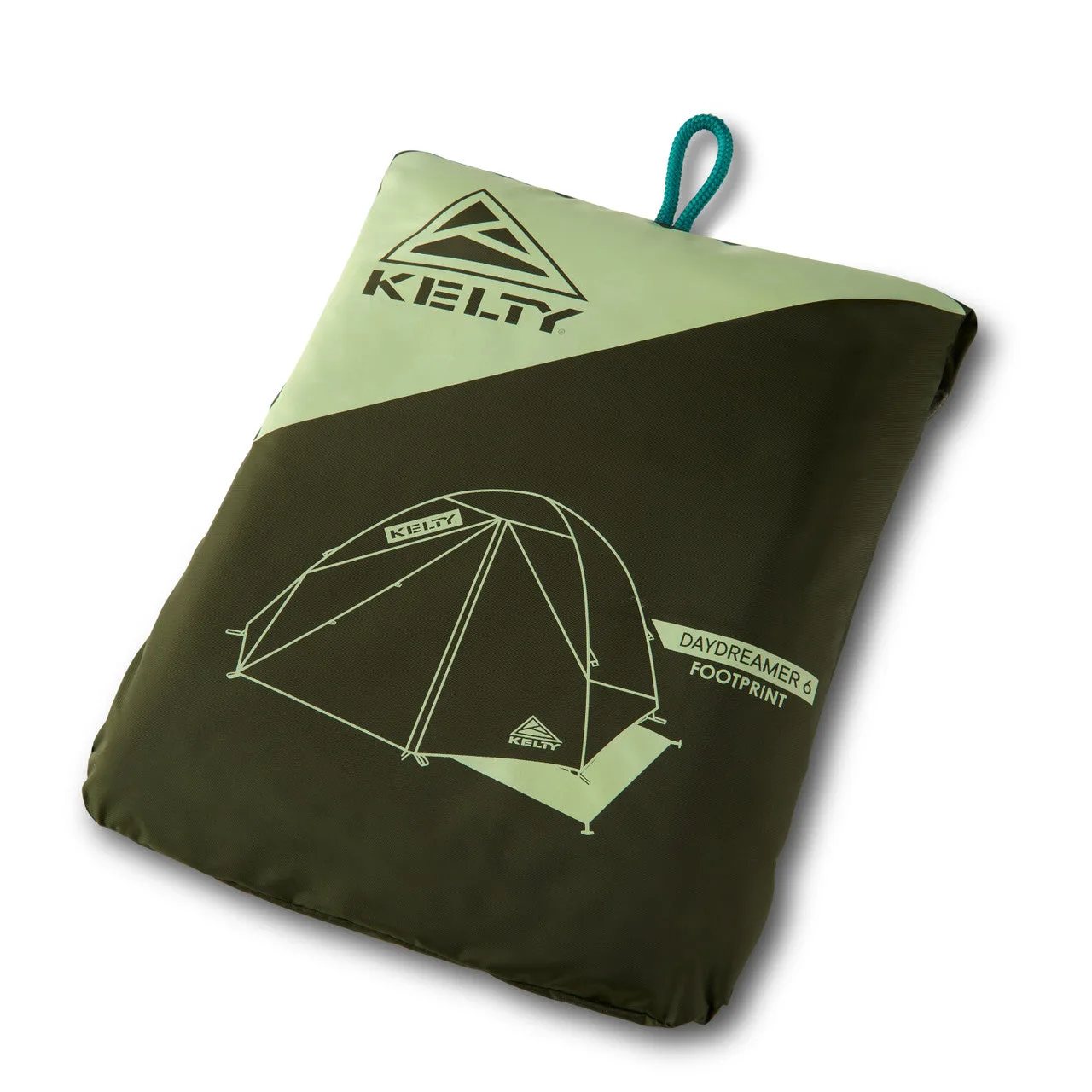
- Step 5: Store Loosely in a Cool, Dry Place: Fold or roll the tent loosely—avoid tight compression that can stress the fabric and seams. Place it in a breathable storage bag or the original stuff sack, and keep it in a closet or drawer away from direct sunlight and extreme temperatures. Common mistake: Storing the tent in a hot attic or damp basement can accelerate fabric degradation.
Tent Accessories That Help Protect Your Tent
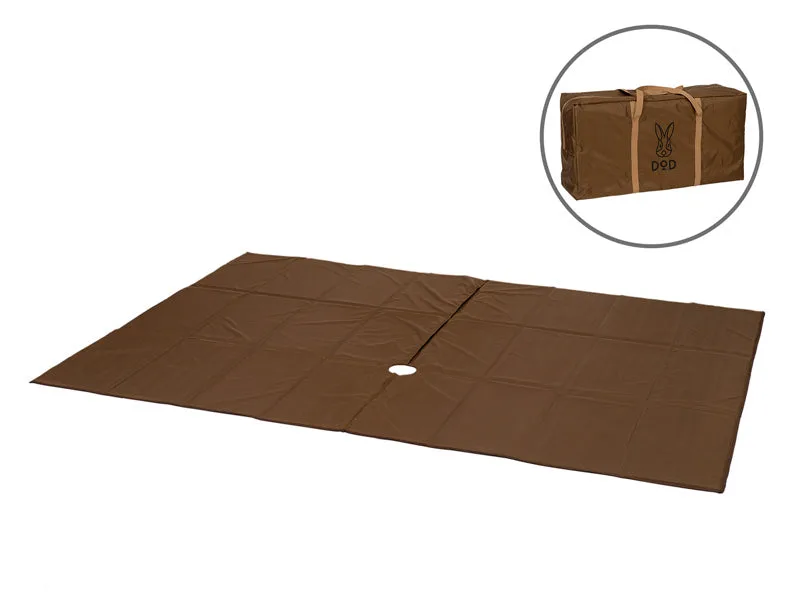
- Home Base Tent Ground Sheet: The Home Base Tent Ground Sheet protects the tent floor and shields it from dirt and water. Made from durable 300D Oxford polyester it ensures your tent stays undamaged. Using a ground sheet reduces wear on the tent floor, making cleaning easier and preventing punctures or abrasions from rocks and roots.
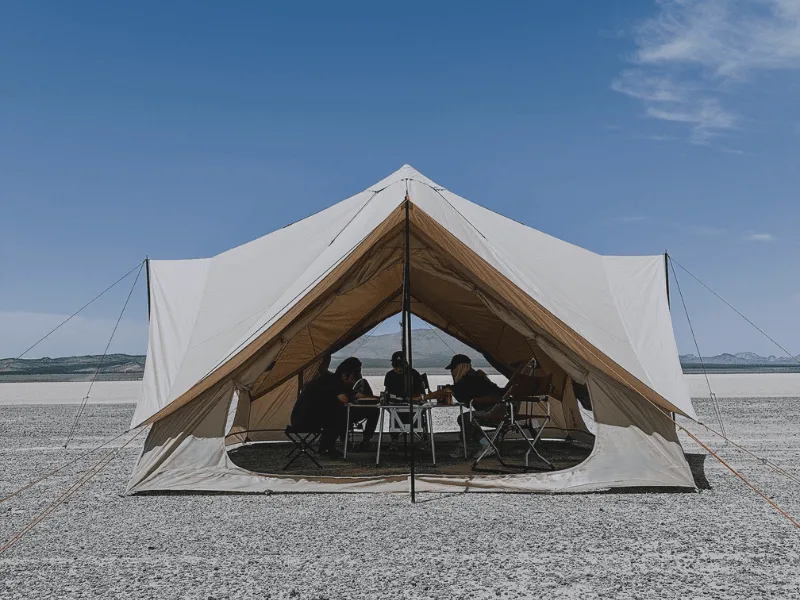
Home Base Tent
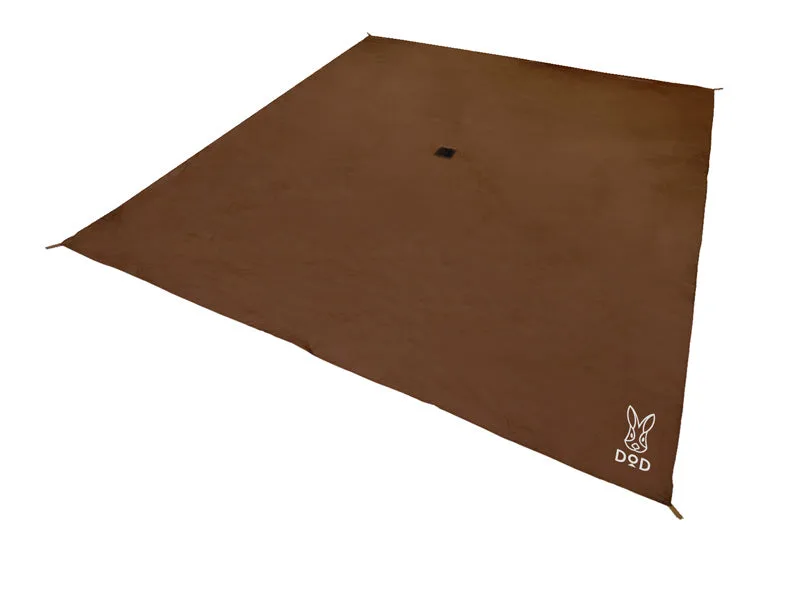
- RX Pyramid Tent Mat (M): The RX Pyramid Tent Mat enhances the comfort of your RX Pyramid Tent with its tailored fit and cushioned design. This mat not only improves the tent's interior feel but also provides insulation against ground cold. A tent mat adds a layer of cushioning and insulation, reducing moisture transfer from the ground and protecting the tent floor from dirt and minor unevenness.