Keeping your baby’s pacifiers and holders clean is essential for preventing germs, mold, and bacteria from reaching your little one’s mouth. Pacifiers are dropped, licked, and handled constantly, making them a prime target for dirt and microbes. Proper cleaning not only protects your baby’s health but also extends the life of the products.
This guide covers everything you need to know about cleaning baby pacifiers and holders—from daily washing to deep sterilization. We’ll also share tips on choosing the right accessories, like pacifier clips and food feeders, to make hygiene easier for busy parents.
Why Proper Cleaning of Pacifiers and Holders Matters
Babies have developing immune systems, making them more vulnerable to infections from bacteria and viruses. Pacifiers that aren’t cleaned regularly can harbor harmful germs like Staphylococcus, E. coli, and even mold. Pacifier holders, which often come into contact with floors, diaper bags, and other surfaces, can also transfer dirt directly to the pacifier.
Regular cleaning reduces the risk of oral thrush, gastrointestinal issues, and skin irritations around the mouth. It also helps maintain the integrity of the silicone or latex material, preventing cracks where bacteria can hide. By establishing a consistent cleaning routine, you ensure every use is as safe as the first.
- Always wash pacifiers before first use to remove manufacturing residues.
- Inspect pacifiers regularly for signs of wear, such as cracks or sticky surfaces.
- Replace pacifiers every 2-4 weeks or immediately if damaged.
Daily Cleaning Methods for Pacifiers and Holders
For everyday cleaning, start by rinsing the pacifier and holder under warm running water to remove visible debris. Use a mild dish soap and a clean sponge or bottle brush to gently scrub all surfaces, including the nipple, shield, and ring of the pacifier, as well as the clip and strap of the holder. Pay extra attention to crevices where food or saliva can accumulate.
After washing, rinse thoroughly with clean water to remove any soap residue. Shake off excess water and air-dry on a clean towel or drying rack. Avoid using dishwashers for pacifiers unless they are specifically labeled dishwasher-safe, as high heat can degrade silicone or cause warping. For holders, check the manufacturer’s instructions—most silicone or plastic clips can be hand-washed similarly.
- Use a dedicated brush for pacifiers to avoid cross-contamination from other kitchen items.
- Never share pacifiers between babies, even after cleaning.
- Store clean pacifiers in a covered container or case to keep them dust-free.
Sterilization Techniques for Deep Cleaning
Sterilization is recommended for newborns, premature babies, or after an illness. Boiling is a simple and effective method: place pacifiers and holders in a pot of boiling water for 5 minutes. Ensure they are fully submerged and not touching the bottom of the pot. Use tongs to remove them and let them cool on a clean surface. This method kills most bacteria and viruses.
Alternatively, you can use a steam sterilizer designed for baby products. Place the pacifiers and holders in the sterilizer and run a cycle according to the manufacturer’s instructions. For a quick option, microwave steam bags are portable and efficient—just add water and microwave for 2-3 minutes. Always check that the pacifier is heat-safe before using any heat-based method. Silicone pacifiers generally tolerate these methods well, while latex may degrade faster.
- Boil pacifiers for no more than 5 minutes to avoid damaging the material.
- Let sterilized items cool completely before handling to prevent burns.
- Sterilize once a day for babies under 3 months, and weekly for older infants.
Cleaning Pacifier Clips and Holders: Special Considerations
Pacifier holders, such as clips and straps, often have fabric, plastic, or silicone components that require different care. Fabric straps can absorb saliva and food particles, so they should be hand-washed with mild detergent and warm water, then air-dried. Avoid fabric softeners, as they can leave residues that irritate baby’s skin. Plastic or silicone clips can be washed with soap and water or wiped with a disinfectant wipe safe for baby items.
For a convenient and hygienic option, consider using Pacifier Clips (4 Pack) from PandaEar. These clips are made of food-grade silicone and are easy to clean—just wash with soap and water or toss in the dishwasher if recommended. They also prevent pacifiers from falling onto dirty surfaces, reducing the frequency of deep cleaning needed. Always dry clips thoroughly before attaching to your baby’s clothing to prevent mold growth in the strap.
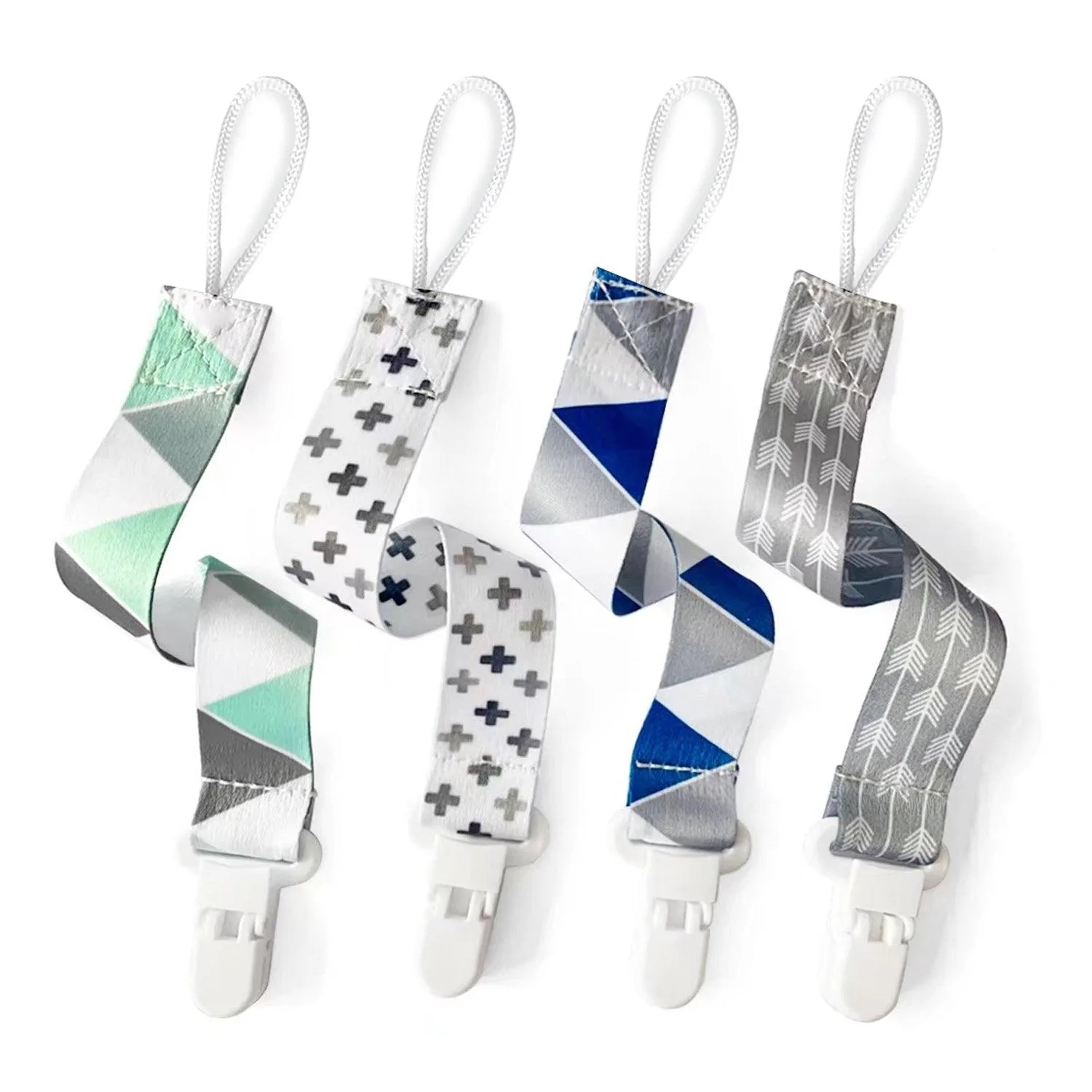
Pacifier Clips (4 Pack)
- Check fabric holders for mold or mildew regularly, especially after washing.
- Replace holders if the clip becomes loose or the strap shows wear.
- Use a separate holder for each pacifier to avoid mixing up clean and dirty ones.
Common Mistakes to Avoid When Cleaning Pacifiers
One of the most common mistakes is using harsh chemicals or antibacterial soaps, which can leave toxic residues that babies ingest. Stick to mild dish soap or specialized baby-safe cleaners. Another mistake is putting pacifiers in the dishwasher without checking if they are dishwasher-safe—high heat and strong detergents can damage them. Also, avoid using bleach or vinegar, as these can alter the taste and texture of the silicone.
Never “clean” a pacifier by putting it in your own mouth—this transfers adult bacteria to the baby. Similarly, avoid wiping pacifiers with alcohol wipes or hand sanitizers, as these can be drying and harmful if ingested. Finally, don’t skip cleaning the holder itself; many parents focus only on the pacifier and forget that the clip or strap can be just as dirty.
- Always rinse pacifiers after any cleaning method to remove all residues.
- Replace pacifiers every 2-4 weeks to ensure optimal hygiene and safety.
- Store pacifiers and holders separately to avoid cross-contamination.
How Often Should You Clean Pacifiers and Holders?
For newborns and babies under 6 months, sterilize pacifiers and holders daily, especially if the baby is prone to infections or has been sick. For older babies, a thorough hand-washing with soap and water after each use is sufficient, with sterilization once a week. Always clean immediately if the pacifier falls on the floor, in dirt, or in a public place.
Pacifier holders should be cleaned at the same frequency as the pacifier itself. If the holder has a fabric component, wash it every few days or whenever it becomes visibly soiled. Having multiple sets of pacifiers and holders can make rotation easier—consider stocking up on PandaEar’s https://terracradle.shop/products/silicone-bibs-3-pack-120881https://terracradle.shop/products/silicone-bibs-3-pack-120882Silicone Bibs (3 Pack) or Plates (3 Pack) to complement your feeding and hygiene routine, but for pacifiers, look for durable silicone options that withstand frequent cleaning.
- Create a cleaning schedule to stay consistent, especially during travel.
- Keep a spare pacifier and holder in a clean case for emergencies.
- Label holders if you have multiple babies to avoid mix-ups.
Choosing the Right Pacifier and Holder for Easy Cleaning
When selecting pacifiers and holders, opt for those made of 100% food-grade silicone, as they are non-porous, heat-resistant, and easy to clean. Avoid pacifiers with intricate designs or hard-to-reach crevices that trap dirt. One-piece pacifiers are easier to sanitize than those with separate parts. Holders with simple clips and smooth surfaces are also more hygienic.
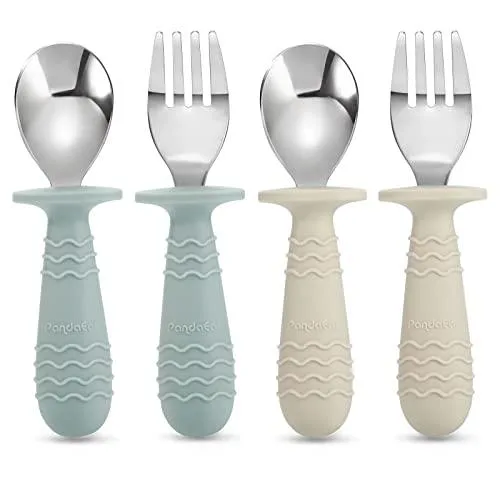
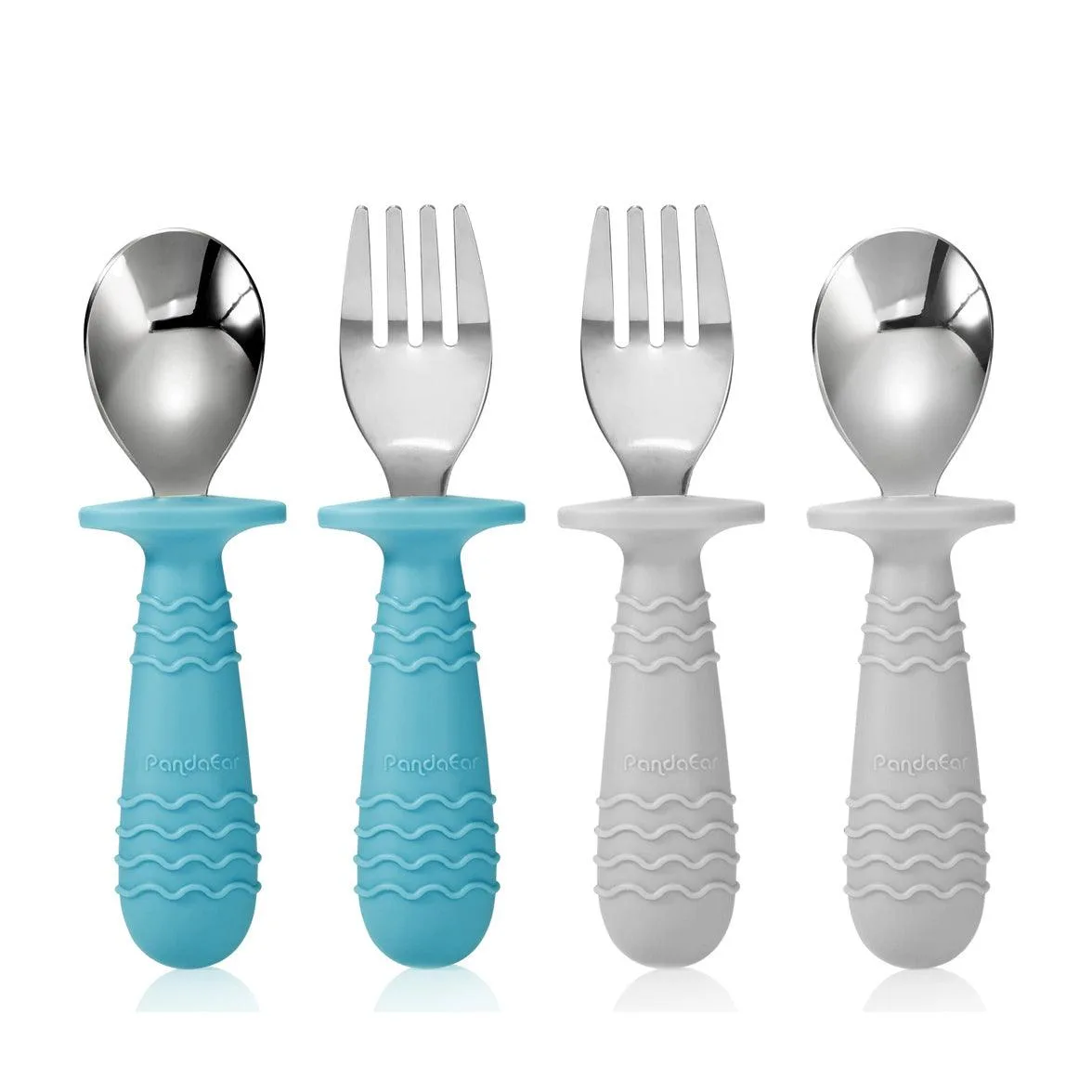
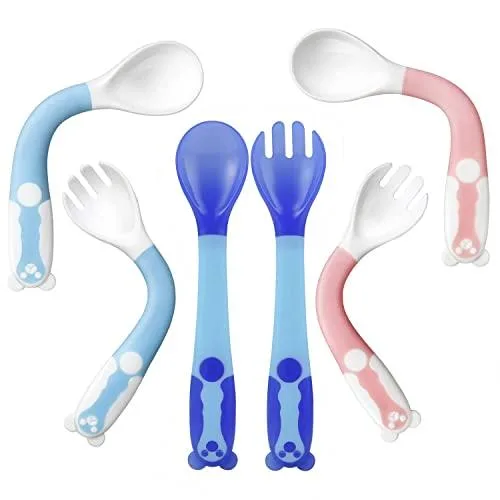
PandaEar offers a range of baby products designed with hygiene in mind. For example, the Fruit & Food Feeder Pacifier (3 Pack) doubles as a pacifier and a feeder, and its silicone mesh is easy to rinse and sterilize. Similarly, the Feeding Set includes utensils and bowls that are dishwasher-safe, making cleanup a breeze. Always check product labels for cleaning instructions to ensure longevity and safety.
- Choose pacifiers with ventilation holes to prevent moisture buildup.
- Avoid pacifiers with decorative elements that can detach and pose a choking hazard.
- Look for holders with non-toxic, BPA-free materials for peace of mind.
Proper cleaning of baby pacifiers and holders is a simple yet vital part of infant care that protects your baby from germs and ensures every soothing moment is safe. By following the daily washing and sterilization tips in this guide, you can maintain a high standard of hygiene without extra stress. For durable, easy-to-clean options, explore PandaEar’s collection of baby essentials, including the Fruit & Food Feeder Pacifier (3 Pack) that combines comfort and convenience. Start your clean routine today and give your baby the healthiest start possible.