Quick answer
Clean bath toys after every single bath by squeezing out all trapped water, then wash them weekly in warm soapy water and let them air-dry completely with the openings facing down. Mold needs standing water and darkness, so the fastest way to prevent mold in bath toys is to remove the water before it has time to sit.
If your child's bath toys smell sour or show dark specks inside, water has been sitting in them. Squeeze toys, in particular, trap a small amount of water every time they go in the tub, and that moisture is exactly what mold needs.
The good news is that bath toy hygiene is mostly about routine, not harsh chemicals. A few minutes of squeezing and drying after each bath, plus a deeper clean once a week, keeps toys fresh and safe for the next splash session.
Why mold grows in bath toys so quickly
Mold spores are everywhere in the air, and they only need three things to grow: moisture, warmth, and something to feed on. Bath toys provide all three. Warm bathwater seeps into squeeze holes and seams, and soap residue, skin cells, and small bits of dirt give the spores a food source. Inside a sealed toy, that moisture can stay put for days.
The longer water sits, the more likely you are to see black or pinkish spots, a musty smell, or a slimy film. Once mold is visible inside a squeeze toy that cannot be opened or fully drained, it is usually safer to replace it than to try to scrub it out.
- Squeeze toys with small holes are the highest-risk category because water enters easily and drains slowly.
- Toys with seams, cracks, or peeling paint give mold more places to hide.
- Toys that stay in a closed bin while still damp are the most likely to develop a smell.
What you need before you start
You do not need a cabinet full of specialty products. Warm water, a mild dish soap, and a soft brush or cloth handle most bath toy cleaning. For a deeper clean, white vinegar is a common household option, but always check the toy's manufacturer instructions first, since some materials and painted finishes may not tolerate soaking.
Set up two containers: one with warm soapy water for washing and one with clean water for rinsing. A small bottle brush or pipe cleaner helps reach inside squeeze holes where a sponge cannot go.
- Skip bleach unless the toy's instructions specifically allow it, and never mix bleach with vinegar or other cleaners.
- Keep a dedicated small brush for toy cleaning so you are not using the same one on dishes.
- Check each toy for cracks or loose parts before washing, and set damaged ones aside.
How often to clean bath toys
A quick drain-and-dry should happen after every bath. A full wash with soap and water is reasonable about once a week, or more often if your child is recovering from an illness or if you notice a smell. Toys used by a child who is sick, or shared between children, benefit from a wash right after that bath.
If a toy has been sitting damp in a bin for several days, treat it to a full clean before it goes back in the tub, even if it looks fine on the outside.
- Daily: squeeze and air-dry.
- Weekly: wash with mild soap, rinse, and dry fully.
- After illness: wash immediately and dry completely before storing.
Choosing bath toys that are easier to keep clean
The single biggest factor in bath toy hygiene is design. Toys with no holes, no seams, and smooth surfaces dry quickly and leave mold nowhere to hide. Solid figurines and molded plastic animals are naturally easier to keep clean than hollow squeeze toys, because there is no interior cavity to trap water.
If your child loves squeeze toys, look for ones with a removable plug or a design that lets you drain them fully. Rotating a smaller number of toys in and out of the bath also means each one gets dried properly instead of sitting wet in a crowded bin.
- Solid, one-piece toys are the easiest to clean and dry.
- Squeeze toys are fine if you commit to squeezing and drying them every time.
- Fewer toys in the tub means each one gets drained and dried more reliably.
Bath toy cleaning routine: 6 steps
- Step 1: Drain every squeeze toy immediately after the bath: Hold each squeeze toy under warm running water and squeeze it several times so clean water flushes through the inside, then squeeze firmly until no more water comes out. Common mistake: tossing wet toys straight into a closed bin, which traps moisture and starts the mold clock. Checkpoint: if you can still hear water sloshing, keep squeezing.
- Step 2: Wash surfaces with warm soapy water: Fill a bowl with warm water and a few drops of mild dish soap. Wipe or brush every surface, paying attention to seams, crevices, and the area around squeeze holes. Common mistake: only rinsing toys instead of washing them, which leaves behind the soap film and body oils that feed mold. Checkpoint: the water should look clean when you finish, not cloudy.
- Step 3: Rinse thoroughly with clean water: Rinse each toy under running water and squeeze it a few more times so clean water passes through the interior. Common mistake: skipping the interior rinse, which leaves soapy water inside the toy where it can grow stagnant. Checkpoint: no bubbles should come out when you squeeze.
- Step 4: Air-dry completely with openings facing down: Place toys on a clean towel or drying rack with squeeze holes and openings pointing downward so gravity pulls the last drops out. Leave them overnight if possible. Common mistake: drying toys on a flat surface where water pools underneath and never evaporates. Checkpoint: a toy is dry only when no moisture comes out after a final squeeze.
- Step 5: Do a weekly deeper clean: Once a week, soak hard plastic toys in warm soapy water for a few minutes and scrub with a small brush or bottle brush. If the manufacturer allows it, a diluted white vinegar soak is a common household option for stubborn film. Common mistake: using bleach or vinegar on toys whose instructions do not permit it, which can damage finishes. Checkpoint: follow the toy's own care instructions over any general advice.
- Step 6: Store dry toys loosely, not sealed tight: Keep clean, fully dry toys in an open or ventilated bin rather than a sealed container. Common mistake: stacking damp toys in a closed box, which recreates the warm, dark, humid conditions mold loves. Checkpoint: if you smell anything musty when you open the bin, rewash the whole batch.
Bath-friendly toys that skip the mold problem
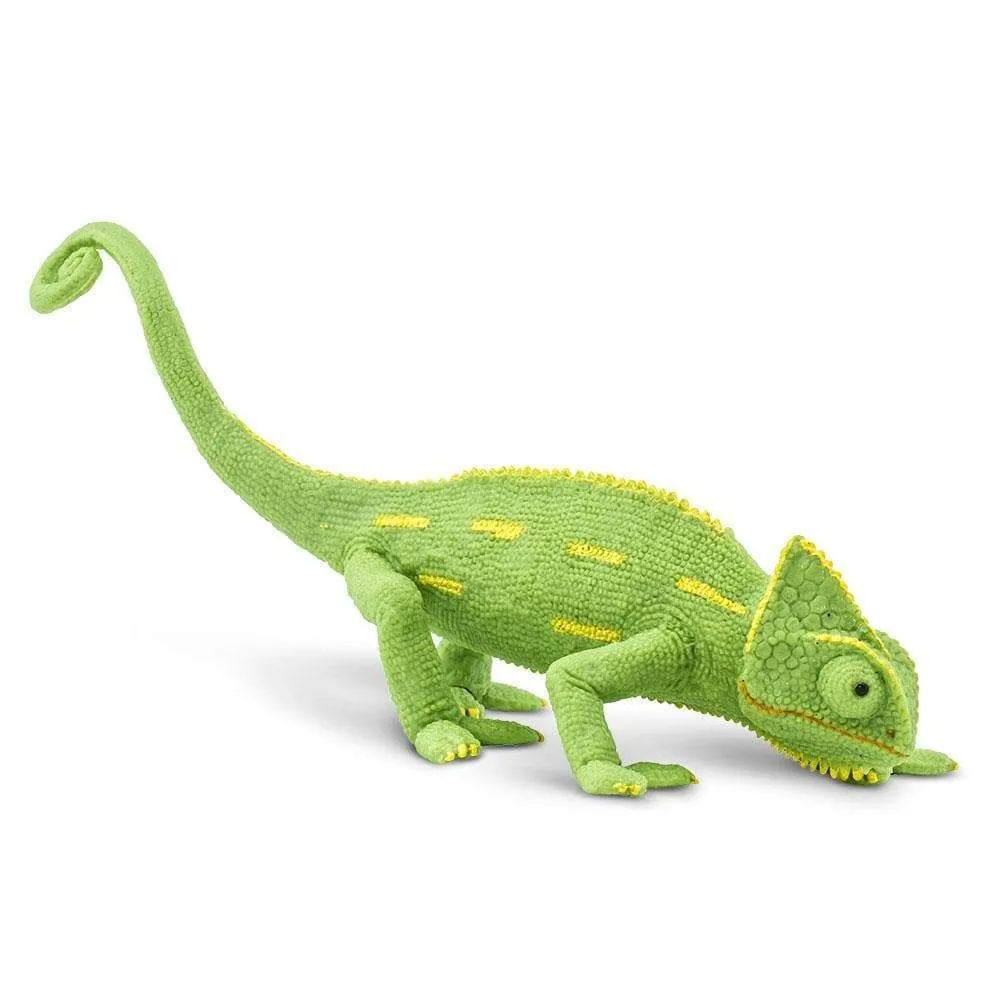
- Veiled Chameleon Baby Toy: This Incredible Creatures figurine is a solid, professionally sculpted model of a young veiled chameleon, a species native to Yemen and Saudi Arabia. With no hollow cavity or squeeze hole, there is nowhere for bathwater to collect, so drying is as simple as a quick towel-off.
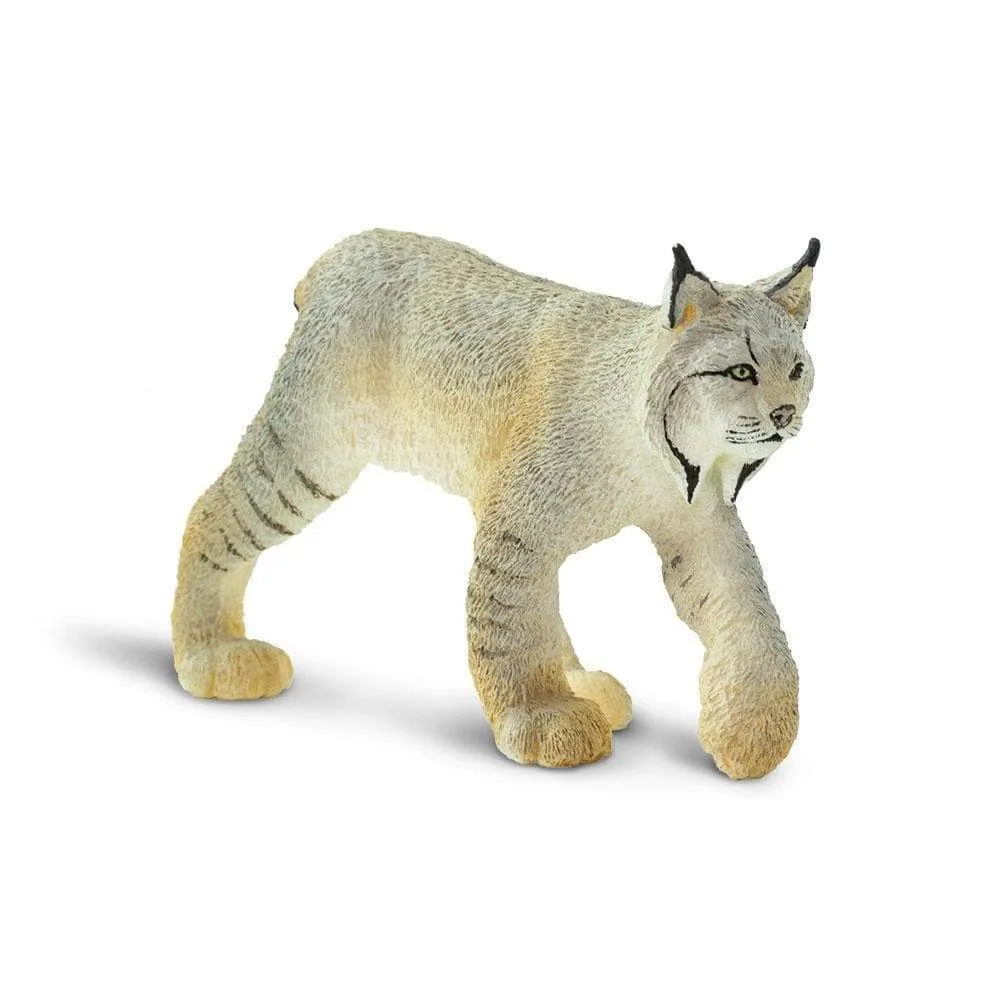
- Lynx Toy: Part of the Wild Safari North American Wildlife line, this lynx figurine is a solid model of one of the four lynx species, recognizable by its short tail. A solid one-piece shape means no interior moisture, no seams to scrub, and no musty smell after tub time.
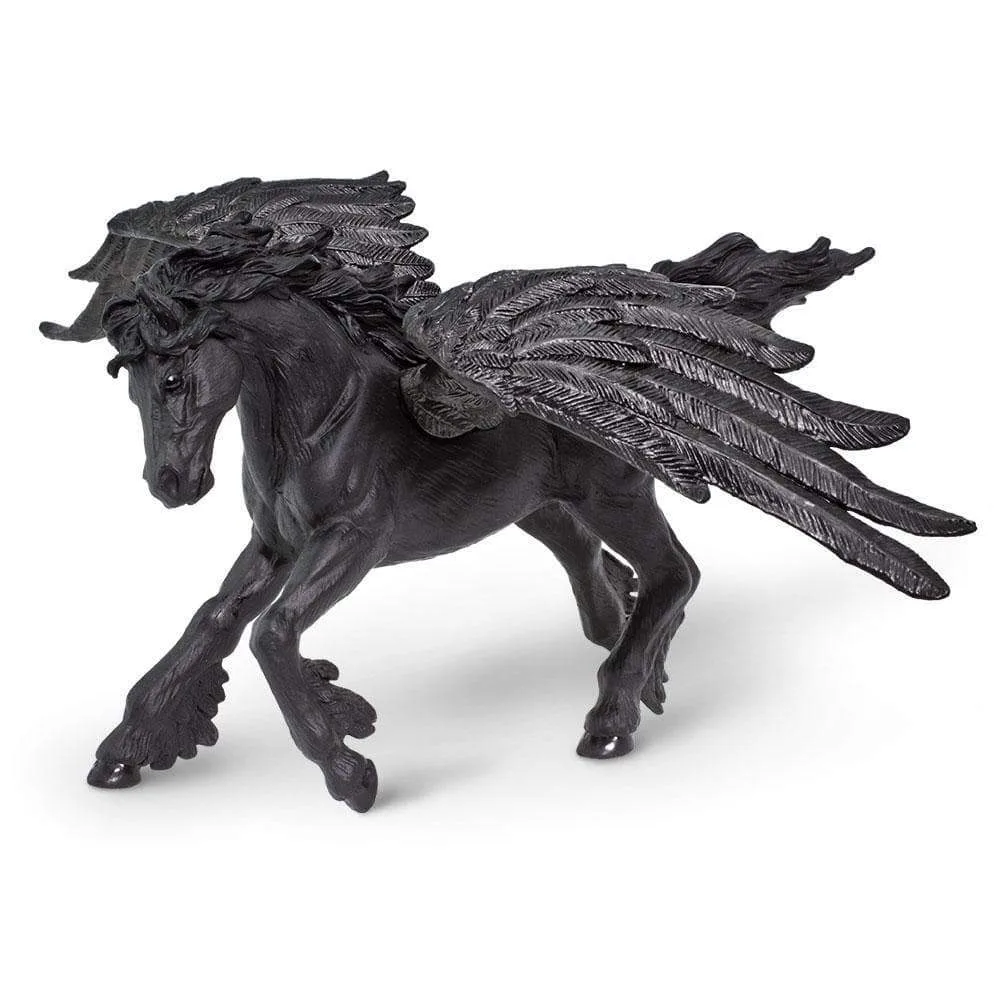
- Twilight Pegasus: This Mythical Realms figure is a solid sculpted flying horse designed as a steed for brave champions. Fantasy figures without openings rinse clean in seconds and air-dry on a towel, which makes them a low-maintenance option for bath play.
Mold in bath toys is a moisture problem, not a cleaning-product problem. Squeeze, wash, rinse, and dry completely after every bath, and you will spend far less time scrubbing spots later. When a squeeze toy has visible mold inside and cannot be opened or drained, replace it, and consider solid figurines for the toys that see the most tub time.