Quick answer
Empty and rinse the bento box and snack bag as soon as your child gets home. Wash the bento box parts in warm soapy water, and wipe the snack bag with a damp cloth. Once a week, deep clean with a baking soda soak to remove odors. Let everything air-dry completely before storing.
Daily rinse and wipe: the 5-minute habit that prevents most odor
The single biggest cause of lingering smells is food residue left to sit. As soon as the lunch bag is unpacked, scrape solids into the trash, not the sink, to avoid clogging. Rinse the bento box and its lid under warm running water. For the snack bag, turn it inside out and shake out crumbs. Use a damp cloth with a drop of dish soap to wipe the interior, then wipe again with a clean wet cloth. This daily step takes about five minutes and stops bacteria from getting a foothold.
How to wash a bento box without warping or trapping water
Most bento boxes are top-rack dishwasher safe, but hand washing is gentler on seals and hinges. If you hand wash, use a soft sponge and warm water with mild dish soap. Pay attention to the gasket or silicone seal around the lid—food particles love to hide there. Use a small bottle brush or the corner of a sponge to gently clean the groove. Rinse thoroughly; soap residue can leave a taste. After washing, place all parts on a drying rack with the lid open so air circulates. Never stack a wet bento box closed; trapped moisture is a recipe for mildew.
Snack bag cleaning tips for fabric and insulated styles
Check the care tag first. Most fabric snack bags can be wiped with a damp cloth and mild soap. For insulated bags with a wipe-clean lining, avoid soaking the whole bag. Spot clean stains with a paste of baking soda and water, then wipe away. If the bag is machine washable, turn it inside out, remove any inserts, and wash on a gentle cycle with cold water. Never put a snack bag in the dryer—heat can break down waterproof coatings and insulation. Always air-dry.
Deep clean for stubborn odors: baking soda and sunlight
When a smell lingers after routine washing, it's time for a deep clean. For the bento box, make a paste of baking soda and water, apply it to the interior, and let it sit for 15 minutes. Rinse well. For the snack bag, sprinkle baking soda inside, let it sit overnight, then brush it out. Sunlight is a natural deodorizer—turn the bag inside out and place it in direct sun for a few hours. Avoid vinegar on silicone seals, as it can degrade them over time.
Step-by-step cleaning routine
- Unpack and scrape immediately: As soon as lunch is over, empty all food into the trash, not the sink. Scrape containers with a rubber spatula. Checkpoint: no food remnants left in corners or seals.
- Wash bento box parts by hand: Use warm water, mild dish soap, and a soft sponge. Clean the lid seal with a small brush. Rinse well. Mistake to avoid: soaking wooden or bamboo parts, which can crack.
- Wipe the snack bag inside and out: Turn the bag inside out. Wipe with a damp soapy cloth, then a clean wet cloth. For insulated bags, don't submerge. Checkpoint: no sticky residue on the lining.
- Air-dry all parts completely: Place bento box parts and the snack bag on a drying rack with lids open. Ensure good airflow. Mistake to avoid: stacking wet items or storing while damp.
- Deep clean weekly or when odors linger: Use a baking soda paste for the bento box and a baking soda sprinkle for the bag. Let sit, then rinse or brush out. Sun-dry if possible. Checkpoint: no smell after drying.
Gear that makes cleaning easier
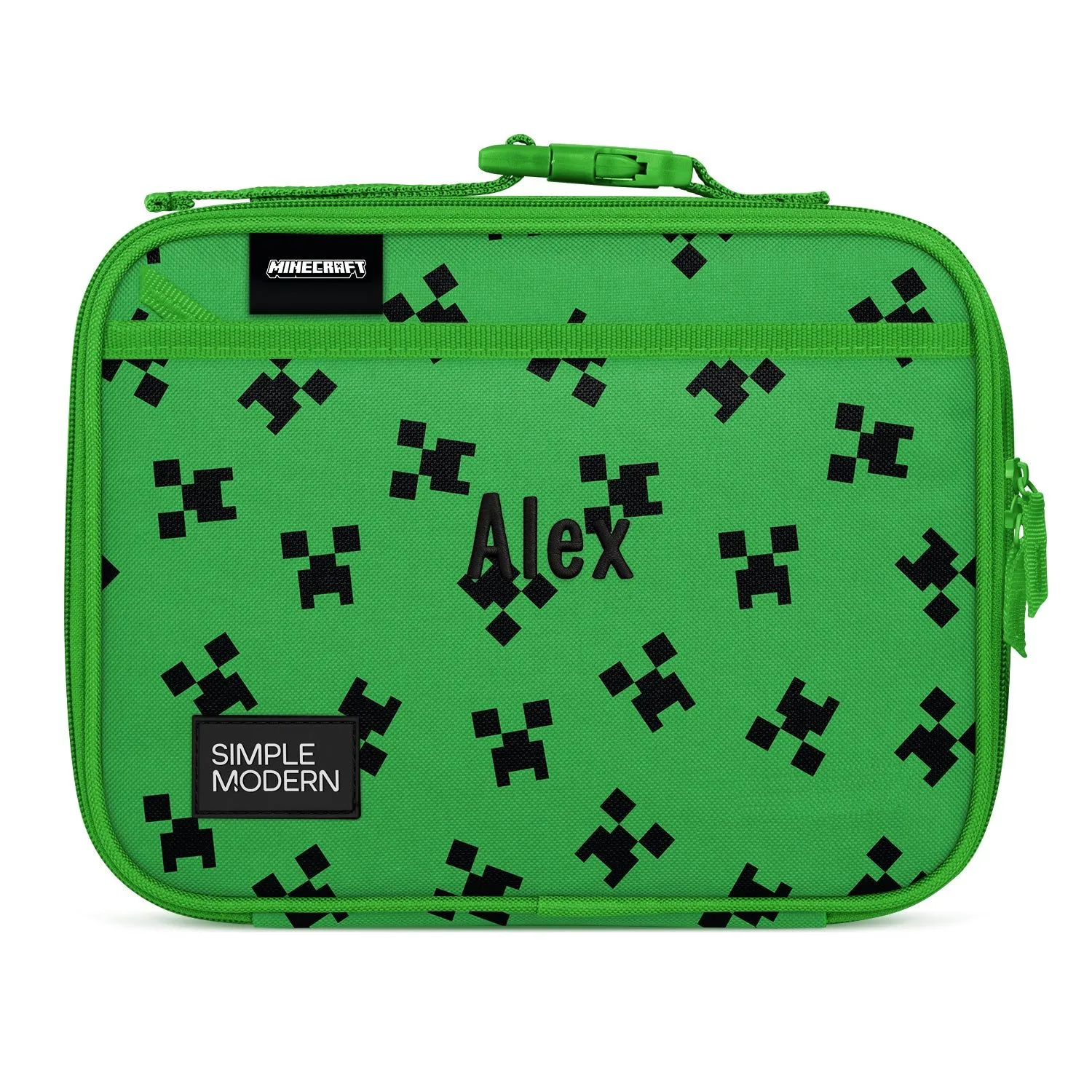
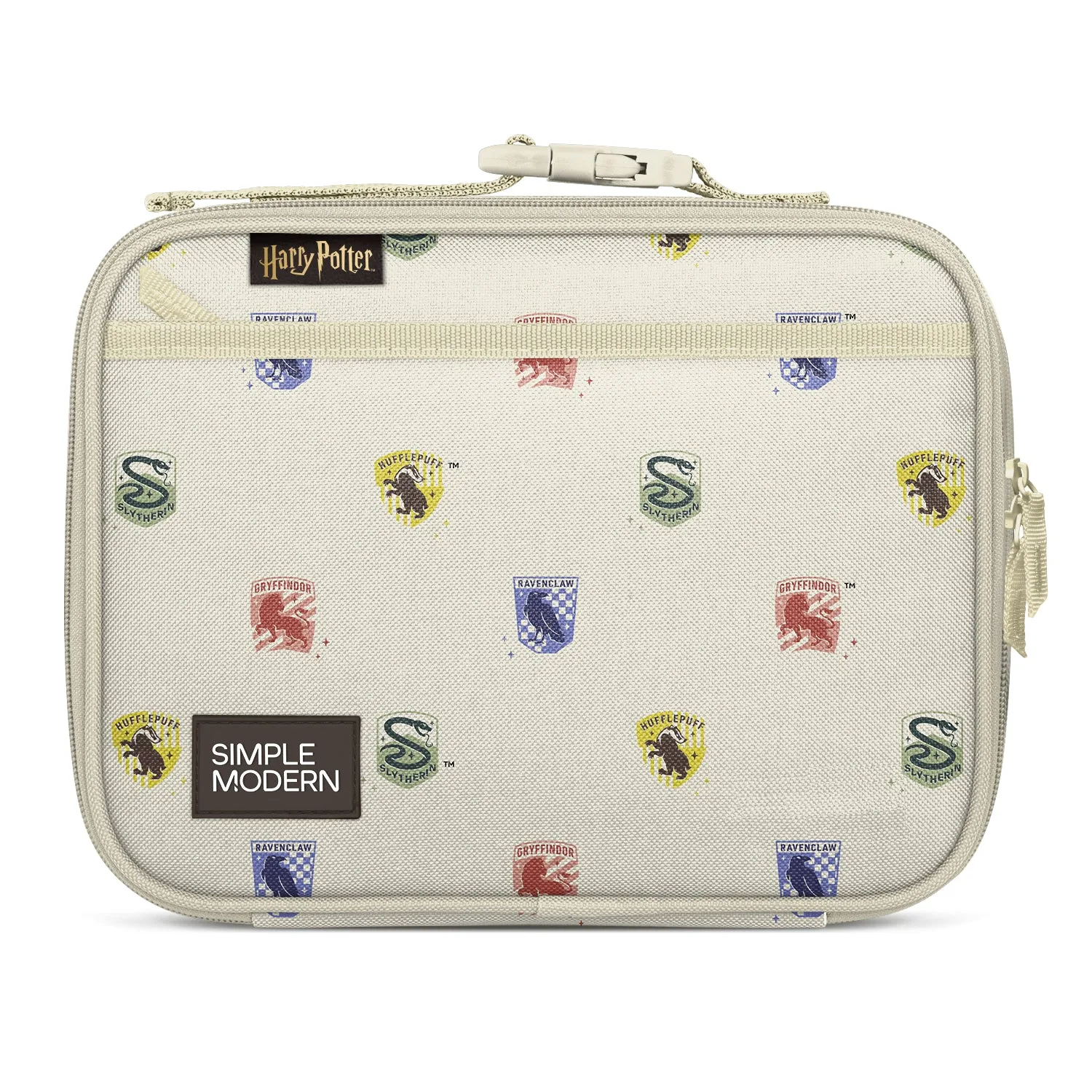
- Hadley Lunch Bag: Triple Insulated: keeps food cold for hours; new and improved firmer structure and superior lining; durable with reinforced stitching, sturdy handle, and snap buckle to clip to backpack. The firmer structure and superior lining make wiping out crumbs and spills easier, while the snap buckle lets you attach it to a backpack so it doesn't get lost in the bottom of a locker.