Quick answer
Blow or brush off loose grit first, then wipe gently with a clean microfibre cloth and lens cleaning fluid, working from the centre outwards. Never rub a dry lens with a cloth or shirt, and never use household glass cleaner. If your lenses fog up, let them acclimatise and wipe only when necessary. Keep a small cleaning kit for optics in your bag so you can deal with marks before they harden.
Why dry wiping is the fastest way to scratch a lens
Dust, sand and dried salt are abrasive. If you drag a cloth across a dry lens, those particles act like sandpaper on the anti-reflective coatings. Coatings are softer than glass, so scratches show up as haze or flare long before the glass itself is damaged.
The fix is a two-stage approach: remove loose particles without touching the surface, then dissolve and lift oily marks with fluid and a clean cloth. This is the core of any safe spotting scope lens cleaning routine.
What belongs in a cleaning kit for optics (and what does not)
A basic kit needs a blower brush or soft lens brush, a microfibre cloth, and a lens cleaning solution. For field use, add a few pre-moistened lens tissues. Avoid kitchen roll, toilet paper, and clothing—wood fibres and trapped grit will scratch.
Do not use acetone, ammonia-based window cleaner, or alcohol-heavy sanitiser on coated optics. They can strip coatings or leave streaks. If you wear glasses, your glasses cloth may be fine, but keep it separate from your optics cloth so grit does not transfer.
How to deal with a foggy binocular lens fix
Fogging is usually condensation, not dirt. When you bring cold binoculars into a warm room, moisture condenses on the glass. Let them sit with the eyecups extended until they reach room temperature—do not wipe, because you will just smear the moisture and any dust into the coating.
If fogging happens in the field, breathe through your nose rather than your mouth, and avoid pressing the eyecups tight against your face. Some binoculars are nitrogen-purged and waterproof, which reduces internal fogging, but external condensation still happens. A microfibre cloth can remove the film once it clears, but only after you have blown off any grit.
When to replace lost or damaged lens caps
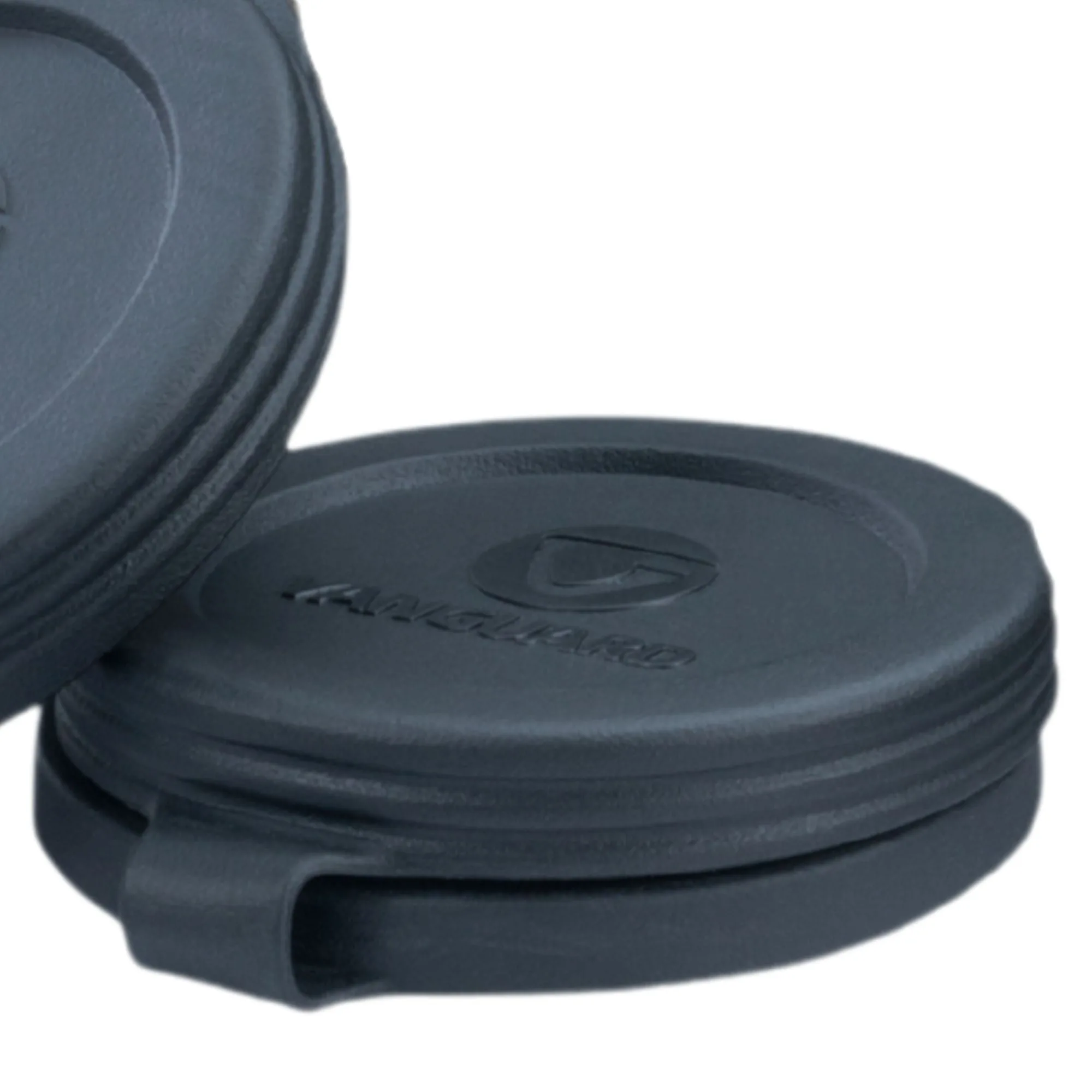
Objective lens caps protect the front glass from dust, fingerprints and impact. If you lose one, replace it before your next trip. The Optics Spares Two Rubber Objective Lens Caps are designed for 42mm objective lenses on Endeavor ED, Endeavor ED II, Endeavor ED IV and Spirit XF binoculars. Check your model's objective size before ordering—42mm is not universal.
A missing cap means more cleaning, and more cleaning means more risk of scratches. A replacement cap is cheaper than a lens repair.
Storing and carrying optics to reduce cleaning frequency
Most scratches happen in storage or transit, not during viewing. Keep binoculars in a case or bag when not in use, and avoid loose grit in the bottom of your pack. If you carry a spotting scope, use a scope cover and never set it down on sand or gravel.
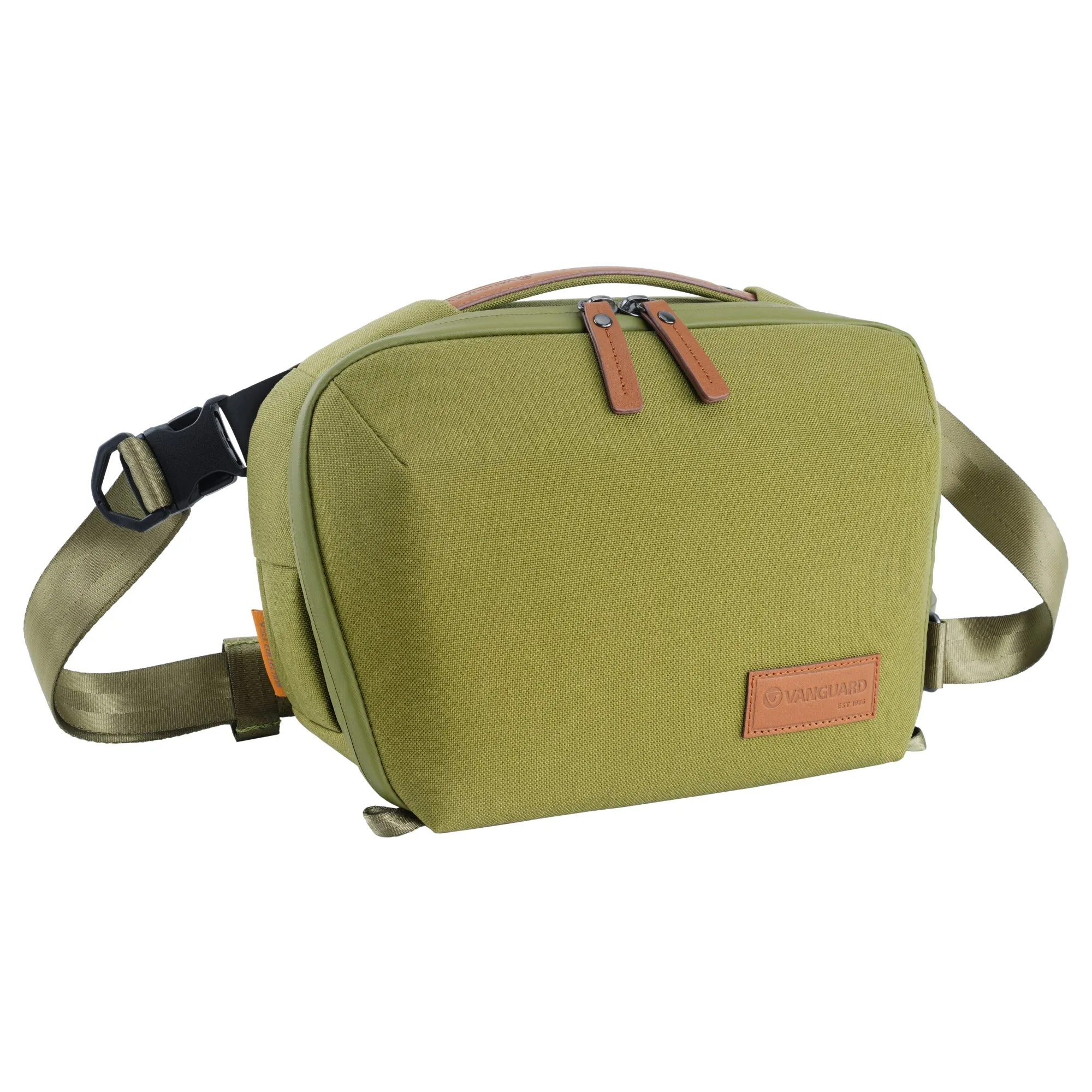
For binoculars, a simple shoulder bag like the VEO CITY CB24 3 Litre Cross Body Camera Bag can hold a compact binocular, a cloth and a spare cap without bulk. It is not a hard case, so it will not protect against a heavy drop, but it keeps dust and sand away from the glass.
Step-by-step lens cleaning without scratches
- 1. Blow away loose particles: Use a blower brush or dry lens brush to remove dust, sand and grit. Hold the optic at an angle so particles fall away rather than settling back on the lens. Checkpoint: if you can still see specks, do not wipe yet—blow again or use a fresh brush.
- 2. Brush the lens surface gently: If a blower is not enough, use a soft lens brush with very light strokes. Never press hard; bristles can drag grit across the coating. Common mistake: using the same brush on the eyepiece and objective without cleaning it in between.
- 3. Apply lens cleaning fluid to a cloth, not the lens: Put one or two drops of lens cleaning solution onto a clean microfibre cloth. Never spray or pour fluid directly onto the lens, because it can seep inside the housing. Checkpoint: the cloth should be damp, not wet.
- 4. Wipe in a circular motion from the centre outwards: Use light pressure and turn the cloth to a clean area with each pass. Work from the centre of the lens to the edge, then use a dry part of the cloth to remove any streaks. Common mistake: scrubbing back and forth with a dirty cloth, which spreads oil and grit.
- 5. Inspect and repeat only if needed: Hold the lens up to a light. If you see smears, use a fresh cloth and a little more fluid. If you see scratches, stop—further wiping will not fix them. Checkpoint: a clean lens should look clear with no visible film or streaks.
- 6. Replace caps and store properly: Once clean, put the objective and eyepiece caps back on. Store the optic in a case or bag away from dust and moisture. Next step: if caps are lost or damaged, order replacements before your next trip.
Useful gear for safe lens care
- Optics Spares : Two Rubber Objective Lens Caps - Endeavor & Spirit XF 42mm: Two rubber objective lens caps for 42mm objective lenses on Endeavor ED, Endeavor ED II, Endeavor ED IV and Spirit XF binoculars. Replacing a lost cap reduces how often you need to clean the front lens, which lowers the risk of scratches.
- VEO CITY CB24 : 3 Litre Cross Body Camera Bag - Green: VEO CITY CB24 is a 3-litre cross body camera bag with a sleek design and Air construction, available in green. A dedicated bag keeps binoculars and a cleaning cloth separate from keys, sand and other abrasive items in a larger pack.
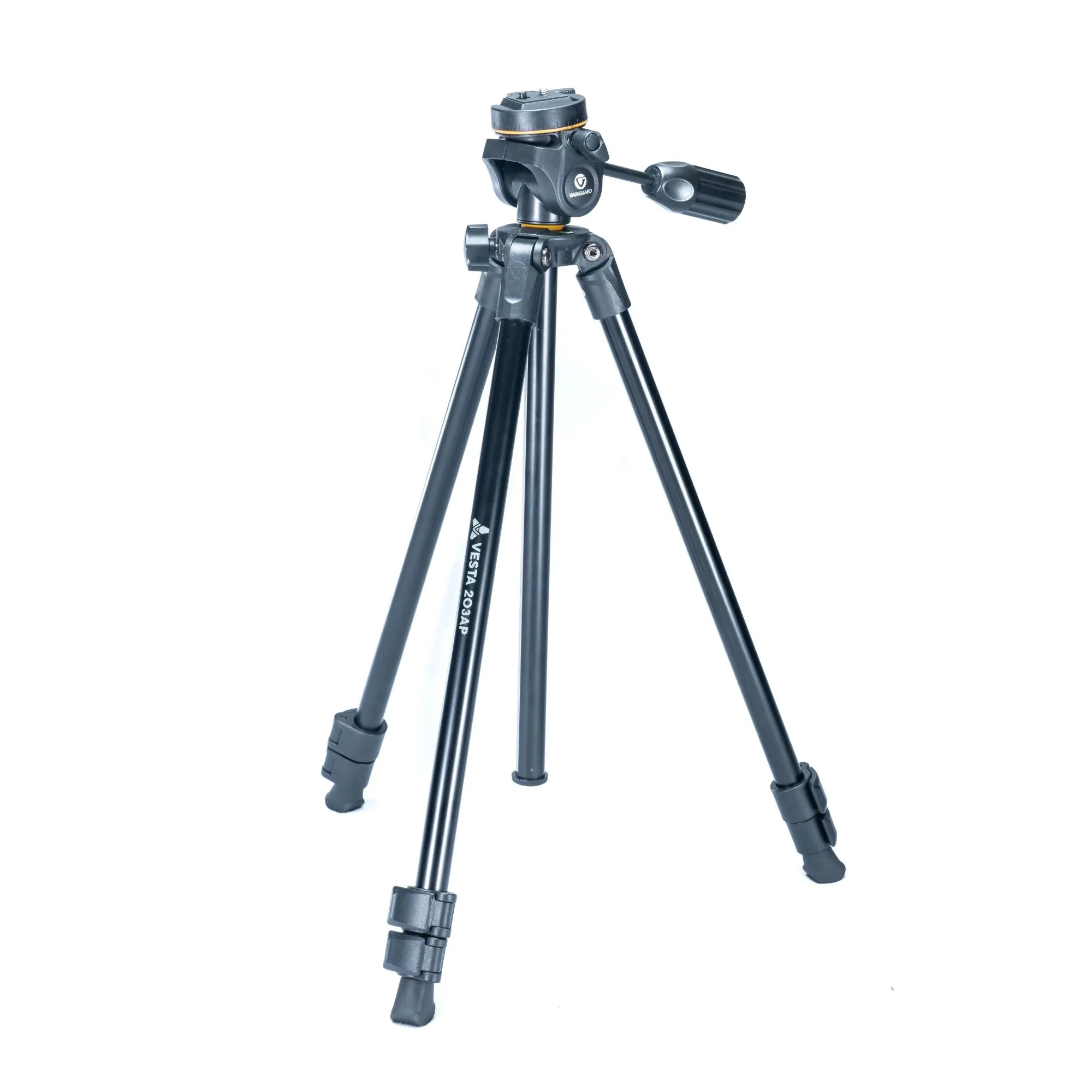
- VESTA 203AP Lightweight Aluminium Tripod with 3-way pan-head: VESTA 203AP is a lightweight aluminium tripod with a PH-23 3-way pan-head, 3-section legs, flip leg locks, 1.1kg weight, closed length 57cm and maximum height 155cm. A stable tripod lets you keep both hands free for careful cleaning and inspection, rather than balancing a scope while you work.