Quick Answer
To clean your board game components safely, start by sorting them by material. Use a soft, dry cloth for cards and cardboard, and a slightly damp cloth for plastic and wooden pieces. Avoid soaking anything, and always air-dry completely before storing.
Board games are meant to be played, and that means they pick up dirt, oils, and the occasional snack crumb. Keeping your components clean not only makes the game more pleasant but also extends its lifespan. However, improper cleaning can warp cardboard, fade ink, or ruin finishes.
In this guide, we'll walk you through the safest methods to clean different types of components, from cards and tokens to minis and boards. You'll learn what works, what to avoid, and how to keep your games looking and playing like new.
Know Your Components
Before you start cleaning, identify what your game is made of. Standard board games like Rallyman GT include cardboard tokens, dice, and cards. Glossy cards and coated cardboard are more sensitive to moisture, while plastic pieces can handle a bit more water.

Rallyman GT
Check the game's rulebook or publisher notes for any specific care instructions. When in doubt, test a small, hidden area first. This is especially important for games with unique components like the custom dice in Rallyman GT or the cardboard tiles in sqWATCH OUT!.
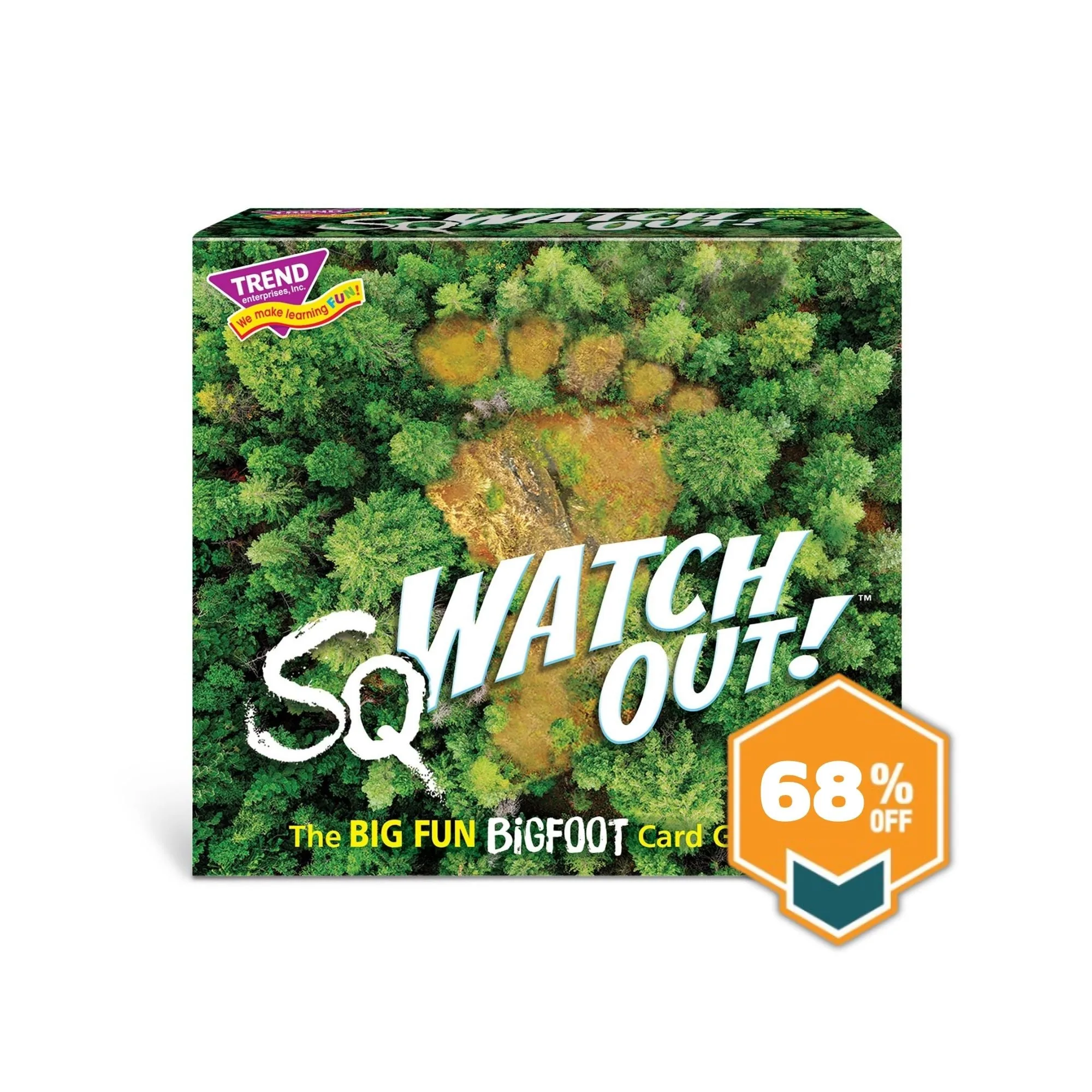
sqWATCH OUT!
- Sort components by material: cardboard, plastic, wood, or fabric.
- Check for any manufacturer care labels or warnings.
Dry Cleaning First
For most components, a simple dry cleaning removes surface dust and debris. Use a soft, lint-free microfiber cloth or a soft-bristled brush to gently wipe cards, tokens, and boards. For hard-to-reach corners, a clean, dry paintbrush works wonders.
Dry cleaning is the safest starting point. It avoids any risk of moisture damage and is often enough for regular upkeep. If you have games with textured components like the cardboard tiles in Treasures of Cibola, a dry brush can get into the grooves without causing wear.
- Always dry-clean before reaching for any liquid cleaner.
When and How to Use Damp Cleaning
For sticky spots or grime, a slightly damp cloth can be used, but only on non-cardboard components. Wring out the cloth thoroughly so it's just barely damp, then wipe the piece gently. Avoid saturating plastic or wood, as moisture can seep into seams.
For dice and plastic minis, you can use a mild soap solution, but never submerge them. Dip a cloth in the solution, wring it out, and wipe. For wooden pieces, use a barely damp cloth with no soap, then dry immediately. Games like Gladius, which feature wooden tokens, benefit from this gentle approach.
- Never soak components or let moisture sit on them.
- Dry each piece with a separate dry cloth right after cleaning.
Sanitizing Without Damage
If you need to sanitize components, especially after a game night with many players, use a UV-C sanitizer wand or a gentle disinfectant wipe that's free of bleach and alcohol. Test on a small area first. Alternatively, let components air out in a dry, well-ventilated area.
Avoid harsh chemicals like alcohol or ammonia, which can strip ink and damage finishes. For games like King of Tokyo: Duel, which have colorful art, stick to dry methods or UV sanitizers to preserve the visuals.
- Use alcohol-free wipes only on non-porous surfaces.
- Consider a UV sanitizer for a chemical-free option.
Drying and Storing
After any damp cleaning, allow components to dry completely before putting them away. Spread them out on a towel in a single layer, and flip them after a few hours. This prevents moisture from being trapped in boxes, which can lead to mold or warping.
Store games upright in a cool, dry place. Avoid attics or basements where humidity fluctuates. For games with lots of small pieces like Europa Base Alpha, use resealable bags or organizers to keep components clean and separated.
- Never store damp components.
- Use silica gel packets in game boxes to absorb excess moisture.
Step-by-Step Cleaning Checklist
- Sort and Assess: Separate components by material and inspect for any damage. Check for stickers or labels that might peel off with cleaning. Checkpoint: Know what you're working with before you start.
- Dry Clean Thoroughly: Use a microfiber cloth or soft brush to remove all loose dust and debris from every component, including corners and edges. Checkpoint: If components look clean after this, skip wet cleaning.
- Damp Clean with Care: For grime, use a barely damp cloth with mild soap only on plastic, wood, or metal pieces. Wipe gently and dry immediately with a separate cloth. Checkpoint: Never let moisture sit on any component.
- Sanitize Gently: If needed, use a UV sanitizer or alcohol-free wipe on non-porous surfaces. Test on a small area first to ensure no damage. Checkpoint: Avoid harsh chemicals that can strip ink.
- Dry Completely: Lay all cleaned components out in a single layer on a dry towel. Allow them to air-dry fully, flipping once after a few hours. Checkpoint: Components should be completely dry before storing.
- Store Properly: Return components to their box only after they are dry. Use resealable bags or organizers to keep them clean and separated. Checkpoint: Store in a cool, dry place away from humidity.
Component Care in Practice
- Rallyman GT: Rallyman GT is a roll and move game with a simple yet exciting dice mechanic that invites players to push their luck and navigate the terrain as best they can. The custom dice in Rallyman GT are central to gameplay, so keeping them clean ensures fair rolls and easy readability. Dry cleaning with a soft cloth is ideal to avoid altering the dice's balance or ink.
- sqWATCH OUT!: sqWATCH OUT! is a family-friendly card game that's all about Bigfoot and BIG fun! Cards in sqWATCH OUT! are handled frequently, making them prone to dirt and oils. Regular dry cleaning and proper storage will keep the artwork vibrant and the cards durable for many plays.
Regular cleaning keeps your board games looking great and lasting longer. By following these steps, you can safely maintain every component, from cards to dice to minis. Remember: when in doubt, start dry and gentle. Your games will thank you.