Quick answer
Blow off loose grit with a rocket blower, brush remaining dust with a soft lens brush, then use a microfiber cloth with a drop of lens cleaning fluid only if smudges remain. For UV and CPL filters, unscrew them from the lens before cleaning to avoid trapping grit at the threads. Never reuse a dirty cloth or apply fluid directly to the glass.
Gather safe lens cleaning tools before you start
You do not need a lab-grade kit. A rocket blower, a soft lens brush, a few clean microfiber cloths, and a small bottle of lens cleaning fluid cover almost every situation. Keep a separate cloth for the camera body and another for the glass so you never transfer grit from one surface to the other.
Avoid paper towels, tissues, and shirt sleeves. Wood fibers and dust particles in those materials can drag across the coating and leave permanent marks. If you wear a filter for protection, a dedicated filter cleaning routine keeps that front element ready for quick wipes without touching the lens itself.
Step-by-step lens and filter cleaning routine
Work in a clean, well-lit area. Start with the blower, then the brush, then a microfiber wipe, and only use fluid if a smudge remains. This order prevents you from grinding dry dust into the coating.
For UV and CPL filters, the same order applies, but remove the filter from the lens first. A CPL has two rings, so hold the outer ring while cleaning to avoid spinning the polarizer and loosening the filter. After cleaning, check the threads for grit before screwing it back on.
Lens hoods collect dust and fingerprints on the inside. Wipe them with a damp microfiber cloth and let them air-dry completely before storing them on the lens. A dirty hood can shed particles onto the front element when you attach it.
Common mistakes that cause scratches
The biggest mistake is cleaning a dry lens with a cloth. Always blow and brush first. The second is using too much fluid; one drop on the cloth is enough, and excess liquid can seep into the lens barrel or between filter glass and its ring.
Another frequent error is reusing a microfiber cloth that has picked up grit. Wash cloths regularly with a mild, fragrance-free detergent and let them air-dry. If you drop a cloth on the ground, retire it until it is washed.
Finally, do not clean your lens in a dusty or windy environment. If you are outdoors, move inside a car or use a clean bag as a shield. A few seconds of protection prevents a new layer of grit from landing while you work.
When to use a protective filter and how to care for it
A UV or clear filter keeps dust, salt spray, and fingerprints off the front element. That means you clean the filter instead of the lens, which is cheaper and safer. A CPL filter does the same while cutting reflections, but it needs the same careful cleaning because its polarizing film sits between two glass layers.
If you shoot in harsh conditions, a filter is easier to replace than a lens. Keep a microfiber cloth in your bag and check the filter before and after each outing. A quick blower puff at the end of the day prevents stubborn spots from setting.
Storing lenses and filters to reduce cleaning frequency
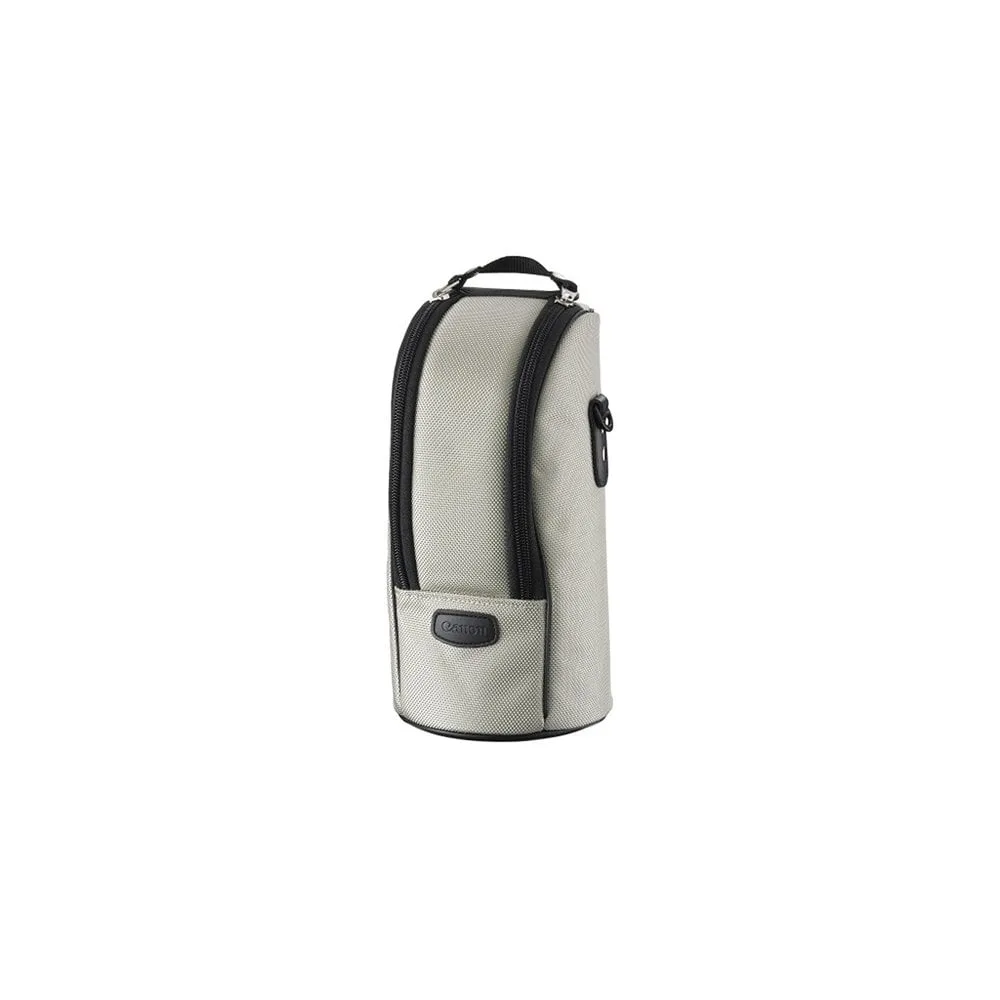
Store lenses with front and rear caps on, and keep filters in a case or pouch when not mounted. A dedicated lens case protects both the lens and its filter from dust and impact. The Canon LZ1326 Lens Case fits several popular telephoto and standard zoom lenses, so you can carry a protected lens without adding a bulky bag.
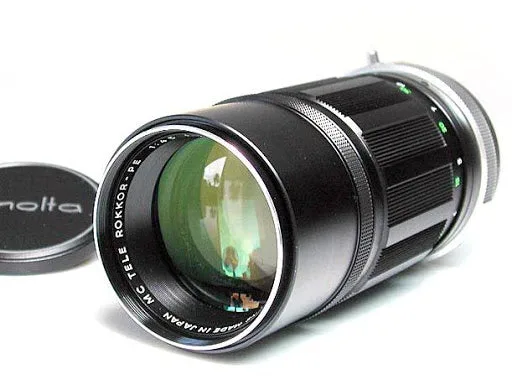
If you use older manual lenses, a case also keeps the smooth focus ring free of grit. The Minolta MC Tele Rokkor-PE 200mm f.4.5 Lens is a solidly built medium tele, and its smooth focus mechanism benefits from clean storage. A little prevention means fewer wet cleanings over the life of the lens.
Your safe lens cleaning steps
- Blow off loose particles: Use a rocket blower to remove dust and grit from the lens glass, filter, and lens hood. Hold the lens with the front element facing down so debris falls away. Checkpoint: if you still see particles, repeat before touching the glass.
- Brush away remaining dust: Use a soft lens brush with light strokes. For a CPL filter, brush the front and back surfaces and the edges where grit can hide. Mistake to avoid: pressing hard with the brush can drag grit across the coating.
- Wipe with a clean microfiber cloth: Use a dry microfiber cloth in a circular motion, starting from the center and working outward. For filters, remove them from the lens first. Checkpoint: if the cloth picks up grit, stop and use a fresh cloth.
- Apply lens fluid only if needed: Place one drop of lens cleaning fluid on the cloth, never on the glass. Wipe gently, then use a dry section of the cloth to remove any residue. Mistake to avoid: over-wetting can leave streaks or seep into the lens barrel.
- Clean the lens hood separately: Wipe the inside and outside of the hood with a damp microfiber cloth. Let it dry completely before attaching it to the lens. Checkpoint: a damp hood can transfer moisture and dust to the front element.
- Store everything properly: Replace caps and put lenses and filters in a case or pouch. Keep a dedicated microfiber cloth in your bag for quick touch-ups. Next step: schedule a quick blower puff after every outdoor shoot to reduce deep cleanings.
Product facts that support safe lens care
- Minolta MC Tele Rokkor-PE 200mm f.4.5 Lens - Used-Very Good: The Minolta MC Tele Rokkor-PE 200mm f.4.5 is a solidly built medium tele with very smooth focus and superb build quality, weighing approximately 540 g. Smooth manual focus rings can collect grit; keeping the lens capped and stored in a case reduces the need for frequent cleaning that could disturb the mechanism.
- Canon LZ1326 Lens Case: The Canon LZ1326 Lens Case is a soft, double-zippered case with an adjustable strap, designed for lenses such as the EF 70-200mm F2.8L USM, EF 180mm F3.5L Macro USM, EF 28-300mm F3.5-5.6L IS USM, EF 100-400mm F4.5-5.6L IS II USM, and EF 70-200mm F2.8L IS III USM, and also compatible with RF 24-105mm f/2.8 L IS USM and RF 70-200mm lenses. A dedicated case keeps dust and moisture off the lens and any mounted filter, cutting down how often you need to clean the front element.
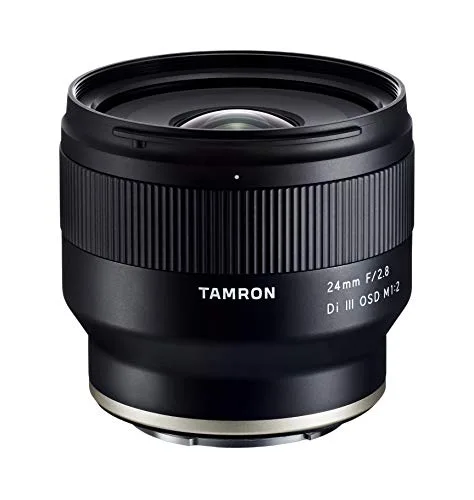
- Tamron 24mm f/2.8 Di III OSD M 1:2 Lens - Sony E: The Tamron 24mm f/2.8 Di III OSD M 1:2 Lens for Sony E has a water-resistant design and fluorine coating on the front element. A fluorine coating repels oil and water, so a blower and a dry microfiber cloth often remove smudges without any cleaning fluid.