Quick answer
Clean play therapy puppets and dolls with the gentlest method that actually removes germs: surface-wipe hard parts, spot-clean fabric with a barely damp cloth and mild soap, and reserve full washing for when a toy is visibly soiled or has been mouthed. Sanitize between sessions only the parts a child touched, then dry completely before storing. The goal is a toy that is hygienic, dry, and still soft enough for a child to use.
Why therapy toys need a different cleaning routine
Therapy toys get handled intensely and repeatedly, often by children who are coughing, crying, or chewing on a puppet's hand. That makes cleaning play therapy puppets a hygiene task, not just tidiness. But these same toys are emotional tools: a stiff, faded, or scratchy puppet stops inviting the child to open up. So the routine has to balance two things at once, killing germs and preserving the soft, friendly texture that makes the toy useful.
A second difference is frequency. A home toy might be washed monthly; a therapy puppet may be used by several children in one day. That is why the steps below separate routine between-session care from deeper cleaning, so you are not over-washing fabric and wearing it out.
Check the label and material before anything gets wet
Before you clean any puppet or doll, identify what it is made of. Fabric bodies, plush fur, plastic eyes, and glued-on accessories all respond differently to water and heat. If a care label exists, it is the final authority; if it does not, treat the toy as spot-clean only until you have tested a hidden area.
A common mistake is assuming every soft toy is machine washable. Plush with glued eyes, stiffened felt, or a cardboard insert can be ruined by a full wash. When the material is not stated, that absence is itself a decision limitation, so choose the gentler method.
Gather supplies that will not leave residue
You need very little: mild liquid soap, two soft cloths, a small soft-bristle brush, and clean towels. Avoid bleach, scented disinfectant sprays, and heavy detergents on anything a child will put near their face or mouth, because residue can irritate skin and leave a smell that changes how the toy feels to the child.
Keep a dedicated cleaning cloth for toys so you are not transferring kitchen or bathroom residue. If you use a disinfecting wipe on plastic parts, follow it with a plain damp cloth to remove leftover film.
Dry completely, then store so the toy keeps its shape
Damp fabric grows mildew, and mildew is the fastest way to end a puppet's working life. After any cleaning, blot with a towel and air-dry in a well-ventilated spot away from direct sun, which can fade dyed fabric. Do not seal a toy in a plastic bin until it is fully dry inside and out.
For puppet storage, keep toys upright or gently supported so heads and arms do not crease permanently. A breathable fabric bag or an open shelf works better than a closed plastic container for daily-use puppets.
Step-by-step cleaning and care routine
- 1. Sort toys by material and use: Separate plush puppets, dolls with hard parts, and plastic play food into groups before you start. Items that were mouthed or used by a sick child go into a separate 'deeper clean' pile. Checkpoint: if you cannot tell what a toy is made of, put it in the spot-clean pile.
- 2. Surface-wipe hard and plastic parts first: Wipe plastic eyes, hands, and play food with a damp cloth and a drop of mild soap, then wipe again with a plain damp cloth to remove residue. Common mistake: soaking plastic parts, which can let water seep into joints and glue.
- 3. Spot-clean fabric with a barely damp cloth: Work mild soap into the cloth, not directly onto the toy, and dab the soiled area. Use a soft brush only on sturdy plush, never on sparkly or glued trim. Checkpoint: the cloth should feel damp, not wet, so moisture does not wick into stuffing.
- 4. Wash only when the label or material allows it: If a full wash is safe, use cold water and mild soap, place the toy in a pillowcase, and choose a gentle cycle. Skip the dryer unless the label permits low heat. Common mistake: hot water and high heat, which shrink fabric and crack plastic eyes.
- 5. Sanitize the parts children actually touch: Between sessions, focus on hands, mouths, and interior hand pockets rather than re-washing the whole toy. A wipe-down of contact points is enough for routine sanitizing therapy toys. Checkpoint: if a child was ill, move that toy to the deeper-clean pile instead of a quick wipe.
- 6. Dry fully inside and out: Blot with a towel, reshape the puppet or doll, and air-dry away from direct sun. Turn glove puppets inside out where possible so the hand pocket dries too. Common mistake: storing a toy while the inside is still damp, which causes mildew.
- 7. Store upright and breathable: Keep puppets upright or gently supported so heads and arms keep their shape, and use breathable bags or open shelves rather than sealed plastic bins. Next step: label shelves by toy type so the next session's puppet is dry and ready.
Product facts that affect cleaning
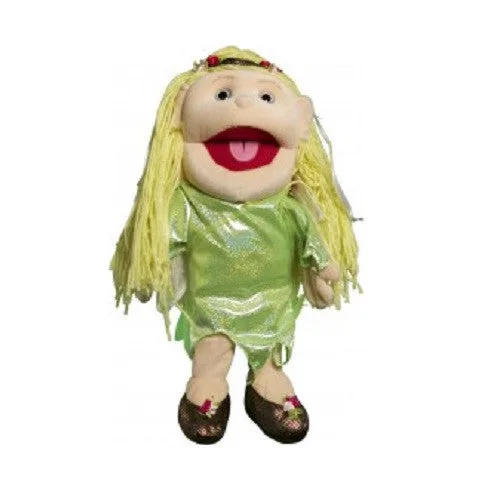
- Spring Fairy Puppet: The Spring Fairy Puppet is about 14 inches tall with a green sparkly dress and a crown of flowers. The sparkly dress and flower crown are decorative surface details, so spot-clean them gently rather than soaking the whole puppet, which can loosen trim.
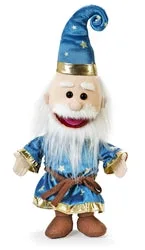
- Wizard Puppet: The Wizard Puppet is a 14-inch glove puppet, fully costumed including shoes, that fits adult-size hands; your hand enters from the bottom into the head to work the mouth, and two fingers can move the arms. Because hands go inside the head and arms, the interior is the part most exposed to germs, so turn the puppet inside out where possible and let the inside dry fully before storage.
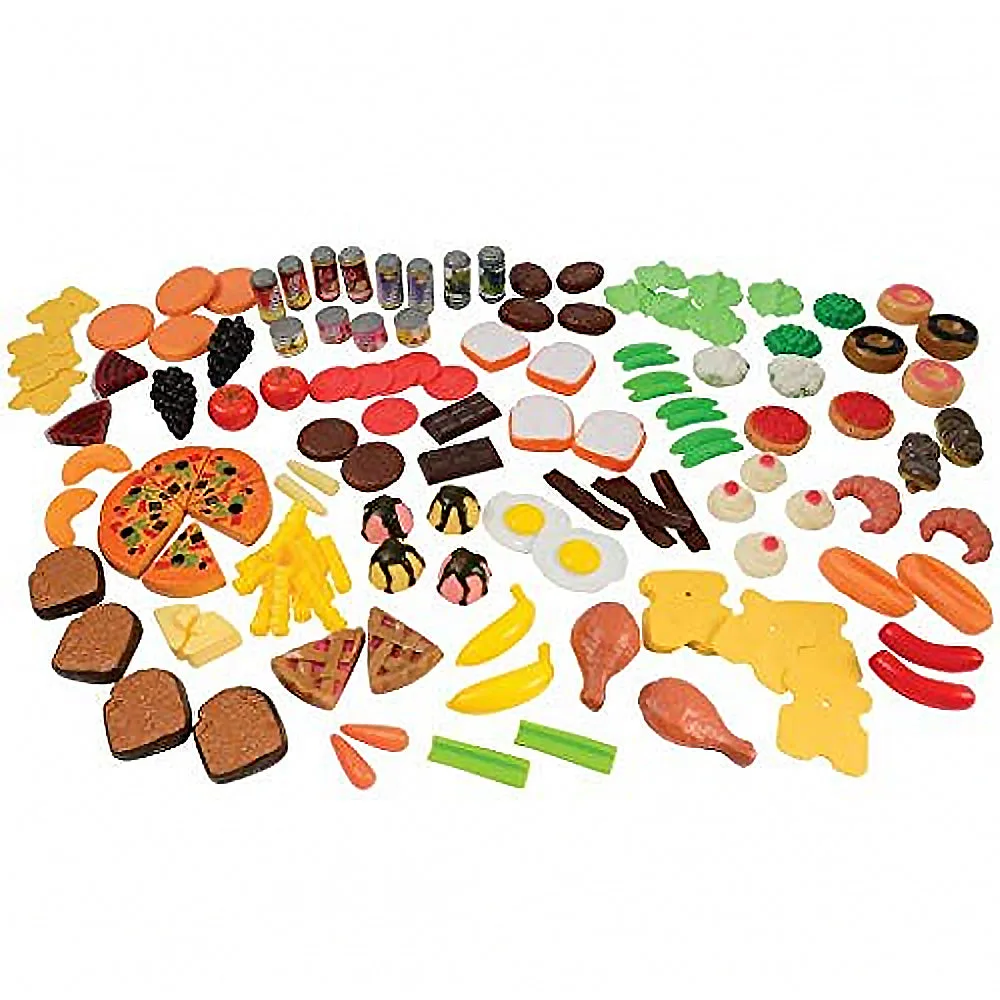
- Deluxe Food Set (130 pieces): The Deluxe Food Set has 130 realistic-looking play food pieces made from safe, durable materials. Many small pieces mean many surfaces to wipe; a quick wipe-down of the whole set after a session is faster and more thorough than washing piece by piece.