Quick answer
Clean Travelpro softside luggage with a soft brush or vacuum for loose dirt, then spot-clean the fabric using mild soap and lukewarm water on a microfiber cloth. Avoid soaking the bag, harsh chemicals, or machine washing. Wipe zippers and wheels separately, and let everything air-dry completely before storing. A quick clean after every few trips keeps fabric, zippers, and wheels working smoothly.
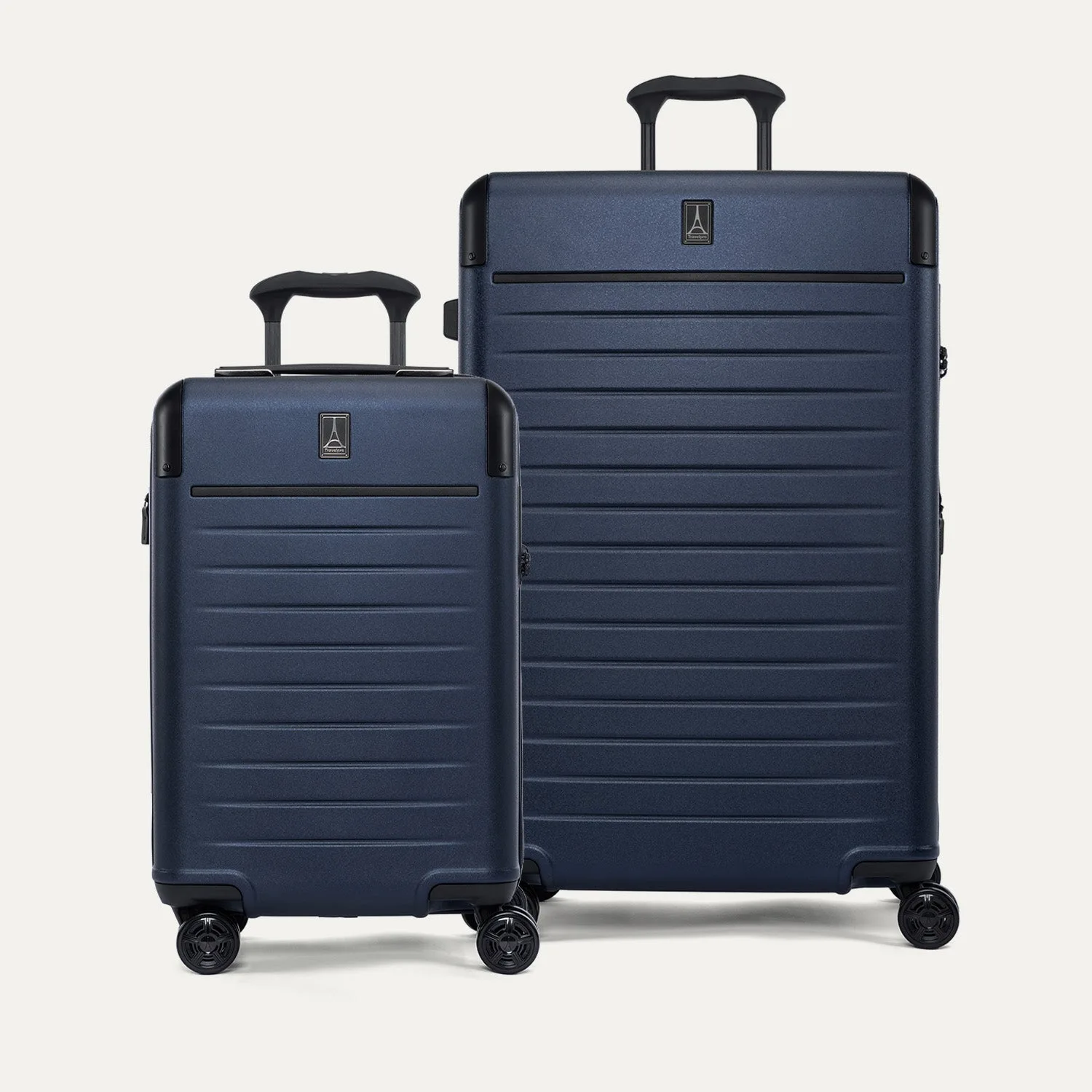
Softside luggage takes more abuse than most gear you own. It gets dragged through slush, tossed into overhead bins, and crammed into trunks. Travelpro softside bags are built to handle it, but fabric, zippers, and wheels still collect dirt that can shorten their life if you ignore it.
This guide walks through a simple cleaning and care routine you can do at home with items you already have. No special kits, no soaking, no guesswork. Follow the steps in order, and your bag will stay presentable and functional trip after trip.
Gather the right supplies (and skip the wrong ones)
You do not need a cabinet full of products. A soft-bristle brush, a vacuum with a brush attachment, a microfiber cloth, mild dish soap or a gentle fabric cleaner, and lukewarm water cover almost every situation. For stubborn spots, a magic eraser can help on hard parts, but keep it away from printed logos and mesh.
Skip bleach, ammonia, abrasive scrubbing pads, and any cleaner with solvents. These can fade fabric, break down coatings, and damage zipper tape. Also avoid the washing machine and dryer. The agitation and heat can warp frames, shrink fabric, and ruin wheels. If a stain needs more than mild soap, test a small hidden area first.
- Use a white cloth so dye transfer is visible immediately.
- Never pour water directly onto the bag; always apply to the cloth.
Step 1: Empty and dry the bag completely
Before you clean anything, open every compartment, remove all packing cubes, and shake out loose debris. Check pockets for receipts, wrappers, and especially liquids that may have leaked. If the interior is damp, leave the bag open in a dry, shaded spot until it is fully dry inside and out.
Cleaning a damp bag traps moisture in the lining and padding, which can lead to mildew. Once dry, unzip all compartments and lay the bag flat. This gives you full access to seams and corners where crumbs and dust collect.
- Common mistake: cleaning a bag that is still damp inside.
- Checkpoint: run your hand along the interior lining to feel for moisture before proceeding.
Step 2: Remove loose dirt and dust
Use a vacuum with a brush attachment on low suction to go over the entire exterior and interior. Pay attention to seams, the bottom panel, and the area around wheels and handle mounts. If you do not have a vacuum, a soft-bristle brush works well; brush downward to avoid pushing dirt into the weave.
For sand or grit, a quick pass with a dry brush is often enough. Do not wet the fabric yet. Water plus loose dirt creates muddy streaks that are harder to remove. Once the surface is free of loose particles, you are ready to spot-clean.
- Common mistake: skipping this step and going straight to a wet cloth.
- Checkpoint: the bag should look dull but free of visible dust and crumbs.
Step 3: Spot-clean the fabric with mild soap
Mix a few drops of mild dish soap in a bowl of lukewarm water. Dip a microfiber cloth, wring it out until it is barely damp, and wipe the fabric in gentle circles. Work from the top down so dirty water does not run over clean areas. For stains, let the damp cloth sit on the spot for a minute before wiping.
Do not scrub hard. Travelpro softside fabrics are durable, but aggressive rubbing can pill the surface or push the stain deeper. If the stain persists, repeat with a fresh damp cloth. Rinse the cloth often in clean water to avoid spreading dirt.
- Common mistake: using too much water or soap, which leaves residue.
- Checkpoint: after cleaning, the cloth should pick up dirt, not soap suds.
Step 4: Clean zippers, wheels, and handles
Zippers collect lint and grit that cause sticking. Use a dry toothbrush or the brush attachment to sweep along the teeth, then wipe with a barely damp cloth. If a zipper feels rough, a zipper lubricant or a touch of paraffin wax can help, but do not use oil, which attracts dirt.
Wheels need separate attention. Wipe them with a damp cloth and remove hair or string wrapped around the axle. For spinner wheels, spin them gently to check for wobble. Handles and telescoping tubes should be wiped clean and left extended to dry. Do not submerge any part of the bag.
- Common mistake: ignoring wheels until they squeak or seize.
- Checkpoint: zippers should glide and wheels should spin freely after cleaning.
Step 5: Air-dry and store properly
After cleaning, leave all compartments open and let the bag air-dry in a shaded, well-ventilated area. Direct sunlight can fade fabric, and heat can warp plastic components. Do not use a hair dryer or put the bag near a radiator. Depending on humidity, drying can take several hours or overnight.
Once completely dry, store the bag in a cool, dry place. If you stack luggage, put heavier bags on the bottom. Avoid storing in damp basements or hot attics. For long-term storage, stuff the bag lightly with clean towels to hold its shape, and leave zippers slightly open to allow airflow.
- Common mistake: storing a bag before it is fully dry.
- Checkpoint: no musty smell and no damp spots when you close it up.
Softside luggage care steps at a glance
- Empty and dry: Remove everything and let the bag air out completely before cleaning. Damp fabric traps moisture and can cause mildew.
- Remove loose dirt: Vacuum or brush the exterior and interior, focusing on seams and corners. Skipping this makes wet cleaning messier and less effective.
- Spot-clean fabric: Use mild soap and a barely damp microfiber cloth; work in gentle circles. Too much water leaves residue and can damage coatings.
- Clean zippers and wheels: Brush zipper teeth and wipe wheels; remove hair from axles. Neglecting these parts leads to sticking and squeaking.
- Air-dry and store: Leave compartments open in a shaded, ventilated area until fully dry. Never store a damp bag or use direct heat to speed drying.
Travelpro softside details that affect care
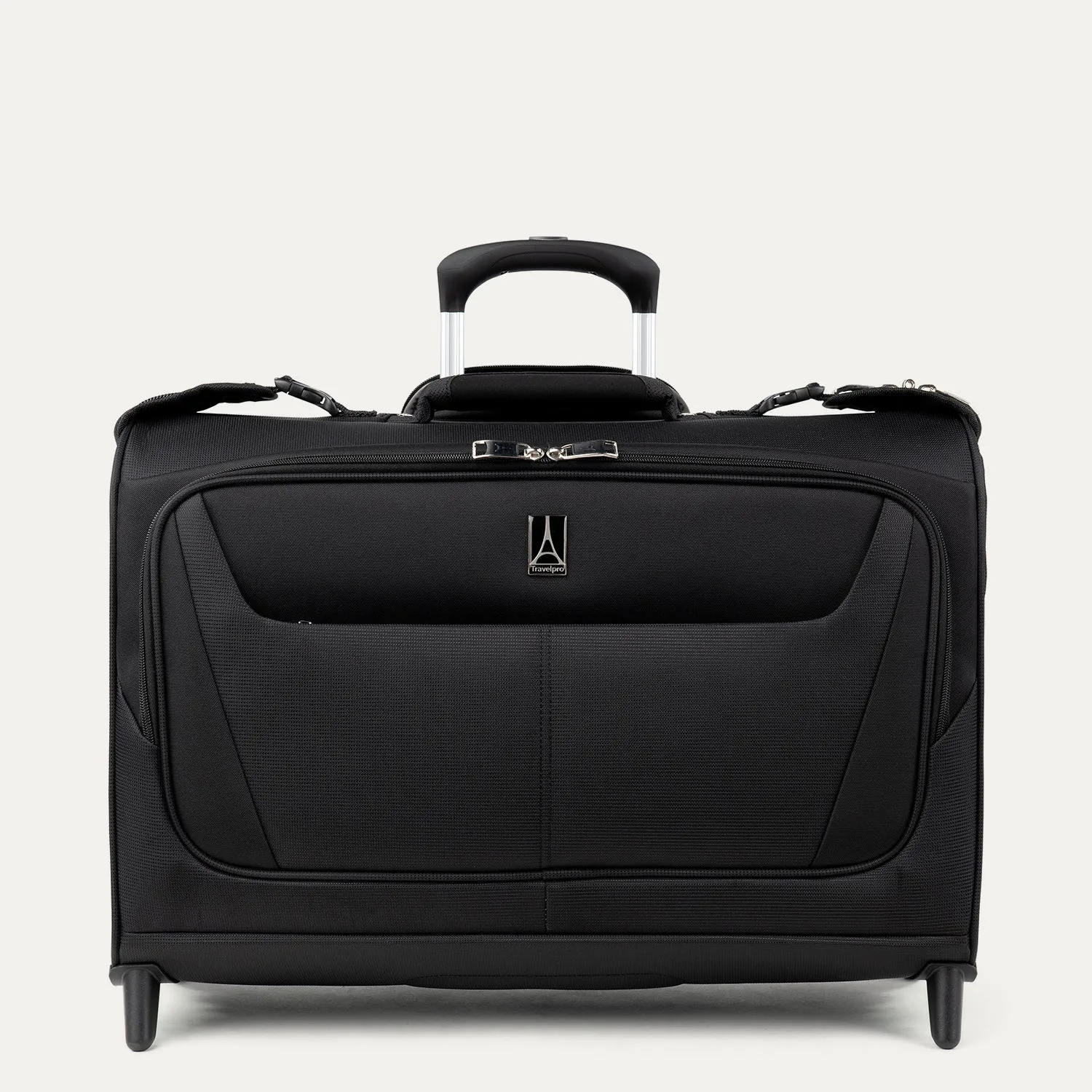
- Maxlite® 5 Rolling Carry-On Garment Bag: Polyester fabric with DuraGuard® coating. The coating helps resist stains and moisture, so you can often wipe away spills with a damp cloth instead of deep cleaning.
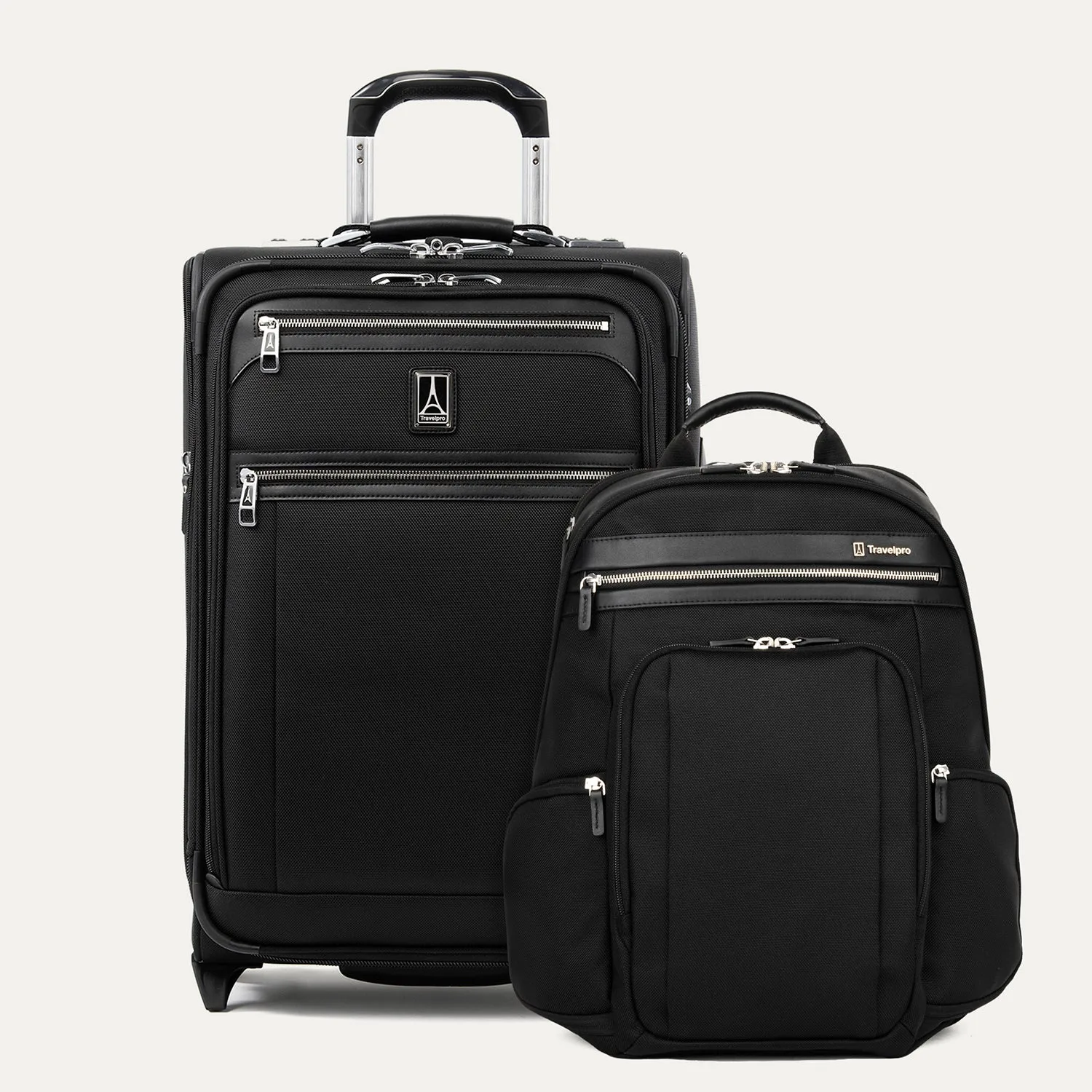
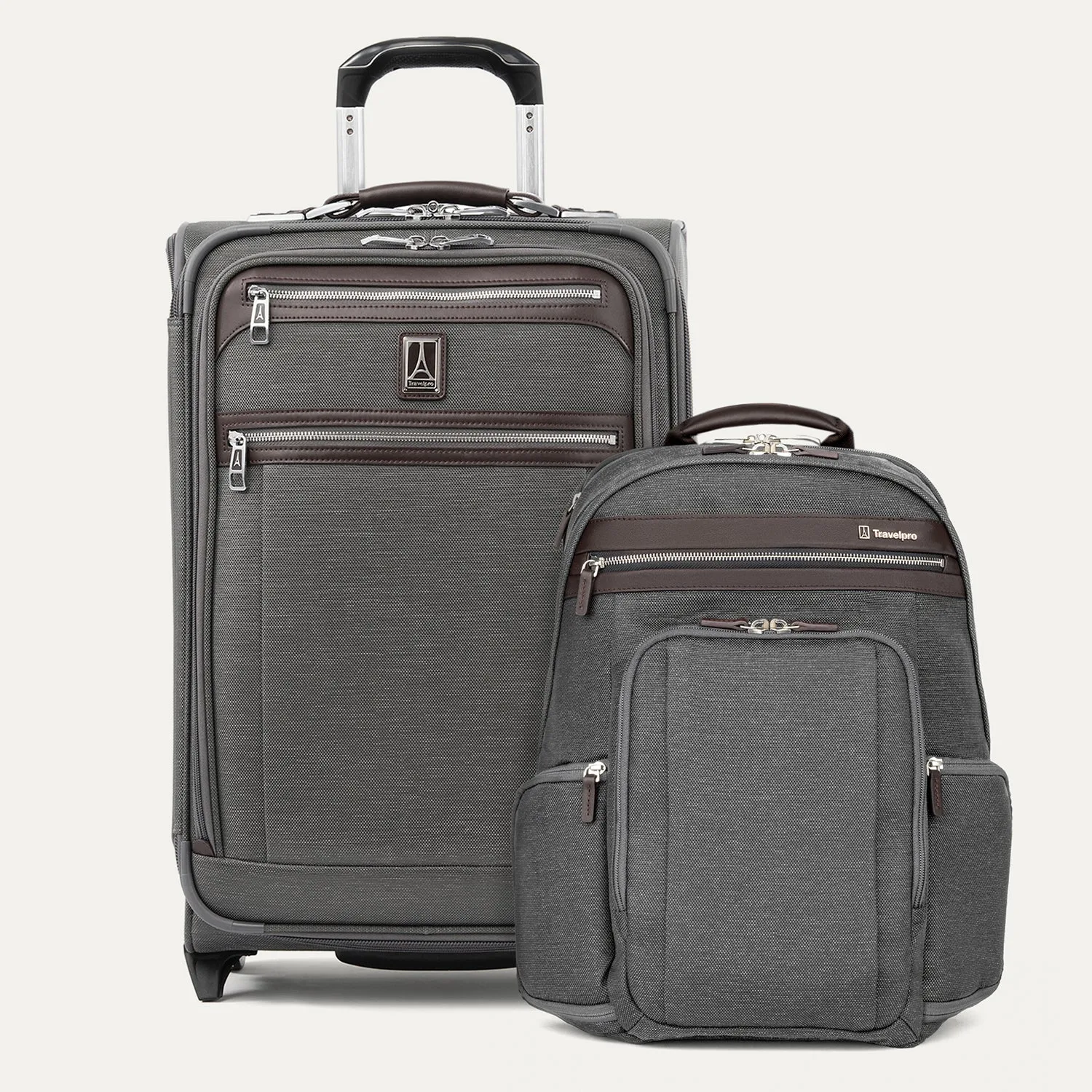
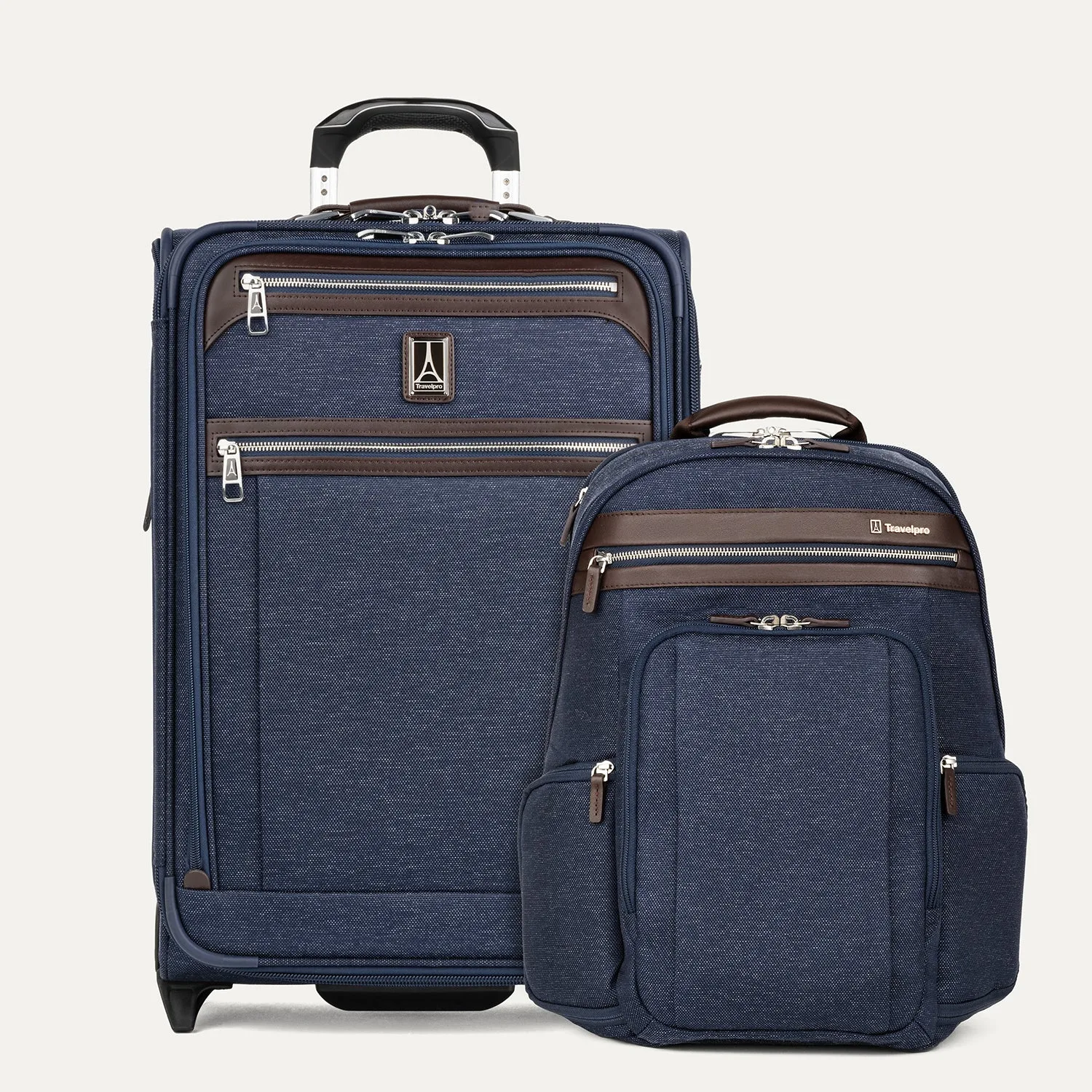
- https://travelproes.com/products/platinum-elite-carry-on-rollaboard-business-backpack-se-b2cb2714a1797d2b36b90e9a-1634851https://travelproes.com/products/platinum-elite-carry-on-rollaboard-business-backpack-se-634bcfa5f5e91ad017365903-1634855Platinum® Elite Carry-On Rollaboard/ Business Backpack Set: High-density, stain- and water-resistant fabric with genuine leather accents. The fabric is easier to spot-clean, but leather accents need gentle wiping and should never be soaked or scrubbed.
A consistent 15-minute cleaning routine after every few trips will keep your Travelpro softside luggage looking good and working smoothly. The steps are simple, the supplies are basic, and the payoff is a bag that lasts through years of travel.