Quick answer
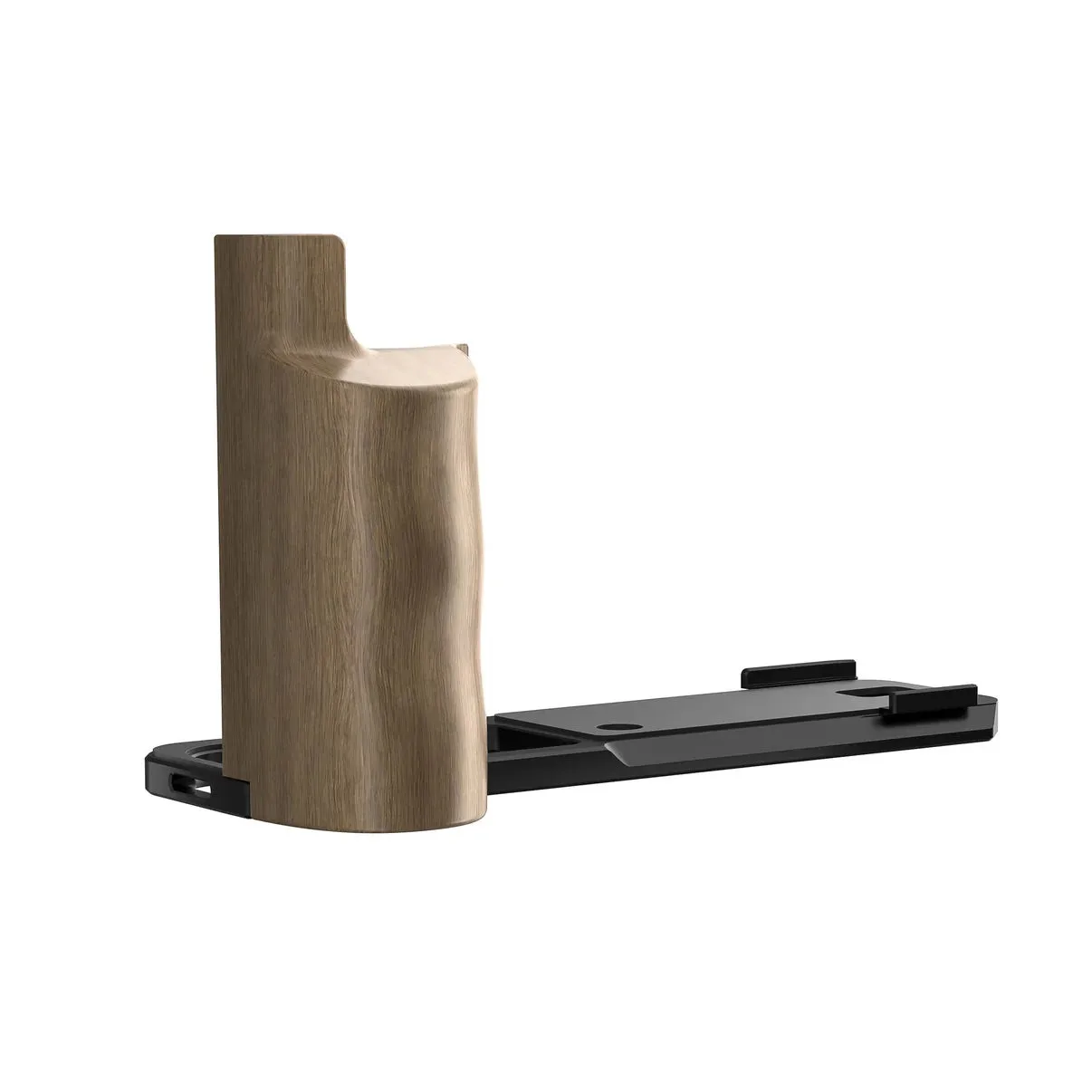
Clean your wooden camera grip with a soft, slightly damp cloth and mild soap, then dry it immediately. Avoid soaking the wood, harsh chemicals, and prolonged direct sunlight. Apply a thin coat of furniture wax or mineral oil every few months to protect the finish, especially on a Freewell X100VI L-bracket that sees regular outdoor use.
Why wood needs different care than metal or rubber
Wood is porous and reacts to moisture, heat, and dryness. A wooden camera grip like the Freewell X100VI L-bracket has a sealed finish, but that finish can wear down with handling. Unlike metal or rubber, wood can swell, crack, or fade if it stays wet or sits in direct sun for hours. The goal is to keep the wood stable, not sterile.
Everyday habits that prevent most problems
Wipe the grip with a dry microfibre cloth after each outing to remove skin oils and grit. If your hands are sweaty or sunscreen-covered, clean the grip sooner rather than later. Store the camera in a bag or case when not in use, and keep it away from car dashboards or windowsills where heat builds up. These small habits reduce how often you need deeper cleaning.
When to skip water and use a dry method
If the grip only has light dust or fingerprints, a dry microfibre cloth is enough. Water can raise the grain or dull the finish over time, so use it sparingly. For sticky residue, a cloth barely dampened with water is safer than a wet wipe. Never pour or spray liquid directly onto the grip.
What to do if the grip gets soaked
If the grip gets caught in rain or dropped in a puddle, dry it with a soft towel immediately. Do not use a hair dryer or heater, because fast heat can warp or crack the wood. Let it air-dry at room temperature away from direct sun. Once fully dry, apply a thin coat of wax or oil to restore protection.
Step-by-step wooden grip cleaning routine
- Remove the grip from the camera if possible: Detach the L-bracket or grip so you can reach all surfaces. If it stays on the camera, work carefully around buttons and dials. Checkpoint: never force a stuck grip; consult the maker if it will not release.
- Dust with a dry microfibre cloth: Wipe the wood and metal parts with a clean, dry microfibre cloth. This removes loose grit before any moisture touches the surface. Common mistake: using a paper towel, which can leave lint and scratch the finish.
- Wipe with a barely damp cloth and mild soap: Dampen a cloth with water and a drop of mild dish soap. Wring it out so it is almost dry, then wipe the wood gently. Do not let water sit on the surface. Checkpoint: if the cloth drips, it is too wet.
- Dry immediately with a soft towel: Use a dry microfibre or cotton towel to remove all moisture. Pay attention to seams and the area around the quick-release plate. Common mistake: letting the grip air-dry while still damp, which can raise the grain.
- Apply a thin coat of wax or mineral oil every few months: Use a furniture wax or mineral oil made for wood. Apply a small amount with a cloth, let it sit for a few minutes, then buff off the excess. Checkpoint: test on a small hidden area first to ensure the finish does not darken unevenly.
- Store the camera in a dry, shaded place: Keep the camera and grip in a bag or case when not in use. Avoid hot cars, direct sun, and damp basements. Next step: set a reminder to repeat the wax or oil treatment every three to six months, or sooner if the wood looks dry.
Product facts
- Freewell - Fuji X100VI L-Bracket Wooden Grip: Freewell Premium Wooden L-Bracket Grip for Fuji X100VI features ergonomic design, quick-release plate, and durable wood construction. The wood construction is what needs gentle cleaning; the quick-release plate and ergonomic shape should not be disassembled for routine care.
- Freewell - Fuji X100VI L-Bracket Wooden Grip: Quick Release Plate: Compatible with Arca standard, allowing for quick and easy attachment/detachment from tripods. You can remove the grip from the tripod without tools, making it easier to clean around the plate area.