Quick answer
Wipe the collar with a barely damp cloth and mild saddle soap, let it air-dry completely, then work a thin layer of leather conditioner into the grain with your fingers. Buff off the excess and let it rest for an hour before wearing. Repeat every two to three weeks, or sooner if the collar sits against sweaty skin often.
Why a neck collar needs a different routine
A collar spends hours against warm, perspiring skin, so it collects salt, body oils, and dead skin cells far faster than a flogger or paddle that only comes out for short sessions. That mix dries the leather from the inside and dulls the finish. If you also wear the collar under clothing or during heavy play, friction speeds up the wear. The goal is to remove the residue without stripping the tannery finish, then replace the oils the leather has lost. Skipping either half leaves you with a collar that either cracks or feels greasy.
What you need (and what to avoid)
Use a soft microfiber cloth, a second cloth for drying, a mild glycerin saddle soap or a pH-balanced leather cleaner, and a conditioner made for chrome-tanned or vegetable-tanned cowhide. Avoid alcohol, acetone, household all-purpose sprays, and silicone-based polishes. They can dry the grain or leave a slippery film that weakens the bond between the leather and its hardware. If the collar has bonded or padded sections, check the maker's note before using any liquid near the seams.
How often to clean and condition
For a collar worn a few times a month, a full clean and condition every three to four weeks is enough. If you wear it weekly or sweat heavily in it, shorten that to every two weeks. A quick dry wipe after each wear takes ten seconds and stretches the interval between deep cleans. In dry winter air or air-conditioned rooms, condition more often; in humid climates, clean more often but use less conditioner to avoid mildew.
Drying and storage between wears
Never dry a leather collar on a radiator, in direct sun, or with a hair dryer. Heat pulls moisture out too fast and stiffens the fibers. Let it air-dry at room temperature, away from vents, for at least two hours before storing. Hang it by the buckle on a padded hanger or lay it flat in a breathable cotton bag. Avoid sealed plastic bins, which trap residual moisture and encourage mold, especially if the collar has metal rivets or a lockable buckle.
Step-by-step collar cleaning and conditioning
- 1. Brush off loose debris: Use a soft horsehair brush or dry microfiber cloth to remove dust, hair, and dried sweat from the grain and around the buckle holes. Common mistake: skipping this and rubbing grit into the leather during washing, which scratches the surface. Checkpoint: the collar should look matte and feel dry before you add any moisture.
- 2. Wipe with mild soap and a barely damp cloth: Lather a few drops of glycerin saddle soap in a bowl of water, wring the cloth until it is almost dry, and wipe the collar in small circles. Do not dunk the collar or let water pool near the hardware. Common mistake: using too much water, which darkens the leather and can rust rivets. Checkpoint: the cloth should pick up grime but leave no visible wet sheen.
- 3. Wipe again with a clean damp cloth: Rinse the first cloth, wring it out well, and go over the collar once more to lift soap residue. Soap left in the grain attracts dirt and can leave a sticky feel. Common mistake: skipping the rinse because the collar already looks clean. Checkpoint: no slippery or soapy feel when you run a finger along the inside.
- 4. Air-dry completely: Lay the collar flat on a dry towel in a shaded, ventilated spot for at least two hours. Turn it once so both sides dry evenly. Common mistake: using heat or sunlight to speed drying, which hardens the leather and causes cracks at the fold points. Checkpoint: the collar is fully dry when it feels room-temperature and no longer cool or damp to the touch.
- 5. Apply conditioner sparingly: Put a pea-sized amount of leather conditioner on your fingertips and massage it into the grain with circular motions, focusing on the areas that flex most. Let it absorb for 15 minutes, then buff off any excess with a dry cloth. Common mistake: over-conditioning, which leaves a greasy film that transfers to skin and clothing. Checkpoint: the collar should feel supple but not slick; if it is slick, buff again.
- 6. Rest, then wear or store: Let the conditioned collar sit for at least an hour before wearing so the oils settle into the fibers. Store it flat or hanging in a breathable bag. Common mistake: putting it straight into a sealed container while still warm from your hands, which traps moisture. Checkpoint: after resting, the leather should flex without a dry crackle and show a soft, even sheen.
Product facts that affect collar care
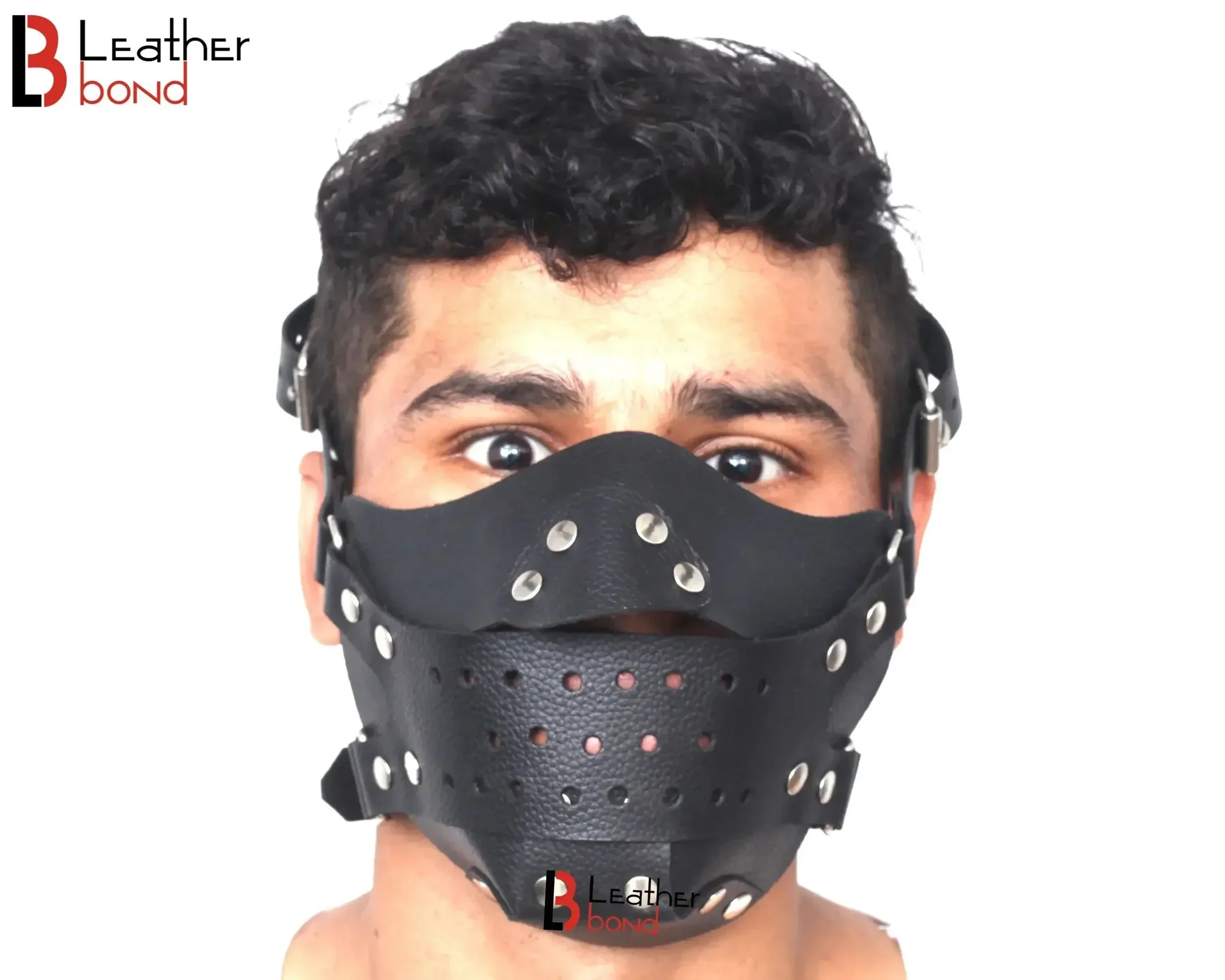
- Genuine Cowhide Leather Steampunk Sensory Deprivation Hood Halloween Mask & Reenactment Costume Gear: The Leather Bond Steampunk Sensory Deprivation Hood is made from full cowhide leather and is handcrafted for BDSM enthusiasts, reenactment performers, and costume collectors. Full-grain cowhide hoods and collars share the same care needs; the same mild soap and conditioner routine works on both, but a hood's enclosed design means you should dry it more thoroughly before storage.
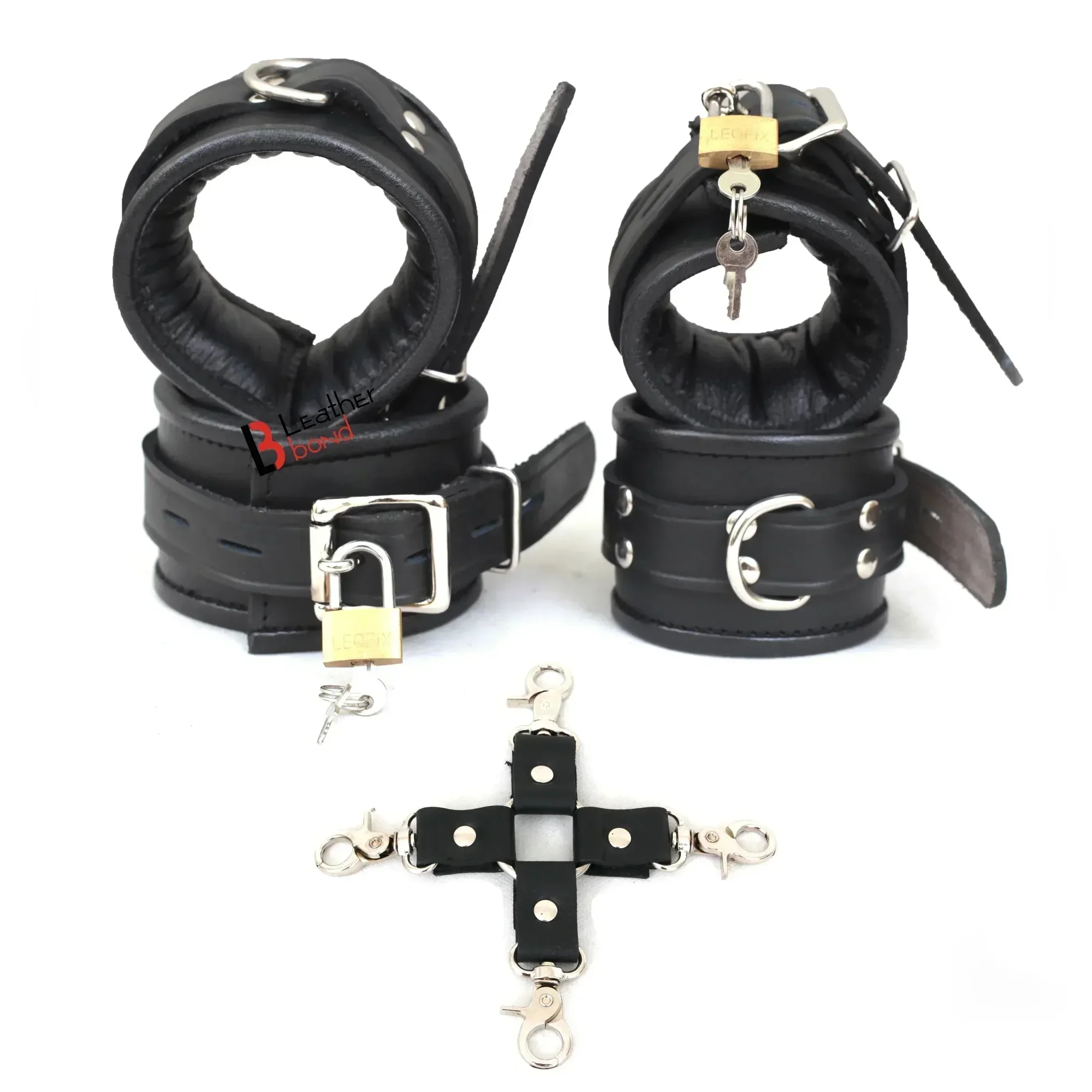
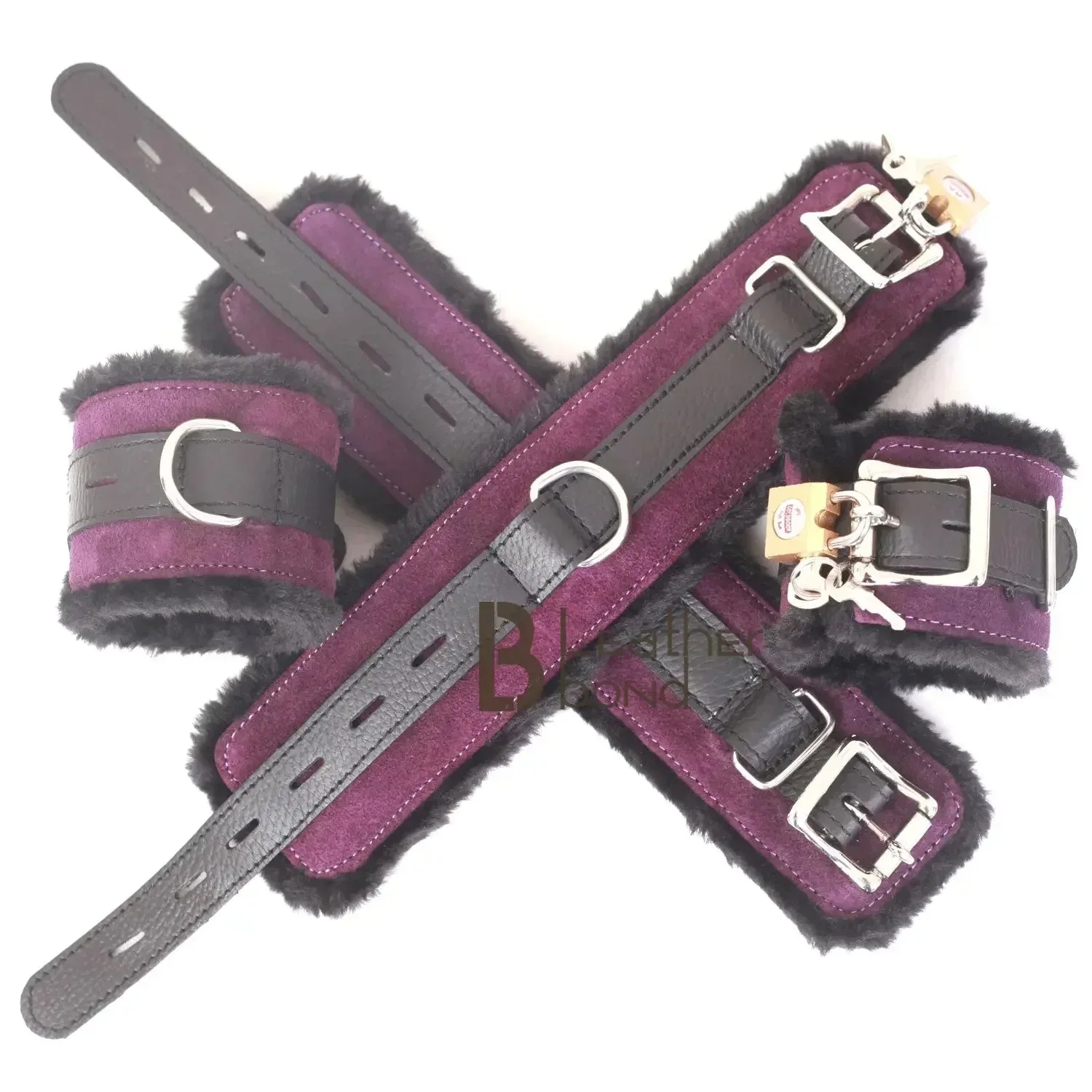
- Real Leather 4-Piece Padded Wrist & Ankle Cuffs Lockable Restraint Bondage Set | Full Black: The Leather Bond 4-Piece Padded Wrist & Ankle Cuffs Set is handcrafted from 100% genuine cowhide leather and designed as a coordinated lockable cuff set. Padded cuffs and a leather neck collar both sit against skin, so the same cleaning frequency and conditioning steps apply; the padding means you should use less water and never soak the leather.