Quick answer
Wash food and water bowls daily with hot water and a pet-safe soap, disinfect hard toys weekly by soaking and scrubbing, and deep clean crates monthly or after any accident. The order matters: scrape or rinse off loose debris first, wash with soap, disinfect with a pet-safe product, then rinse thoroughly and dry completely before your pet goes back in.
Most pet owners clean the visible mess and stop there. That leaves biofilm on bowls, saliva and grime in toy crevices, and urine residue in crate corners, which is exactly where odors and bacteria rebuild between cleanings.
This guide walks through the full routine in order, from daily bowl washing to monthly crate deep cleans, with the checkpoints that separate a quick rinse from a real clean. It also covers how to match cleaning products to the material you are cleaning, since the wrong product can ruin a toy or leave residue your pet licks off.
Start with the right supplies and a clean workspace
Before you touch a single bowl, gather what you need: a dedicated pet-only sponge or brush, hot water, a pet-safe dish soap, a pet-safe disinfectant, and clean towels. Keep these separate from kitchen sponges used on human dishes, because bowls carry saliva and food residue you do not want cross-contaminating your sink area.
Work in a sink, utility tub, or outdoor space with room to rinse. If you are cleaning a crate, move it to a hard floor or driveway so debris and water do not soak into carpet. Set out a drying area with airflow, since damp bowls and toys grow odor fast.
- Checkpoint: if your disinfectant label does not list a contact time, look it up before you start. Rinsing too early means you cleaned but did not disinfect.
Step 1: Clean pet bowls daily, not weekly
Empty leftover food and water, then wash bowls with hot water and pet-safe soap, scrubbing the inside rim and the base where saliva collects. Rinse until no soap film remains, and dry fully before refilling. Water bowls need this daily; food bowls should be washed after every meal or at least once a day for dry food.
For a deeper clean, soak bowls in hot soapy water for a few minutes to loosen dried kibble or canned food residue, then scrub and rinse. Stainless steel and ceramic bowls handle hot water well. Plastic bowls scratch over time, and those scratches hold bacteria and odor even after washing, so replace plastic bowls when the surface feels rough.
- Common mistake: topping off a water bowl instead of washing it. That leaves a slimy film on the bowl wall that you can feel with your finger.
Step 2: Disinfect dog toys by material, not by guesswork
Sort toys into hard (rubber, nylon, hard plastic) and soft (plush, rope, fabric). Hard toys can be washed in hot soapy water, scrubbed with a brush, then disinfected and rinsed thoroughly. Soft toys that do not contain squeakers or electronics can usually go through a washing machine on a gentle cycle, but check seams first and air-dry rather than machine-dry to avoid shrinking or melting.
Rope toys and plush toys with squeakers are the hardest to disinfect because water and cleaner stay trapped inside. If a toy stays damp or smells musty after cleaning, it is done. Replace it rather than letting your dog chew on a mildew source.
- Checkpoint: squeeze hard toys after rinsing. If water runs out cloudy, keep rinsing.
Step 3: Clean a dog crate from the inside out
Remove bedding, toys, and the tray first, then vacuum or sweep out hair, kibble crumbs, and dirt. Wipe down the bars, frame, and tray with hot soapy water, paying attention to corners, latches, and the seam where the tray meets the frame. These are the spots where urine and drool collect and where odor restarts.
After washing, apply a pet-safe disinfectant according to its label contact time, then wipe or rinse away residue and dry the crate completely before adding bedding back. If your dog had an accident, treat the area with an enzymatic cleaner designed for pet waste, because standard soap alone does not break down the proteins in urine that keep triggering the smell.
- Common mistake: putting bedding back while the tray is still damp. Damp bedding traps odor and can grow mildew within a day.
Step 4: Handle bedding, collars, and leashes in the same session
Bedding, fabric crate mats, collars, and leashes collect the same oils and dirt as toys. Wash fabric items according to their care tags, use a pet-safe detergent, and skip heavy fabric softener, which can leave a residue that irritates skin. Air-dry when possible.
Nylon collars and leashes can be hand-washed in warm soapy water and scrubbed with a soft brush, then rinsed and hung to dry. Leather needs a different approach: wipe with a damp cloth and use a leather conditioner rather than soaking it, because water damages leather over time.
- Checkpoint: inspect hardware and stitching while items dry. Cleaning day is the easiest time to notice a frayed leash or a cracked buckle.
Step 5: Build a schedule so it actually happens
Daily: wash bowls and refresh water. Weekly: wash soft toys, bedding, and fabric items, and wipe down hard toys. Monthly: deep clean the crate, litter area, and food storage bins. After illness, accidents, or a new pet introduction, clean and disinfect everything on the same day rather than waiting for the next scheduled cycle.
Write the schedule where you will see it, or tie it to an existing habit like laundry day. The routine matters more than the products, because consistency is what keeps biofilm and odor from rebuilding between deep cleans.
- Common mistake: cleaning everything at once and burning out. Split the work across the week instead.
Choosing pet-safe cleaning products
Look for cleaners labeled for pet areas and follow the dilution and contact time on the label. Many concentrated shampoos and cleaners are diluted before use, so mixing them stronger than directed wastes product and can leave irritating residue. Always rinse surfaces your pet eats or licks from.
Avoid phenolic disinfectants, bleach solutions left to air-dry on surfaces your pet contacts, and any cleaner with a strong lingering fragrance around birds, reptiles, or small animals, which have sensitive respiratory systems. When in doubt, clean with soap and hot water, then use a product specifically labeled pet-safe for disinfection.
- If a product label does not state it is safe for pet areas, do not use it on bowls, toys, or crate surfaces.
The cleaning routine at a glance
- 1. Clear and scrape: Remove food, water, bedding, and toys. Scrape or rinse off loose debris before washing so you are not spreading grime around. Checkpoint: if you skip this, your wash water turns into a dirty slurry.
- 2. Wash with hot water and pet-safe soap: Scrub bowls, hard toys, and crate surfaces, including rims, corners, and the tray seam where residue hides. Checkpoint: run a finger along the bowl rim. It should feel squeaky, not slick.
- 3. Disinfect and respect contact time: Apply a pet-safe disinfectant and leave it wet for the full contact time on the label before wiping or rinsing. Common mistake: wiping immediately, which cleans but does not disinfect.
- 4. Rinse thoroughly: Rinse every surface your pet eats or licks from until no soap or cleaner film remains. Checkpoint: squeeze hard toys and rinse again if the water runs cloudy.
- 5. Dry completely: Air-dry bowls, toys, and crate trays with airflow before refilling or reassembling. Damp surfaces are where odor and mildew restart.
- 6. Repeat on schedule: Daily bowls, weekly soft items and hard toys, monthly crate and storage deep clean, plus same-day cleaning after accidents or illness. Consistency beats intensity. A short weekly session prevents the monthly scrub from becoming a project.
Products that fit this routine
- TropiClean Raspberry & Lime 3-in-1 Deodorizing Pet Shampoo 20 oz: Made with naturally derived ingredients that clean, deodorize, and condition the coat, and features EnduraScent Technology for a fresh scent that lasts 3 times longer than the leading brand. Useful on grooming day when bedding, collars, and toys are already in the wash and your pet needs a bath anyway.
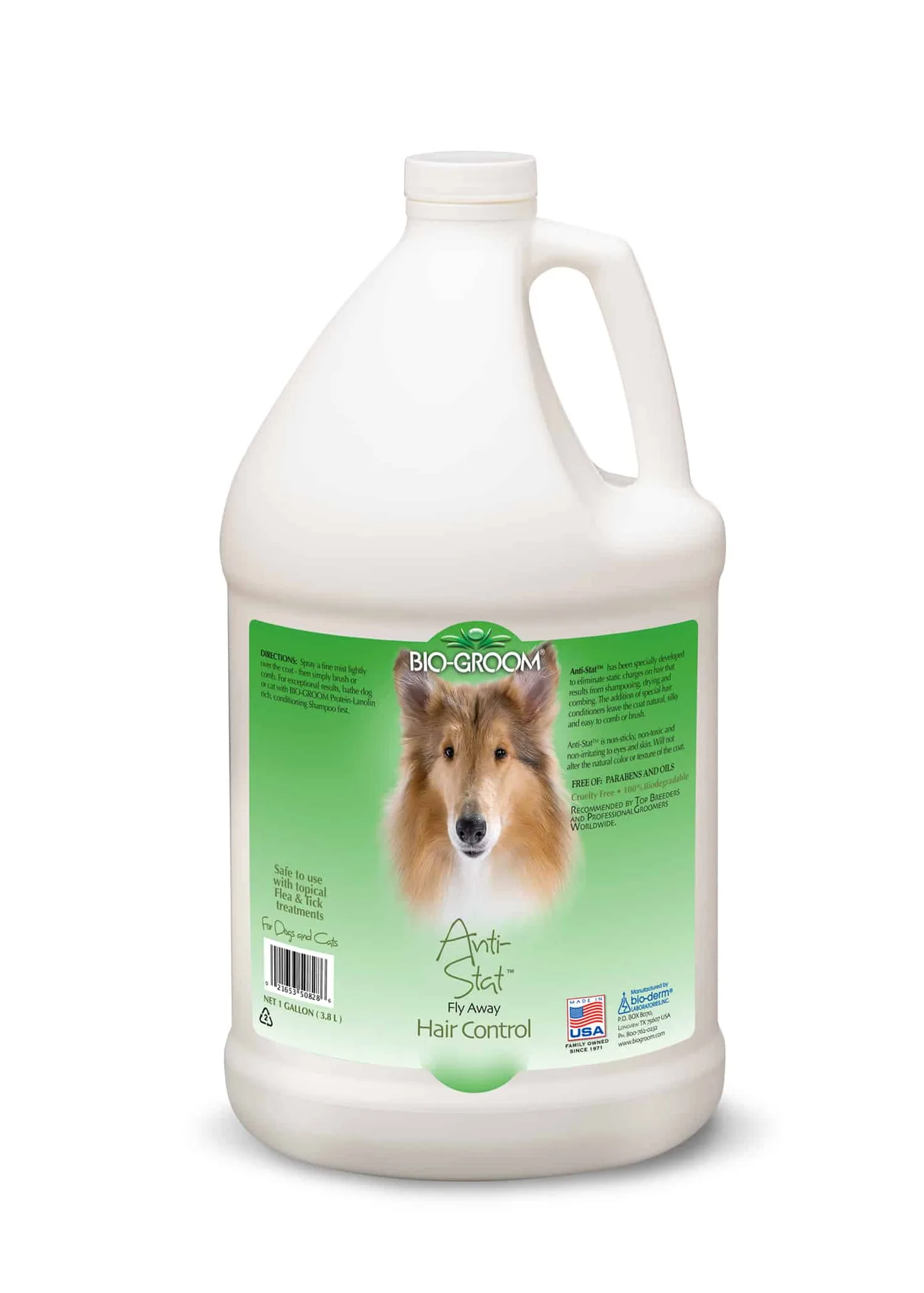
- BIO-GROOM Anti-Stat Spray Gallon: A professional grooming formula that helps control flyaway hair, reduce static electricity, and leave coats smooth and easier to brush and comb. Handy after a bath or between washes when static and tangles make brushing a fight.
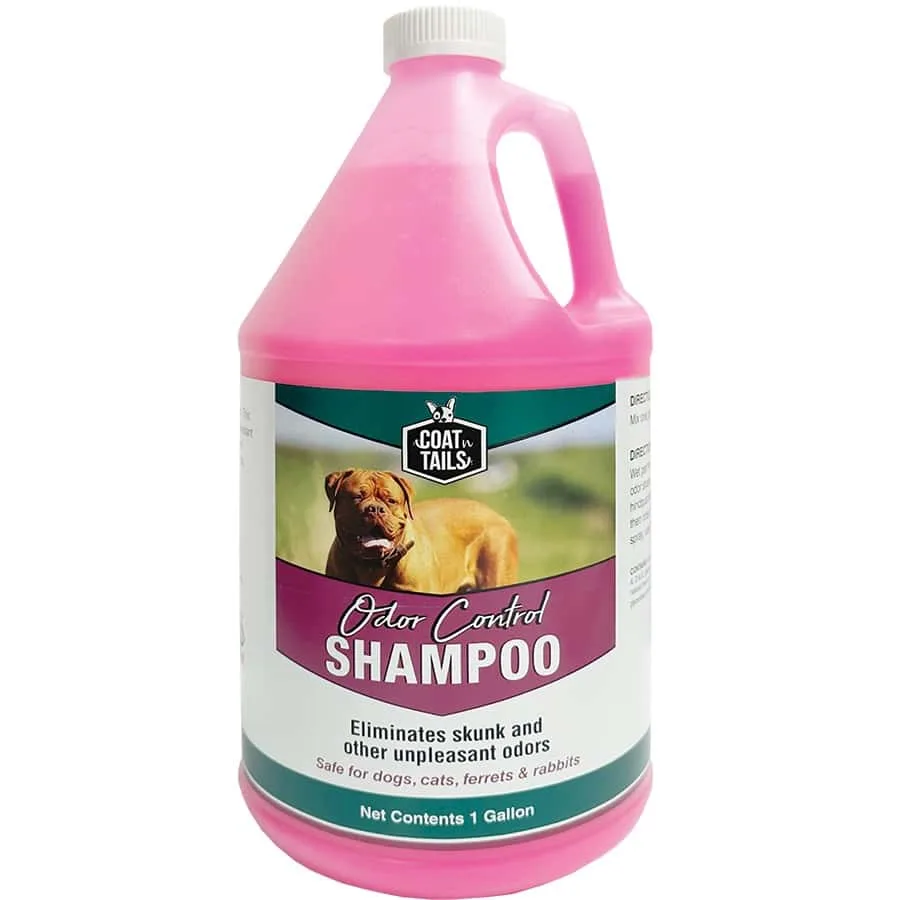
- UPCO Coat N’ Tails Odor Control Shampoo Gal: Non-detergent based shampoo with excellent cleaning power; natural oil fragrances remove doggy odors and skunk odors, and it is a 2-for-1 concentrate that leaves hair silky. A concentrated option for households that bathe frequently, since you dilute it before use.
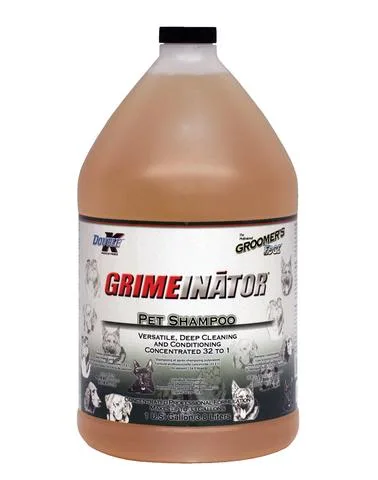
- Double K Groomers Edge Grimeinator® Shampoo – Gallon: Deep cleaning and conditioning shampoo for oily, greasy, dirty, stinky, or grimy animals; concentrated 32 to 1 and fine for everyday use. Best reserved for the dirtiest coats, such as dogs that rolled in something or spend a lot of time outdoors.
Cleaning pet gear is less about scrubbing harder and more about order, contact time, and drying completely. Wash bowls daily, disinfect toys by material, deep clean the crate on a schedule, and rinse every surface your pet eats from. Do that, and you will spend less time fighting odor and more time enjoying your pet.