Quick answer
Rinse the brush head thoroughly after every use, then once a week deep-clean the handle and head with warm water and mild soap. Let all parts air-dry separately. This prevents whitening toothpaste residue from hardening on bristles and keeps your brush ready for your next whitening session.
Why whitening toothpaste changes your cleaning routine
Whitening toothpastes often contain mild abrasives that can leave a chalky film on bristles and the brush head if not rinsed immediately. This residue hardens over time and can reduce cleaning efficiency. Unlike regular toothpaste, whitening formulas may also contain hydrogen peroxide or baking soda, which can degrade bristles faster if left to sit. Cleaning your brush head right after use is the single most effective way to prevent buildup and keep bristles in good shape between whitening sessions.
Tools you already have (and one you shouldn't use)
You don't need a UV sanitizer or expensive cleaning tablets. Warm tap water, mild dish soap, and a soft cloth are enough for daily and weekly care. Avoid using mouthwash or hydrogen peroxide to soak your brush head—these can weaken bristles and damage the plastic over time. Also skip the dishwasher; high heat can warp the brush head and handle seals.
Step-by-step cleaning routine
- Rinse the brush head immediately after brushing: Hold the brush head under warm running water for 5–10 seconds, rotating it to flush out toothpaste and debris from between the bristles. Do this before you turn off the tap. Checkpoint: if you see white residue at the base of the bristles, rinse again.
- Wipe the handle with a damp cloth: Use a soft, damp cloth to wipe down the handle, especially around the power button and any seams. This removes splatter and keeps the grip clean without exposing the electronics to running water. Mistake to avoid: never submerge the handle in water or rinse it under the tap.
- Deep-clean the brush head once a week: Remove the brush head from the handle. Mix a few drops of mild dish soap with warm water in a small cup. Swirl the brush head in the solution for 30 seconds, then rinse thoroughly under warm water. Checkpoint: if bristles look frayed or discolored after cleaning, it's time to replace the head.
- Air-dry all parts separately: Shake off excess water and place the brush head and handle upright in a well-ventilated area to air-dry. Do not store them in a closed cabinet or travel case while damp—moisture encourages bacterial growth. Mistake to avoid: leaving the brush head attached to the handle while drying; trapped moisture can seep into the connection point.
- Sanitize monthly with a gentle soak (optional): If you want extra hygiene, soak the brush head in a mixture of one part white vinegar to two parts water for 10 minutes once a month. Rinse well and air-dry. This helps dissolve mineral buildup from hard water. Checkpoint: never soak the handle—only the removable brush head.
Built for easy cleaning
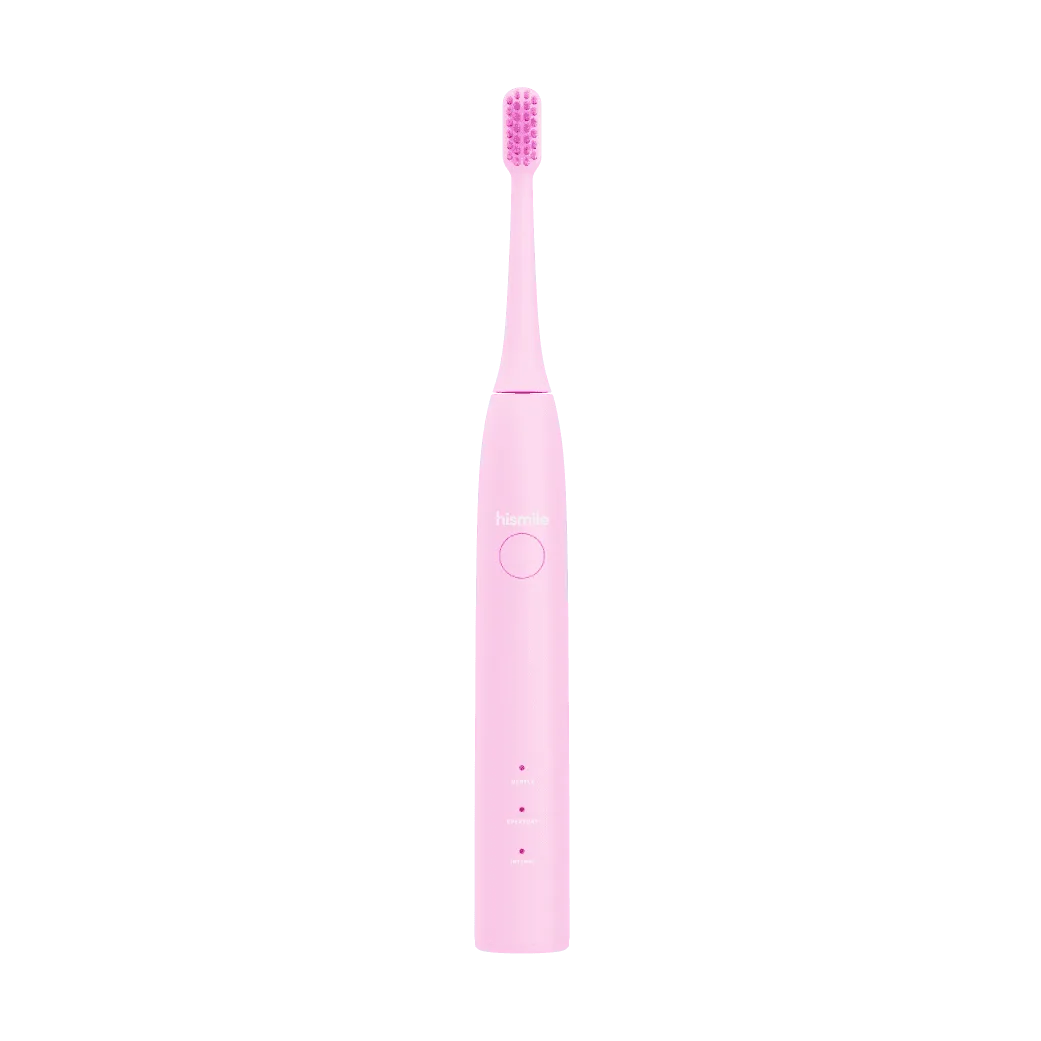
- Purple Electric Toothbrush: Soft-tapered bristles for effective cleaning. Soft-tapered bristles are gentler on gums and less likely to trap whitening paste residue, making them easier to rinse clean after each use.
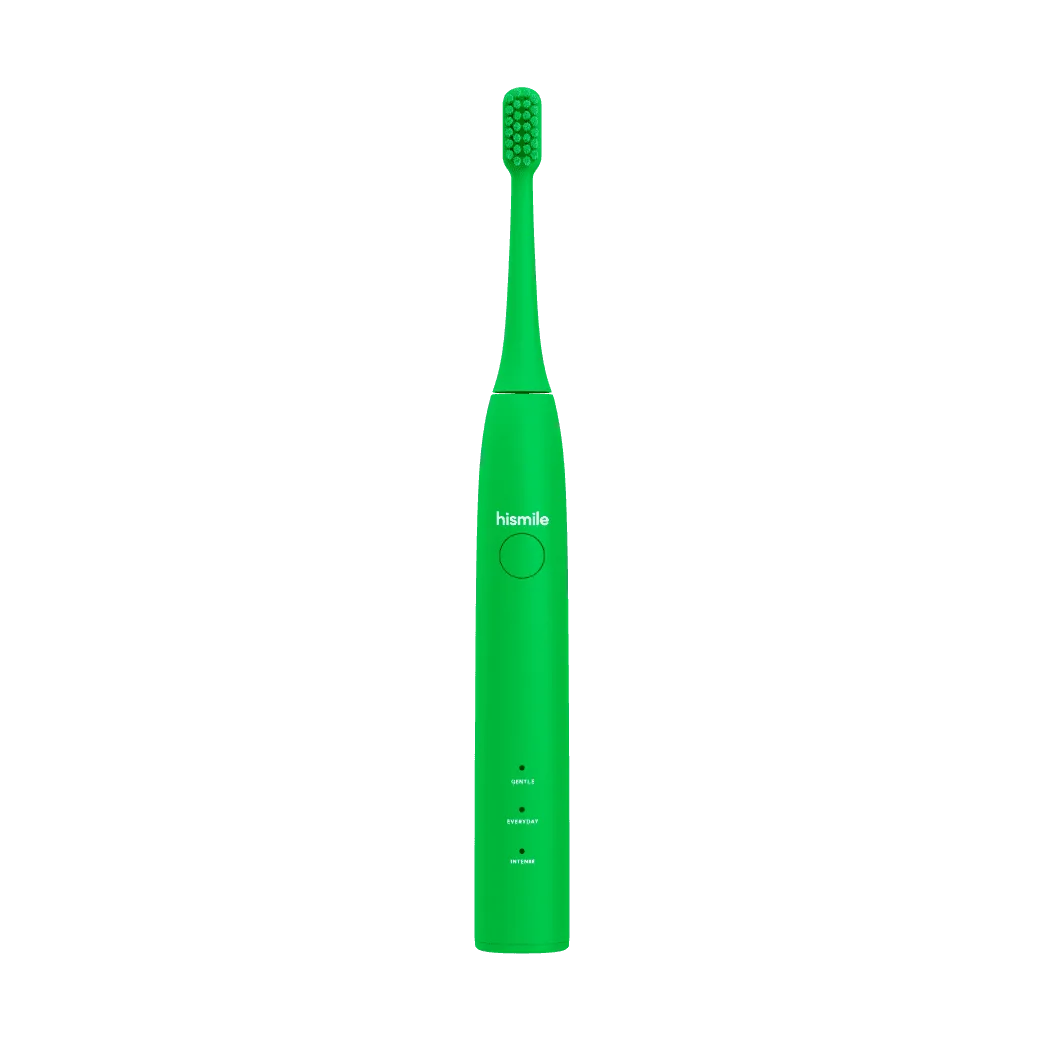
- Bright Green Electric Toothbrush: Built-in timer for convenience. A built-in timer helps you brush for the full recommended two minutes, reducing the temptation to rush and leave paste behind on the brush head.