Glasslock containers are prized for their durability, oven-safe glass, and airtight seals. But even the best glass storage can lose its sparkle over time if not cleaned properly. Tomato sauce stains, lingering garlic odors, and cloudy residue can dull your containers. The good news? With the right techniques, you can restore and maintain that crystal-clear look for years. This guide covers everything from daily cleaning to tackling tough stains, so your Glasslock collection stays as beautiful as it is functional.
Whether you use your containers for meal prep, baking, or storing leftovers, proper care extends their life and keeps them safe. Let's dive into the best practices for cleaning Glasslock containers—including tips for hand washing, dishwasher use, and stain removal.
Daily Cleaning: Hand Washing vs. Dishwasher
Glasslock containers are dishwasher safe, but hand washing can help preserve the clarity of the glass and the integrity of the plastic lids. For everyday cleaning, rinse the container immediately after use to prevent food from drying on. Use a soft sponge with mild dish soap and warm water. Avoid abrasive scrubbers—they can scratch the glass over time, making it look foggy.
If you prefer the dishwasher, place the glass bases on the top rack to avoid direct heat from the bottom heating element. The lids should always go on the top rack or in a utensil basket to prevent warping. Use a gentle cycle and avoid high heat drying settings. For best results, remove the silicone gasket from the lid before washing to clean underneath—this prevents mold and odors.
- Hand wash with soft sponge and mild soap for longest clarity.
- Dishwasher safe: place glass on top rack, lids on top rack only.
- Remove silicone gasket from lids for thorough cleaning.
Removing Stubborn Stains and Odors
Tomato sauce, turmeric, and coffee can leave orange or brown stains on glass. Don't worry—these stains are not permanent. One effective method is to soak the container in a solution of equal parts white vinegar and warm water for 15-30 minutes. Then wash as usual. For extra stubborn stains, make a paste of baking soda and water, apply it to the stain, and let it sit for 10 minutes before scrubbing gently.
To remove odors (like garlic or fish), fill the container with warm water and add a tablespoon of baking soda. Let it sit overnight, then wash. Alternatively, rub the inside with a cut lemon and rinse. Sunlight is also a natural deodorizer—place clean, dry containers in direct sunlight for a few hours to freshen them up.
- White vinegar soak for 15-30 minutes removes most stains.
- Baking soda paste tackles tough spots without scratching.
- Overnight baking soda soak eliminates odors.
- Sunlight naturally freshens and sanitizes glass.
Preventing Cloudiness and Scratches
Cloudiness on glass containers is often caused by mineral deposits from hard water or detergent residue. To prevent this, use a rinse aid in your dishwasher or wipe containers dry with a microfiber cloth after hand washing. If cloudiness appears, soak the glass in a vinegar solution (1 part vinegar to 3 parts water) for an hour, then wash and dry thoroughly.
Scratches can occur from stacking containers without protection or using metal utensils inside. Always use wooden, silicone, or plastic utensils when scooping food from Glasslock containers. Store containers with a paper towel or cloth between them if stacking, or nest them with lids on. Avoid using steel wool or harsh scouring pads at all costs.
- Use rinse aid to prevent hard water spots.
- Dry containers immediately with a soft cloth.
- Avoid metal utensils inside glass containers.
- Place a cloth between stacked containers to prevent scratches.
Caring for Lids and Seals
The plastic lids and silicone gaskets are essential for an airtight seal, but they require special care. Wash lids in warm, soapy water and dry thoroughly before storing. Do not microwave lids unless specified—Glasslock lids are generally not microwave safe. To prevent warping, keep lids away from direct heat sources like the stovetop or oven.
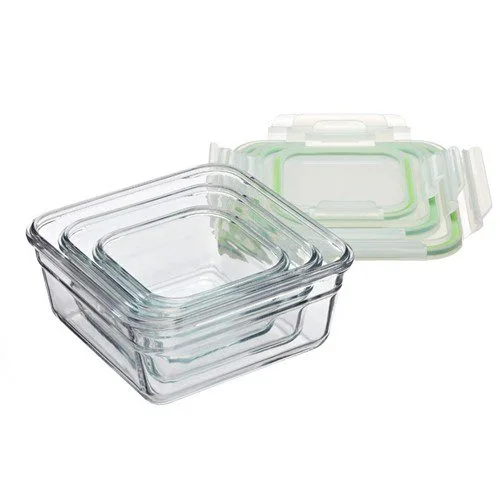
Over time, the silicone gasket may absorb odors or become loose. Remove the gasket periodically and wash it separately. If it loses its shape or seal, replacement lids are available. For example, you can find Square Lids and Rectangle Lids designed to fit your Glasslock containers perfectly. Replacing worn lids ensures your containers remain leak-proof and functional.
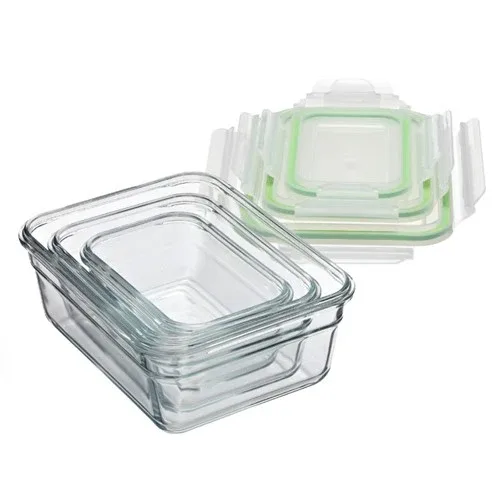
Rectangle Lids
- Wash lids with mild soap and dry completely.
- Do not microwave lids unless indicated.
- Replace worn gaskets or lids to maintain airtight seal.
- Store lids loosely attached to containers to prevent deformation.
Deep Cleaning for Heavily Used Containers
For containers that have been used for baking or storing oily foods, a deeper clean may be needed. Try the dishwasher's heavy cycle with a grease-fighting detergent. Alternatively, fill the container with hot water and a drop of dish soap, then microwave (if the container is microwave-safe) for 1-2 minutes. Let it sit for a few minutes before washing. This loosens baked-on residue.
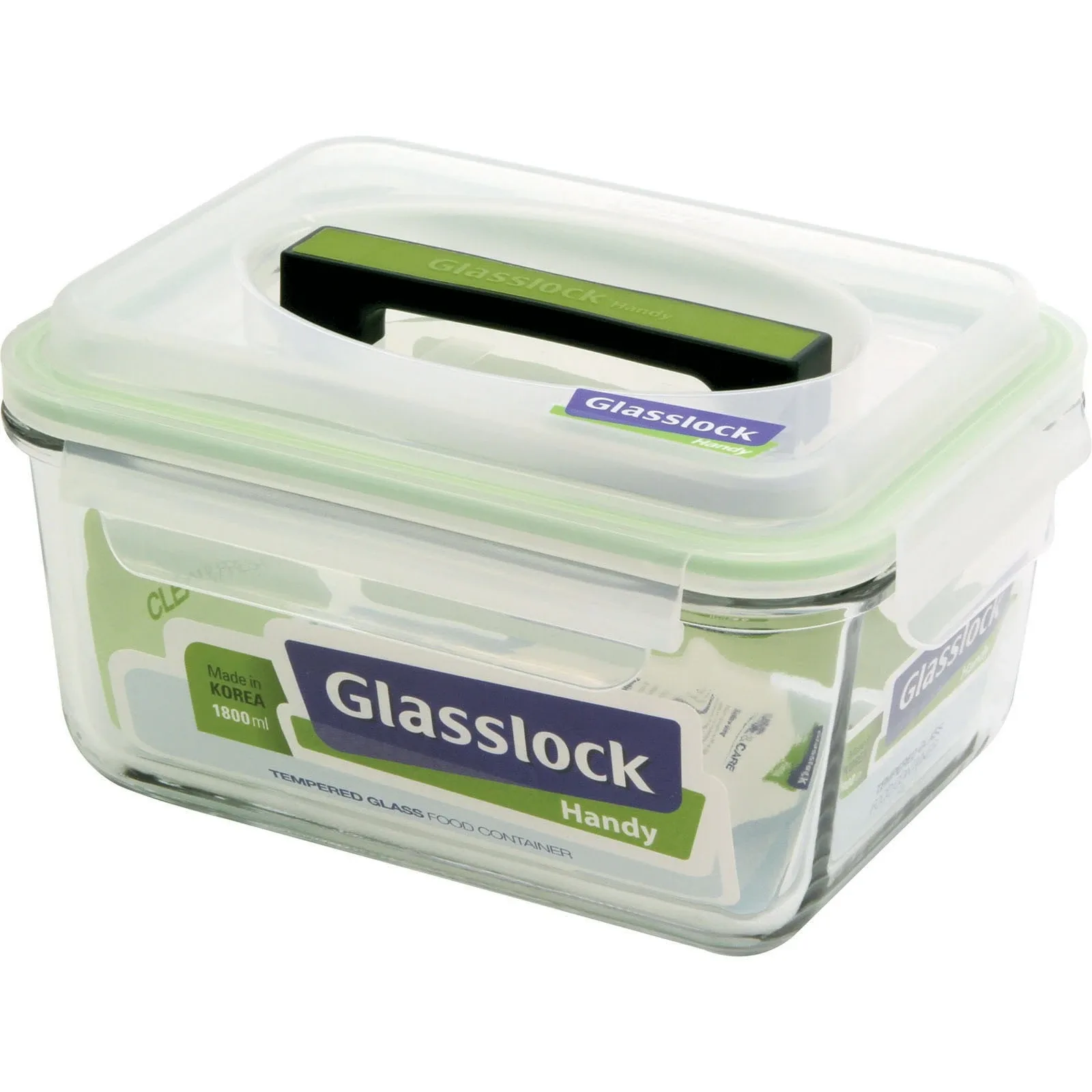
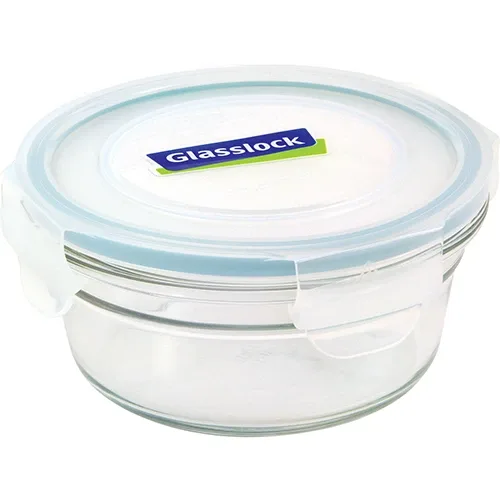
If you use your Glasslock containers for meal prep frequently, consider rotating them to avoid overuse of a single piece. For instance, the OCCT-148 Glasslock Oven Safe Round 5.4 cups is perfect for soups and stews, while the MHRB-180 Glasslock Handy Rectangle 7.5 cups works great for casseroles. Using a variety of sizes can reduce wear and tear on any one container.
- Microwave hot water and soap to loosen baked-on food.
- Use heavy dishwasher cycle for oily residue.
- Rotate container usage to extend lifespan.
With these simple cleaning and care routines, your Glasslock containers will stay crystal clear, odor-free, and functional for years. Remember to treat the lids gently, avoid abrasive tools, and tackle stains promptly. A little effort goes a long way in preserving your investment. Ready to stock up on replacement lids or add new sizes to your collection? Check out the Glasslock Handy Rectangle 10.5 cups for a versatile meal prep option that's easy to clean and maintain.