Quick answer
Wipe the wallet with a dry microfiber cloth, then clean with a barely damp cloth and a drop of pH-neutral soap, working in small circles. Let it air-dry away from heat, apply a thin layer of leather conditioner, and buff off the excess. Skip alcohol, vinegar, bleach, and soaking—those strip the finish and cause cracking.
Most leather wallets don't wear out from daily use—they wear out from cleaning mistakes. A splash of hand sanitizer, a wet wipe, or a hot car dashboard does more damage in one minute than a year of pocket time.
This routine works for smooth and grained leather, and it's gentle enough for a leather card holder cleaning session when you want to refresh the slot edges without loosening them. Set aside 20 minutes, and don't rush the drying step.
Before you start: know what you're cleaning
Check the wallet's finish before touching it. Smooth, waxed, and oiled leathers respond well to a damp cloth and conditioner. Suede, nubuck, and unfinished leather need a dry brush instead, and water can leave permanent marks. If you're unsure, test on a hidden interior seam first.
Match your tools to the job: two microfiber cloths, a soft horsehair brush, pH-neutral leather soap, and a conditioner. Avoid paper towels, which leave lint in card slots, and never use dish soap, laundry detergent, or all-purpose cleaner. Those are too alkaline and dull the surface.
- Empty every pocket, slot, and bill compartment before cleaning—coins and cards trap grit that scratches leather.
- Photograph the wallet first so you can compare the finish before and after.
Step-by-step leather wallet cleaning
Work in this order: dry dust, damp clean, dry, condition, buff. Each stage takes a few minutes, and skipping one is the most common reason a wallet ends up looking worse than before. Keep the cloth barely damp—wrung out so it doesn't drip—and clean in small circles with light pressure.
For a leather card holder cleaning, pay extra attention to the slot openings where skin oils and grit collect. Use a soft brush or a dry cloth corner to lift debris from the seams, then wipe the surface. Don't force the slots open wider than they naturally sit; leather stretches and won't spring back.
- Never soak the wallet or hold it under running water—moisture wicks into the lining and weakens the stitching.
- If the cloth picks up color, stop. That means you're rubbing the finish, not the dirt.
How to remove stains leather wallet owners actually get
For grease or oil, blot immediately with a dry cloth, then sprinkle a little cornstarch on the spot and let it sit for a few hours to absorb. Brush it off and clean as usual. For ink, dab—don't rub—with a cloth lightly dampened with leather cleaner; rubbing spreads ink into the grain.
Water stains usually fade as the wallet dries evenly. If a ring remains, dampen the entire panel lightly so it dries uniformly, then condition. For scuffs, a fingertip of conditioner often blends them out. If a stain doesn't lift after two gentle attempts, stop and live with it—aggressive scrubbing causes more visible damage than the mark itself.
- Test every stain treatment on an interior seam first, especially on light-colored wallets.
- Don't use vinegar, alcohol, bleach, or nail polish remover on finished leather.
Drying and conditioning without ruining the finish
Air-dry the wallet at room temperature, away from radiators, hair dryers, and direct sun. Heat dries leather unevenly and makes it stiff and brittle. Stuff the bill compartment lightly with acid-free paper or a dry cloth to hold its shape while it dries.
Once dry, apply a pea-sized amount of conditioner with a clean cloth, working it in thin layers. Let it absorb for 10–15 minutes, then buff off the excess so the wallet doesn't feel greasy in your pocket. Condition every 3–6 months for daily-carry wallets, or whenever the leather feels dry.
- Less is more—over-conditioning clogs the grain and attracts dirt.
- If the wallet still feels tacky after buffing, wipe it again with a dry cloth.
Everyday habits that keep a wallet clean longer
Rotate your wallet every few months so it can rest and dry out. Keep it out of back pockets when you sit, and empty receipts weekly—paper holds moisture and transfers ink. Store it in a dust bag or a soft cloth when you're not using it.
For deeper protection, use a leather protectant spray after conditioning, following the product's instructions. Reapply seasonally, or more often if you carry the wallet in humid or rainy conditions. A little prevention keeps your leather wallet maintenance routine quick instead of a rescue mission.
- Don't store wallets in plastic bags—leather needs airflow.
- Keep hand sanitizer and sunscreen away from the leather; both can discolor the finish.
Your 20-minute wallet care routine
- Empty and dust: Remove all cards, cash, and coins. Brush the seams and slot openings with a soft horsehair brush or a dry microfiber cloth. Checkpoint: no visible grit left in the slots before you add moisture.
- Wipe with a barely damp cloth: Dampen a microfiber cloth with water and a drop of pH-neutral leather soap, wring it out, and wipe in small circles with light pressure. Mistake to avoid: a dripping cloth—water soaking into the lining is the top cause of stiff, cracked leather.
- Air-dry away from heat: Set the wallet on a dry towel at room temperature, away from sun and radiators. Stuff the bill compartment lightly to hold its shape. Checkpoint: the leather should feel dry, not cool or damp, before you condition.
- Condition thinly and buff: Apply a pea-sized amount of leather conditioner with a clean cloth, let it absorb for 10–15 minutes, then buff off the excess. Mistake to avoid: over-conditioning—too much product leaves a greasy film that attracts dirt.
- Treat stains only after cleaning: For grease, blot and use cornstarch; for ink, dab gently with leather cleaner. Test every treatment on an interior seam first. Checkpoint: if a stain doesn't lift after two gentle attempts, stop—scrubbing damages the finish more than the mark.
- Protect and store: Apply a leather protectant spray if you use one, let it dry fully, and store the wallet in a dust bag or soft cloth when not in use. Next step: repeat the full routine every 3–6 months, or sooner if the leather feels dry.
Wallets built for easier care
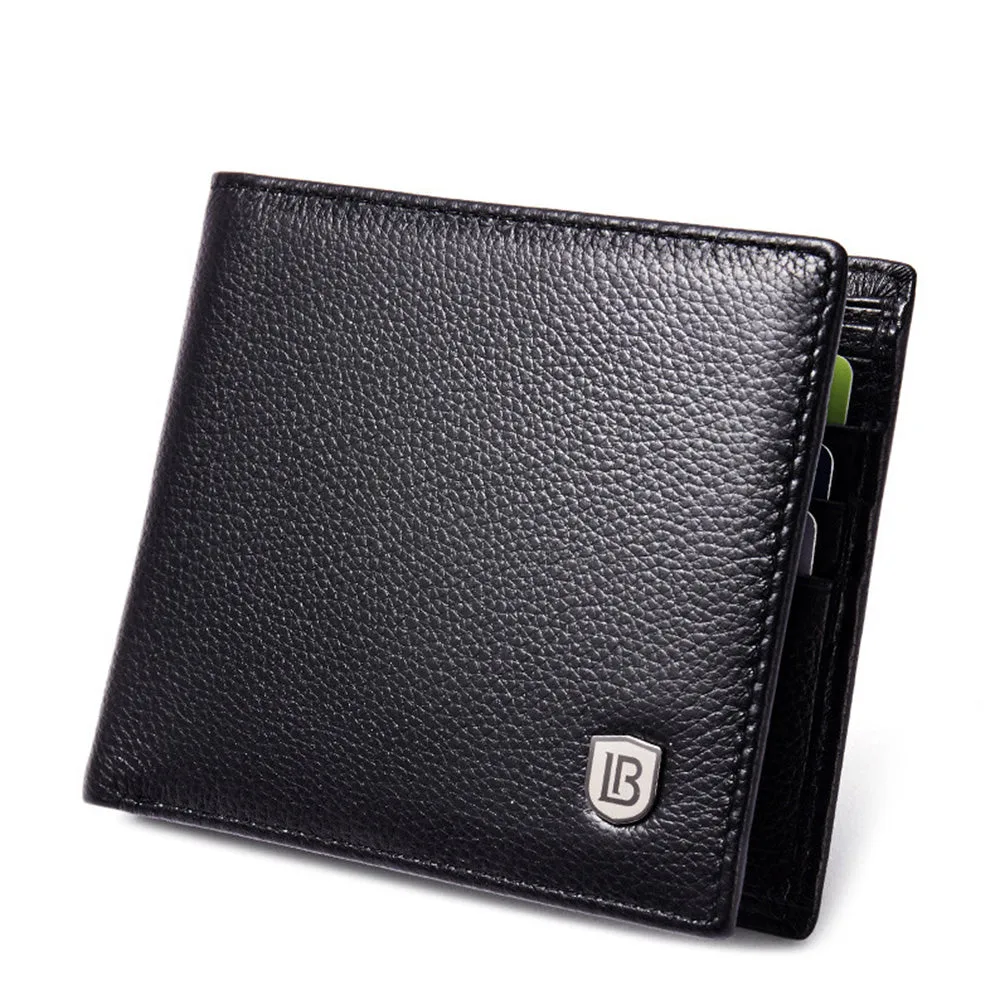
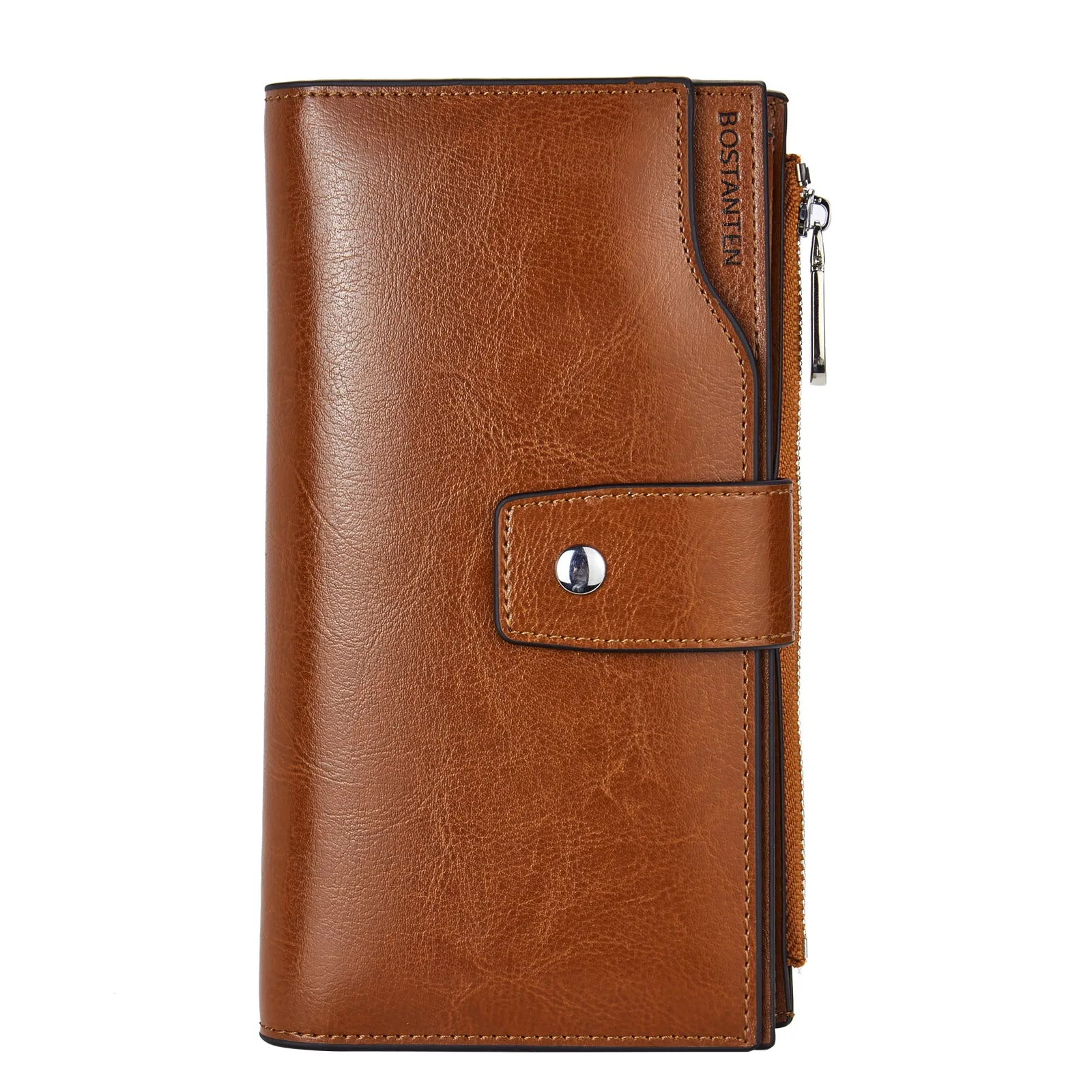
- BOSTANTEN Classic Genuine Leather Wallet: Designed as a stylish, lightweight, and durable accessory with reinforced edges and flexible construction that helps it maintain its shape through everyday use. Reinforced edges and flexible construction make it easier to clean without warping, and the slim profile means less surface area to trap grit.
- Lnna Genuine Leather RFID Wallets With Checkbooks - Cash Clutch: Made from top grained leather with a waxing and oiling finish, durable fabric lining, and custom light gold hardware. The waxed and oiled finish resists water spots, so routine wiping is usually enough—condition less often to avoid dulling the grain.
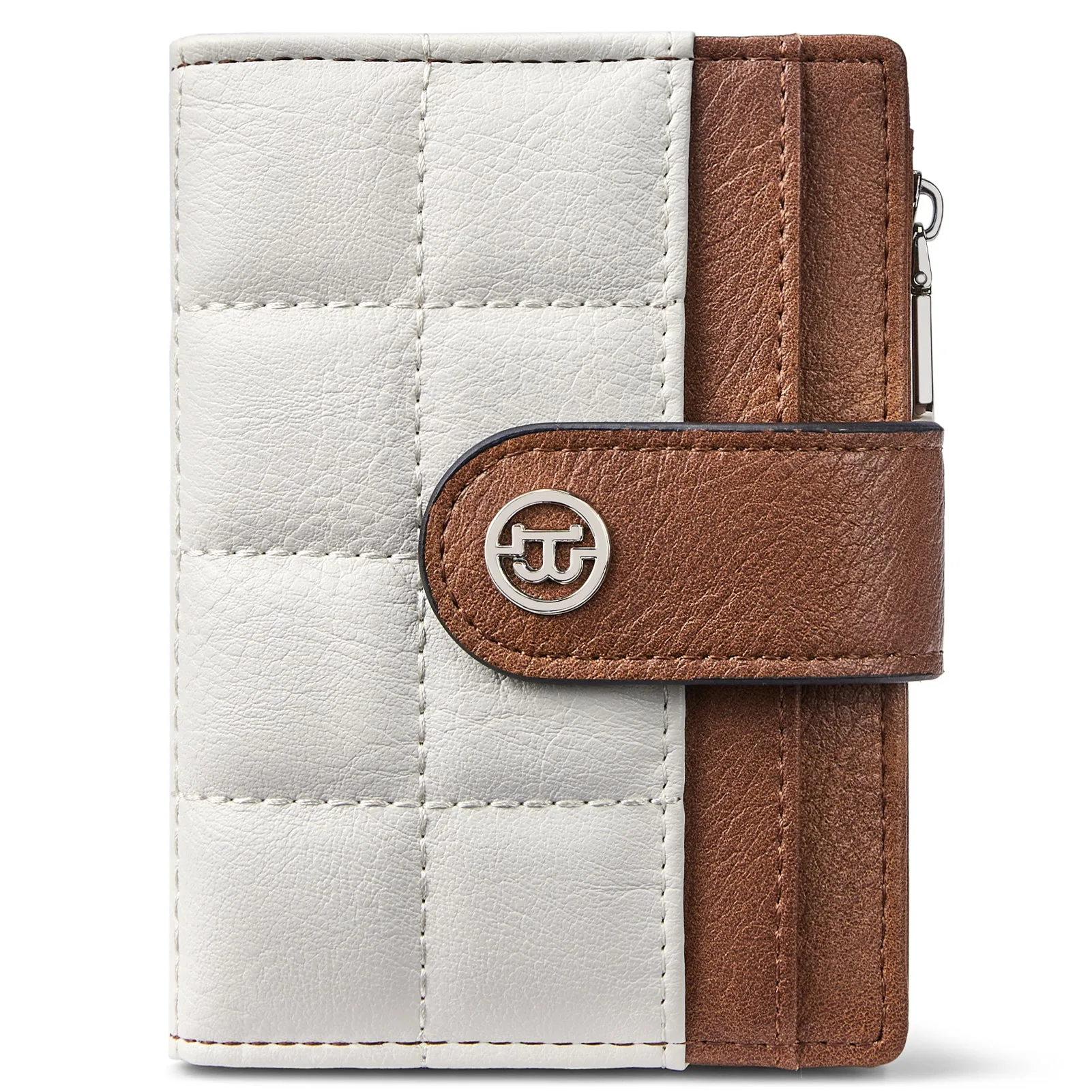
- Luna Quilted Colorblock Leather Wallet - Secure RFID: Features a quilted design with multiple card slots, an ID window, a currency compartment, a zippered pocket, and built-in RFID protection. The quilted surface and zippered pocket hide crevices where dirt collects, so use a soft brush along the stitching before wiping.
Cleaning a leather wallet is mostly about restraint: less water, less soap, less rubbing. Follow the steps above, condition lightly, and your wallet will keep its finish and shape for years of daily carry.