Quick answer
Clean your Figure Stix 600G after every painting session by wiping the grip and threads with a soft, slightly damp cloth, then dry it fully before storing it. Once a month, check the threads and mounting points for paint buildup or wobble, and tighten or clean as needed. This five-minute routine prevents the two most common failures: a slipping grip and clogged threads.
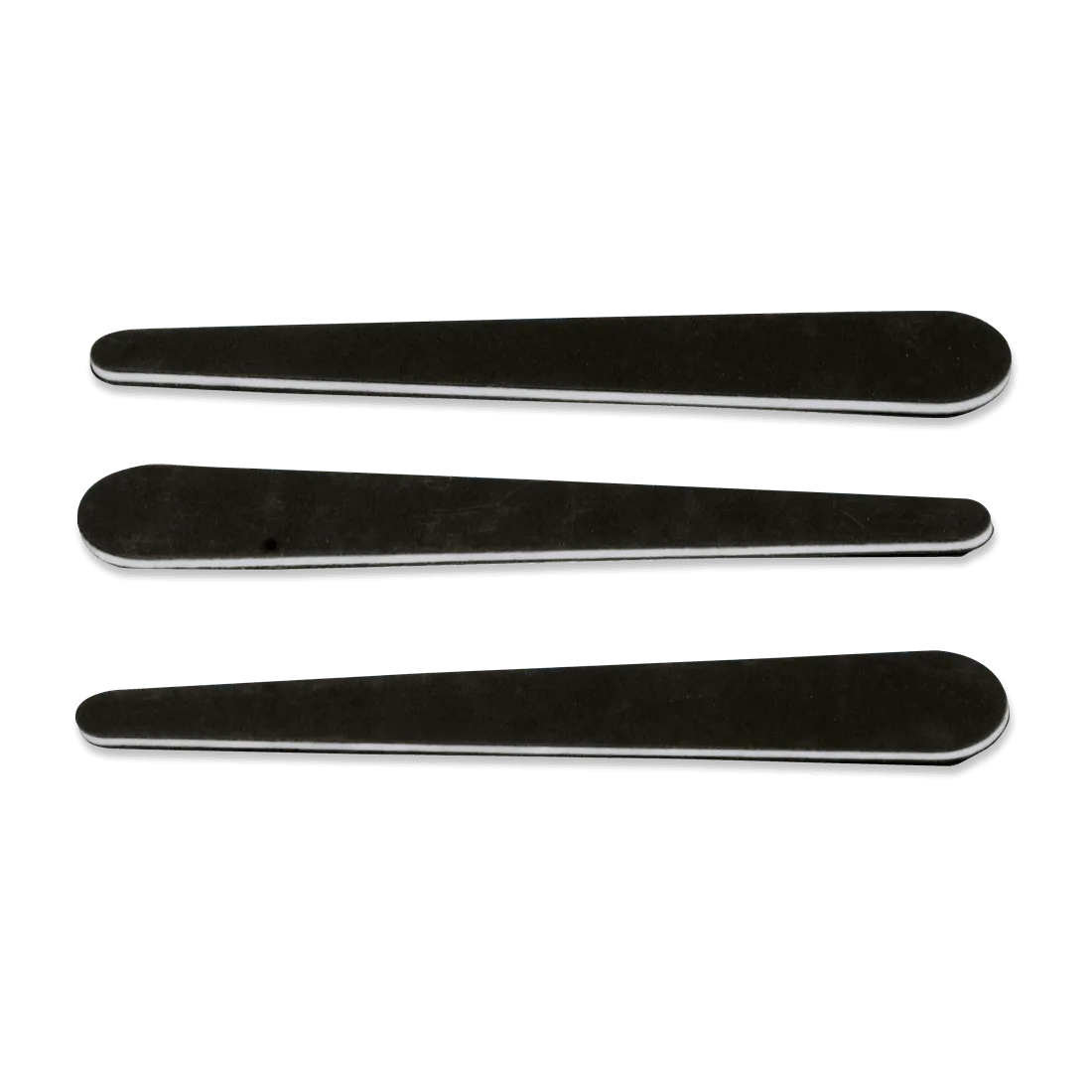
Figure Stix 600G
A painting handle only works when it holds your miniature firmly and releases it cleanly. Paint, primer, and thinner residue gradually work their way into the grip surface and the threads, and that is when a Figure Stix 600G starts to feel loose, sticky, or hard to adjust.
The fix is not complicated. A short, repeatable care routine keeps the tool working the way it did on day one, and it takes less time than cleaning a single brush. Below is the exact order of steps I use, plus the mistakes that cause most handle problems.
Why the Figure Stix 600G needs a routine, not a deep clean
Most handle damage comes from neglect between sessions, not from heavy use. A thin film of paint on the grip reduces friction, so you compensate by gripping harder, which stresses the mounting point. The same film on the threads makes adjustment stiff, and forcing a stiff thread is what actually wears it out.
A two-minute wipe-down after each session removes fresh residue while it is still soft. That single habit prevents the hardened buildup that later requires scraping, solvent, or replacement parts. Think of it as maintenance, not cleaning.
- Keep a dedicated microfiber cloth in your painting area so the wipe-down has no friction of its own.
- Never store the handle with a miniature still mounted for long periods; the weight stresses the joint.
What you need before you start
You do not need a shelf of products. A soft microfiber cloth, a slightly damp corner of that cloth, a dry brush for crevices, and a small amount of mild soap are enough for routine care. Avoid aggressive solvents on the grip surface unless the manufacturer specifically allows them.
If you paint with acrylics, warm water is usually sufficient. If you use enamels or oils, check the handle instructions first, because some solvents can dull or soften plastic grips over time.
- Use a separate cloth for paint cleanup and for drying; a damp cloth left in a bag grows mildew.
- A soft toothbrush reaches threads better than a cloth without scratching them.
Routine care after every session
Start by removing the miniature and any mounting putty or adhesive. Wipe the grip surface with the dry microfiber cloth using light pressure, then use the damp corner only on stubborn spots. Dry immediately with the dry side of the cloth; moisture left in a textured grip attracts dust.
Next, run the dry brush along the threads to lift paint dust. Do not add oil or lubricant to the threads unless the manufacturer recommends it, because lubricant can trap pigment and make the problem worse. Store the handle upright or in its case so nothing rests on the grip.
- If the grip feels slick after wiping, it is residue, not wear; repeat the damp wipe and dry thoroughly.
- Never submerge the whole handle in water; moisture inside the mechanism is hard to remove.
Monthly check and deeper clean
Once a month, disassemble the handle if it is designed to come apart. Soak only the metal or hard plastic parts in warm water with a drop of mild soap for a few minutes, then scrub the threads with the soft brush. Rinse and dry completely before reassembly.
While it is apart, inspect the mounting point for cracks, stripped threads, or a wobble that tightening no longer fixes. If the handle uses a replaceable grip or collet, this is the moment to check whether a replacement is available rather than forcing a worn part.
- Test the thread by turning it fully in and out once; it should move smoothly with light resistance.
- If a part is cracked, stop using it; a failed joint can drop a painted miniature.
Storage and travel habits that extend handle life
Store the Figure Stix 600G in a case or drawer where nothing presses on the grip. Heat is the other enemy: a handle left in a hot car or near a radiator can warp, and a warped grip no longer holds a base flat. Keep it at room temperature with your other tools.
For travel, remove the miniature and any accessories, then pack the handle so the threads are not bearing weight. A small padded pouch is enough. This is the same principle as storing brushes bristle-up: protect the part that does the work.
- Label your case so the handle is not crushed under paint bottles.
- If you paint outdoors, bring the handle inside the same day; condensation forms quickly.
Your Figure Stix 600G care steps, in order
- Step 1: Unmount and clear debris: Remove the miniature and any putty or adhesive. Brush loose paint dust off the grip and threads with a dry soft brush before any liquid touches the handle. Checkpoint: no visible flakes or grit remain on the grip surface.
- Step 2: Wipe the grip: Wipe the grip with a dry microfiber cloth, then use a barely damp corner only on stubborn spots. Dry immediately with the dry side. Common mistake: leaving the grip damp, which attracts dust and can degrade some grip materials.
- Step 3: Clean the threads: Run a dry soft brush along the threads to lift pigment. Do not add oil or lubricant unless the manufacturer recommends it. Checkpoint: the thread turns smoothly with light resistance, not stiffness.
- Step 4: Monthly deeper clean: Disassemble if designed to, soak only metal or hard plastic parts in warm water with a drop of mild soap, scrub threads, rinse, and dry fully before reassembly. Common mistake: soaking the whole handle and trapping moisture inside the mechanism.
- Step 5: Inspect for wear: Look for cracks, stripped threads, or wobble that tightening no longer fixes. Replace worn grips or collets instead of forcing them. If a part is cracked, stop using it; a failed joint can drop a painted figure.
- Step 6: Store correctly: Store upright or in a case where nothing presses on the grip. Keep it at room temperature, away from heat and direct sun. Checkpoint: the handle is not bearing weight from other tools or bottles.
Products that pair well with a maintained handle
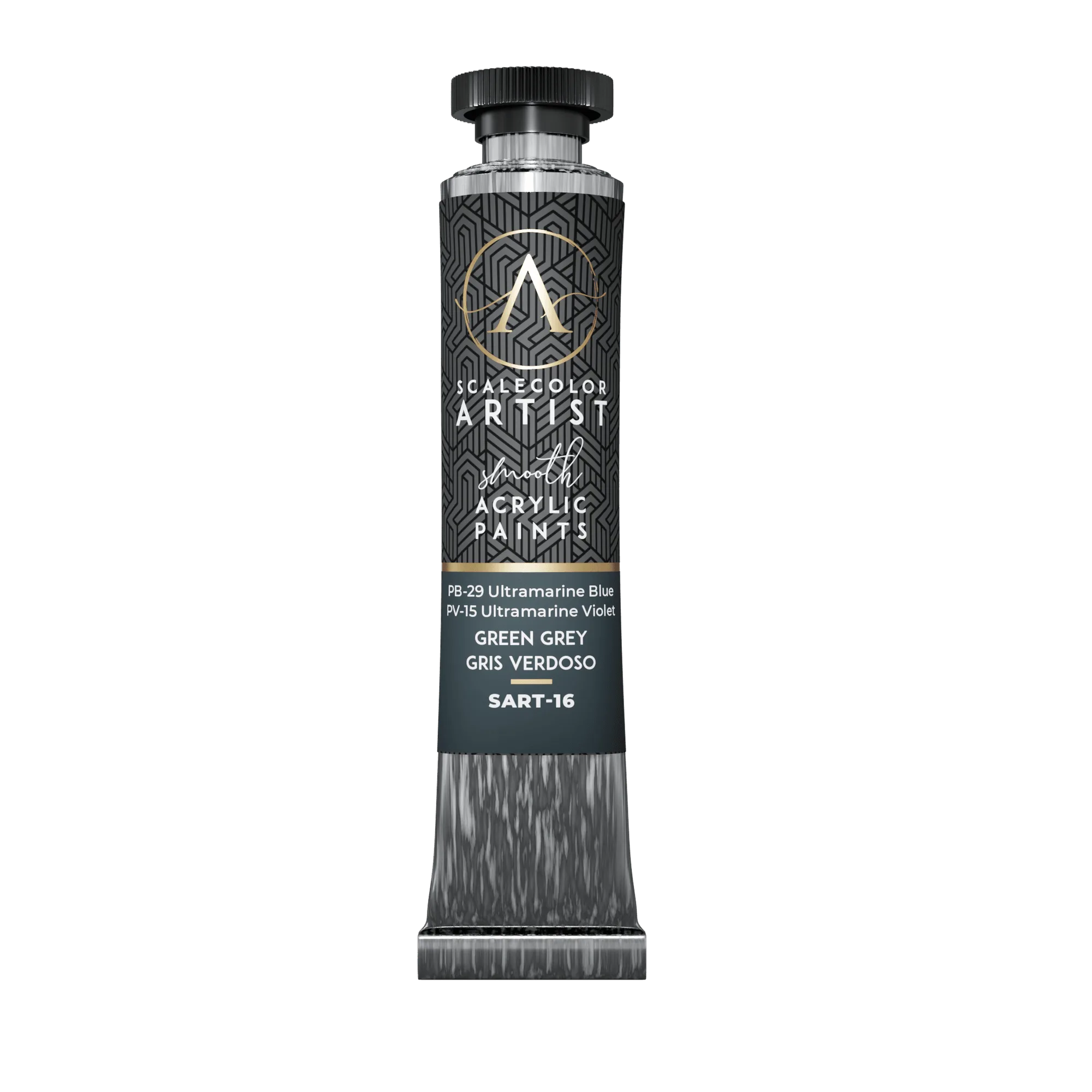
- GREEN GREY: Premium creamy acrylic paint, 20ml, with high pigment quality and coverage, valid for brush and airbrush. A creamy, high-coverage paint needs less layering, so less paint ends up on the grip and threads during a session.
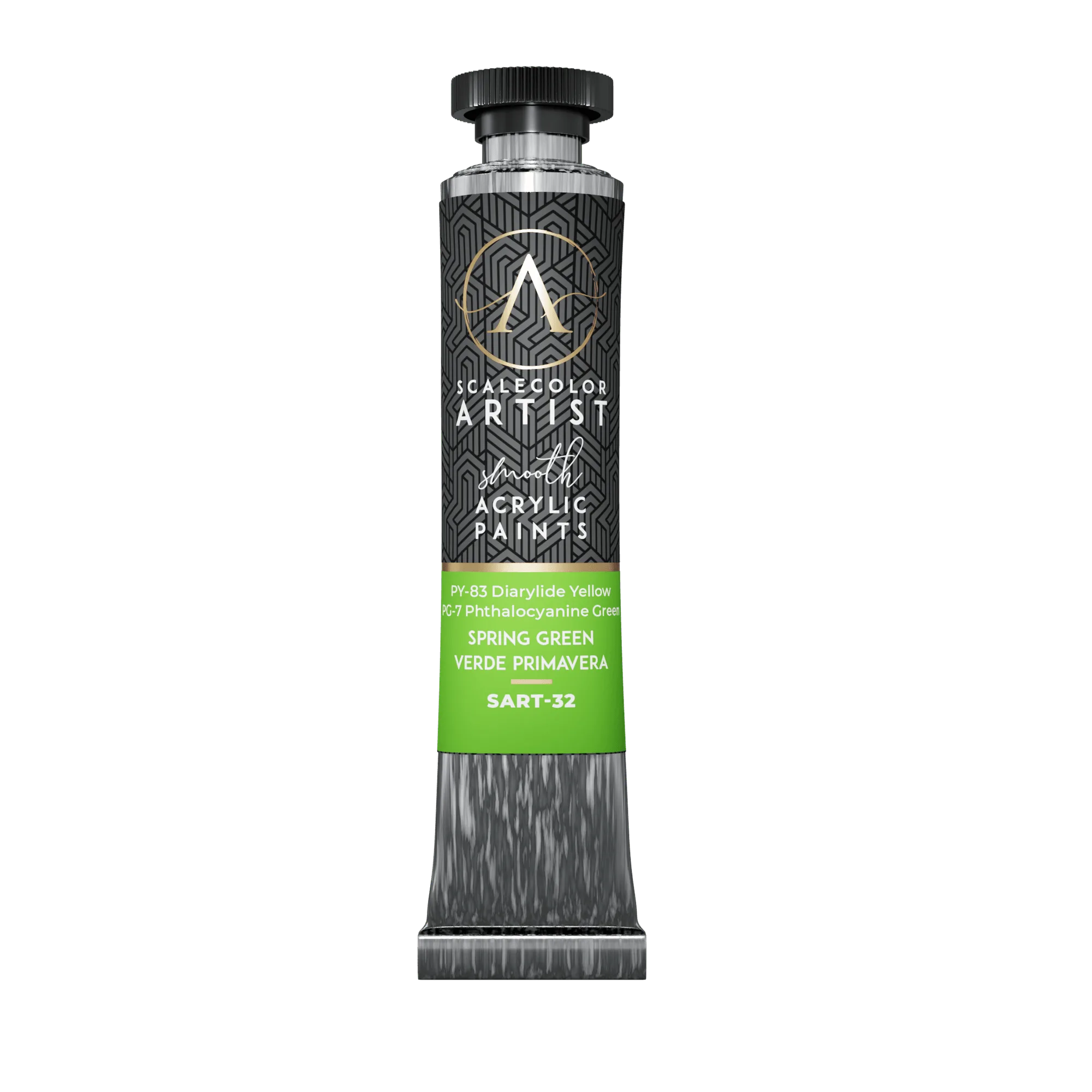
- https://scale75sx.com/products/spring-green-66f37f8bd3305b4c9c38cf56-1815800https://scale75sx.com/products/spring-green-1-46f8a46a3339f61946a33016-1816430SPRING GREEN: Super matte finish acrylic paint, 17ml, formulated for glazes or fully opaque layers, valid for brush and airbrush. Because it can be thinned for glazes, you can keep paint off the handle by working with thinner layers instead of flooding the miniature.
- ALIEN PINK: A deep pink fluorescent pigment that glows under ultraviolet light, applicable directly or diluted with thinner or water. Fluorescent pigment is thin and can migrate; wipe the grip after using it so the residue does not stain or slick the surface.
- Imperial Guard 1805: 75mm scale unpainted resin figure, assembly required, with a SCALE75 painting reference included. A larger, heavier figure puts more load on the mounting point, so check the joint and threads before and after each session.
Cleaning and maintaining your Figure Stix 600G comes down to a two-minute wipe after each session and a five-minute check once a month. Do that, and the grip stays secure, the threads stay smooth, and your painted figures stay safe on the stand.