Your sleeping pad is one of the most important pieces of camping gear you own. It provides insulation from the cold ground, cushions your body for a good night's sleep, and can make or break your outdoor experience. But like any piece of equipment, a sleeping pad needs regular care to perform its best. Without proper maintenance, even the best pad can lose loft, develop leaks, or become uncomfortable.
Klymit sleeping pads are designed to be durable and lightweight, but they still need a little TLC. Whether you own the Static V2 Sleeping Pad or the Insulated V Ultralite SL Sleeping Pad, following a simple cleaning and storage routine will keep your pad in top shape for many seasons. In this guide, we'll walk you through everything you need to know about cleaning, storing, and repairing your Klymit pad so you can enjoy years of comfortable camping.
Why Regular Sleeping Pad Care Matters
A clean sleeping pad not only feels better but also lasts longer. Dirt, sweat, and oils from your skin can break down the fabric over time, leading to premature wear. Moisture trapped inside the pad can cause mold or mildew, which can ruin the insulation and create unpleasant odors. Regular cleaning helps prevent these issues and keeps your pad performing at its best.
Additionally, proper care can save you money. A well-maintained pad can last for years, meaning you won't have to replace it as often. Simple habits like wiping it down after each trip and storing it properly can make a huge difference in the lifespan of your gear.
- Prevents fabric degradation from dirt and oils
- Avoids mold and mildew growth
- Extends the life of the insulation and valves
- Saves money by delaying replacement
How to Clean Your Klymit Sleeping Pad
Cleaning your Klymit sleeping pad is straightforward. Start by inflating the pad fully so you can reach all surfaces. Use a soft sponge or cloth with mild soap and warm water—avoid harsh detergents, bleach, or fabric softeners, as these can damage the material. Gently scrub the entire surface, paying extra attention to areas that come into contact with your body or the tent floor.
Rinse thoroughly with clean water to remove all soap residue. Then, deflate the pad and let it air dry completely. Never use a dryer or direct heat, as high temperatures can melt the fabric or damage the valve. Once dry, you can store it or use it for your next adventure.
- Use mild soap and warm water only
- Avoid bleach, fabric softeners, and abrasive scrubbers
- Rinse thoroughly and air dry away from direct heat
Storing Your Sleeping Pad the Right Way
How you store your sleeping pad when it's not in use is just as important as how you clean it. For long-term storage, partially inflate the pad and store it in a cool, dry place away from direct sunlight. Storing it fully inflated can put stress on the seams, while storing it completely deflated can cause the material to stick together or develop creases.
If you're storing your pad for the winter or a long period, consider using a mesh storage bag or a large cotton sack to allow airflow. Avoid keeping it in a tight compression sack for months at a time, as this can compress the insulation and reduce its loft over time.
- Partially inflate for long-term storage
- Keep in a cool, dry place out of direct sunlight
- Avoid prolonged compression in a stuff sack
Repairing Small Leaks and Punctures
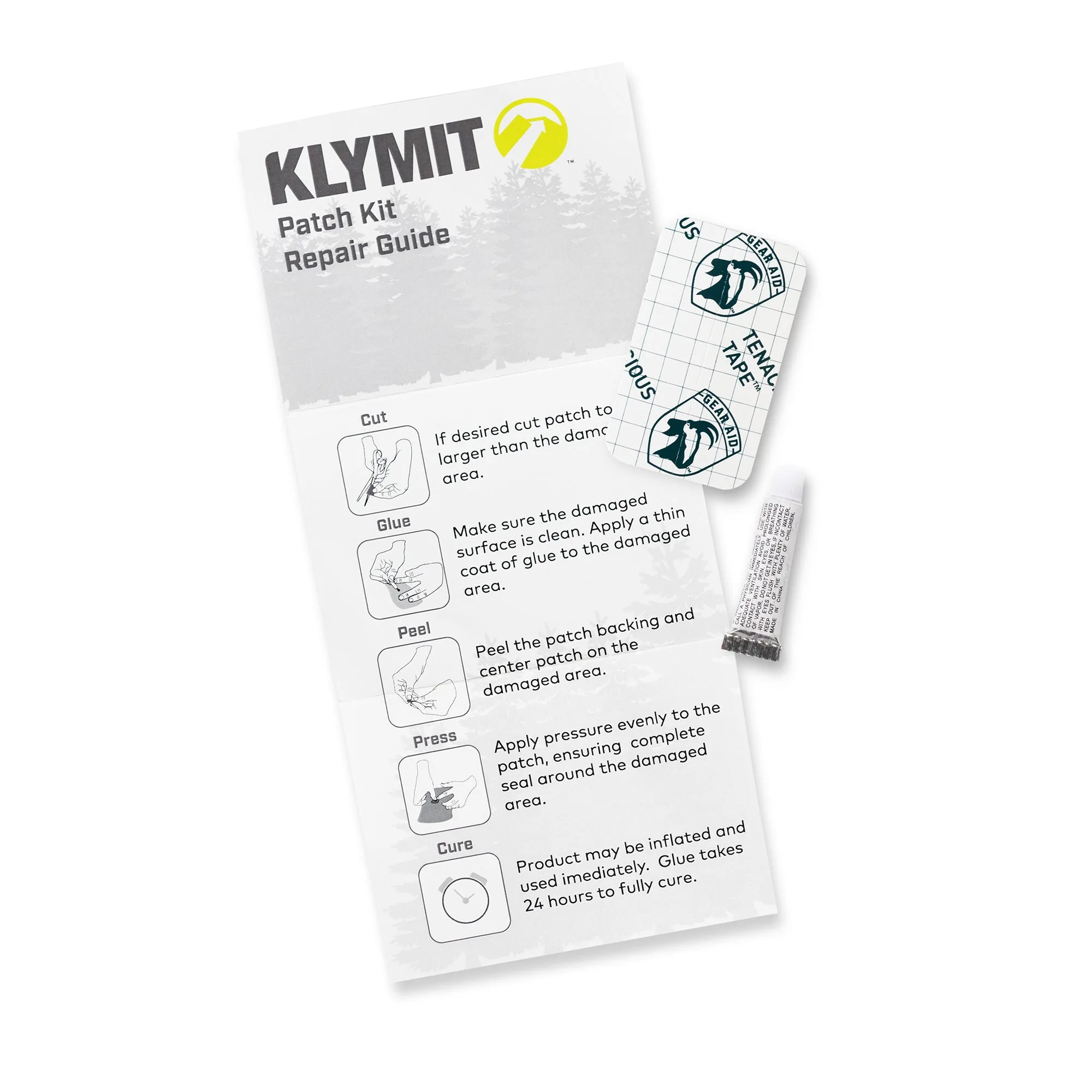
Even with the best care, accidents happen. A sharp rock or a stray twig can cause a small puncture. The good news is that most Klymit pads come with a repair kit, and fixing a leak is easy. First, locate the leak by inflating the pad and listening for escaping air, or by submerging it in water and watching for bubbles. Mark the spot with a pen or tape.
Clean the area around the puncture with rubbing alcohol and let it dry. Apply a small amount of the included patch adhesive to the patch and press it firmly onto the damaged area. Let it cure for at least 12 hours before using the pad again. For larger tears or valve issues, contact Klymit customer support for guidance.
- Use the included repair kit or a https://klymithvx.com/products/patch-kit-aa7c05b0bc8e2b4ae7bf6734-474986patch kit
- Clean the area before applying the patch
- Allow full cure time before reinflating
Tips for Extending the Life of Your Klymit Pad
Beyond cleaning and storage, a few simple habits can help your pad last even longer. Always use a groundsheet or tent footprint to protect the bottom of your pad from sharp objects. When packing up camp, deflate the pad completely and roll it from the foot end to push out all the air. This reduces stress on the valve and fabric.
Also, avoid overinflating your pad. Follow the recommended pressure guidelines—most Klymit pads are designed to be firm but not rock hard. Overinflation can strain the seams and cause premature failure. Finally, inspect your pad regularly for signs of wear, especially before a long trip.
- Use a groundsheet or tent footprint
- Deflate and roll properly when packing
- Avoid overinflating to reduce seam stress
- Inspect regularly for wear and tear
Taking care of your Klymit sleeping pad doesn't take much time, but it pays off in comfort and durability. By cleaning it after each trip, storing it properly, and fixing small issues early, you can enjoy many nights of restful sleep under the stars. Ready to upgrade your sleep system? Check out the Static V2 Sleeping Pad for a reliable, easy-to-maintain option that will serve you well for years to come.