Playing cards are more than just tools for games; they are collectible works of art, often featuring intricate designs and premium finishes. Whether you own a standard deck or a limited edition from a series like The Eye of the Ocean, keeping your cards clean is essential to preserve their beauty and functionality. However, cleaning playing cards requires a delicate touch—too much moisture or harsh chemicals can ruin the finish, warp the stock, or fade the artwork.
In this guide, we'll walk you through proven methods to clean your playing cards safely, from routine dry cleaning to tackling stubborn spots. You'll learn what tools to use, what to avoid, and how to maintain your cards so they stay crisp and shuffle smoothly for years to come.
Why Cleaning Playing Cards Requires Special Care
Playing cards are typically made from paper stock coated with a thin layer of finish—often a polymer or cellulose-based coating—that gives them their smooth feel and durability. This finish is sensitive to moisture, oils, and abrasives. Water can cause the stock to warp or the finish to peel, while rubbing alcohol can strip the protective layer, leaving cards sticky or discolored.
Moreover, many modern decks feature custom artwork and metallic inks that can be damaged by aggressive cleaning. For collectors, even minor smudges can diminish a card's value. That's why it's crucial to use gentle, dry methods first and reserve wet methods for exceptional cases—and even then, with extreme caution.
- Always wash and dry your hands before handling cards to minimize oil transfer.
- Avoid eating or drinking near your cards to prevent spills and crumbs.
- Store decks in a cool, dry place to reduce the need for frequent cleaning.
Essential Tools for Safe Card Cleaning
Before you begin, gather the right supplies. The safest cleaning tool is a soft, lint-free microfiber cloth. It lifts dirt and oils without scratching the finish. A soft brush, like a makeup brush or a dedicated card brush, can dislodge debris from the edges and corners. For deeper cleaning, you might consider a specialized card cleaning product, but many collectors prefer to avoid chemicals altogether.
If you're dealing with sticky residue or stubborn marks, a slightly damp cloth (with water only) can be used sparingly. However, never soak the cards. For those who own high-end decks, such as the Gibborim Castaways Gilded - The Eye of the Ocean, extra care is warranted due to the gilded edges and premium finish.
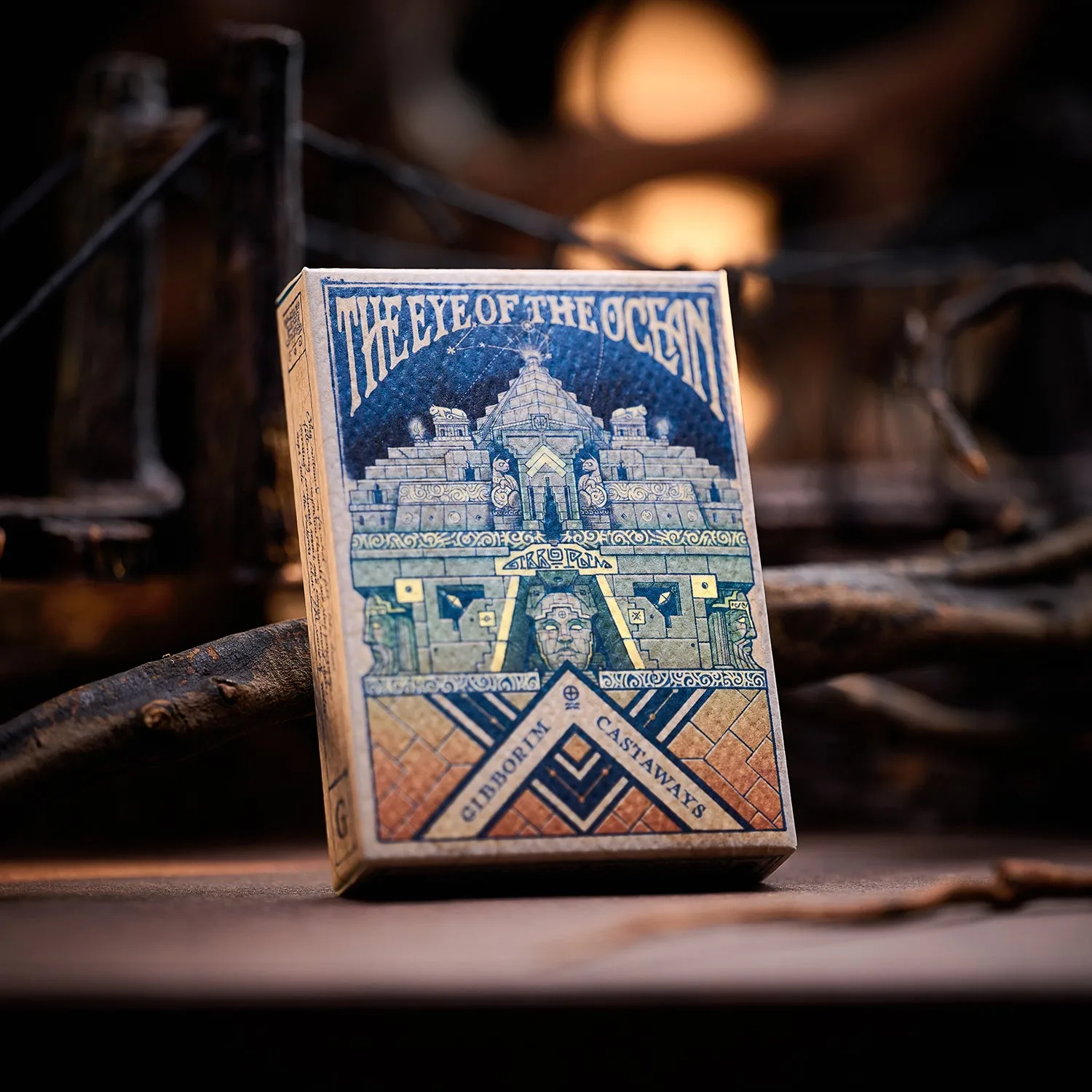
Gibborim Castaways Gilded - The Eye of the Ocean
- Microfiber cloth: ideal for daily wiping.
- Soft brush: great for edges and between cards.
- Damp cloth (water only): for spot cleaning, use with caution.
Step-by-Step Guide to Dry Cleaning Your Cards
Dry cleaning is the safest and most effective method for routine maintenance. Start by spreading the cards on a clean, flat surface. Take a microfiber cloth and gently wipe each card from the center outward, applying light pressure. This removes fingerprints, dust, and light grime without damaging the finish.
For the edges, use a soft brush to sweep away any debris that may have accumulated. Pay special attention to the corners, which tend to pick up dirt from shuffling. If you notice any sticky spots, you can use a dry eraser—a soft, rubbery block used by artists—to gently rub the area. This lifts residue without moisture.
- Wipe each card individually for best results.
- Use a brush to clean the edges and corners.
- A dry eraser can tackle sticky spots without water.
Spot Cleaning: Handling Stubborn Marks
Sometimes dry methods aren't enough. If you have a stubborn stain, you can use a barely damp cloth. Wring it out thoroughly so it's only slightly moist, then gently dab the affected area. Avoid rubbing, as this can spread the stain or damage the finish. Afterward, immediately dry the area with a clean, dry cloth.
For oil-based stains, you might be tempted to use soap or alcohol, but these can cause more harm than good. Instead, try a specialized card cleaning solution designed for playing cards, but test it on a spare card first. Remember, prevention is better than cure—always handle cards with clean hands and avoid exposing them to liquids.
- Use a barely damp cloth for spot cleaning.
- Dab, don't rub, to avoid spreading stains.
- Test any cleaning solution on a spare card first.
Maintaining Your Cards to Minimize Cleaning Needs
The best way to keep your cards clean is to prevent them from getting dirty in the first place. Store your decks in their original tuck boxes or in a dedicated card holder. Keep them away from direct sunlight, which can fade inks, and avoid high humidity, which can cause warping.
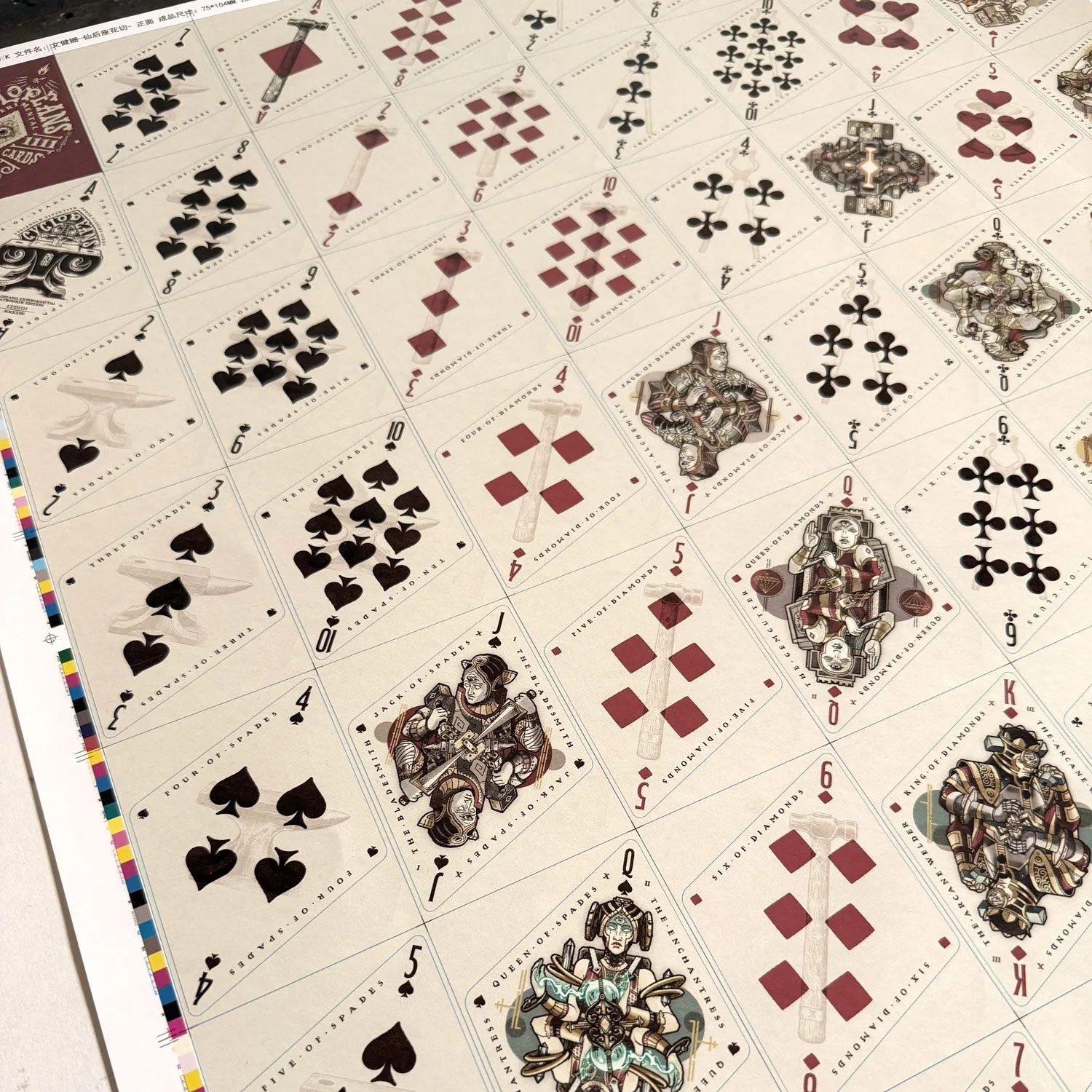
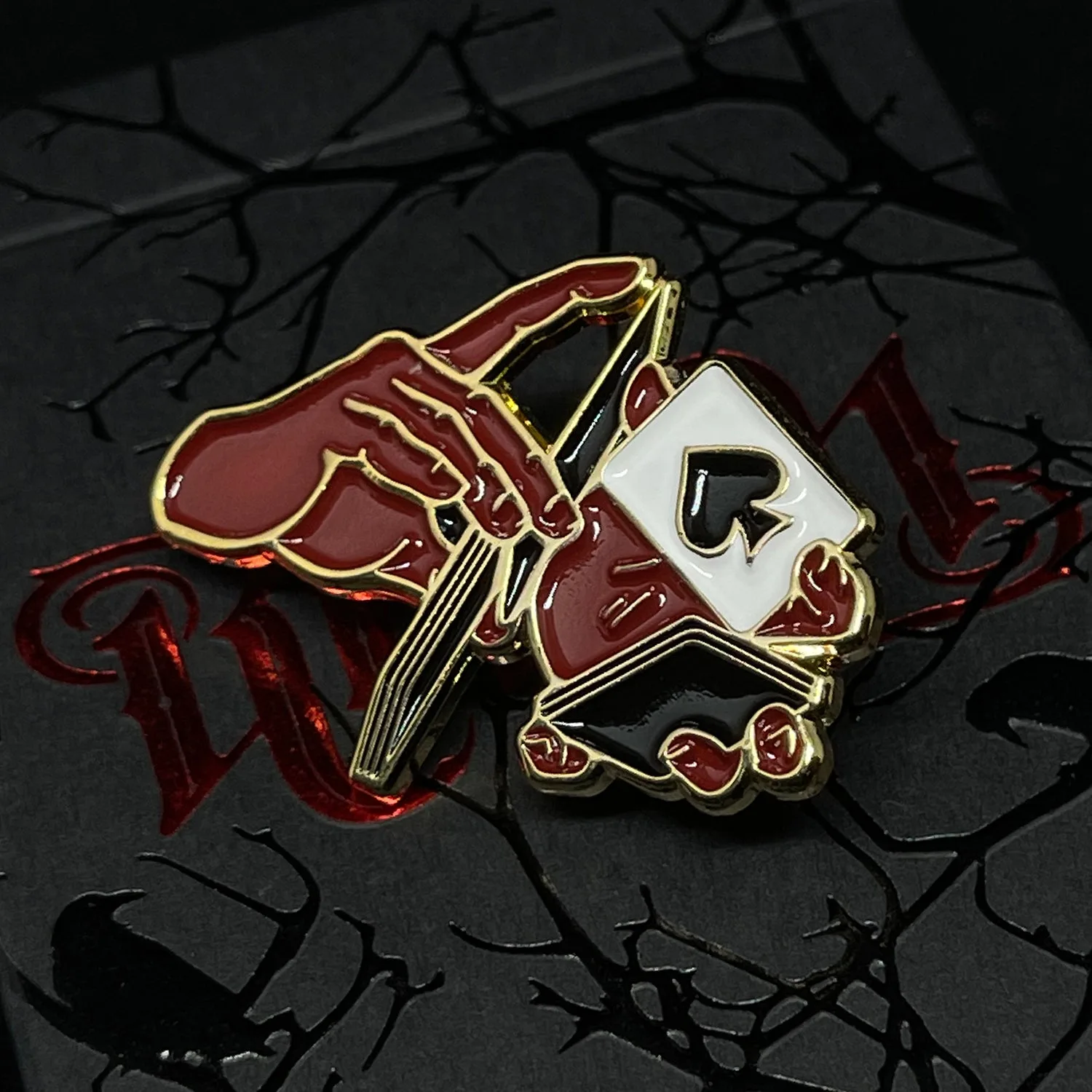
If you own uncut sheets, such as the Cyclopeans Experimental Uncut Sheet, they require even more careful handling. Uncut sheets are not meant for playing; they are display pieces. Clean them only with a dry, soft brush or cloth, and never use water. Similarly, accessories like the RAVN IIII Art of Cardistry Enamel Pin can be cleaned with a dry cloth to keep them shiny.
- Store cards in a cool, dry place away from sunlight.
- Use original tuck boxes for protection.
- Handle uncut sheets with extra care—dry cleaning only.
Cleaning your playing cards doesn't have to be risky. By using gentle, dry methods and reserving moisture for rare spot cleaning, you can keep your decks looking and feeling fresh. Remember to handle your cards with clean hands and store them properly to minimize dirt buildup. For collectors who want to explore premium decks that are both beautiful and durable, consider adding the Gibborim Castaways Gilded - The Eye of the Ocean to your collection—it's a stunning piece that deserves the best care.