Quick answer
Wipe the refillable deodorant case with a damp cloth and mild soap, then dry it fully before inserting a new refill. Rinse the sisal soap pouch after every shower, squeeze out excess water, and hang it to air-dry. Deep-clean the pouch monthly with warm water and a little vinegar, and replace it when the sisal fibers stay flattened or start to smell.
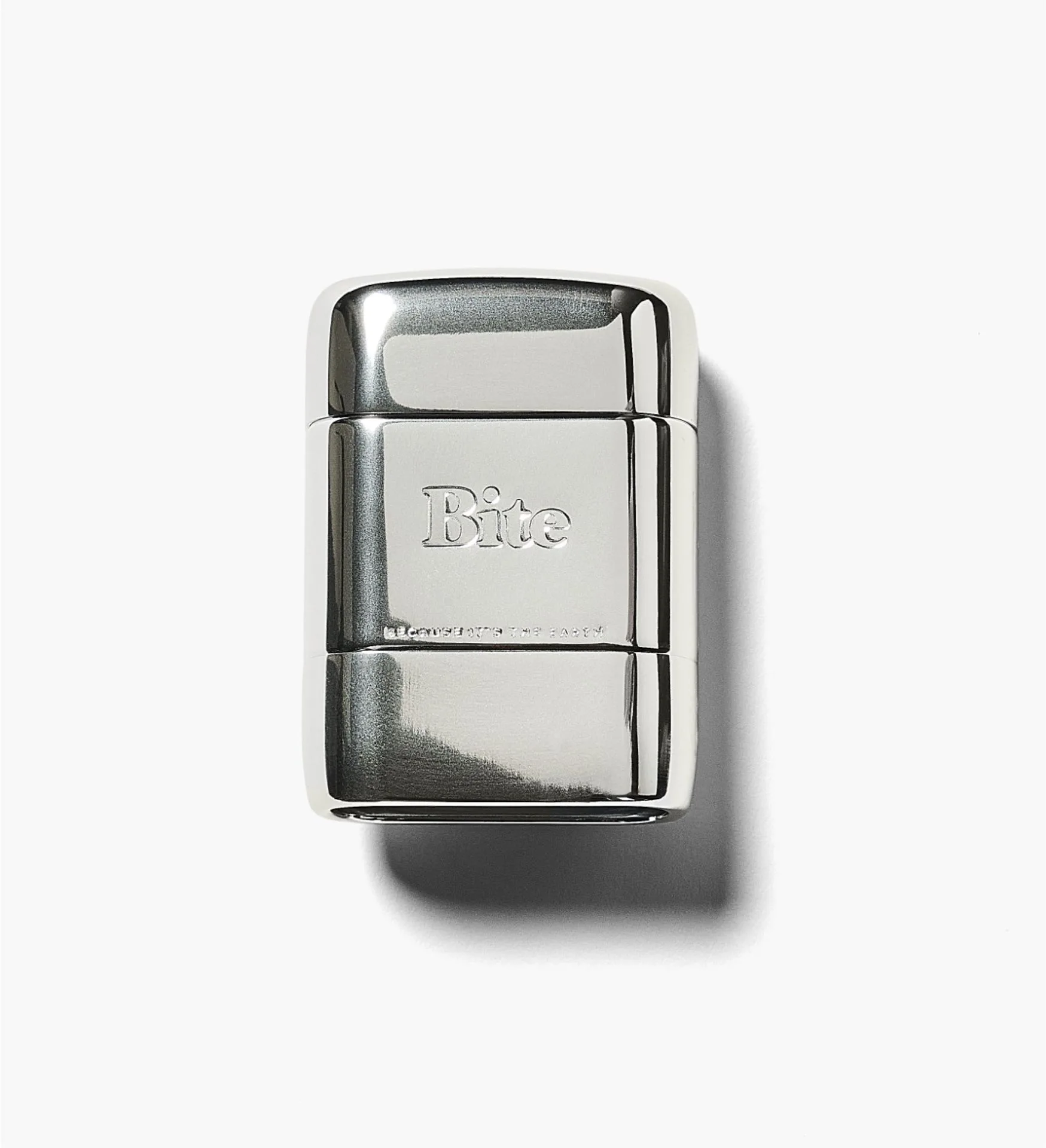
deodorant case
Why these two items need different care
A refillable deodorant case is built to hold a solid product and protect it between uses, so the main enemy is residue that traps odor and prevents a refill from seating properly. A soap pouch is made from 100% sisal, a natural and biodegradable material that absorbs water and soap, so it needs airflow and periodic deep cleaning to stay hygienic. Treating them the same way, usually by soaking both or scrubbing both hard, shortens the life of the pouch and can leave the case feeling tacky.
What you need
Gather a soft cloth or sponge, mild dish soap, warm water, white vinegar, and a small brush with soft bristles. Skip abrasive scrubbers, bleach, and hot water on the case, because they can dull the surface or warp the fit. For the pouch, a gentle squeeze is enough; wringing it out like a towel breaks down the sisal fibers.
Step-by-step: clean and reuse both items
- Empty and wipe the deodorant case: Twist the case open, lift out any remaining deodorant, and wipe the inside and outside with a damp cloth and a drop of mild soap. Rinse the cloth, not the case, so water does not sit in the mechanism. Checkpoint: the case should feel smooth and dry, with no sticky film where the refill seats.
- Dry the case completely before refilling: Let the case air-dry for at least an hour, or dry it with a clean towel, before pushing in a new deodorant refill. Moisture left inside can soften the refill and make it slide or crumble. Mistake to avoid: refilling while the case is still damp.
- Rinse the soap pouch after every shower: Hold the pouch under warm running water and squeeze it gently a few times until the water runs clear. This removes soap residue before it hardens in the sisal fibers. Checkpoint: no visible lather or slippery feel remains.
- Hang the pouch to air-dry: Squeeze out excess water without twisting, then hang the pouch by its loop or lay it flat on a rack with airflow on both sides. Do not leave it in a closed shower caddy or on a wet ledge. Mistake to avoid: storing the pouch damp, which encourages odor and mildew.
- Deep-clean the pouch once a month: Soak the pouch in a bowl of warm water with a splash of white vinegar for 15 to 20 minutes, then rinse thoroughly and air-dry. This loosens built-up soap and minerals without harsh scrubbing. Checkpoint: the sisal should smell neutral and feel slightly rough again.
- Replace the pouch when it stays flat: If the sisal fibers remain matted or flattened after deep cleaning, or if the pouch keeps a sour smell, it is time for a new one. A worn pouch no longer creates good foam and can harbor residue. Next step: keep a spare pouch on hand so you can rotate one out while the other dries.
Products that fit this routine
- Neroli Natural Deodorant by Bite - Clinically Proven Odor Control, Long-Lasting, Refillable: Neroli Natural Deodorant by Bite comes as a 2-pack with a reusable case and a pure, concentrated formula that contains no water. Because the formula is concentrated and water-free, a quick wipe and full dry time is usually all the case needs between refills.
- Soap Pouch: The Soap Pouch is made from 100% sisal, a natural and biodegradable material, and doubles as a loofah that helps create a rich foam. Sisal absorbs water, so rinsing and air-drying after each use matters more than scrubbing to keep the pouch fresh.