Quick answer
Rinse every milk-contact part in cool water right after pumping, wash it in warm soapy water with a dedicated brush, then sanitize only the parts your pump maker allows. Silicone pieces such as duckbill valves, backflow protectors, and air caps need gentler handling than bottles and flanges, so check them for cracks, cloudiness, or loose fit and replace them when they stop sealing.
Set up a two-zone washing station
Keep a small basin or bowl that is used only for pump parts, plus a bottle brush and a separate valve brush. A dedicated zone stops kitchen sponges, raw-meat residue, and sink spray from reaching parts that touch milk. If you use a shared sink, scrub it first or use a clean dishpan instead of washing directly in the basin.
Wash silicone parts before they dry out
Milk residue hardens in the thin openings of duckbill valves and backflow protectors, so rinse them within a few minutes of pumping. Take valves and protectors apart as far as the manufacturer allows, then work warm soapy water through the openings with a small brush. Do not push a brush through a duckbill slit, because stretching the silicone can change how it seals.
Sanitize only what the manufacturer allows
Sanitizing is not the same as washing, and more is not better. Heat and steam can shorten the life of silicone valves and membranes, so follow the pump instructions for which parts can be boiled, steamed, or washed on a sanitizing cycle. A daily sanitize is usually enough for a healthy, full-term baby; ask your baby's clinician if you need a different schedule for a premature or medically fragile infant.
Dry and store parts so they stay clean
Shake excess water off, then air-dry on a clean rack or a paper towel away from splashing sinks and pets. Put parts back together only when they are fully dry, because trapped moisture in a backflow protector or air cap can encourage mildew. Store dry, assembled parts in a clean, covered container rather than a closed plastic bag that holds humidity.

backflow protector
Your step-by-step clean and sanitize routine
- 1. Take everything apart: Separate flanges, bottles, valves, backflow protectors, membranes, and air caps as far as the instructions allow. Common mistake: leaving a duckbill valve attached to a flange, so milk stays trapped in the seam and never gets fully rinsed. Checkpoint: every part that touches milk is now a separate piece.
- 2. Rinse in cool water first: Rinse off fresh milk before it dries, using cool water so proteins do not set. Common mistake: starting with hot water, which can cook milk residue onto silicone and make it harder to remove. Checkpoint: water runs clear off each part.
- 3. Wash in warm soapy water: Use a dedicated basin, warm water, and a mild dish soap, then scrub with a bottle brush and a small valve brush. Common mistake: using a kitchen sponge that has picked up grease or food particles. Checkpoint: no film or milk smell remains on the silicone.
- 4. Sanitize only approved parts: Follow the pump instructions for boiling, steaming, or a sanitizing cycle, and keep silicone valves and membranes within the recommended time. Common mistake: boiling valves longer than directed, which can warp the slit and weaken suction. Checkpoint: you know which parts are sanitizer-safe and which are wash-only.
- 5. Air-dry completely: Lay parts on a clean rack or paper towel with openings facing down so water can drain. Common mistake: reassembling a backflow protector while droplets are still inside. Checkpoint: no visible moisture before reassembly.
- 6. Inspect and replace worn parts: Look for cracks, cloudiness, stretched slits, or a valve that no longer sits snugly. Common mistake: waiting for a total suction failure instead of replacing a cheap part early. Checkpoint: if a valve or membrane looks changed, replace it before the next pump session.
Parts that keep suction and hygiene on track
- Wearable Duckbill Valve & Backflow Protector Replacement Kit: The Spectra Wearable Duckbill Valve & Backflow Protector Replacement Kit is designed exclusively for the Spectra Premier Wearable Breast Pump and includes two duckbill valves and two backflow protectors. Having a spare set means you can swap in clean, dry parts while the used set is washing or drying, so a worn valve does not quietly weaken suction.
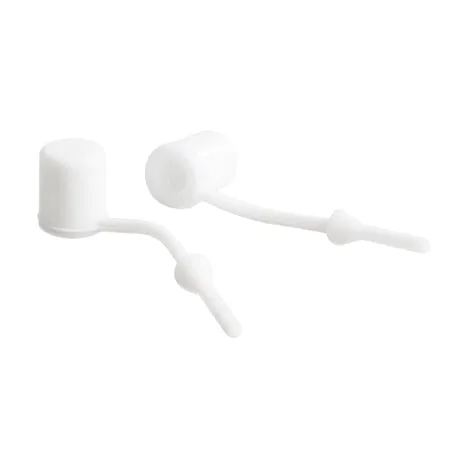
- Breast Pump Air Cap Set: The Spectra Air Cap is needed when a user wants to single pump, and each order includes two silicone caps for use with Spectra S1, S2, and SG pump models. If you single pump, the unused port needs a cap; a missing or loose cap is a common reason a pump seems to lose suction.
- CaraCups Backflow Protector Replacement Kit: The Spectra CaraCups Backflow Protector Replacement Kit is designed for 24mm and 28mm CaraCups and includes two backflow membranes and two backflow protectors. Replacing the membranes and protectors together restores the seal that keeps milk out of the pump and suction consistent.